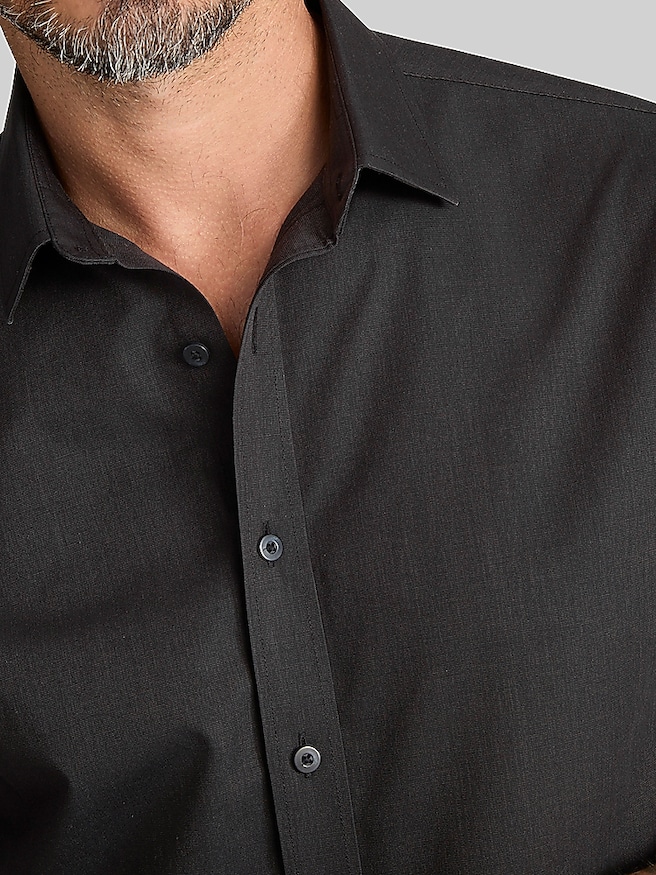
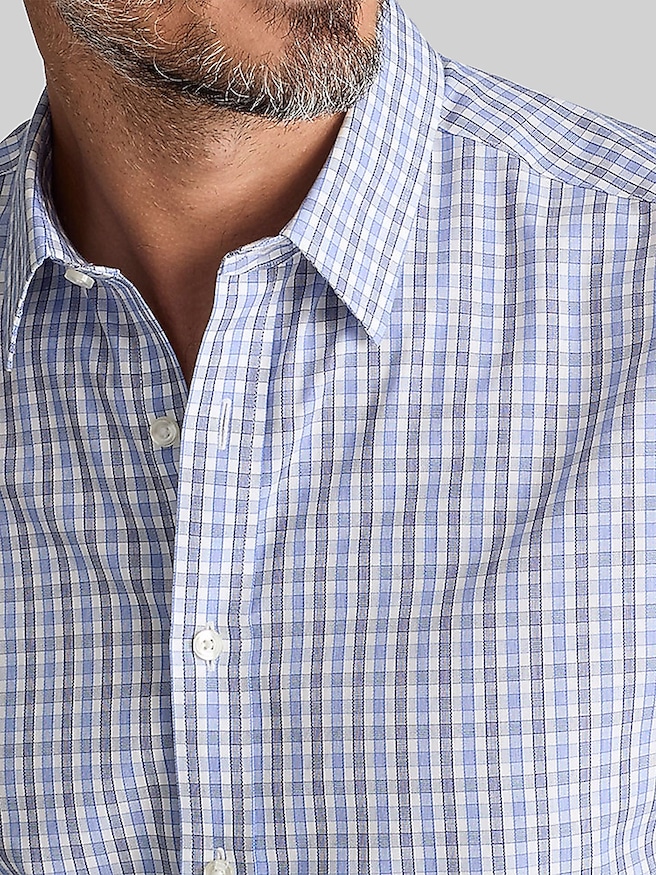
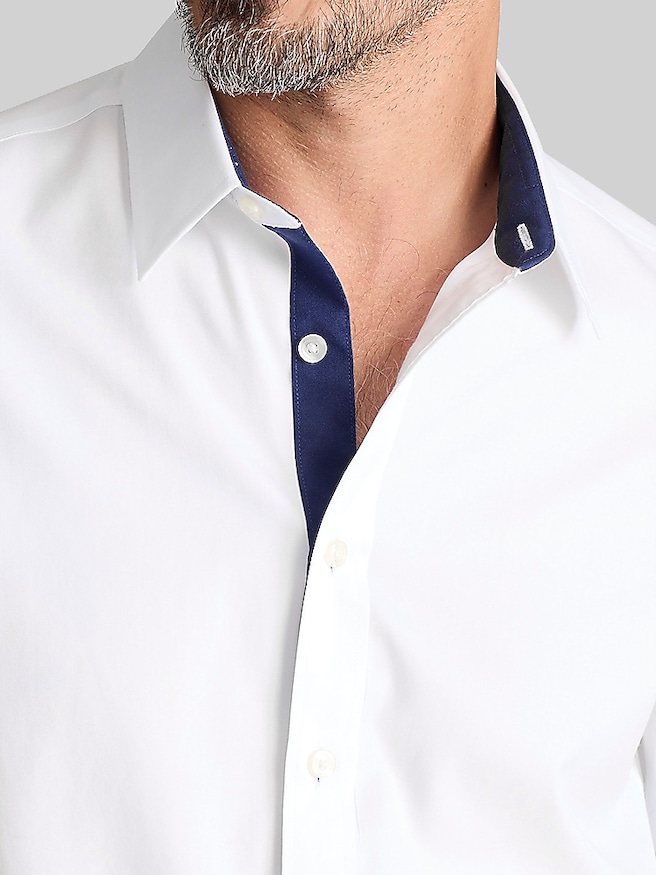
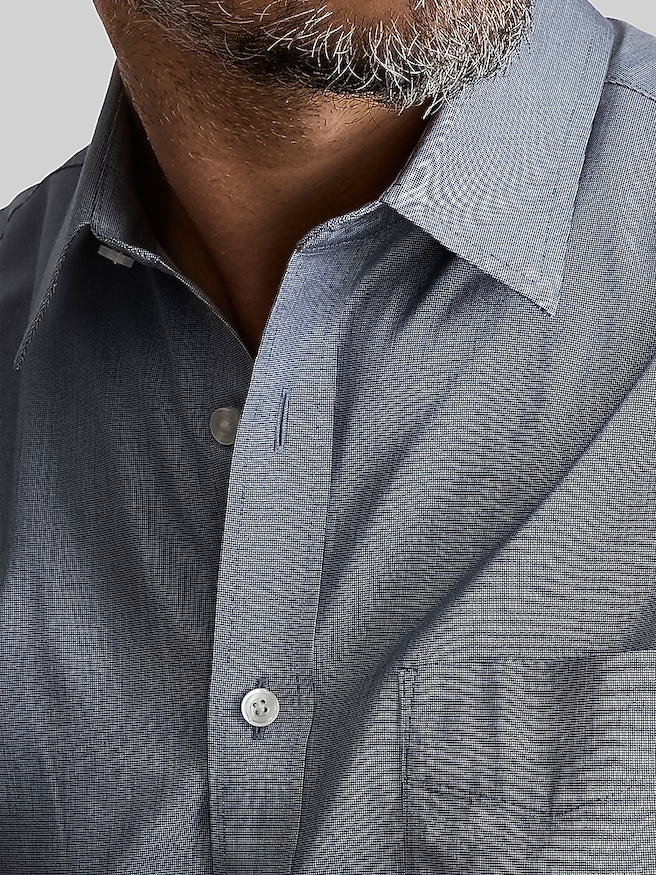
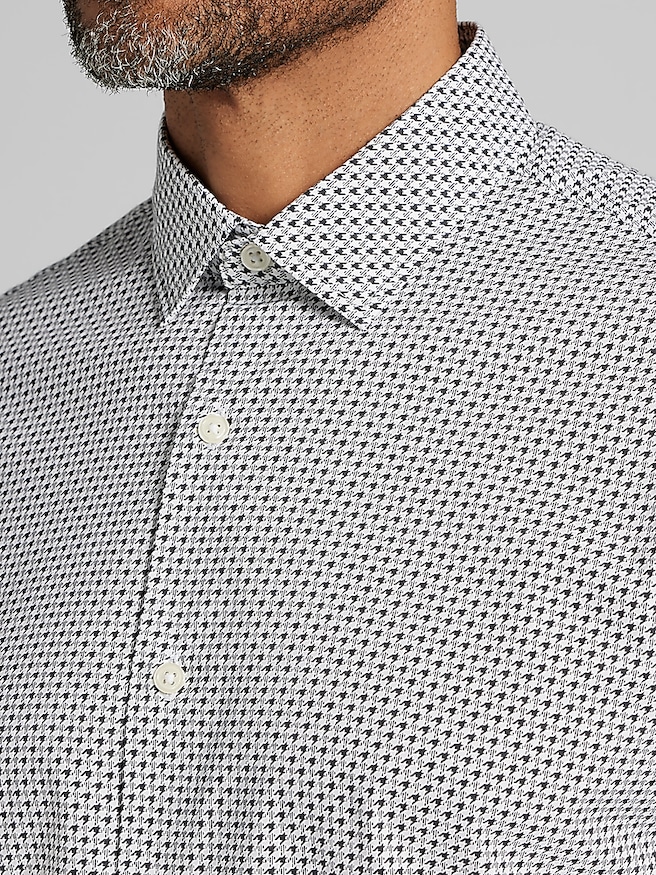
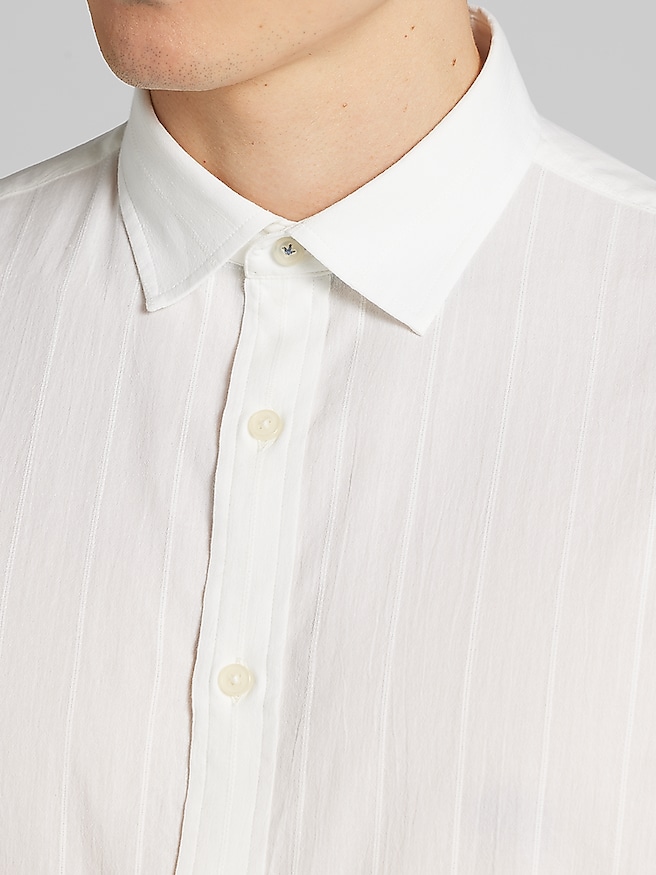
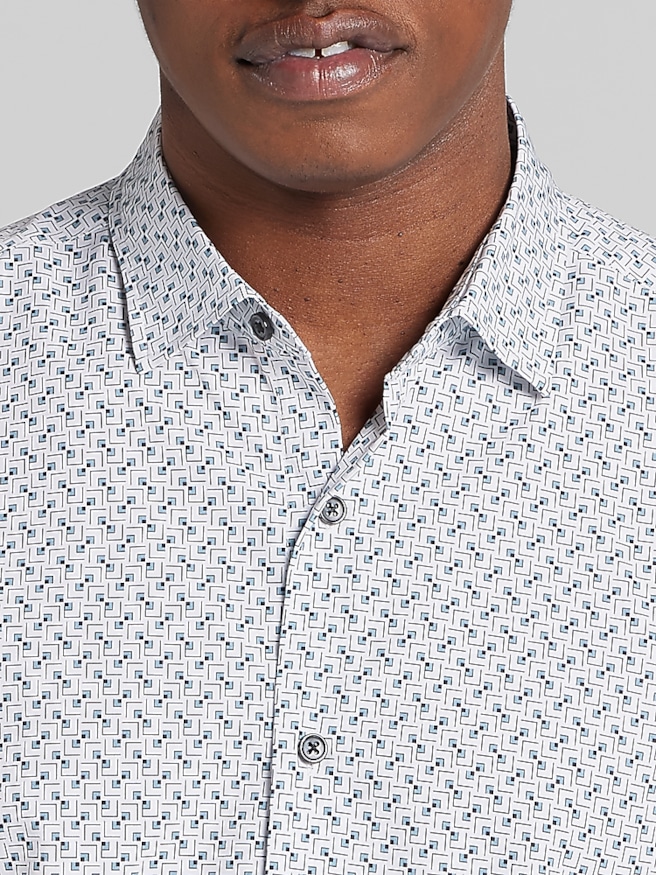
Breathable summer shirts for men combine lightweight fabrics, room for air to circulate, and construction suited to warm-weather wear. Cotton, linen, and thoughtfully engineered blends are common choices, but fiber content alone does not determine comfort. Fabric weight, weave density, and fit also influence how easily heat and moisture escape. A fine cotton poplin can feel smooth and crisp beneath a lightweight jacket, while a loosely woven linen shirt has an airy texture that works naturally with chinos or casual trousers. Seersucker brings another approach: its puckered surface holds portions of the fabric away from the skin, reducing contact for a less clingy feel. Lightweight knits can offer softness and flexibility, particularly in polos, although a dense knit may feel warmer than a more open woven fabric. Breathability and moisture management are related but distinct qualities. Breathable construction lets air and water vapor pass through, while moisture-wicking fabric moves perspiration across its surface to support evaporation. Cotton absorbs moisture comfortably but can stay damp longer after heavy perspiration; some performance blends are designed to dry faster. That distinction matters on a humid commute, at an outdoor lunch, or during a long afternoon of sightseeing. Linen often feels cool and becomes softer with repeated washing, with natural creasing that gives it a relaxed character. Blends can balance that texture with improved shape retention or easier care, depending on their composition and finish. Even shirts with similar fiber labels can feel noticeably different, so the fabric’s texture and construction deserve as much attention as its name. For a familiar starting point, breathable cotton shirts for men offer a range of textures and levels of structure, from smooth woven fabrics to soft knits. The most useful choice depends on where the shirt will be worn: an air-conditioned office with a walk between buildings calls for a different balance of polish and ventilation than a backyard gathering or a beachside dinner.
Fit gives breathable fabric the space it needs to work. A summer shirt should allow comfortable movement through the shoulders, chest, and upper back without pulling across the buttons or gripping the upper arms. Close-fitting fabric can cling when damp, while excessive volume can bunch beneath a jacket or look untidy when tucked in. A trim silhouette can still feel comfortable if there is enough ease through the torso; a classic fit provides more room for those who prefer a relaxed drape. Shoulder seams that sit near the natural shoulder edge and sleeves that allow the elbows to bend help a shirt feel settled rather than restrictive. Stretch can make reaching and sitting easier, though stretch alone does not make a fabric breathable. Collar shape and sleeve length also help define intended use. A structured collar and long sleeves suit offices, restaurant dinners, and occasions where a jacket may be expected. A polo offers a softer middle ground, pairing comfortably with tailored shorts or chinos, while a camp-collar shirt creates a more casual outline with an open neckline. Short sleeves leave the forearms uncovered; long sleeves provide coverage and can sometimes be rolled neatly when the setting allows. Lightweight fabric should not automatically be treated as sun protection, since ultraviolet protection depends on the material and construction; a stated UPF rating provides more useful information than appearance alone. Hem length matters just as much as collar style. A shirt intended to stay tucked needs enough length to remain secure when sitting or reaching, while a shorter, balanced hem can look cleaner worn loose. White, pale blue, soft neutrals, and subtle patterns are easy to coordinate, but very light fabrics may reveal an undershirt or pocket lining. Checking opacity in natural light helps preserve the polished effect, especially when a shirt will be worn without a jacket.
Everyday durability comes from more than a substantial feel. Even stitching, securely attached buttons, neatly finished seams, and stable collar edges help a lightweight shirt hold up to repeated wear without requiring a heavy fabric. Linen’s wrinkles are part of its character, but sharp creases from overcrowded packing or aggressive drying can make any shirt look neglected. Care should follow the garment label, particularly when a blend, stretch component, or special finish is involved. Many washable cotton and linen shirts benefit from gentle handling and prompt removal after laundering; excessive heat can cause shrinkage, weaken elastic fibers, or set wrinkles. Leaving room in the washer helps reduce twisting, and smoothing the collar, placket, and sleeves before drying can make the next wear easier. A steamer can soften wrinkles when the care label permits it, while an iron at the appropriate setting gives woven shirts a crisper finish. Performance fabrics may need extra attention to detergent and softener instructions because residue can interfere with moisture-management finishes. Shirts should be fully dry before they are folded into a suitcase or placed in a closet, and rotating frequently worn shirts gives each one time to air out between uses. For travel, a fabric that releases wrinkles easily may be more practical than one chosen solely for its light weight. For a graduation gathering, outdoor celebration, or casual business dinner, a breathable woven shirt can provide a neat appearance without the bulk of a heavier fabric. These shirts also make useful gifts for someone who commutes on foot, travels often, enjoys outdoor dining, or simply prefers a lighter feel. Familiar collar styles, easy-to-coordinate colors, and a known fit make the choice more personal and practical. Whether worn beneath an unstructured jacket, tucked into chinos, or paired with shorts for a relaxed afternoon, a well-chosen summer shirt balances airflow, ease of movement, and the level of polish the occasion requires.