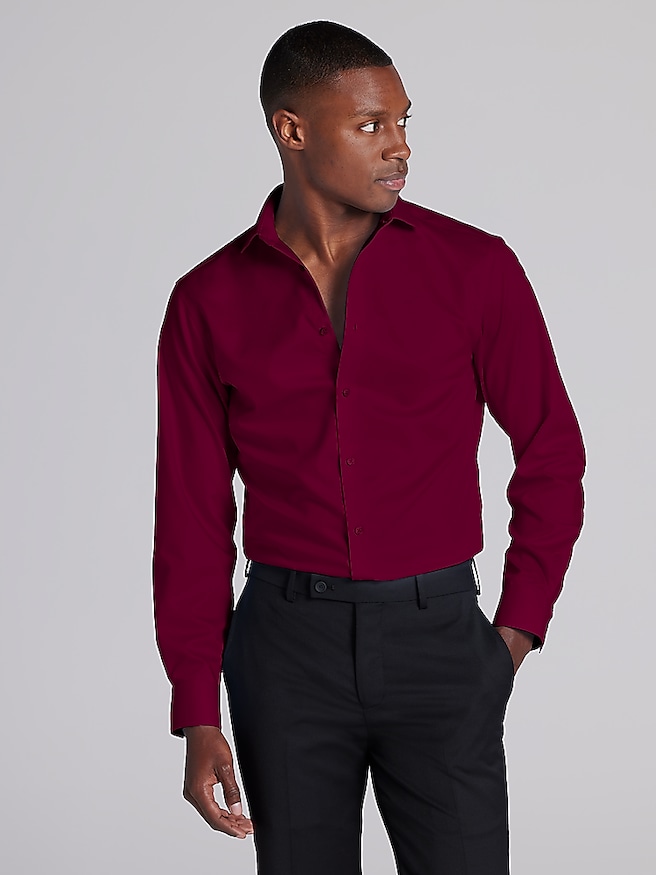
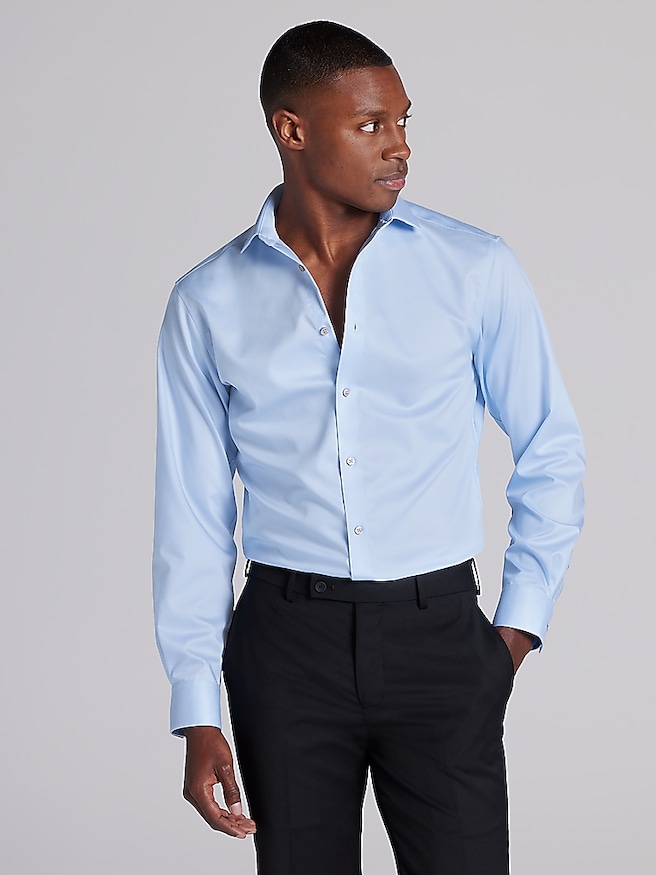
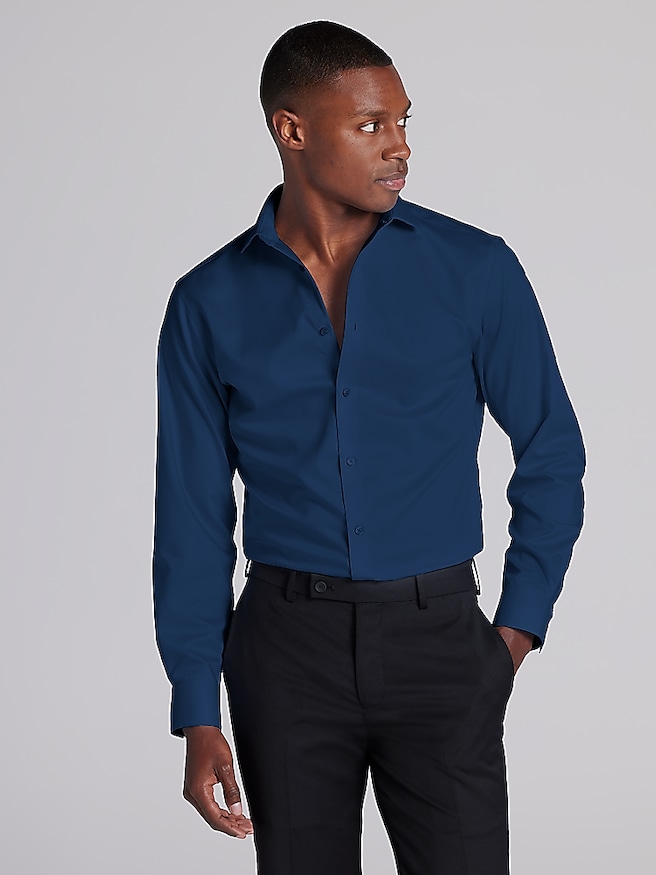
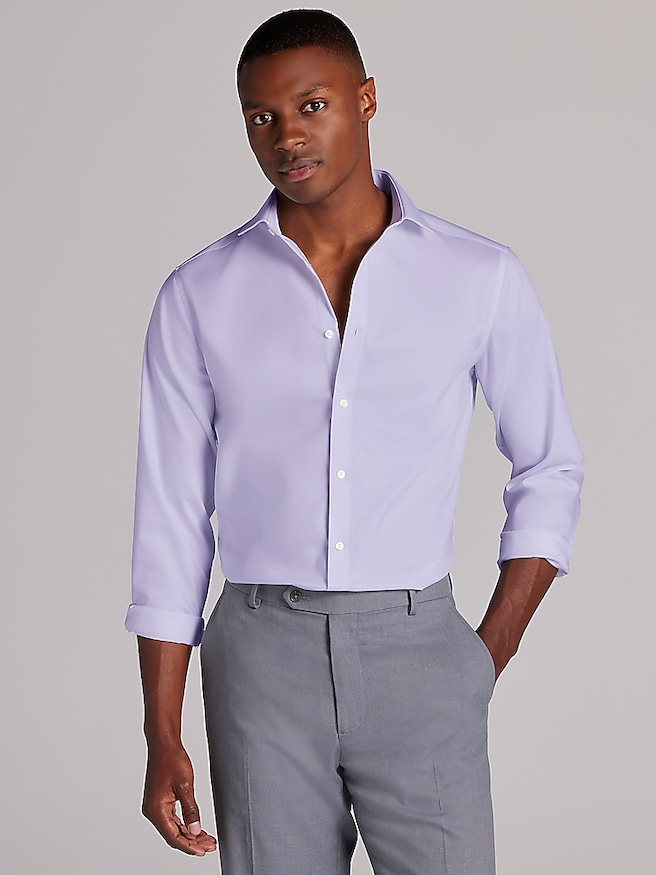
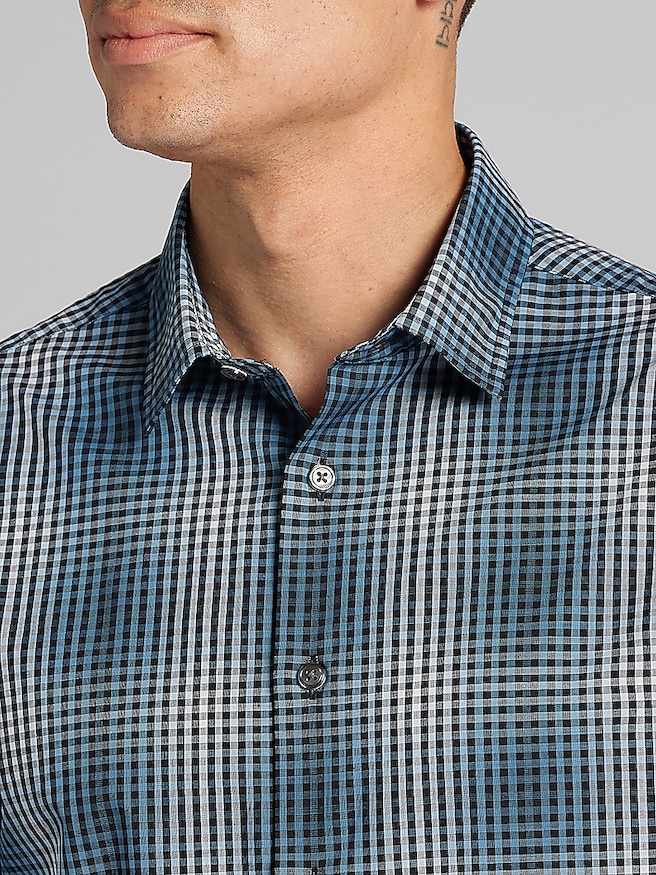
Breathable cotton shirts for men bring a soft, familiar feel to everyday dressing, with comfort that depends as much on the fabric’s construction as on its fiber content. Cotton allows air and water vapor to pass through the fabric, while its absorbent fibers take up moisture from the skin. That combination can feel comfortable during a morning commute, an afternoon at a desk, or a relaxed dinner, although cotton does not necessarily dry quickly once it becomes damp. Fabric weight, weave, and fit all affect how airy a shirt feels. A fine, lightweight cotton poplin generally has a smooth surface that slips easily beneath a sweater or jacket, while an Oxford weave adds texture and often a little more substance. Cotton jersey has a flexible knit construction and a soft drape suited to casual shirts; piqué has a textured surface commonly associated with polos. An open construction can encourage airflow, but texture alone does not guarantee breathability, and a dense, heavy cotton fabric may feel warmer than a lighter blend. Shirts made entirely from cotton emphasize the fiber’s natural hand, while cotton blends may include stretch or other fibers that influence wrinkle resistance, drying time, and shape retention. The fabric label gives a clearer picture than the word “cotton” alone. During the cooler months, a breathable shirt can be especially useful when moving between brisk sidewalks and heated rooms. It provides a comfortable base beneath layers without requiring a heavy fabric against the skin. A long-sleeve cotton shirt under a knit sweater, for example, offers coverage outdoors and a polished appearance when the sweater comes off indoors. For everyday wear rather than strenuous exercise, this balance of softness, airflow, and easy layering makes cotton a practical foundation. For activities that involve sustained sweating, its tendency to hold moisture is worth considering alongside the need for warmth and drying speed. Breathability is a useful quality, but it works best when matched to the setting and the rest of an outfit.
Fit gives breathable fabric room to do its job. A shirt stretched tightly across the chest or upper back can restrict movement and leave little space for air circulation, even when the material itself is lightweight. A comfortable fit allows reaching for a steering wheel, sitting through a meeting, and bending an elbow without pulling at the buttons or binding beneath the arms. Shoulder seams generally sit near the edge of the shoulder in conventionally tailored styles, and sleeves should allow movement without excess fabric bunching under a jacket. Slim fits create a closer outline, while classic or relaxed fits offer more ease through the torso; neither shape is automatically more comfortable unless the proportions suit the wearer. A small amount of stretch can help with mobility, but it does not replace adequate room through the chest and waist. Length matters, too. Longer shirttails help a tucked shirt stay secure through a busy workday, while a hem designed for untucked wear creates a cleaner finish over jeans or chinos. Collar shape, sleeve length, and fabric texture establish the mood of the outfit. A smooth cotton button-up looks composed with tailored trousers, an Oxford shirt brings a slightly more casual character to office dressing, and a cotton polo bridges the space between a T-shirt and a collared woven shirt. For outfits that call for a tie, a suit, or a more structured collar, breathable dress shirts for men offer a related direction for polished dressing. White and pale blue are versatile foundations, while muted colors, subtle stripes, and small checks add variety without overwhelming a layered outfit. Lighter fabrics may reveal the outline of an undershirt, particularly in pale shades, so opacity matters alongside airflow. A smooth, lightweight undershirt close to the wearer’s skin tone can be less noticeable beneath light fabric, though any added layer changes the overall feel. These practical details help a cotton shirt move comfortably from a casual workplace to a family gathering or an evening out.
Care and construction shape how a breathable cotton shirt feels after repeated wear. Cotton can shrink when exposed to heat, and the amount varies with the fabric and any finishing treatments, making the sewn-in care label the best starting point for laundering. When the instructions allow it, washing in cool water with similar colors and avoiding excessive dryer heat can help protect fit and appearance. Removing a shirt promptly after drying reduces the time creases have to settle, while smoothing the collar, placket, and cuffs before hanging helps a woven shirt look neater between wears. Some cotton shirts benefit from ironing or steaming; others have a naturally relaxed texture that suits a less pressed finish. Wrinkle-resistant treatments can reduce upkeep, but they do not mean that every shirt will emerge perfectly smooth, and their effect on softness varies. Cotton knits may need reshaping after washing, and heavier knits can stretch when hung wet, so drying instructions deserve attention as well. Durability comes from more than thickness. Even stitching, securely attached buttons, tidy buttonholes, and well-finished seams are useful signs of careful construction. Cuffs and collars receive frequent friction, and enough room through the body helps reduce strain on seams during ordinary movement. A lightweight fabric can serve well with thoughtful care, while a heavier shirt is not automatically better suited to every setting. Rotating shirts between wears gives each one time for laundering and helps spread out wear across a wardrobe. For someone building a work wardrobe, a few versatile cotton shirt styles can support everything from presentations to less formal office days. For someone who spends long stretches traveling or sitting in heated indoor spaces, a soft fabric and an easy fit may take priority over a crisp finish. Breathable cotton shirts can also make useful gifts when the recipient’s size, preferred fit, and usual dress habits are known. Familiar colors and manageable care requirements often matter more than an unexpected design. The strongest everyday choice brings those details together: fabric that feels good against the skin, proportions that allow natural movement, and a level of polish that fits the wearer’s routine.