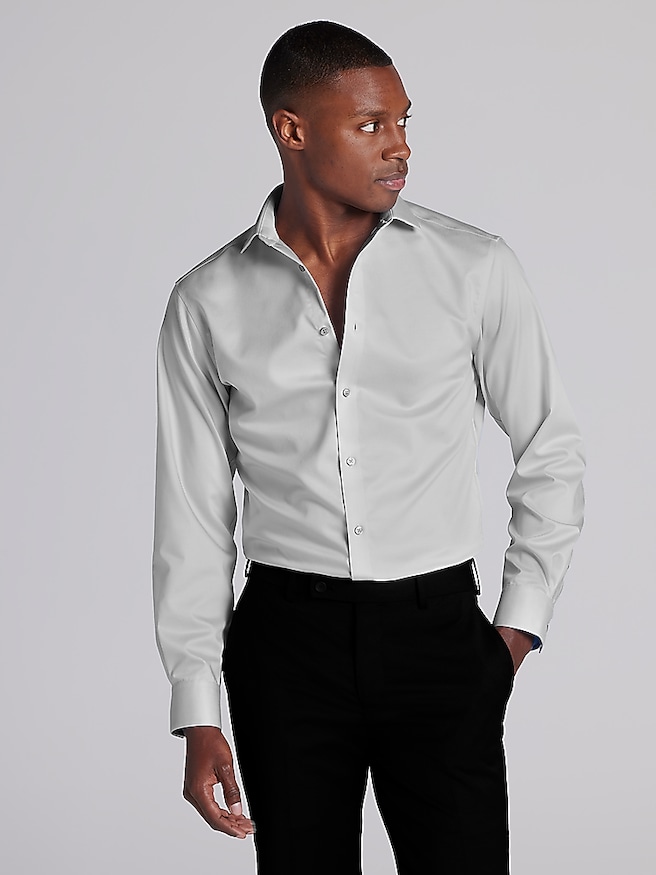
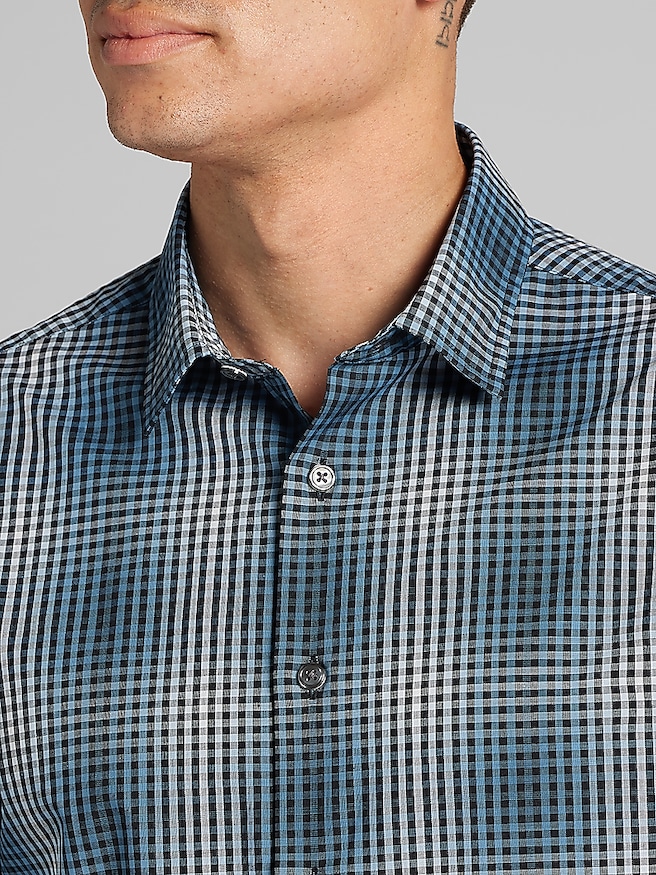
Breathable shirts for men allow air to move through the fabric so moisture can evaporate more readily, helping the shirt feel comfortable through a full day of wear. That comfort comes from a combination of fiber, fabric weight, weave or knit structure, and fit—not simply a label describing the material. Cotton, linen, and lightweight performance blends are common choices, each with a distinct feel and appearance. Cotton tends to feel soft against the skin and can absorb moisture, though a densely woven cotton shirt may allow less airflow than a lighter, more open construction. Linen has a textured surface and fibers that give the fabric structure, helping it sit away from the body rather than cling closely. Its characteristic creases are part of its relaxed appearance. Cotton-linen blends can balance that texture with a softer hand, while synthetic blends may incorporate moisture-wicking finishes or yarn constructions designed to move perspiration toward the fabric’s outer surface. Breathability and moisture wicking are related but different qualities: one concerns airflow and moisture vapor, while the other describes how liquid moisture moves through a material. A shirt can offer one without excelling at the other. Lightweight fabrics also vary in coverage, so a fine, pale weave may look more translucent than a similarly light fabric in a deeper color or textured pattern. Knitted shirts often have natural flexibility, while woven styles can offer a crisper outline. Neither construction is automatically more breathable; density and finishing still matter. These details explain why two shirts with similar fiber labels can feel noticeably different when worn. For everyday dressing, the most useful combination is fabric that feels pleasant against the skin, enough structure for the intended setting, and room for comfortable movement. A smooth cotton button-down, a textured linen blend, and a lightweight knit polo can each serve that purpose in a different way, bringing breathable comfort to workdays, travel, casual gatherings, and time spent on the move.
Fit plays a practical role in how breathable shirts feel, especially during a commute, a long meeting, or an afternoon that involves plenty of walking. A shirt that pulls across the chest or upper back can hold fabric tightly against the skin and restrict movement, even when the material itself is light. A close-fitting silhouette can still feel comfortable when the shoulders align well, the sleeves allow the elbows to bend, and the torso has enough ease for sitting and reaching. A roomier cut creates more space between the body and the fabric, but excessive volume can bunch beneath a jacket or gather at the waistband. Stretch can make movement easier, although stretch alone does not establish breathability. Sleeve shape, armhole placement, and collar comfort contribute just as much to whether a shirt feels easy to wear throughout the day. Intended use helps distinguish the details that matter most. An office shirt may call for a neat collar, a smooth surface, and a hem long enough to stay tucked when reaching for a bag or settling into a desk chair. For a polished look beneath tailoring, breathable dress shirts for men connect airflow-conscious fabrics with the structure expected of dressier clothing. A casual button-down can have a softer collar and a hem proportioned for untucked wear, while a polo offers a familiar balance between a collared appearance and the flexibility of knit fabric. Long sleeves provide styling versatility without necessarily making a shirt heavy; fabric construction remains the more useful distinction. Layering matters, too. A light shirt beneath a dense undershirt and close-fitting jacket will feel different from the same shirt worn on its own. Smooth, lightweight layers can reduce bulk, and an undershirt with an unobtrusive neckline can help maintain coverage beneath finer fabrics. Solid colors, subtle stripes, and small-scale patterns offer different visual effects without changing the basic priorities of comfortable fit, suitable coverage, and a silhouette that works with the rest of an outfit.
Care and construction influence how well breathable shirts hold their shape and appearance over repeated wear. Lightweight fabric does not have to feel flimsy, but it benefits from even stitching, cleanly finished seams, secure buttons, and reinforcement at areas that experience frequent strain. The collar, cuffs, underarms, and button placket are especially useful places to notice construction quality because they handle repeated movement and contact. Fabric composition also shapes the maintenance routine. Cotton and linen can shrink or crease depending on their treatment, while some blended fabrics recover their shape more readily or need less pressing. Wrinkle resistance and breathability are separate properties, so a smooth-looking finish should not be treated as proof of airflow. The care label remains the most reliable reference for washing, drying, and ironing because dyes, finishes, and trim can change what a shirt tolerates. Excessive dryer heat can contribute to shrinkage and wear, and fabric softeners may interfere with moisture-management finishes on some performance materials. Prompt attention to collar marks and perspiration residue can help prevent buildup without relying on aggressive laundering. For shirts that need pressing, the appropriate iron setting helps preserve the fabric’s surface and any stretch fibers. Day-to-day habits matter as well: allowing a shirt to dry fully before storing it and avoiding an overcrowded closet can help maintain a fresh feel and a neater appearance. Breathable shirts can also make thoughtful gifts for someone who spends long hours at a desk, travels frequently, enjoys relaxed social plans, or simply prefers clothing that feels less restrictive. Familiar sizing, usual collar preferences, and existing wardrobe colors provide more useful direction than guessing at an entirely new style. A person who wears tucked-in shirts may value dependable length and a tidy placket, while someone who favors casual outfits may appreciate softer fabric and an easy drape. The lasting appeal is straightforward: a shirt that combines airflow, comfortable movement, appropriate coverage, and manageable care can earn a regular place in an everyday wardrobe.