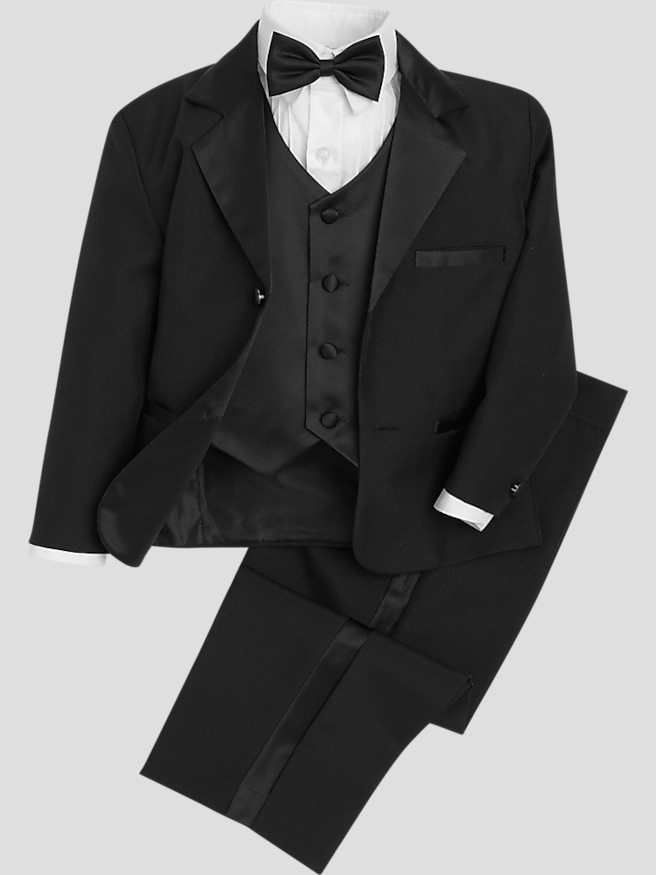
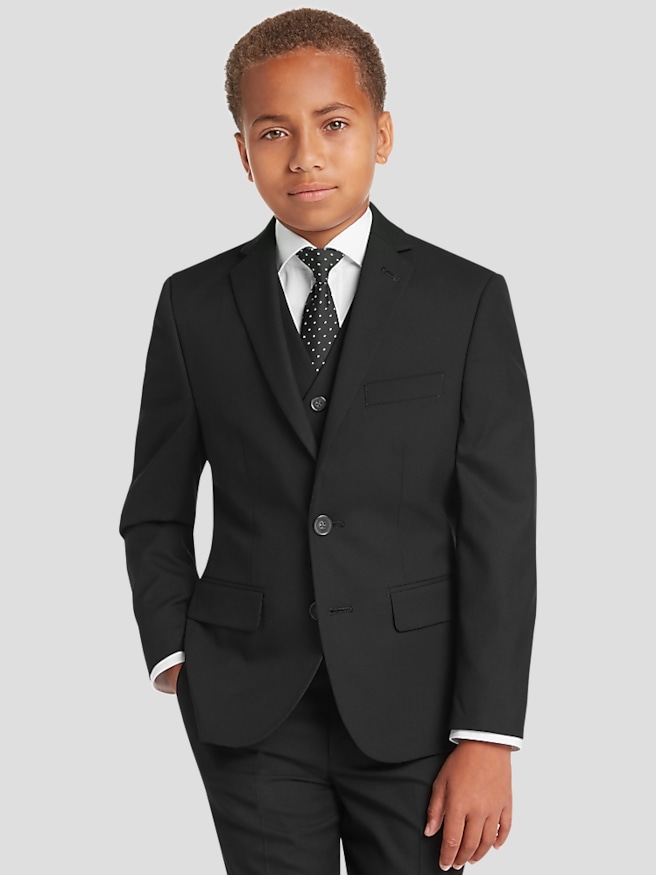
Boys’ size 10 suits bring a coordinated, dressed-up look to weddings, school ceremonies, recitals, family portraits, and other occasions that call for more than everyday clothing. A size 10 suit generally falls within boys’ sizing, but the number is a starting point rather than a reliable match to age alone. Height, chest, waist, and leg measurements help determine whether the jacket and trousers will sit comfortably and look balanced together. The appeal of a matching suit is its simplicity: coordinated fabric and color create a complete foundation, leaving room for a dress shirt, tie, and shoes that suit the occasion. A two-piece suit pairs a jacket with matching trousers, while a three-piece suit adds a vest for a more layered appearance. That vest can help maintain a dressed-up look when the jacket comes off during a reception or after a performance. Navy and charcoal are versatile choices for repeated wear because they coordinate easily with white, pale blue, and subtly patterned shirts. Black creates a more formal impression, although the invitation or event dress code should determine whether a suit or another type of formal attire is appropriate. Medium gray offers a softer contrast with a white shirt, while a restrained check or textured weave can add interest without drawing attention away from the child wearing it. For a wedding party, coordination often depends on matching the overall color direction and level of formality rather than copying every detail of an adult outfit. A simple tie, a neatly folded pocket square, or a vest can connect the look to the celebration. For a school presentation or music recital, quieter combinations keep the outfit polished without feeling elaborate. Across these settings, the most useful boys’ suits in size 10 balance a neat silhouette with enough ease for sitting through a ceremony, walking across a stage, and joining the family on the dance floor.
Fit makes that balance possible, especially when a child’s height and waist do not line up neatly within one size. Measurements taken over a lightweight shirt provide a better reference than guessing from casual clothing sizes, and the relevant size chart matters because proportions can vary between suit styles. The jacket’s shoulders should lie close to the natural shoulder line without extending noticeably beyond it or pulling across the upper back. With the jacket buttoned as intended, the front should rest smoothly rather than forming strong diagonal creases around the closure. Enough room to reach forward, shake hands, and sit comfortably is more useful than a close fit that only looks good while standing still. Sleeves typically look balanced when a small amount of shirt cuff shows beneath them, while the jacket body should cover the seat without appearing excessively long. Trousers deserve the same attention. A waistband that stays in place without pinching helps a tucked-in shirt remain tidy, and an adjustable waistband, when included, can fine-tune the waist without adding unnecessary fullness through the legs. Slim and regular cuts describe proportions rather than guaranteed comfort; a slim silhouette still needs room through the seat and thighs, while a regular cut should not look oversized. Trouser length also changes the overall impression. A slight break over dress shoes creates a traditional finish, while a cleaner hem with minimal break can look especially neat on a narrower leg. Trying the suit with the shoes intended for the occasion makes that judgment easier. Leaving a little room for growth is practical, but oversized shoulders, sleeves that cover the hands, and pooled trouser hems can overwhelm a smaller frame. If measurements extend beyond the size 10 range, comparing the relevant chart for boys’ suits in size 12 can clarify the next size rather than relying on age. Simple alterations may refine sleeve or trouser length, but a good fit through the shoulders and torso remains the strongest starting point.
Fabric, construction, and care influence how a size 10 boys’ suit feels throughout an event and how well it holds up between occasions. Wool and wool blends can provide a soft drape and a refined surface, while polyester blends often offer resilience and help the fabric maintain a tidy appearance. Viscose may contribute softness and fluidity in blended fabrics, and a modest amount of stretch can make reaching and sitting feel less restrictive. Fiber content alone does not tell the whole story: fabric weight, lining, seam placement, and the cut of the garment all affect comfort. Smooth lining through the sleeves helps a jacket slide over a dress shirt, and neatly finished seams reduce roughness inside trousers. Secure buttons, even stitching, and reinforced areas around frequently used pockets are useful signs of thoughtful construction, particularly for an outfit expected to serve more than one occasion. Care should always follow the garment label, since a washable pair of trousers and a structured jacket may have different requirements even when they look similar. A suit should not be assumed machine washable simply because its fabric contains synthetic fibers. Prompt attention to small marks, gentle brushing when appropriate, and airing garments after wear can help keep them presentable without unnecessary cleaning. A properly shaped hanger supports the jacket, while hanging trousers neatly helps preserve their line. Any steaming or pressing should follow the fabric’s care directions, with particular caution around structured areas and heat-sensitive fibers. The pieces worn underneath matter, too: a smooth shirt, comfortable dress socks, and well-fitting shoes help prevent the distractions that can make formal clothing difficult for a child to enjoy. A tie should sit neatly beneath the collar without dominating the jacket, and accessories are most effective when kept in proportion. When a suit is chosen as a gift, confirmed measurements and the intended occasion are more dependable than an age-based guess. A well-proportioned suit leaves the lasting impression where it belongs: on a child standing confidently for a portrait, greeting relatives, or taking a bow after a performance.