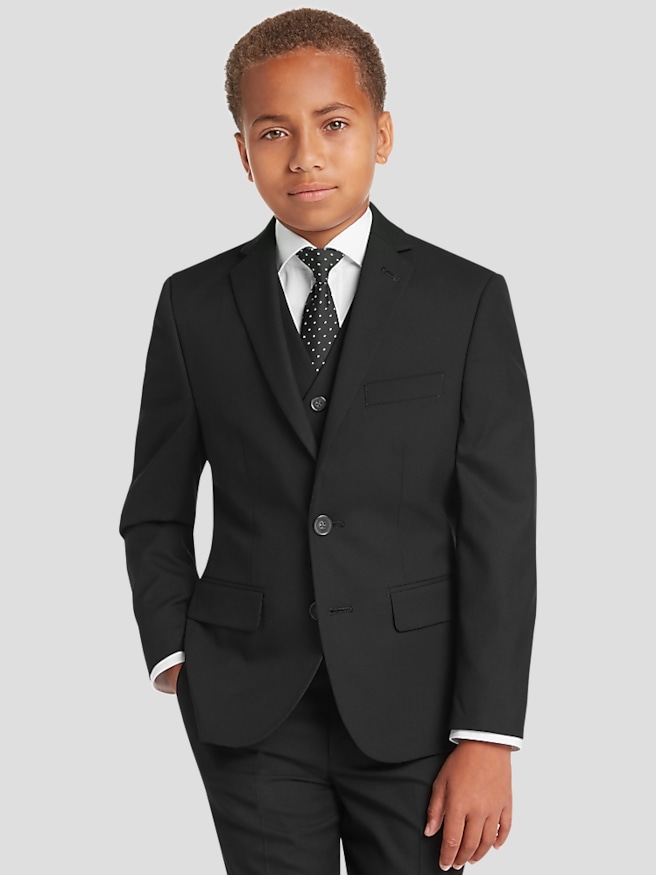
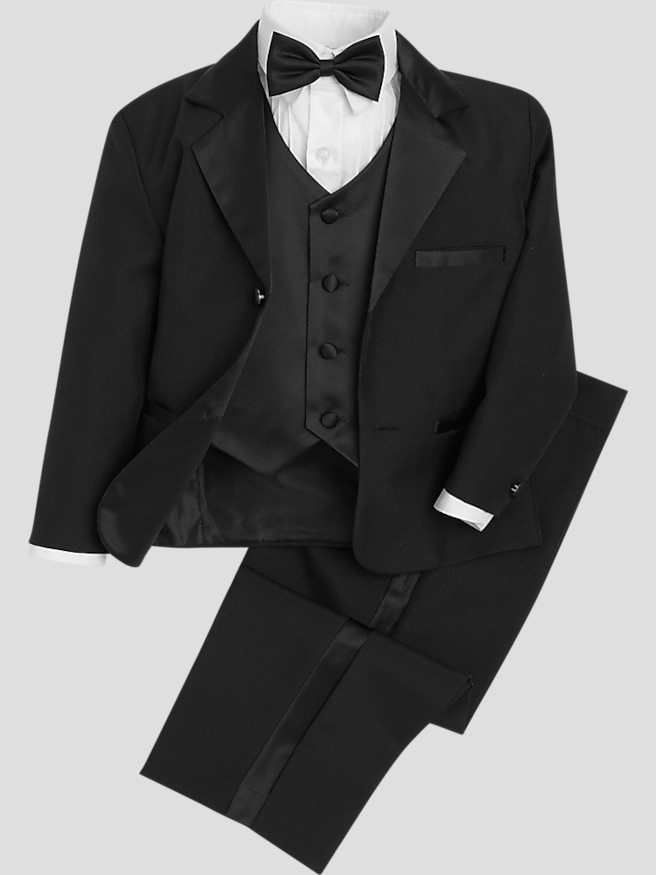
Boys’ suits in size 12 bring a coordinated, dressed-up look to weddings, school ceremonies, religious celebrations, and family portraits. A matching jacket and trousers create a clean foundation, while a vest can add another layer of polish for an occasion with a more formal dress code. Size 12 is a clothing size rather than a reliable indicator of age: two boys of the same age may need different sizes because of differences in height, chest measurement, waist, and proportions. Measurements and the garment’s size chart are more useful than an age label when choosing a suit that looks neat and feels comfortable. The jacket should sit smoothly across the shoulders, with its shoulder seams close to the natural shoulder edges, and button without pulling into an X-shaped crease across the front. Sleeves should leave the hands free, with a small amount of dress-shirt cuff visible when the arms rest at the sides. Trousers should stay comfortably at the waist without relying on an overly tight belt, and the seat and thighs should allow room to sit, walk, and climb stairs. These details matter when a boy needs to stand for a ceremony, take a seat for dinner, and join a group photo without repeatedly tugging at his clothes. Regular, slim, and husky sizing describe different proportions, not simply different trouser lengths, and their measurements vary by maker. A slim cut may suit a narrower frame, while a fuller cut can provide additional room through the torso or waist without unnecessary extra length. For a boy between sizes, comparing chest, waist, and height measurements with the charts for both size 12 and Boys Suits Size 10 can help clarify which proportions are closer. A suit should have enough ease for movement, but excessive growing room can leave the shoulders drooping and the trousers bunching over the shoes.
Fabric and construction influence how a size 12 suit feels throughout an event and how well it holds its shape afterward. Wool fabrics can offer a soft hand, natural resilience, and a fluid drape that helps a jacket hang cleanly. Polyester blends often contribute durability and resistance to wrinkling, while fabrics with a small amount of stretch may provide extra give when a boy reaches forward or settles into a chair. Fiber content alone does not tell the whole story; the weave, lining, seam construction, and overall cut also affect comfort. A smooth lining can help a jacket slide over a dress shirt rather than catch at the shoulders or sleeves. Neatly finished seams, secure buttons, and reinforced areas around pockets are useful details in clothing that may see repeated celebrations or eventually be passed along to a younger sibling. Adjustable waistbands, when included, can fine-tune the fit through modest changes in waist size, though they cannot correct trousers that are too narrow through the seat or too short in the rise. The best balance is a crisp outline with enough room for ordinary movement, not a stiff silhouette that makes every gesture feel restricted. Navy, charcoal, and medium gray lend themselves to a wide range of dress codes and shirt colors; black offers a more formal appearance when the occasion calls for it. Subtle texture or a restrained pattern can add depth without distracting from a coordinated family portrait. A solid suit also leaves room for personality in a tie, pocket square, or shirt, whether the preference is a quiet blue combination or a brighter accent that echoes the event’s colors. For a wedding participant, the requested level of formality and color palette help shape the choice. For school recognition events or family gatherings, a versatile suit with straightforward styling can feel appropriate without looking overly elaborate.
The pieces worn with a boys’ size 12 suit help determine whether the finished outfit feels comfortable and intentional. A dress shirt should button easily at the neck, stay tucked when the arms lift, and fit smoothly under the jacket without excess fabric collecting at the waist. A tie should complement the scale of the shirt collar and jacket lapels rather than overwhelm a smaller frame, with its tip reaching roughly to the waistband. Dress shoes need enough room through the toes and a secure fit at the heel, especially for an event that involves walking down an aisle or standing on a stage. Trying the complete outfit together reveals details that are easy to miss when looking at the suit alone, including a shirt sleeve that disappears inside the jacket or a trouser hem that drags behind the heel. Hemming can refine trouser length, and some sleeve adjustments may be possible depending on construction; substantial shoulder changes are more involved, which makes a sound initial jacket fit especially important. For a gift, accurate measurements and input on the wearer’s preferred fit are more dependable than choosing by age. A suit intended for several occasions also benefits from thoughtful care between wears. The care label should determine whether a garment needs professional cleaning or allows another method, since washable fabric content does not necessarily mean the assembled jacket is washable. After an event, emptying the pockets and placing the jacket on a supportive hanger helps preserve its shape. Hanging trousers neatly reduces unnecessary creasing, and allowing both pieces to air before storage helps keep them fresh. Spills deserve prompt attention according to the care instructions rather than vigorous rubbing, which can spread a mark or affect the fabric’s surface. Following those instructions for cleaning and pressing helps protect the finish, seams, and lining. With appropriate fit and care, a size 12 suit can remain a dependable part of a boy’s wardrobe for occasions that call for something more polished than everyday clothes.