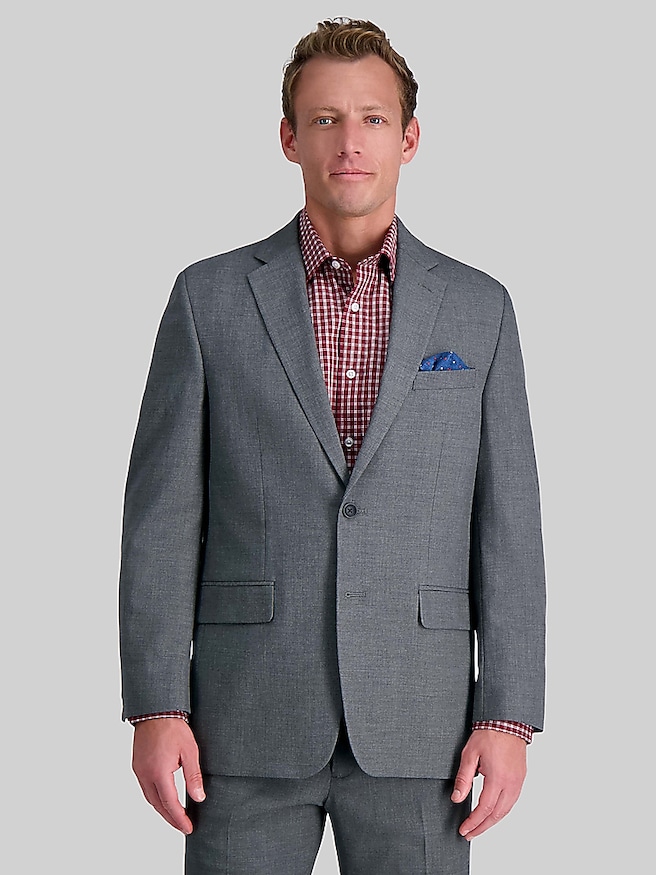
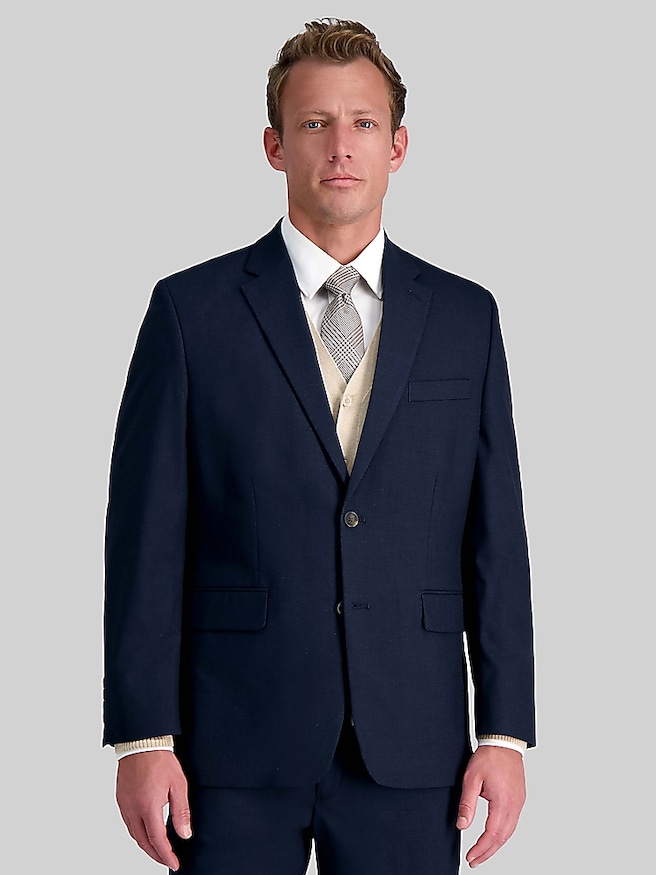
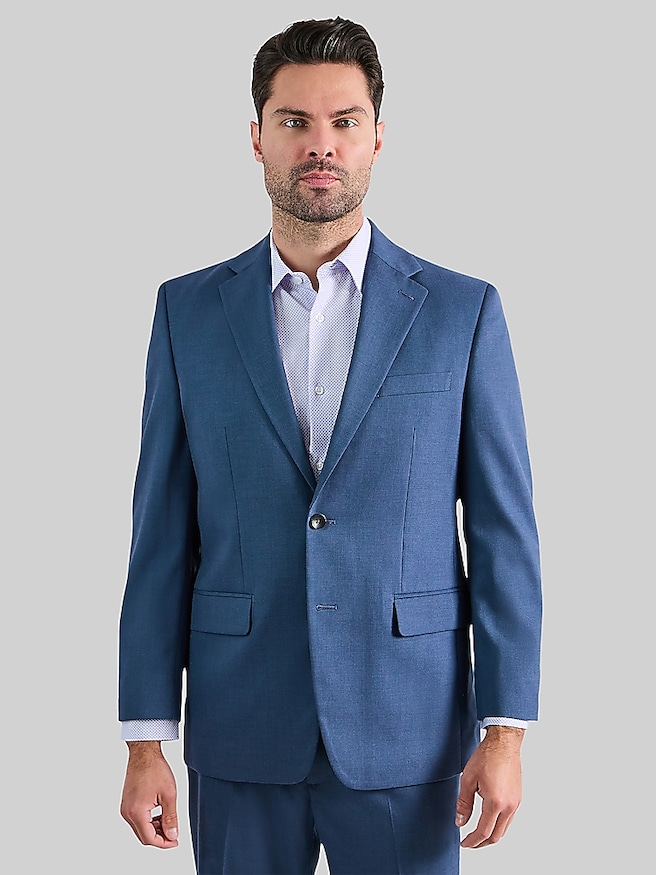
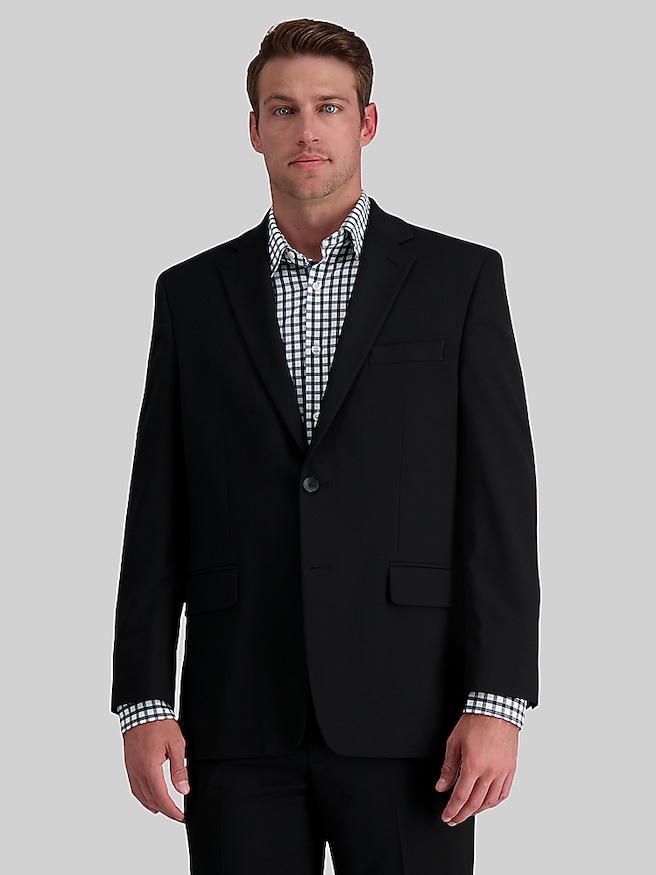
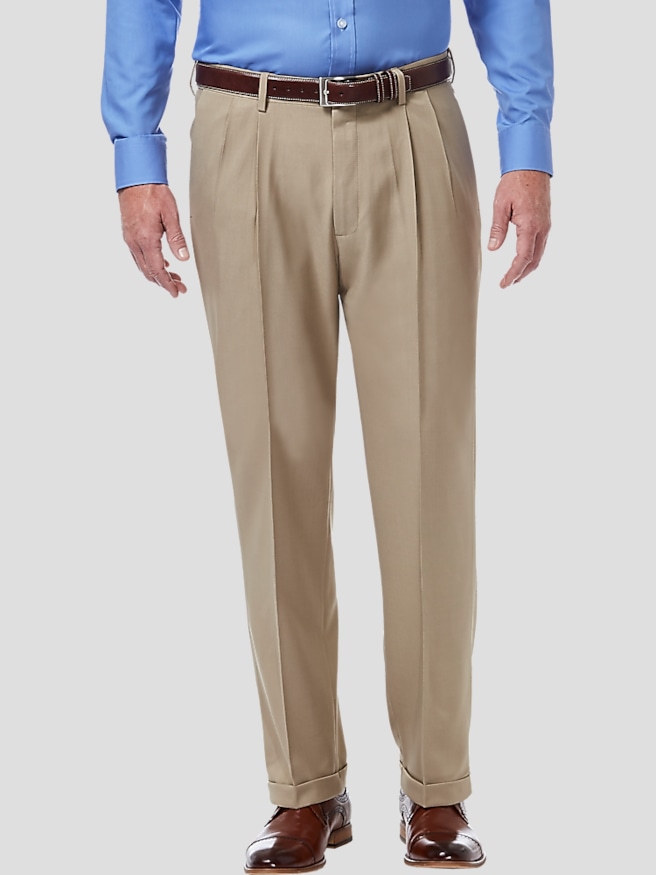
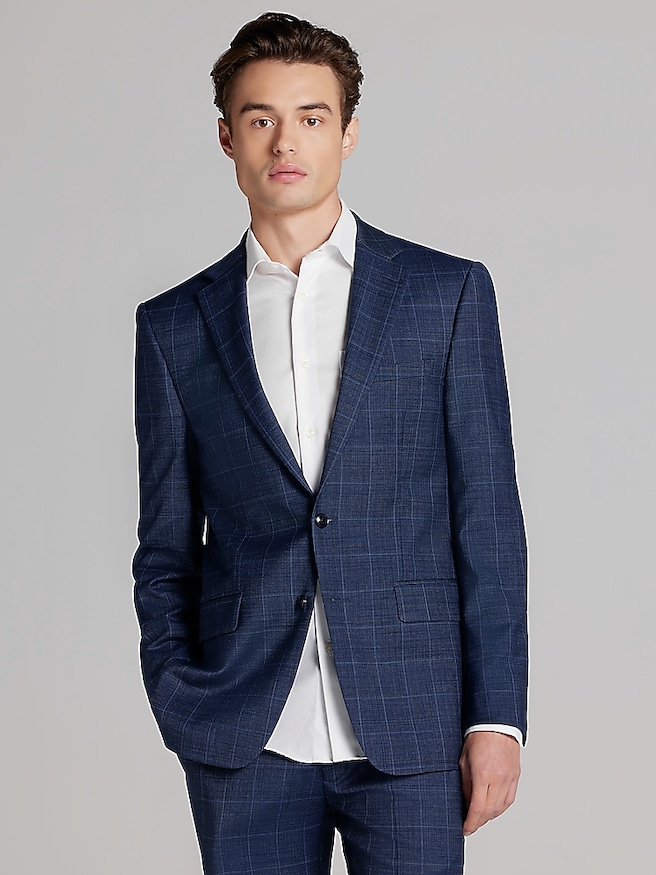
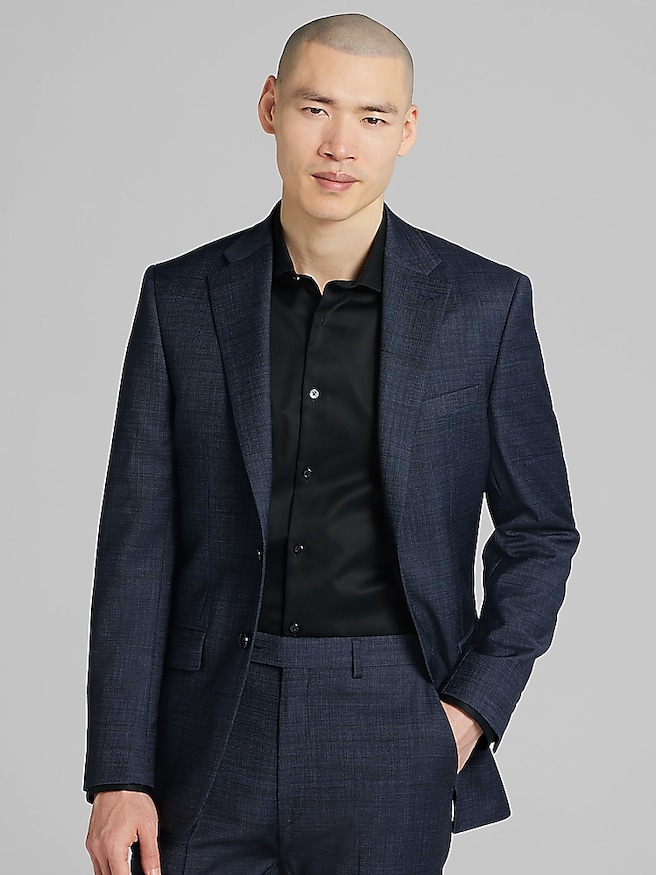
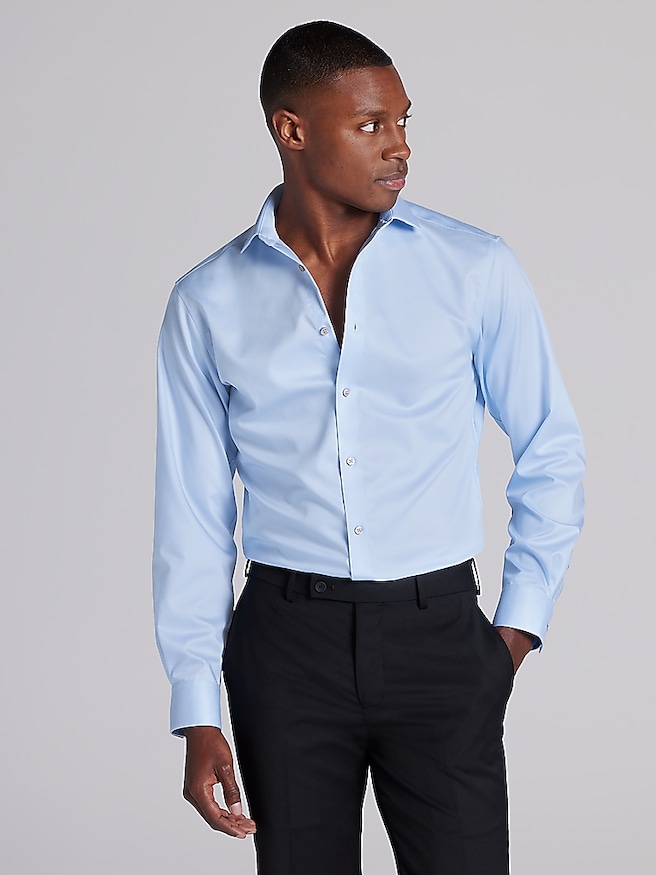
Board meeting outfits for men typically center on a polished, business-formal foundation that communicates confidence without distracting from the discussion. A well-tailored two-piece suit in navy or charcoal remains a dependable choice for traditional corporate settings, financial offices, legal environments, executive presentations, and other high-stakes meetings. Look for a clean, single-breasted silhouette with shoulders that lie flat, sleeves that finish neatly at the wrist, and trousers that sit comfortably at the waist with a streamlined break over the shoe. A solid white or light blue dress shirt creates the crisp contrast expected in a formal setting, while a conservative tie in a solid shade or subtle pattern adds structure and visual focus. The overall effect should look intentional from across a conference table: a smooth jacket front, a properly tucked shirt, an orderly collar, and trousers that maintain their shape while seated or standing. Fit matters more than excess detail. Clothing that is too loose can appear careless, while an overly tight fit may restrict movement during a presentation or make long meetings uncomfortable. Consider the room, the company culture, and the responsibilities of the day when choosing from the recommended assortment. An executive addressing a board may favor a traditional dark suit and polished leather footwear, while an attendee in a more contemporary office may prefer a softly tailored jacket with coordinated dress trousers. Even in relaxed industries, a refined foundation makes it easier to adjust your look upward when the conversation turns formal.
The finishing pieces help bring board meeting outfits for men together with a sense of consistency. Leather Oxfords or Derbies in black or deep brown offer a formal, grounded appearance, and they should be clean and well polished before an important meeting. A slim leather belt should coordinate closely with the footwear rather than compete with it, creating an uninterrupted line through the outfit. For a restrained finishing touch, a flat-folded pocket square in white or a discreet pattern can add texture without becoming the center of attention. A slim watch with a leather or simple metal strap is practical and professional; matching its metal tone with other visible hardware creates a quiet sense of order. Keep accessories purposeful, especially when the meeting includes senior leaders, clients, or a formal presentation. Color can be used with care: navy, charcoal, white, light blue, burgundy, and muted gray provide versatility across many professional settings, while subtle stripes or small patterns add interest without overwhelming the room. During the cooler months, fabric weight becomes an important consideration. A comfortably structured suit or jacket can provide warmth without appearing bulky, and fine-gauge knit layers may work in offices with a contemporary dress code when paired with tailored trousers and refined footwear. The goal is comfort that remains visually composed from the first greeting through the final handshake. If travel is part of the schedule, choose wrinkle-resistant materials when available, pack the jacket carefully, and allow garments time to recover before wearing them into the meeting.
These recommended pieces can serve a range of professional needs, from a first major presentation to a new leadership role, an annual review, a client-facing appointment, or a milestone gathering where a polished appearance feels appropriate. They can also make thoughtful gifts for a graduate entering a corporate role, a family member preparing for interviews, or a professional building a more versatile wardrobe. When selecting an outfit for someone else, focus on adaptable colors, classic proportions, and comfortable sizing that can support several dress codes rather than a single occasion. A dark suit, light dress shirt, coordinating tie, and polished footwear can move from a boardroom to an awards dinner with only small changes in accessories. For a modern office, a tailored jacket and dress trousers may offer the right balance between authority and ease, especially when the organization does not require a full suit. Checking the meeting invitation, workplace expectations, location, and forecast can help determine the appropriate level of formality, while keeping an extra layer available during cooler weather adds practical flexibility. For related milestone dressing, explore Retirement Party Outfits For Men. Whether the setting calls for traditional business formal attire or a refined contemporary interpretation, the strongest choices are those that fit comfortably, coordinate naturally, and allow the wearer to stay focused on the people and ideas around the table.