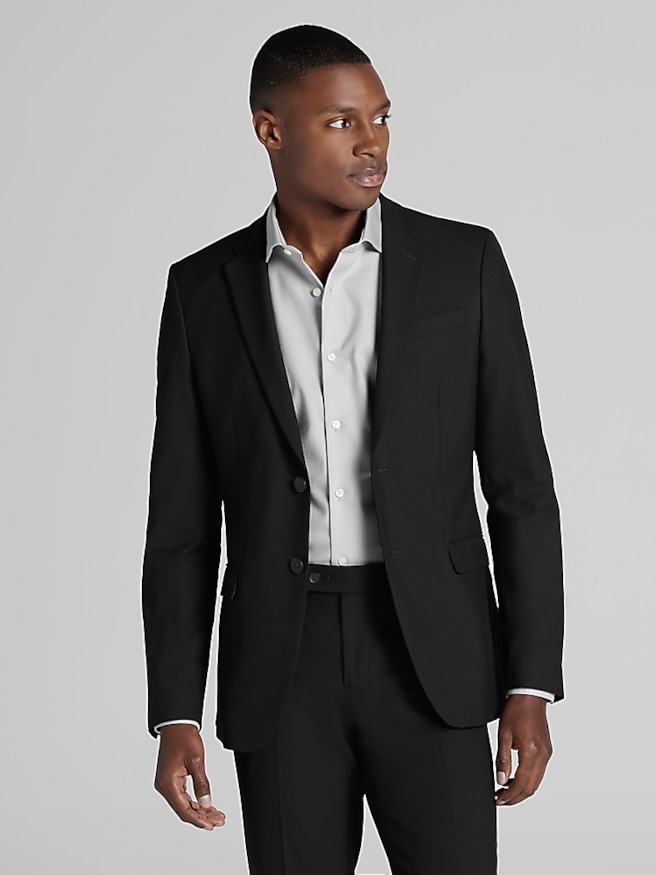
Business attire for meetings ranges from matching suits and dress shirts for formal settings to tailored separates and refined knitwear for business casual workplaces. The appropriate level of formality depends on the organization’s dress code, the purpose of the meeting, and the people attending. A board presentation, executive interview, or first conversation with a prospective client often calls for a more structured outfit than a routine team check-in. A navy or charcoal suit with a collared shirt creates a composed foundation, while a tie adds definition when traditional business dress is expected. In a less formal office, a sport coat with dress pants or chinos can look professional without feeling overly formal. A fine-gauge sweater or knit polo may also fit an established business casual environment, provided its shape, condition, and proportions look neat. These distinctions matter because meeting clothes do more than satisfy a dress code: they help establish a visual tone before the conversation begins. Quiet colors and restrained patterns tend to keep attention on the person speaking rather than the outfit. A pale blue shirt beneath a dark jacket, a subtle checked fabric, or a textured tie can add interest without competing with a presentation or distracting across a conference table. For professionals moving between internal discussions and client appointments, coordinated layers offer flexibility throughout the workday. The same tailored pants can feel more formal with a jacket and tie or more relaxed with an open-collar shirt. On video calls, a clean collar and a jacket that sits smoothly across the shoulders help create a polished appearance within the camera frame. In person, the full outfit matters, including pressed trousers and well-kept shoes. Business meeting clothing works best when it feels appropriate to the setting and comfortable enough that adjusting a cuff or tugging at a waistband never becomes the focus.
Materials and fit shape how business clothing looks and feels over hours of sitting, standing, and moving between appointments. Wool suiting is valued for its drape, breathability, and natural resilience, making it a useful foundation for professional wardrobes. Wool blends can offer a balance of structure and practicality, while fabrics with a small amount of stretch may provide added ease through a seated presentation or a commute. Cotton dress shirts offer a crisp appearance, and some cotton blends or treated fabrics are designed to simplify upkeep. Fine-gauge knitwear provides a softer alternative to a woven shirt when the workplace allows it, especially beneath a jacket with enough room through the chest and upper arms. Fabric weight, weave, and lining all influence how a garment hangs; a polished surface alone does not determine comfort or durability. Fit deserves equal attention. Jacket shoulders should follow the body without extending noticeably past it, and the lapels should lie flat rather than bow away from the chest. A buttoned jacket needs enough ease to avoid pronounced pulling at the front. Shirt collars should sit comfortably at the neck, while sleeves should allow natural movement without excess fabric bunching beneath a jacket. Trousers with an appropriate rise and room through the seat are especially valuable during long meetings. A clean leg line and an intentional hem length help the outfit look finished, whether the cut is slim, straight, or more relaxed. Long-term wear also depends on construction and care. Secure buttons, even seams, and pockets that lie flat contribute to a tidy appearance through repeated use. Care labels provide the most reliable direction for cleaning, pressing, and steaming, since fibers, finishes, and linings do not all respond the same way. Sturdy, shaped hangers help support jackets between wears, while shirts and trousers benefit from being stored without crowding. Prompt attention to spots, loose threads, and missing buttons helps keep dependable workwear ready for the next important conversation. Rotating garments also gives fabrics time to recover rather than subjecting the same outfit to continuous wear.
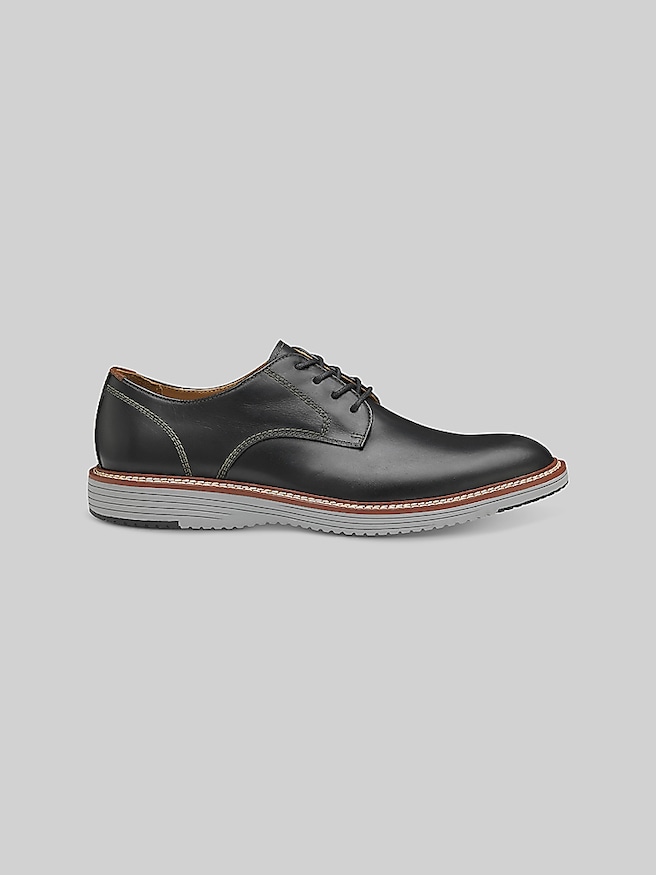
The finishing pieces of a meeting outfit should support its level of formality without making it feel overworked. Leather lace-up shoes are a traditional companion to a business suit, while streamlined loafers can suit many tailored business casual combinations. Shoe condition often makes as much difference as style: clean uppers, maintained soles, and tidy laces help the entire outfit look considered. A belt in a complementary leather tone brings continuity to trousers with belt loops, and socks that relate to the pants create a quieter visual line when seated. Ties offer another way to adjust the impression of familiar clothing. A small-scale pattern or subtle texture can distinguish a plain shirt and suit without overwhelming them, while an open collar keeps the same foundation more relaxed where the dress code permits. Accessories are most effective when they leave room for the conversation, with restrained proportions and minimal visual clutter. For workplaces that move beyond traditional suiting, Modern Business Attire reflects a related approach to professional dressing through clean lines, balanced proportions, and coordinated separates. The practical appeal of a meeting wardrobe lies in how well its components work together. Neutral trousers, versatile jackets, and shirts with compatible colors make it easier to dress for a morning planning session, an afternoon client visit, or a professional networking appointment without building a separate outfit for every occasion. For business travel, fabrics described as wrinkle-resistant or easy-care may help reduce maintenance, though packing methods and garment-specific care still matter. For an all-day workshop or extended negotiation, comfortable waistbands, breathable fabrics, and sleeves that move freely can be more valuable than decorative details. Professionals entering a new role, returning to an office, or taking on more public-facing responsibilities often benefit from clothing that feels polished without feeling unfamiliar. The strongest business attire for meetings combines that sense of ease with a clear respect for the setting: well-proportioned clothing, thoughtful coordination, and dependable pieces that keep attention on the work.