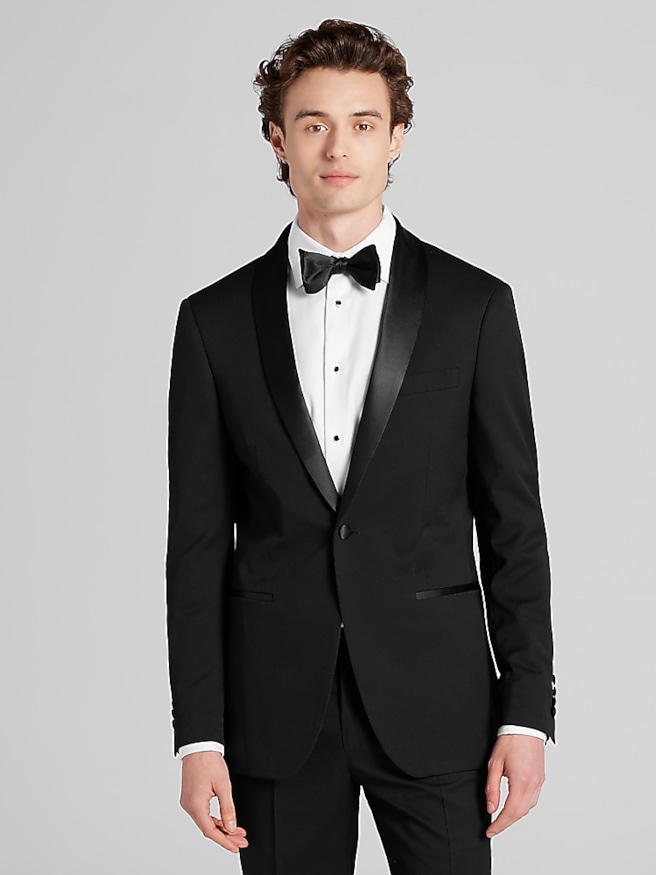
A black-tie wedding calls for a level of formality that goes beyond a conventional business suit. Traditionally, the foundation is a black or midnight blue tuxedo with a clean, refined silhouette and a jacket finished with satin or grosgrain facings on the lapels. Peak lapels create a crisp, architectural line, while shawl lapels offer a smoother, more understated profile; either can look especially polished when the proportions complement the wearer’s build. The matching trousers typically feature a single satin stripe along the outer seam, helping create the uninterrupted, lengthening effect that makes formal eveningwear so distinctive. When browsing black-tie wedding suit styles, pay attention to the details that are easiest to overlook in a product photo: the jacket should lie flat across the shoulders, the collar should rest neatly against the neck, and the sleeves should allow a small, intentional glimpse of shirt cuff. A tailored fit should feel comfortable when seated, greeting guests, or lifting a glass, without excess fabric pooling around the waist or pulling across the chest. Midnight blue can appear nearly black in low light while revealing a subtle depth of color outdoors or beneath reception lighting, whereas traditional black offers a timeless, highly versatile appearance. For additional formal inspiration, explore Black Tie Evening Suit styles that can transition smoothly from a wedding ceremony to an elegant evening celebration.
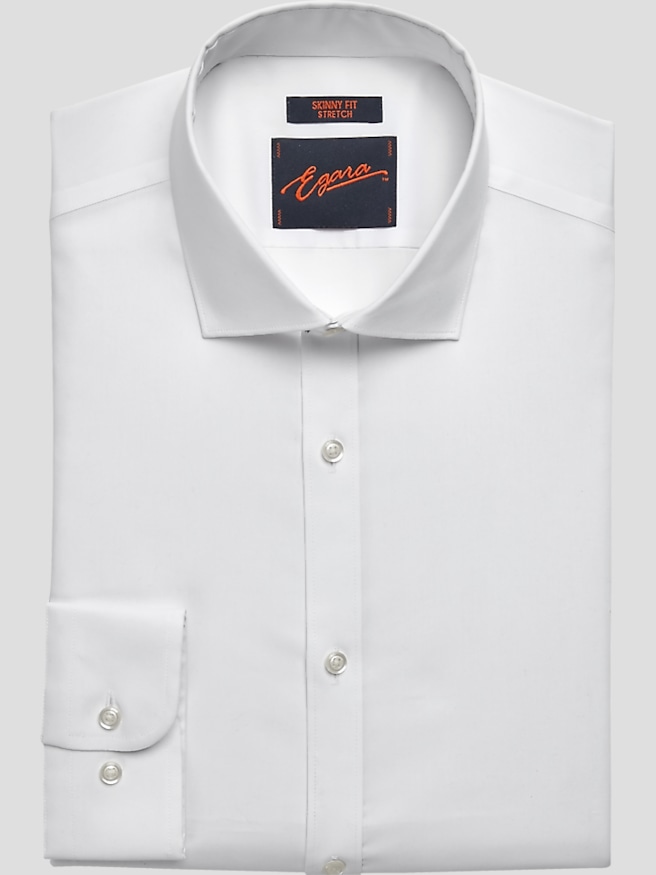
The rest of the outfit should support the tuxedo rather than compete with it. A white formal dress shirt is the classic choice, with a structured collar and either a pleated or pique bib front for added texture. French cuffs paired with understated cufflinks bring a composed finish, while shirt studs can replace ordinary buttons when the design calls for a more traditional presentation. With strict black tie, a self-tied black silk bow tie is the customary choice; its slight variation in shape gives the outfit a more authentic, personal character than a perfectly uniform pre-tied version, though a well-made pre-tied style can be a practical option for anyone unfamiliar with tying one. Black patent leather shoes are a classic match, while highly polished black formal lace-ups offer a little more versatility for future occasions. Keep the footwear sleek and free of heavy detailing, since the clean line from trouser hem to toe is an important part of the overall look. A cummerbund or low-profile waistcoat may be added to cover the shirt fabric at the waist, particularly with a single-breasted jacket worn open, but it should coordinate with the bow tie and lapel facing rather than introduce a new color. Small finishing touches matter at weddings, where photographs capture details from every angle: choose a neatly folded pocket square, keep jewelry restrained, and make sure the trouser break is intentional. These pieces can be purchased together for a coordinated wardrobe or selected separately as useful gifts for a groom, groomsman, father of the couple, or guest who is building a formalwear collection. A pair of cufflinks, a bow tie, or formal shirt can be especially thoughtful for someone preparing for a wedding, because each item can be worn again at galas, charity dinners, milestone celebrations, and other evening events.
When choosing black-tie wedding attire, consider the invitation, venue, time of day, wedding party expectations, and whether the celebration includes a particularly traditional dress code. A ceremony in a grand ballroom or historic hotel may suit the full classic treatment, while an outdoor evening reception can still call for black tie with a lighter, more breathable shirt and thoughtful layering for the cooler air after sunset. During the cooler months, a formal overcoat in black, charcoal, or another restrained neutral can preserve the sleek appearance while providing warmth between the car, ceremony, and reception; avoid casual outerwear that changes the tone of the outfit. If several members of a wedding party will dress alike, coordinating the lapel style, shirt front, bow tie, and waist covering creates a unified appearance without requiring every person to have the same body type or exact fit. Those deciding whether to buy or rent should think about frequency of use, alteration needs, and the value of having dependable formalwear ready for future invitations. Renting may make sense for a one-time role or a highly specific fit, while purchasing can be worthwhile for someone who attends formal weddings, evening fundraisers, professional celebrations, or holiday events. Before the wedding day, try on the complete ensemble with the actual shoes and accessories, sit down to check comfort, and allow time for alterations rather than relying on last-minute adjustments. A little preparation prevents common distractions, such as a bow tie sitting unevenly, trousers breaking too heavily over the shoes, or a jacket that feels restrictive during dinner. The best black-tie wedding look is polished but natural: every element fits well, feels comfortable through a long celebration, and lets the wearer focus on the vows, the photographs, and the people gathered for the occasion.