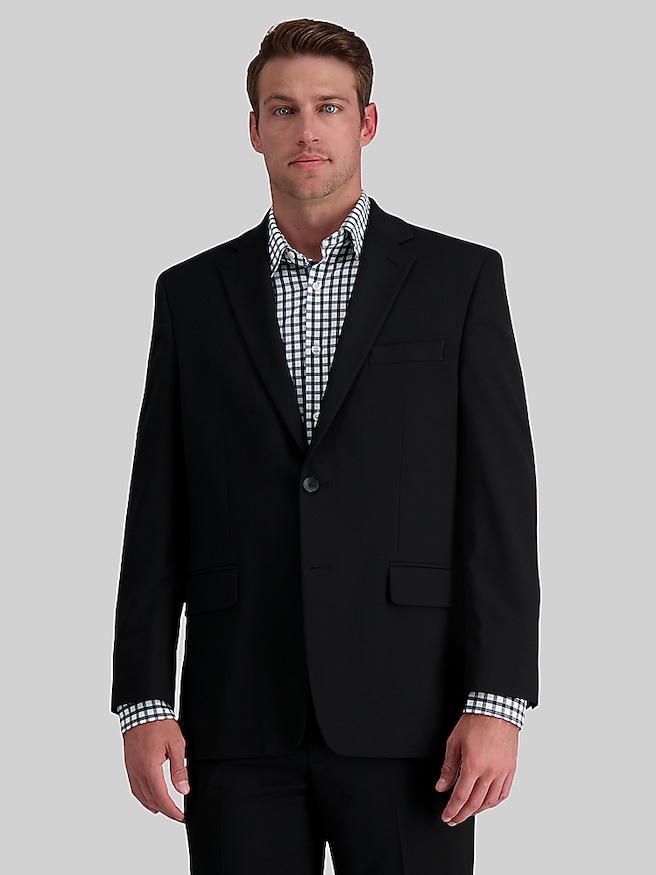
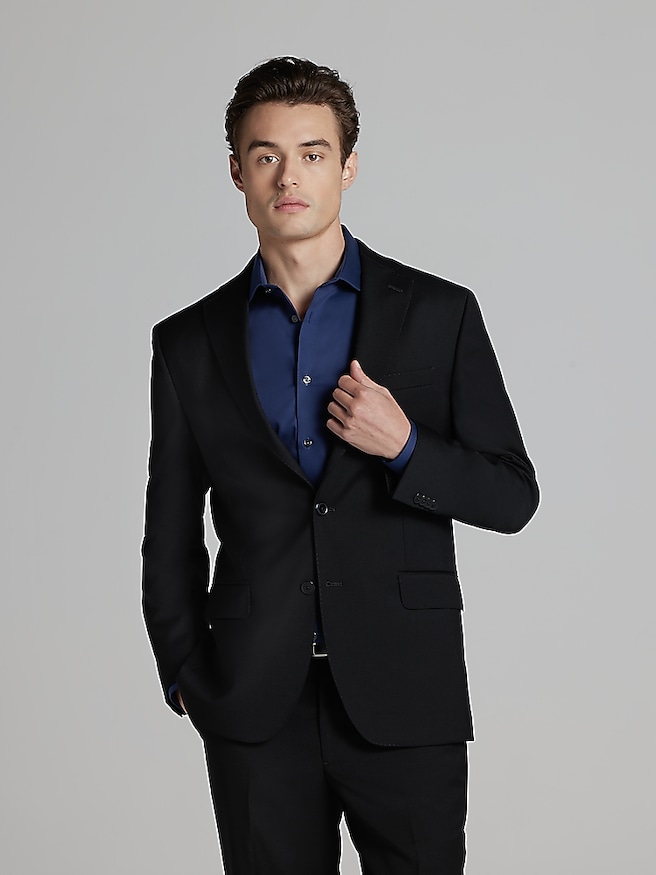
Black dress wear brings a polished, dependable character to a man’s wardrobe, making it a natural choice for formal celebrations, professional occasions, evening events and any setting where a sharp appearance matters. This collection of black dress wear is designed for those moments when clothing should look refined without feeling overcomplicated. A well-chosen black suit can serve as the foundation for weddings, conferences, dinners and ceremonies, while a tuxedo offers a more elevated finish for black-tie celebrations and special evening gatherings. For a more flexible look, black dress trousers can be paired with a crisp white shirt, a subtle patterned shirt or a tailored jacket in a complementary shade. The appeal of black is its ability to create a clean, cohesive silhouette while working comfortably with many colors and textures. A white shirt provides classic contrast, jewel tones add depth during the cooler months, and shades of gray, burgundy or deep blue can create a sophisticated combination without competing with the dark base. Fit remains one of the most important considerations. Shoulder seams should sit naturally at the edge of the shoulders, sleeves should allow a small amount of shirt cuff to show, and trousers should fall cleanly without excessive bunching at the ankle. The right length and proportion can make even a simple outfit feel intentional, especially when the wearer needs clothing that looks composed from the ceremony through the final photographs. Black dress wear also makes a thoughtful gift for a graduate beginning a first professional wardrobe, a family member preparing for formal occasions or someone building a versatile closet for work and celebrations. When choosing for another person, consider their usual fit, preferred cut and the kinds of events they attend. A classic, streamlined silhouette is often the safest choice, while details such as stretch fabric, adjustable waist construction or a more relaxed fit can make the garment easier to wear regularly.
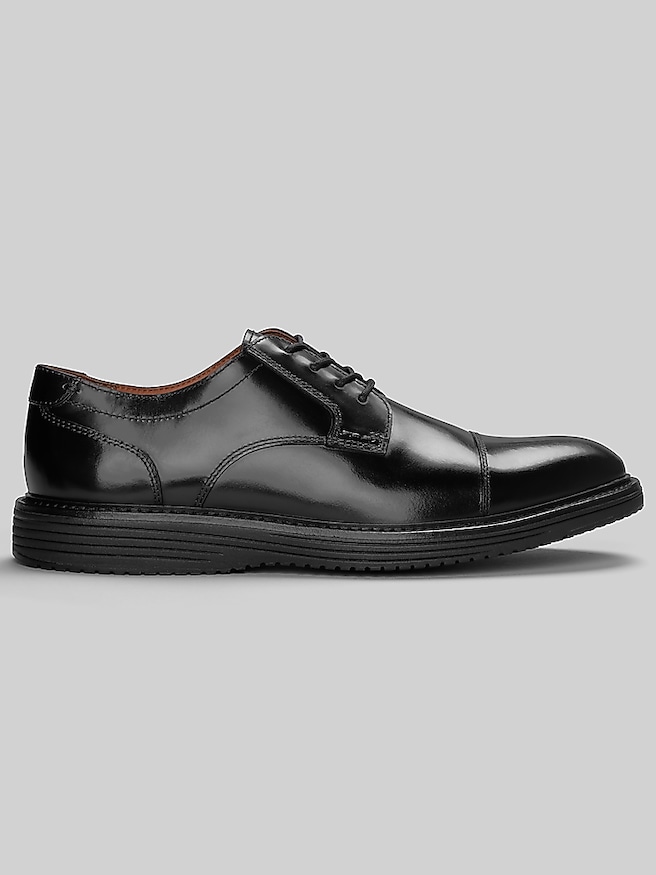
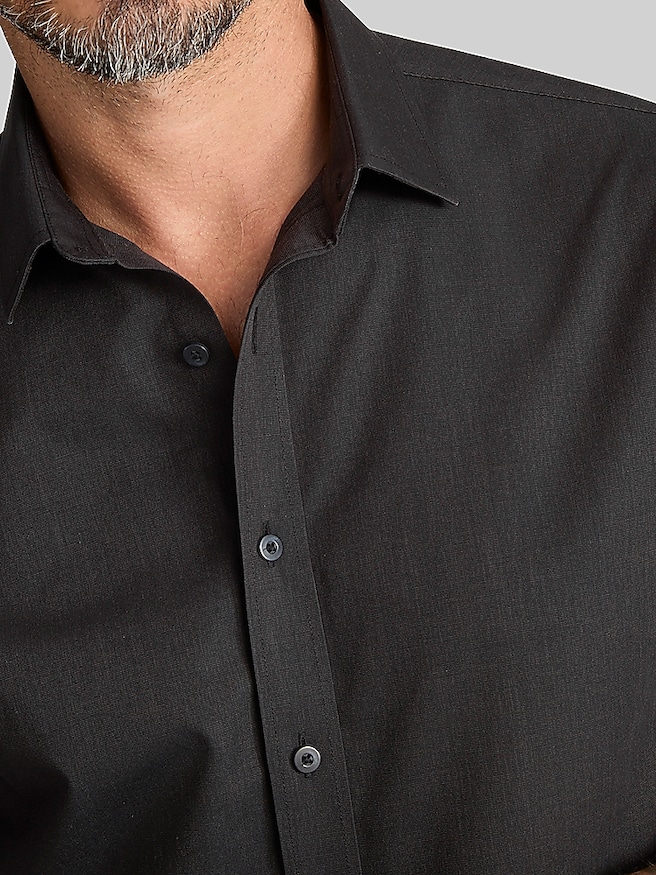
The finishing pieces help determine whether black dress wear feels traditional, modern, understated or distinctly formal. A dress shirt with a structured collar creates a crisp frame around the face, while a softer collar and textured fabric can give the outfit a more relaxed evening feel. Ties in solid colors, restrained stripes or subtle patterns can add personality, and a pocket square offers a small but memorable detail when its color relates to the shirt or tie without matching too precisely. For formalwear, coordinated accessories create the clean appearance expected at black-tie events; for business or social occasions, the same black foundation can be made less formal with a simpler shirt, a discreet belt and polished leather footwear. Shoes should support the occasion and the overall line of the outfit. Classic Black Dress Oxfords offer a timeless, streamlined profile with suits and formal trousers, while other refined dress silhouettes may provide a slightly different balance depending on the shape of the trouser leg and the level of formality required. Matching the belt to the shoe color creates an easy sense of order, and dark socks help preserve a continuous appearance when sitting or walking. Small details matter more than many people expect: remove temporary stitching before wearing a jacket, check that shirt cuffs are comfortable beneath the sleeves, and make sure pockets are not overfilled. These practical touches prevent an outfit from looking strained. During the cooler months, a tailored overcoat can be layered over black formalwear without disrupting its clean lines, while a textured scarf or understated gloves can add warmth for travel between the car, venue and reception. Black dress wear is especially useful for wardrobes that need to move between settings. The same trousers may accompany a jacket for a daytime gathering, then pair with a dressier shirt and accessories for an evening dinner. A suit can be worn as a complete set for a ceremony and later separated into multiple outfits, helping the investment work beyond a single date on the calendar.
When preparing for an important event, allow enough time to try on the complete outfit rather than evaluating each piece separately. A jacket that feels comfortable over a shirt may fit differently once a vest or heavier layer is added, and trousers can appear longer or shorter depending on the footwear worn with them. Walking, sitting and raising the arms are useful checks, particularly for weddings, long receptions and workdays that involve travel. It is also worth considering the venue and time of day. An evening celebration may call for a more formal black ensemble, while a daytime ceremony may feel best with a lighter shirt, restrained accessories and a less severe overall contrast. The right garment should support the wearer rather than distract from the occasion, allowing him to greet guests, pose for photographs, present in a meeting or enjoy dinner with confidence. Care contributes to that lasting impression. Follow the garment’s care instructions, use a suitable hanger for tailored jackets, brush away surface lint and give formal clothing time to air after wear. Storing dress shoes with support helps them retain their shape, and keeping ties, belts and pocket squares together makes future dressing easier. These habits are particularly helpful when black dress wear is reserved for special occasions and spends more time in the closet between uses. Whether selected for a first interview, a formal family gathering, a holiday-season celebration or a new chapter in a professional wardrobe, black dress wear offers a reliable starting point with room for personal expression. With a considered fit, appropriate layers and polished finishing touches, these garments can carry the wearer through changing seasons and a wide range of meaningful occasions while maintaining the composed, confident appearance that makes classic formalwear endure.