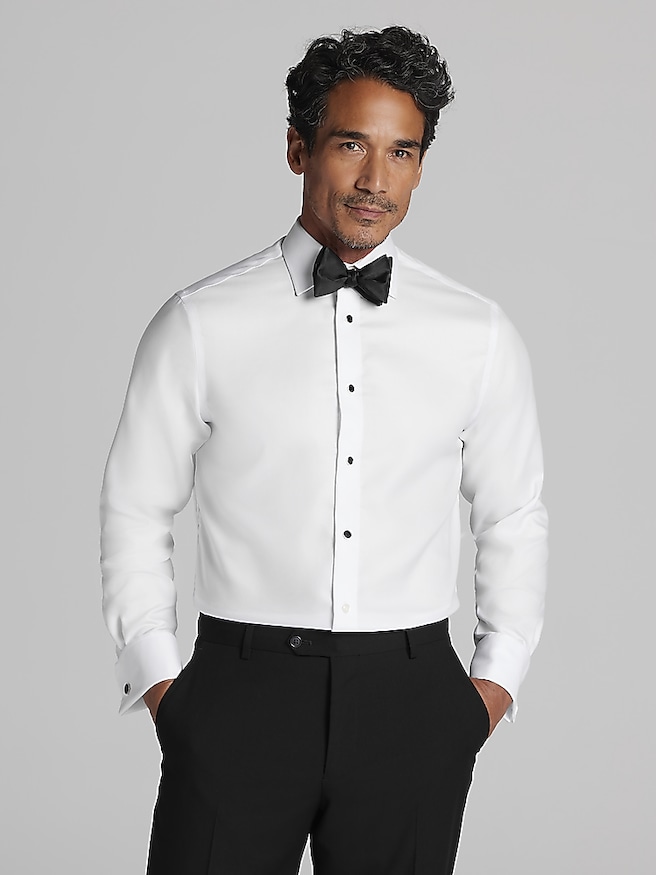
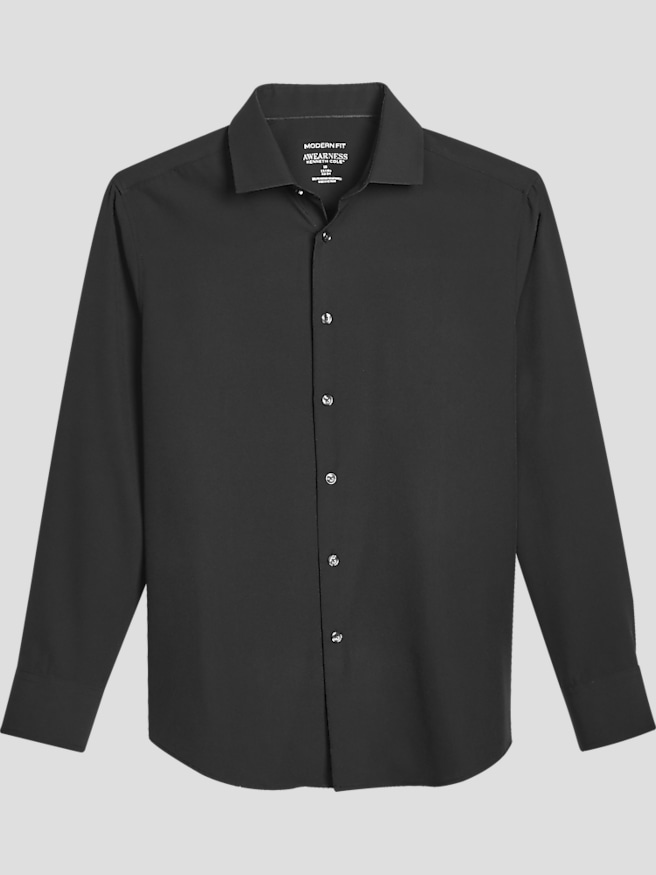
Black and white semi-formal attire combines tailored clothing with a restrained, high-contrast palette: a black suit or coordinated dress separates, a white dress shirt, and polished black dress shoes. The overall effect is dressier than business casual without requiring the tuxedo and ceremonial details associated with black tie. For men attending a wedding reception, cocktail party, awards dinner, or engagement celebration, these pieces offer a polished foundation that feels appropriate in photographs and comfortable across a full evening. A black suit with a white shirt creates the clearest expression of the look, while a black blazer and tailored black trousers can introduce subtle variation in texture. Matching suit separates should look intentionally coordinated; noticeably mismatched shades of black or competing fabric finishes can interrupt an otherwise clean outfit. A white dinner jacket creates a more distinctive contrast, although its traditional eveningwear associations make the invitation and venue especially important. Semi-formal does not automatically mean a bow tie, satin lapels, or patent leather shoes. A conventional suit, a neatly proportioned tie, and smooth leather footwear often provide all the refinement the occasion needs. Where the invitation allows a more relaxed interpretation, an open shirt collar can work beneath a structured jacket, provided the shirt sits neatly and the rest of the outfit remains dressy. At a seated reception with speeches and dancing afterward, that balance helps the clothing feel considered without looking like a uniform. The appeal of black and white is its clarity: the shirt brightens the face, the jacket frames the shoulders, and dark trousers maintain an uninterrupted line through the lower half. With so little color competing for attention, details such as a well-shaped collar, clean trouser hems, and carefully maintained shoes become especially noticeable. These are versatile wardrobe components for anyone who attends celebrations regularly, as well as a practical starting point for a first formal-leaning wardrobe.
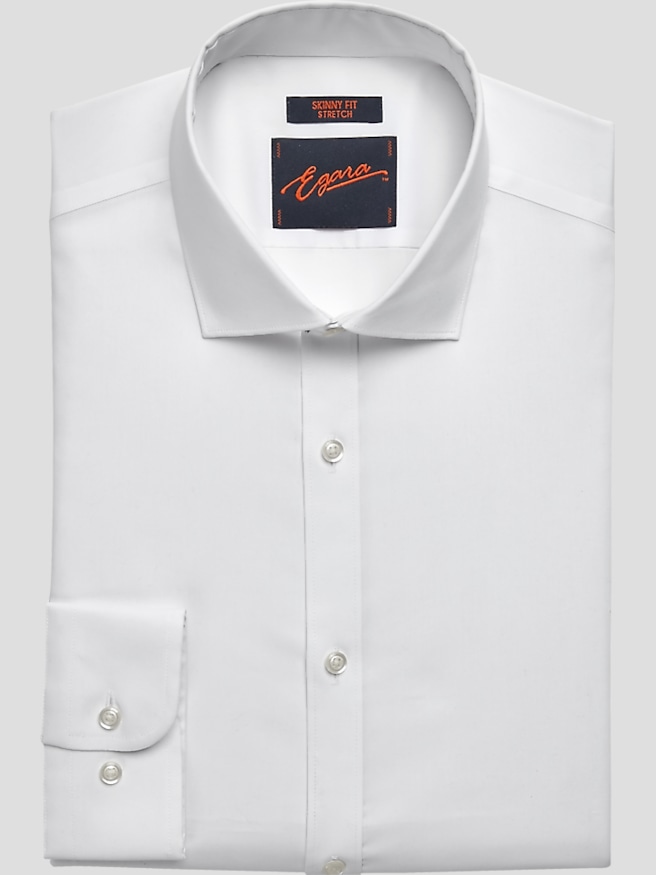
Fabric and fit give black and white semi-formal clothing much of its character. Wool suiting offers a refined surface and natural drape, while wool blends can combine that tailored appearance with other performance or maintenance characteristics, depending on their composition. Fine weaves tend to read as dressier than heavily textured cloth, and a matte black finish usually creates a quieter effect than pronounced shine. Stretch blends may provide added ease through seated dinners and crowded receptions, but sufficient room through the chest, seat, and thighs still matters; stretch is not a substitute for a suitable cut. A jacket should lie smoothly across the upper back, with shoulder seams close to the natural shoulder and lapels resting against the chest. Pulling around the front button, a collar that stands away from the neck, or sleeves that obscure the hands can distract from an otherwise sharp combination. Slim, tailored, and roomier silhouettes can all suit the theme when their proportions work together. Trousers need enough ease to sit comfortably without excessive fabric gathering beneath the jacket, and the hem should meet the shoes cleanly rather than pool around them. Beneath the jacket, white cotton poplin delivers a crisp, relatively smooth appearance, while cotton twill adds a subtle diagonal texture. Fabric weight and opacity deserve attention because a white shirt should maintain a polished appearance under indoor lighting. A smooth, close-fitting undershirt in a tone near the wearer’s skin can be less noticeable beneath white fabric than a bright white one. Collar shape also influences the finished outfit: a spread collar accommodates a fuller tie knot, while a point collar creates a narrower frame. A small amount of shirt cuff showing below the jacket sleeve adds definition without drawing attention away from the overall silhouette. For someone moving between a receiving line, a dinner table, and the dance floor, these fit details support both appearance and ease of movement.
Accessories complete the contrast without needing to compete with it. A black silk tie brings a subtle change in surface against a white shirt, while a restrained woven pattern can add depth within the same two-color palette. A white pocket square with a straight fold gives a black jacket a crisp finishing touch; its fabric need not match the tie exactly. Bow ties can also belong in semi-formal outfits, though the surrounding pieces should remain consistent with the event rather than imitate full black-tie dress. Black leather oxfords offer a particularly clean finish, and understated derbies or sleek dress loafers may suit less traditional settings. A black leather belt generally works best with similarly finished shoes, while trousers designed for side adjusters maintain a smooth waist without one. Dark dress socks preserve the line between trousers and footwear when seated. Small metal details, including a watch case, buckle, or cuff links, look most cohesive when their finishes are compatible rather than conspicuously mixed. For a similarly restrained outfit with less contrast, All-Black Semi-Formal Attire offers another interpretation of monochromatic dressing. Longevity depends as much on maintenance as on initial construction. Care labels determine whether a garment needs professional cleaning, machine washing, or another method, and repeated cleaning beyond what is necessary can be hard on some fabrics. Prompt attention to stains, sturdy jacket hangers, and space between hanging garments help preserve shape and appearance. White shirts benefit from careful collar and cuff cleaning, while black fabrics need appropriate washing and pressing to limit fading or unwanted shine. Leather shoes retain their finished appearance with suitable conditioning, polish, and time to dry naturally between wears. Dress accessories can also make thoughtful gifts for a graduate, a wedding guest, or someone building a wardrobe for professional celebrations, especially when clothing measurements are uncertain. Across repeated occasions, balanced proportions, sound construction, and attentive care give this simple palette its lasting appeal.