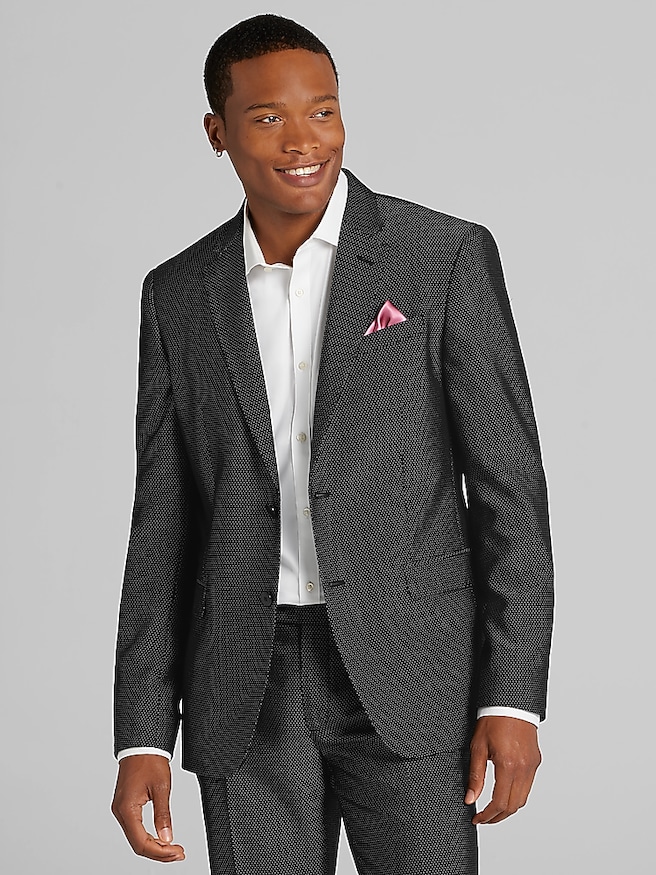
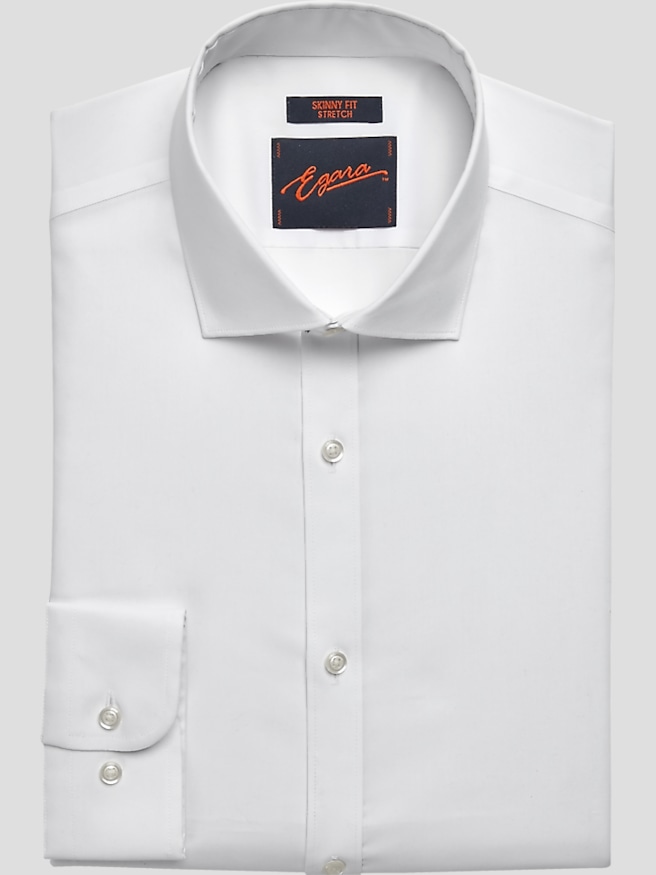
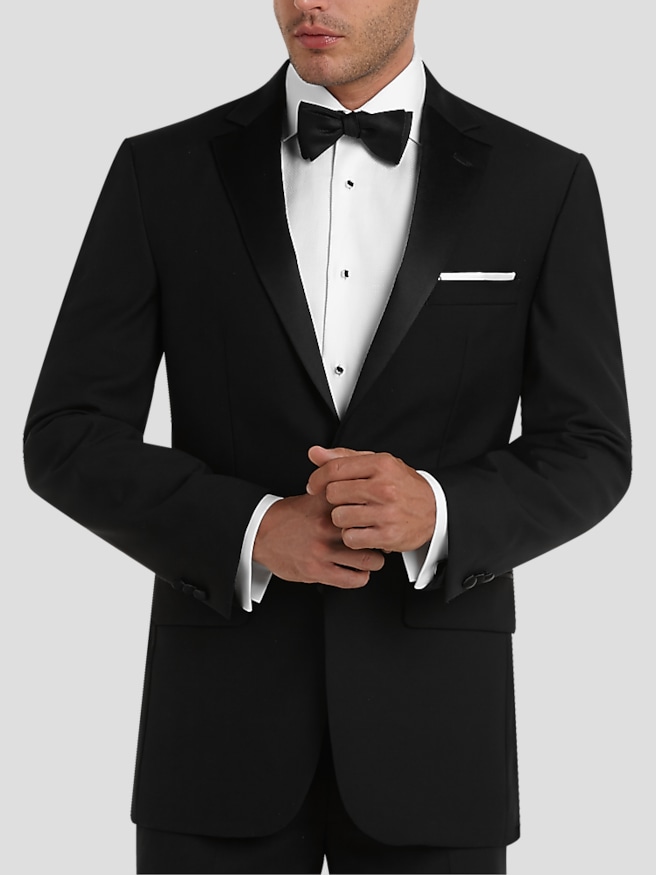
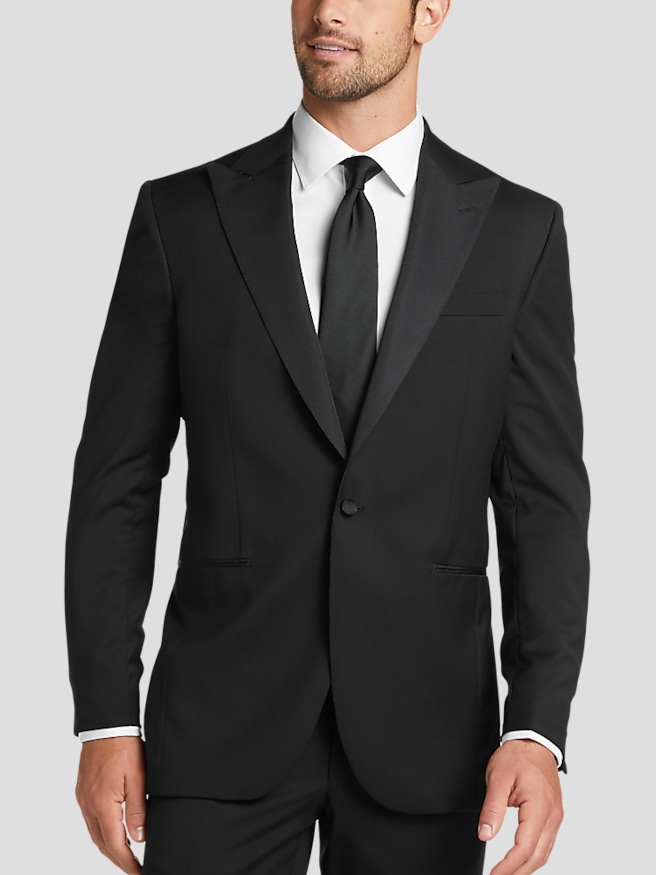
Black and white formal attire has a timeless appeal because it relies on contrast, proportion, and careful finishing rather than passing trends. For men, the foundation is often a black tuxedo or a sharply tailored black suit styled with a crisp white formal shirt, though a white dinner jacket with black trousers can create an equally polished evening look when the setting allows it. A traditional black-tie ensemble typically includes a tuxedo, a white shirt with a formal front, a black bow tie, a coordinated waist covering such as a cummerbund or vest, and highly polished black dress shoes. For events described as formal or semi-formal, a black suit, white shirt, dark tie, and refined leather shoes offer a versatile interpretation that feels dressed up without appearing overly ceremonial. The clean palette works especially well for weddings, galas, award ceremonies, evening receptions, holiday gatherings, and celebrations where photographs and first impressions matter. It also makes coordination easier: black grounds the outfit with a composed, evening-ready finish, while white brings brightness near the face and creates the crisp contrast associated with classic formalwear. If the invitation calls for a black-and-white theme rather than strict black tie, there is more room to adjust the balance. A white shirt with black tailoring is the most dependable approach, while subtle differences in texture—such as a smooth shirt against a lightly patterned jacket or a satin accent against a matte fabric—can add depth without interrupting the monochrome effect. When the dress code is unclear, the invitation, venue, time of day, and expected level of formality can help guide the choice. An evening ballroom event generally supports more traditional formal details, while a daytime ceremony or restaurant reception may call for a streamlined suit rather than a full tuxedo.
Fit is the most important consideration when choosing black and white formal attire. Dark clothing can look especially sharp when the shoulders sit naturally, the jacket closes without pulling, and the trousers fall cleanly with a modest break at the shoe. A white shirt should feel comfortable through the collar and chest while keeping its shape beneath a jacket; a collar that is too loose can make the entire outfit appear unfinished, while one that is too tight can become distracting over the course of a long event. Pay attention to sleeve and trouser length as well. A small amount of shirt cuff showing beneath the jacket sleeve adds a deliberate, tailored detail, and trousers should rest neatly over the shoe rather than bunching heavily at the ankle. Black formalwear also rewards thoughtful texture. A faint sheen on a lapel or tie can distinguish evening clothing from ordinary businesswear, while a matte wool or wool-blend suit may be more adaptable for ceremonies, professional celebrations, and daytime occasions. Accessories should support the high-contrast palette instead of competing with it. Black leather shoes, a matching belt when appropriate, dark socks, and restrained metal details keep the look cohesive. A white pocket square can echo the shirt, although it does not need to match it exactly, and a simple watch can provide polish without adding visual clutter. Grooming, pressing, and shoe care complete the impression. One of the most memorable formal looks is often not the most elaborate; it is the one that appears comfortable, intentional, and ready for the room. Before an event, try the full outfit together, sit and move in it, and check the look under both indoor and natural light. That small preparation can reveal a collar that needs adjusting, a hem that requires tailoring, or an accessory that feels out of place before the evening begins.
Black and white formal attire is also a practical choice for anyone building a dependable occasion wardrobe. A well-fitted black suit can serve for weddings, interviews, ceremonies, dinners, and formal work functions, while a tuxedo offers a dedicated option for black-tie invitations and milestone celebrations. These pieces may be especially useful for someone attending a first formal event, beginning a new job with a polished dress code, participating in a wedding party, or preparing for recurring celebrations during the cooler months. They can also make thoughtful gifts for a graduate, a son or partner preparing for a major ceremony, or someone who has recently taken on a role that calls for elevated dressing. When selecting formalwear as a gift, prioritize versatile sizing, adjustable details, and easy coordination. A classic black-and-white palette is forgiving because it pairs naturally with existing wardrobe staples, but fit remains personal, so gift cards, flexible exchanges, or professional tailoring options can be helpful. For couples and groups attending the same occasion, monochrome dressing creates a cohesive appearance without requiring identical outfits; guests can use different cuts, fabrics, and accessory choices while staying within the shared color scheme. Explore Black and White Party Attire for additional inspiration when the celebration has a specific color theme. Whether the goal is a traditional tuxedo silhouette, a modern black suit with a bright white shirt, or a coordinated outfit for a formal party, the strongest choices balance the invitation’s expectations with personal comfort. Leave enough time for alterations, allow room for layering when outdoor travel or cooler conditions are part of the occasion, and keep a garment bag available to protect the clothing between home, venue, and return trip. With clean lines, considered proportions, and a few well-chosen finishing touches, black and white formal attire can move easily from a quiet ceremony to a candlelit reception and continue looking appropriate long after the event has ended.