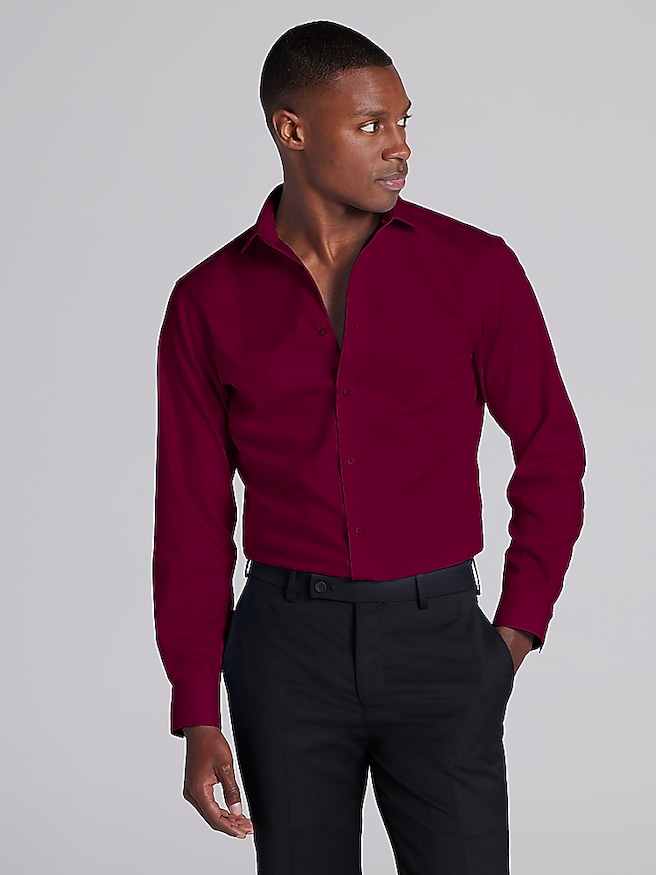
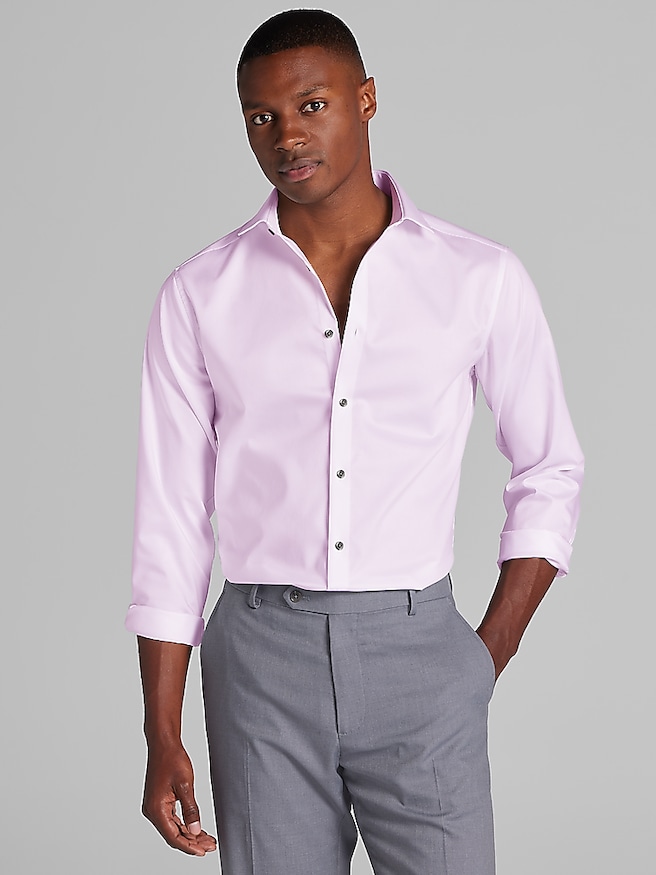
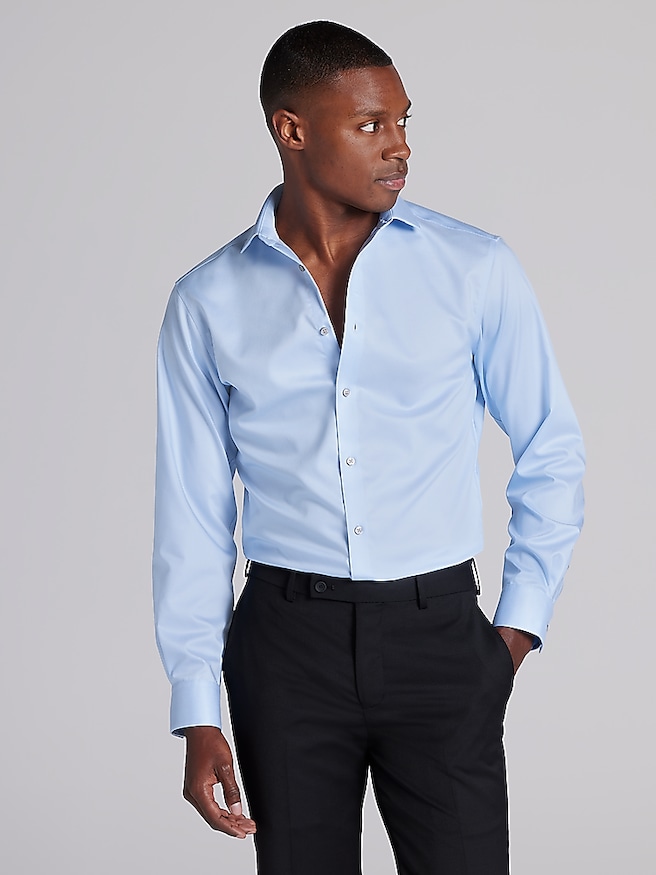
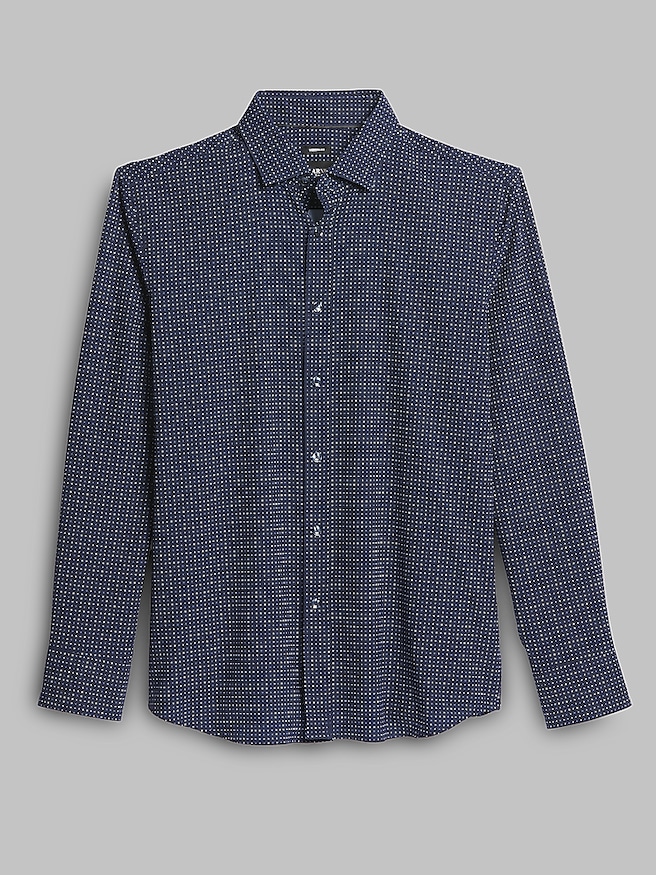
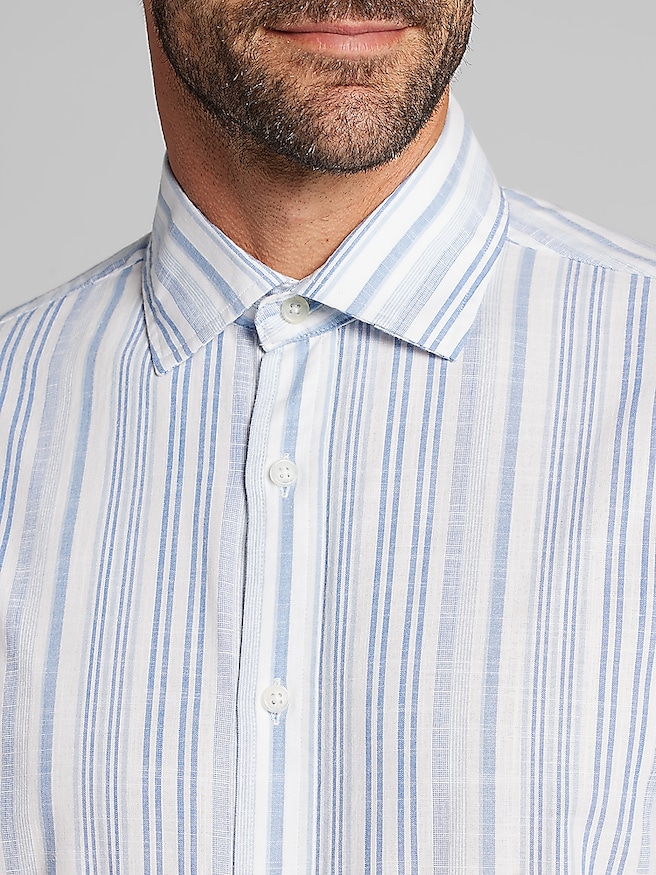
Big and tall Oxford shirts bring the familiar texture of Oxford cloth to proportions designed for broader builds, longer frames, or a combination of both. Oxford cloth is a woven fabric with a basketlike structure, giving it a lightly textured surface rather than the smooth finish associated with poplin or broadcloth. That texture is part of its appeal: an Oxford shirt looks polished without feeling overly formal, making it a natural choice for business casual offices, dinner plans, and everyday outfits that call for something more structured than a T-shirt. Cotton is a traditional choice for Oxford cloth because it feels breathable against the skin and softens with repeated washing. Cotton blends can introduce other qualities, such as easier maintenance or added stretch, depending on the fibers and construction. Fabric composition matters more than the Oxford name alone; the weave describes the cloth, not a promise that every shirt will feel or perform identically. Within the broader category of Big And Tall Cotton Shirts, cotton Oxfords have a recognizable balance of texture, structure, and everyday comfort. A button-down collar is another familiar detail, with small buttons securing the collar points for a neat appearance that works with or without a tie. Not every Oxford shirt has this collar, since Oxford refers to the fabric rather than a single shirt design. Solid colors emphasize the weave, while stripes and checks introduce pattern without changing the shirt’s basic versatility. White and light blue provide a clean foundation for many outfits, and deeper shades can create a more understated look. The result is a shirt category suited to men who move between desk work, client conversations, family gatherings, and relaxed social plans without wanting a complete change of clothes. Its usefulness comes from that middle ground: more put together than a casual knit, but less formal in appearance than a finely woven dress shirt.
Fit is especially important in big and tall Oxford shirts because extra width and extra length solve separate problems. Big sizing generally provides more room through the torso, while tall sizing generally adds length through the body and sleeves; exact proportions vary by sizing system and cut. A broader chest does not automatically require a longer sleeve, just as a taller frame does not necessarily need a wider waist. Neck, chest, sleeve, and body measurements help distinguish between a shirt that simply buttons and one that feels comfortable throughout a full day. At the shoulders, the seam should sit near the natural shoulder edge rather than pulling inward or drooping far down the upper arm. Across the chest and stomach, the front placket should lie reasonably flat when standing and sitting, without gaps between buttons or pronounced lines of tension. Enough room to reach across a desk, drive, or raise an arm makes a noticeable difference, particularly with woven fabric that has little natural stretch. The collar should close comfortably when worn with a tie, and the cuffs should allow easy wrist movement without swallowing the hands. Sleeve length is best considered with the arms relaxed and slightly bent, since a sleeve that looks adequate while standing still may pull back sharply during ordinary movement. Body length also affects how the shirt functions. A tucked Oxford needs enough length to remain anchored when sitting or reaching, while an untucked style benefits from a hem proportioned for that purpose rather than an excessively long shirttail. Classic and traditional fit descriptions often suggest a roomier silhouette, but those terms are not standardized measurements. A balanced fit leaves space through the middle without creating unnecessary folds beneath a sweater or jacket. For someone who spends several hours seated, that balance can matter more than a sharply tapered appearance in front of a mirror.
An Oxford shirt’s texture makes it easy to pair with chinos, dark denim, or tailored trousers, with the rest of the outfit setting the level of formality. Worn open at the collar with chinos and leather shoes, it suits an office with a relaxed dress code. Under a sport coat, it brings a slightly softer character to a meeting or dinner outfit. A tie can work with a button-down Oxford when the setting allows a less formal approach, although the textured cloth is not a substitute for every dress shirt required by a strict dress code. For travel or long workdays, wrinkle-resistant treatments and stretch blends may be useful considerations, but neither feature should be assumed from the fabric name. Cotton naturally develops creases, and some men appreciate the relaxed character of an Oxford that is clean and neatly finished without being pressed perfectly flat. Care instructions depend on the fiber blend, finish, and construction, so the garment label remains the best reference for washing, drying, and ironing. Excessive dryer heat can contribute to shrinkage in cotton garments, while prompt removal and smoothing can help limit wrinkles. Collars and cuffs often need the most attention because they collect skin oils and experience frequent friction. Treating marks before they settle and following the recommended wash method helps preserve a presentable finish. Durability also depends on secure stitching, well-attached buttons, and fabric suited to repeated wear, not simply a heavy feel. A substantial Oxford can become a dependable part of a regular rotation when its fit and care requirements match the wearer’s routine. It can also make a thoughtful gift for a father, partner, son, or friend who prefers practical clothing with lasting usefulness. Knowing the recipient’s measurements, preferred sleeve length, and usual approach to dressing is more helpful than guessing from height alone. The strongest choice is a shirt that feels comfortable through an ordinary day and works naturally with the clothes already in the closet.