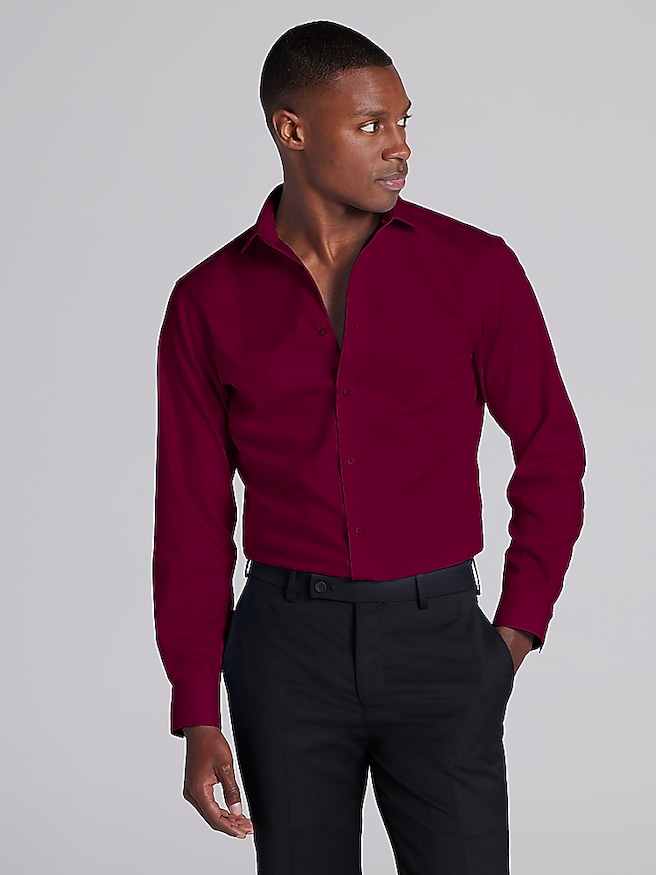
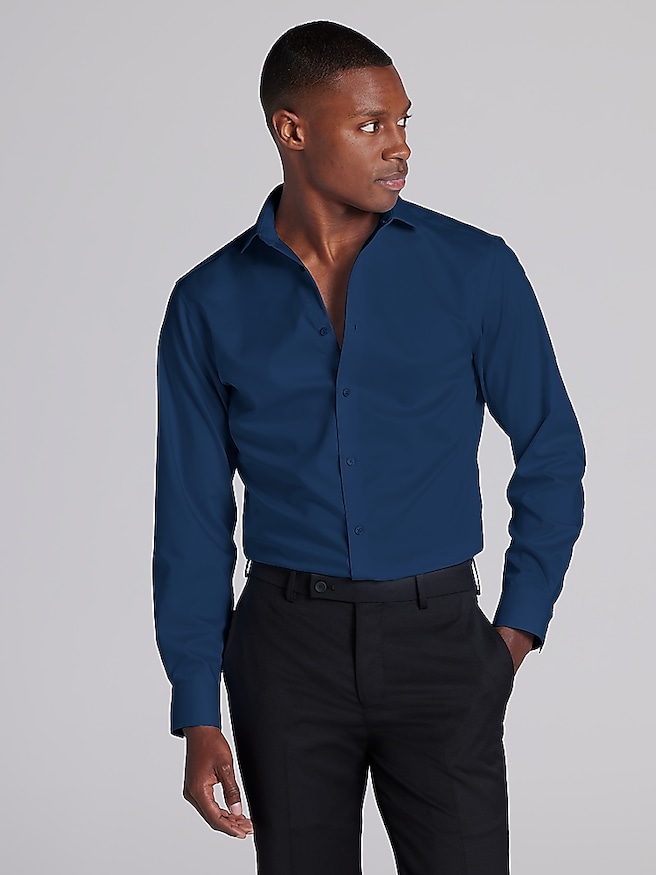
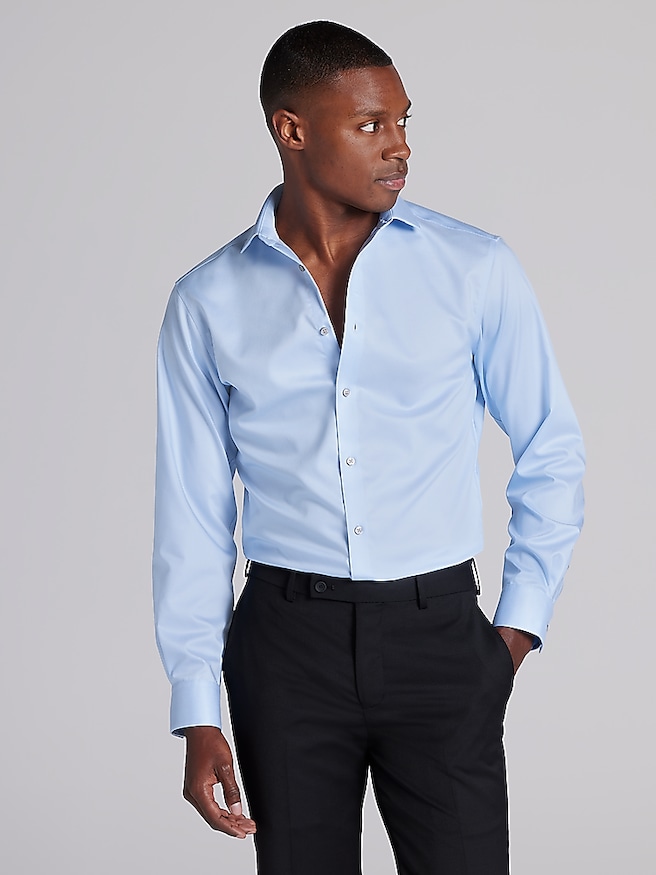
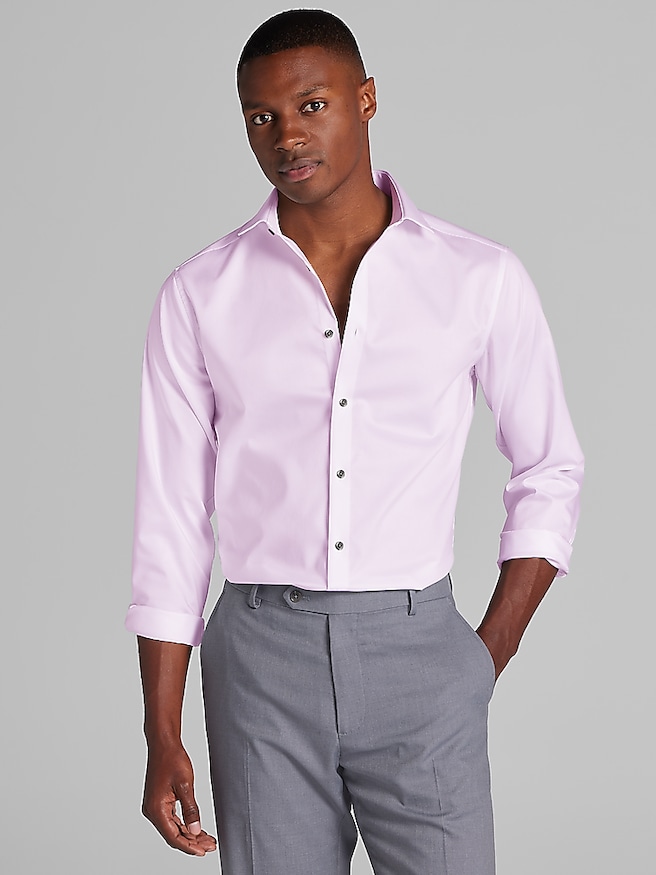
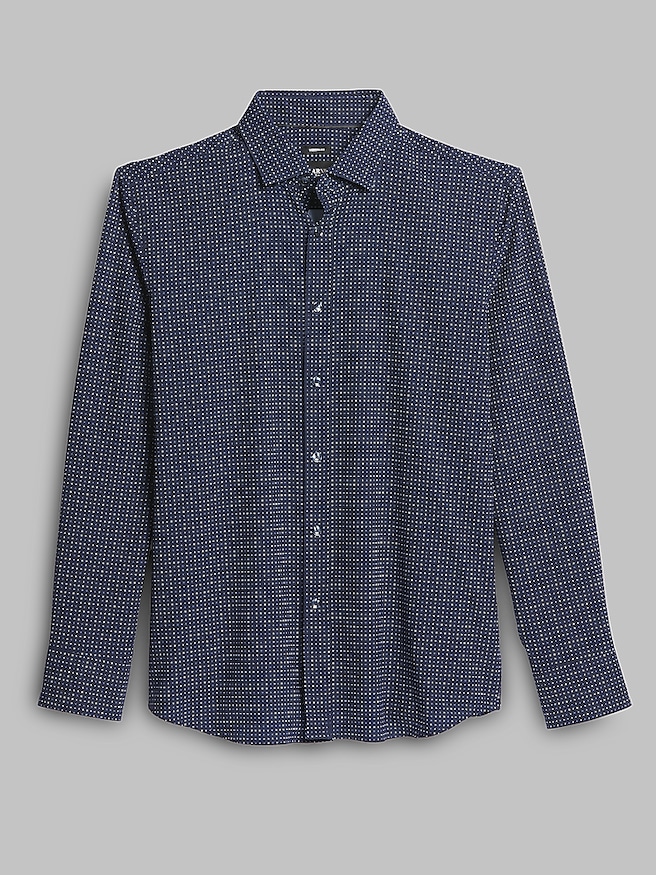
Big and tall cotton shirts bring the familiar softness of cotton to proportions designed for a fuller build, a taller frame, or both. The distinction matters: big sizing generally provides more room through the chest, shoulders, and waist, while tall sizing emphasizes added body and sleeve length. A shirt that fits well should offer comfortable coverage without leaving excess fabric bunched beneath a jacket or pulling across the front when seated. For someone with broad shoulders, a long torso, or a substantial chest, those proportions can make everyday movements feel easier, from reaching for a coat to settling behind a desk. Cotton is a natural fiber valued for its breathable feel and ability to absorb moisture, though fabric weight, weave, and finishing all influence how a shirt wears. A lightweight cotton poplin has a smooth surface and a crisp appearance that suits office settings and dinners out. Oxford cloth has a more noticeable texture and enough structure to look composed with chinos or denim. Cotton twill often feels a little more substantial, while brushed cotton provides a soft surface that feels especially comfortable during cooler weather. Knit cotton, including jersey and piqué, brings another range of textures to casual shirts, with jersey offering a smooth, flexible feel and piqué providing the characteristic texture associated with many polos. A 100% cotton shirt emphasizes the qualities of the fiber itself; a cotton blend may add stretch, help reduce wrinkling, or dry more quickly, depending on its composition. Neither fabric choice guarantees the same performance across every shirt, so fiber content and construction matter as much as the description on a label. Across these fabrics, big and tall cotton shirts suit a broad range of routines: a polished button-front for a client meeting, a textured polo for a relaxed workplace, or a soft casual layer for a quiet weekend. The appeal is everyday versatility, with enough attention to shape and fabric to keep comfort from coming at the expense of a neat appearance.
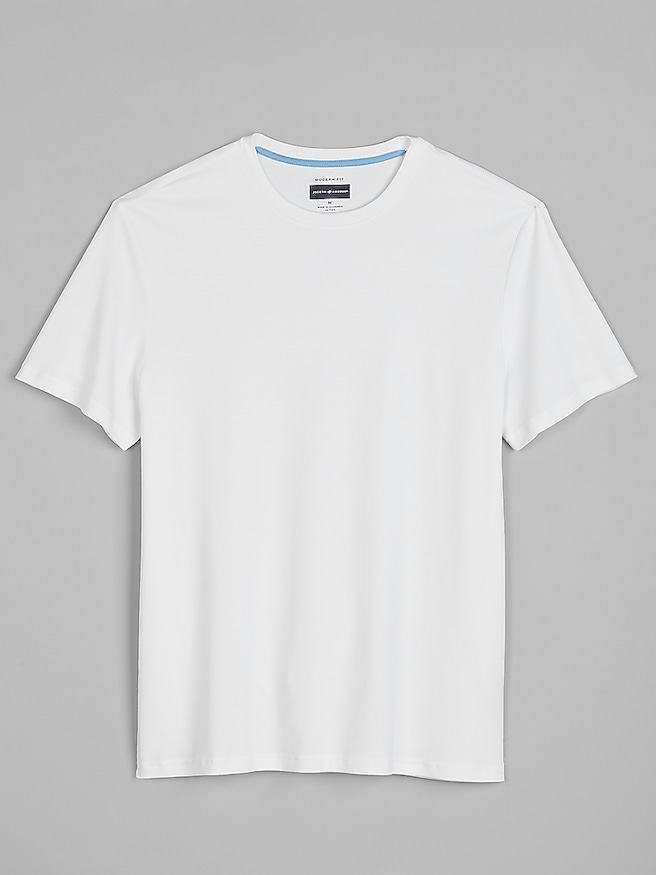
Fit is especially important in big and tall cotton shirts because added width cannot substitute for needed length, and added length cannot solve tightness through the chest. Shoulder seams should sit close to the natural shoulder edge in a traditionally cut shirt, allowing the sleeves to hang cleanly rather than twisting or tugging. The front should button smoothly, with enough room to sit down, fold the arms, or reach forward without gaps opening between buttons. A fuller midsection may benefit from a straighter, roomier body, while a more shaped cut can work for a broad chest with a narrower waist. Long sleeves should reach the wrist with the arms relaxed and provide some ease when the elbows bend; cuffs should close comfortably without sliding far over the hand. For dressier settings, a collar that accommodates a tie should fasten without pressing tightly against the neck. Body length deserves the same attention. A shirt intended for tucking needs enough fabric below the waistband to stay in place through normal movement, but an untucked style should finish at a balanced point rather than hanging like an oversized layer. Measurements for neck, chest, waist, and sleeve length offer a more reliable starting point than simply choosing a larger size, especially because sizing can vary by cut. These details also affect layering. Under a sweater, a cotton shirt should lie smoothly through the upper arms and torso; beneath a sport coat, a collar with some structure helps frame the neckline. A midweight shirt worn open over a tee creates a more relaxed combination for casual dinners or weekend errands. For an easy base layer, Big And Tall T Shirts complement button-front styles without adding the structure of another collar. Solid colors offer straightforward coordination, while checks, stripes, and subtle textures bring variety to familiar pants and jackets. The most useful choice is often the one that fits the actual routine, whether that means staying tucked through a long workday or moving comfortably between indoor gatherings and cool outdoor air.
The lasting appeal of a cotton shirt depends on both its construction and the way it is cared for. Even stitching, neatly finished seams, firmly attached buttons, and cleanly constructed collars and cuffs are useful signs of attention to detail. Fabric weight contributes to the feel of a shirt, but heavier cotton is not automatically better: a lighter, tightly woven fabric can serve a polished wardrobe well, while a substantial knit may be more comfortable for frequent casual wear. Areas that bend and rub repeatedly, such as cuffs, elbows, and the collar edge, benefit from thoughtful construction and regular care. Cotton can shrink, particularly with high heat, and a preshrunk finish reduces rather than eliminates that possibility. Preserving body and sleeve length is especially important in tall sizing, where even a modest change may affect coverage. Following the care label, washing with similar colors, and using the recommended drying temperature help protect the intended fit and appearance. When the label allows, removing shirts promptly from the dryer and smoothing collars, plackets, and hems can limit set-in wrinkles. Woven cotton may need ironing for a crisp finish, while a casual knit generally calls for less pressing. Wrinkle-resistant finishes can simplify upkeep, but they do not make every shirt completely wrinkle-free. Cotton also absorbs perspiration and can remain damp longer than some synthetic fabrics, making it best suited to everyday comfort rather than assuming it will perform like technical athletic clothing. For commuting, family meals, office hours, and relaxed social occasions, that soft, familiar feel remains a strong part of its usefulness. Big and tall cotton shirts can also be thoughtful gifts for a father, partner, brother, or friend when the recipient’s measurements and preferred fit are known. A familiar collar style, a color that works with frequently worn pants, and care requirements that match an established routine make the choice more personal. With suitable proportions and sensible upkeep, cotton shirts can become dependable pieces worn comfortably across seasons.