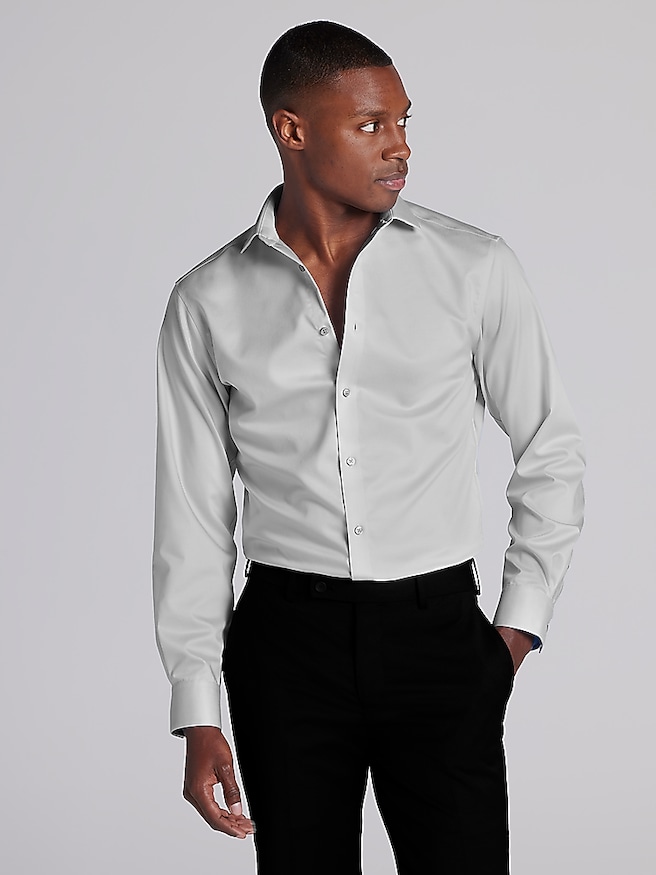
Big and tall Cuban shirts combine an easy, open-neck look with proportions designed for broader builds, longer torsos, or both. The term often describes Cuban-collar shirts, also called camp-collar shirts, which have a collar that lies open and flat rather than standing upright around the neck. It can also refer to guayaberas, a distinct shirt style associated with Cuba and other parts of Latin America and the Caribbean. Traditional guayaberas typically feature vertical rows of fine pleats or decorative stitching, multiple front pockets, and a straight hem intended to be worn untucked. Not every Cuban-collar shirt is a guayabera: a simple camp-collar design may have a clean front, a single chest pocket, or a print instead of those traditional details. Both styles bring visual interest without needing a tie, making them natural choices for dinners, celebrations, travel, and relaxed social gatherings. In big and tall proportions, the important distinction is how the shirt accommodates the body, not simply how large the size label reads. Big fits generally provide more room through the chest, waist, and torso, while tall fits generally add body length and may include longer sleeves. Exact proportions vary by maker, so chest, waist, sleeve, and body measurements are more useful than assuming every shirt with the same letter size will fit alike. A comfortable fit leaves space across the upper back when reaching forward and enough ease through the middle to sit without pulling the button placket apart. Shoulder seams should sit close to the natural shoulder edge unless the design intentionally uses a dropped shoulder. For an untucked shirt, length deserves particular attention: the hem should cover the waistband comfortably without extending so far that it overwhelms the outfit. The result should look relaxed and deliberate, with room to move rather than excess fabric collecting at the sides. A straight hem and balanced proportions help preserve the clean outline that makes these shirts appealing.
Fabric gives big and tall Cuban shirts much of their character, influencing everything from the way the collar rests to how neatly the front hangs. Linen has a textured surface and an airy feel, with natural creasing that contributes to its relaxed appearance. A linen shirt will not usually maintain the perfectly smooth finish of a crisp dress shirt, and that lived-in texture is part of the appeal. Cotton can offer a softer or more structured hand depending on its weave and weight, making fabric construction just as important as fiber content. A tightly woven cotton shirt may hold its shape more firmly, while a lighter weave can drape more loosely. Linen-cotton blends combine characteristics of both fibers, though the balance depends on the percentages and the weave. Fabrics containing rayon or similar fibers often have a fluid drape, while polyester blends may offer wrinkle resistance and straightforward care when the garment label allows it. Stretch content can add flexibility, but it does not replace adequate room through the chest and waist. Color and surface detail also affect the overall impression. Solid shades keep the focus on the collar and silhouette, subtle woven patterns add depth, and embroidery or pleated panels give a guayabera its distinctive texture. With lighter colors, fabric opacity is worth considering, especially if an undershirt will be worn underneath. For durability, useful construction details include secure buttons, evenly stitched seams, and clean finishing around pockets, buttonholes, and side vents. Decorative stitching should lie flat rather than pulling the surrounding fabric into puckers. Care should always follow the garment label, since similar-looking shirts can require different treatment. When washing and ironing are permitted, avoiding excessive heat and pressing around decorative details can help preserve the intended finish. Prompt stain treatment, careful laundering, and storage on a suitable hanger support a shirt’s appearance through repeated wear.
The appeal of a big and tall Cuban shirt is how easily it creates a complete outfit without demanding much extra styling. With flat-front chinos and loafers, a solid camp-collar shirt feels composed enough for a restaurant dinner while retaining its easygoing character. With dark, clean-finished jeans and understated sneakers, the same general silhouette takes on a more casual feel. A guayabera with pleated panels or embroidery provides a stronger focal point, so simple trousers and restrained accessories often make the most balanced companions. The shirt hem and trouser rise should work together: a long torso needs enough coverage when sitting or reaching, but a shirt that hangs too low can obscure the trouser shape and shorten the appearance of the legs. A clean line through the waist matters more than forcing a close fit. If the shirt has side vents, they should rest comfortably rather than spreading open under tension. A lightweight undershirt may provide coverage beneath a pale fabric, provided its neckline stays out of sight below the open collar and it does not add bulk. For a celebration, family gathering, or destination wedding, the setting and stated dress code determine whether a Cuban shirt is appropriate; even an embellished guayabera should not automatically be treated as a substitute for formal attire. Occasions that call for a tie, a structured collar, or a more traditional tailored appearance are better matched with Big and Tall Dress Shirts. Cuban shirts can also make thoughtful gifts for a father, partner, brother, or friend who prefers an open neckline and an untucked silhouette. Matching the recipient’s usual chest and body measurements, preferred fabric feel, and taste for solids or decorative details is more reliable than choosing by size label alone. Whether the preference is a simple camp collar or the distinctive front of a guayabera, well-balanced proportions and a comfortable fabric help the shirt feel like a natural part of an everyday wardrobe.