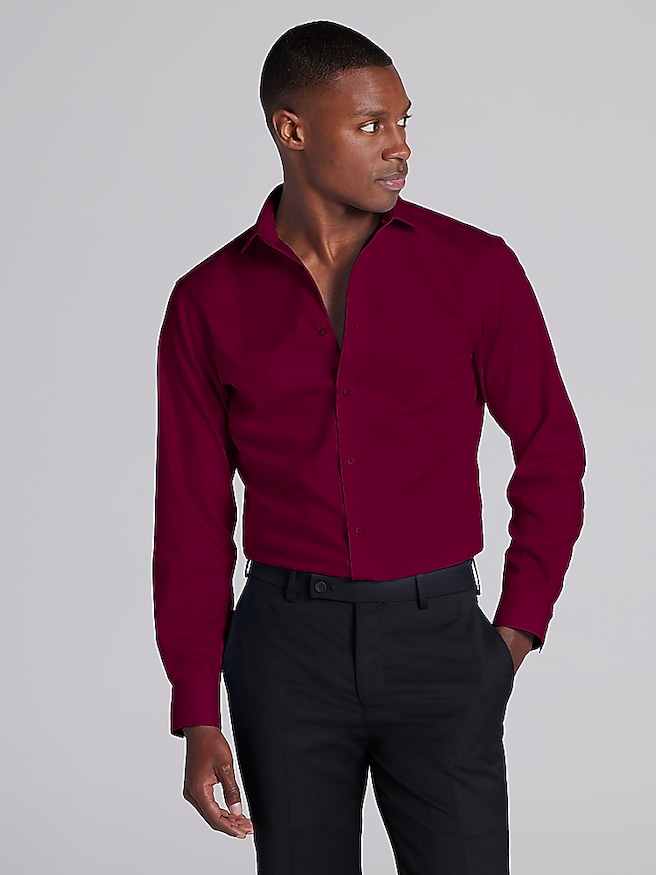
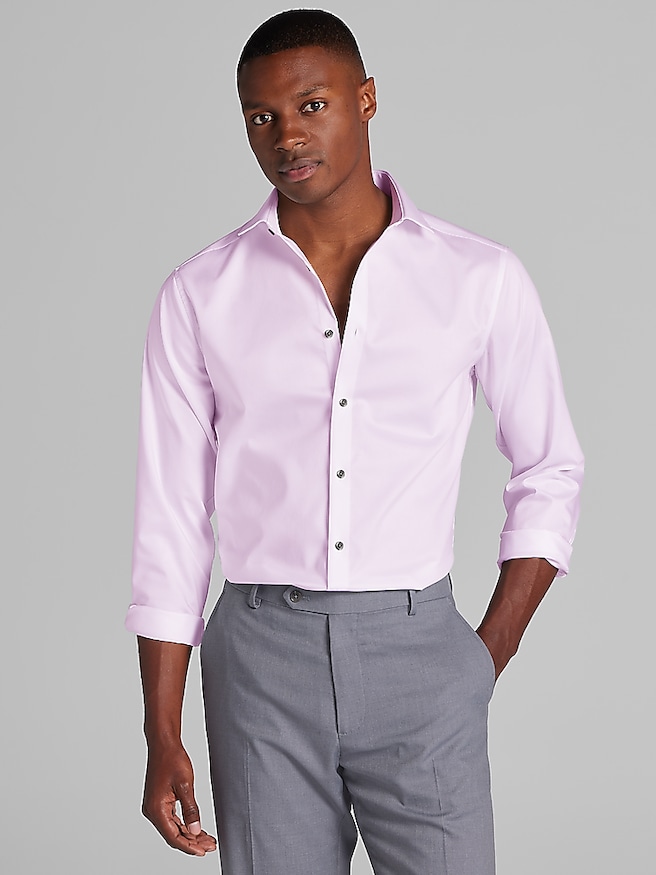
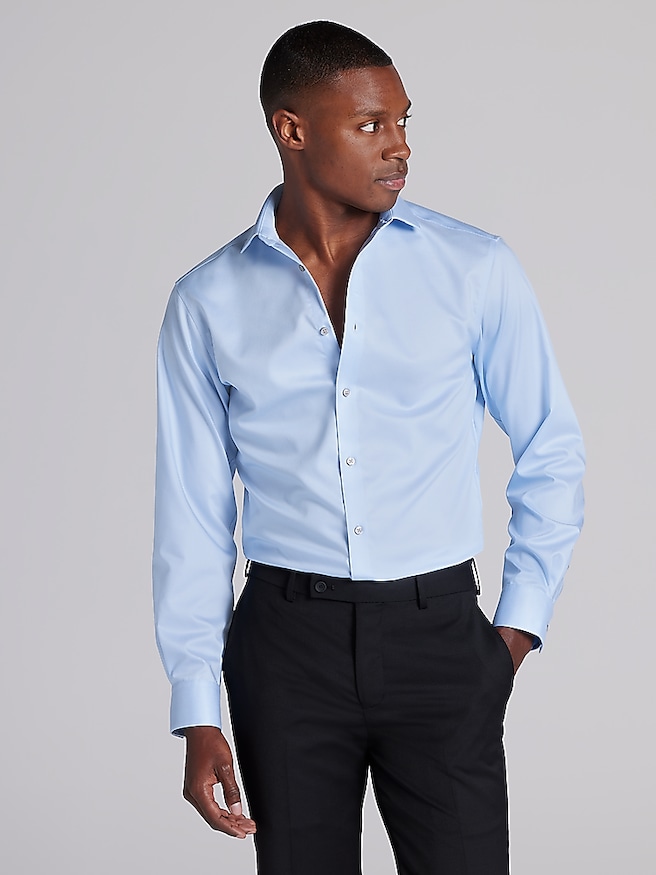
Big and tall collared shirts offer a polished look with proportions designed for broader builds, longer frames, or a combination of both. The category includes collared polos, casual button-front shirts, and dressier woven styles, giving men room to choose a level of structure that suits the day. Big sizing generally provides more room through the chest, shoulders, and midsection, while tall sizing generally adds body length and, on long-sleeve styles, sleeve length. Those differences matter: simply sizing up a standard shirt can create extra width without adding enough coverage, or leave the shoulders sitting too far down the arms. A well-proportioned shirt follows the body without pulling across the chest, bunching beneath the arms, or billowing excessively at the waist. Shoulder seams should sit close to the point where the shoulder meets the arm, and a buttoned collar should feel comfortable rather than restrictive. Across the front, the fabric should lie smoothly between buttons when standing or sitting. Enough room through the back makes reaching for a steering wheel or leaning across a desk feel natural. Length also affects how a shirt looks and functions. A style worn tucked in needs enough fabric to remain secure through ordinary movement, while an untucked shirt looks more balanced when its hem covers the waistband without extending too far down the legs. Tall proportions can be especially useful for men whose shirts otherwise pull free when they lift their arms. Big proportions can provide welcome ease through the torso without requiring an unnecessarily long hem. For men who need both, the relationship between width and length is more important than either measurement alone. The result is a shirt that looks intentional with tailored trousers, chinos, or jeans instead of appearing oversized. Whether the setting is a desk job, a family dinner, or a casual gathering, the right proportions let the collar add polish without making the rest of the shirt feel stiff or cumbersome.
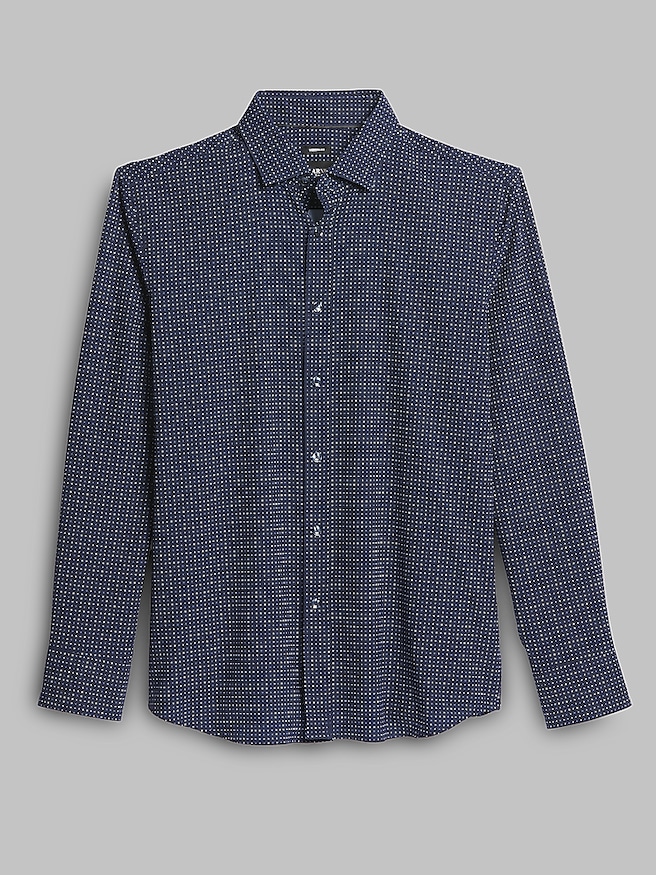
Fabric gives big and tall collared shirts much of their character, from the textured surface of a polo to the smooth finish of a woven shirt. Cotton is a familiar choice for its softness and breathability, though the weave and fabric weight can make two cotton shirts feel quite distinct. Piqué knit has a lightly raised texture that gives polos body and helps distinguish them from a basic T-shirt. Jersey knit tends to have a smoother surface and a softer drape, making it well suited to relaxed outfits. In woven shirts, poplin offers a relatively smooth, clean appearance, oxford cloth has a more noticeable basket-weave texture, and twill has a subtle diagonal pattern that can add substance. Cotton blends may combine that familiar feel with easier maintenance, while fabrics containing elastane can provide additional give across the shoulders and torso. Stretch supports movement, but it does not replace adequate room in the cut. Performance fabrics may incorporate moisture-wicking or quick-drying properties when those features are specified, making certain polos practical for golf, travel, or days that involve frequent movement. Fabric opacity and drape are worth considering alongside softness: a shirt should fall comfortably over the body without feeling clingy or unnecessarily bulky. A substantial collar and a neatly finished placket help frame the face, whether the top button is open or the shirt is worn beneath a jacket. Solid colors create a straightforward foundation for repeated wear, while stripes, checks, and small-scale patterns add visual interest without requiring elaborate coordination. Navy, white, light blue, and gray work easily with many trouser colors. A textured solid can bring depth to a simple outfit, and a restrained pattern can stand on its own when a jacket comes off. These details give collared shirts a useful middle ground between relaxed everyday clothing and more structured attire.
The intended setting helps distinguish a casual collared shirt from one suited to a more dressed-up outfit. A polo with clean trousers can look appropriate for a relaxed office, a lunch meeting, or an afternoon on the golf course, subject to the setting’s dress expectations. A woven button-front shirt brings a more defined line to an outfit, particularly when tucked into chinos or tailored trousers. Button-down collar points tend to create a relaxed, tidy appearance, while point and spread collars can work well with more formal combinations depending on their construction. For occasions that call for a tie, a suit, or a sharper finish, Big and Tall Dress Shirts provide a related category centered on dressier proportions and styling. Neck and sleeve measurements become especially important in that context, since a collar worn fastened and cuffs extending beyond a jacket leave less room for an approximate fit. Care also shapes how well any collared shirt performs over time. The care label should determine washing, drying, and pressing methods, particularly for stretch blends, textured knits, and fabrics with specialized finishes. Excessive dryer heat can contribute to shrinkage or affect elastic fibers, while leaving a shirt compressed in a dryer can encourage wrinkles. Prompt removal, smoothing the placket and collar, and appropriate hanging or folding help preserve a neat appearance. Sturdy seams, securely attached buttons, and clean finishing around cuffs and hems are useful signs of thoughtful construction, although even a substantial shirt benefits from regular care. Big and tall collared shirts can also make practical gifts for a father, partner, graduate, or another man who appreciates clothing that fits his routine. A familiar collar style, a color he already wears, and accurate size information make the choice more personal than guessing from a letter size alone. With comfortable proportions, suitable fabric, and a level of polish matched to the occasion, a collared shirt can become a dependable part of an everyday wardrobe.