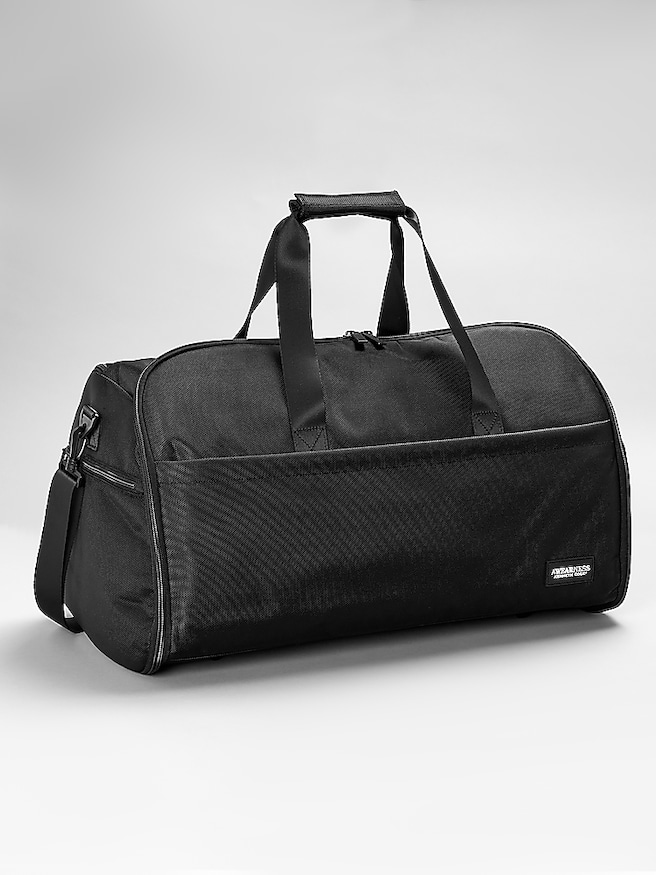
A bag for a high school student needs to balance usable storage, comfortable carrying, laptop protection, and construction that can stand up to daily handling. Backpacks are a practical choice for carrying books and electronics because two shoulder straps distribute the load more evenly than a single strap when both are worn properly. Messenger bags and totes suit lighter schedules or students who prefer easy access to a notebook and a few essentials. The right capacity depends on the school day: several textbooks, a binder, a lunch container, and practice clothes take up considerably more room than a tablet and a couple of folders. A spacious main compartment helps keep those larger belongings together without forcing papers to bend around bulky objects. Separate sections give smaller necessities a dependable place, so a calculator does not disappear beneath a sweatshirt and house keys stay within reach. For students carrying a laptop, a padded compartment helps protect the device from contact with books and other contents. The sleeve’s interior dimensions matter more than a general screen-size description, especially when a computer has a protective case. A snug fit limits movement, while padding along the bottom adds a useful buffer when the bag is set on the floor. Dedicated tablet storage, an accessible pencil pocket, and an upright bottle pocket can also make the daily routine less cluttered. Secure closures are particularly helpful on crowded hallways, staircases, and bus rides, where an open pocket can easily spill its contents. A wide opening makes it easier to see what is packed rather than reaching blindly into a deep compartment. The most useful layout leaves room for the student’s actual supplies without so many small pockets that finding them becomes another task. For a schedule that moves from class to the library to an after-school activity, thoughtful organization keeps the same bag useful throughout the day.
Materials and construction shape how a school bag looks, feels, and holds up over time. Nylon and polyester are common choices for their relatively light weight and straightforward care, though durability depends on the fabric’s construction as well as its fiber content. Densely woven fabric, reinforced seams, and a substantial bottom panel are useful features in a bag that regularly carries heavy books. Canvas has a familiar, textured appearance and can feel sturdy, but its weight and cleaning needs vary with the weave and finish. Leather offers a more structured look and develops character with use, though it generally needs more attentive care than a simple synthetic fabric. No material makes every part of a bag equally tough; shoulder-strap attachments, zipper tracks, handles, and pocket edges also take repeated stress. Reinforcement at those points helps support everyday handling, including lifting a full bag from a locker or sliding it beneath a classroom desk. Smooth-moving zippers with easy-to-grasp pulls are convenient between classes, while seams that lie flat are less likely to catch on folders or clothing. An easy-to-wipe lining can simplify cleanup after a lunch-container leak, and a separate bottle pocket helps keep drinks away from notebooks and electronics. Water-resistant fabric may limit damage from small splashes, but it does not make the contents waterproof. Care requirements deserve attention because a school bag encounters everything from pencil marks to crumbs. The care label should determine whether the fabric can be washed, spot-cleaned, or treated with a specialized cleaner. Emptying every pocket before cleaning keeps forgotten paper and loose supplies from creating another mess. Allowing the bag to dry fully before repacking helps protect both the material and the belongings inside. Overstuffing puts extra strain on closures and seams, so durability also depends on leaving enough space for the zipper to close without force.
Fit matters as much as capacity, particularly for students who walk between buildings or carry their belongings for much of the day. A backpack should sit close to the back rather than hanging far below the waist, with adjustable straps that let the load stay stable as the student moves. Broad, padded shoulder straps can reduce concentrated pressure, and a padded back panel helps separate hard book edges from the body. A chest strap can add stability, while a waist belt may be useful for a heavier load or a longer walk. These features work best when the bag itself is proportionate to the wearer; an oversized pack can feel cumbersome even before it is full. Keeping heavier belongings near the back and avoiding unnecessary contents can make the load easier to manage. The bag’s empty weight matters, too, since thick hardware and elaborate compartments add weight before the first textbook goes inside. Beyond fit, appearance plays a real part in whether a student enjoys using a bag every day. Black, navy, gray, and other understated colors work easily with school uniforms, casual clothes, and a more dressed-up outfit for a presentation. A clean silhouette can move comfortably from the classroom to a club meeting or an academic competition without looking out of place. More expressive colors and textures offer personality while leaving the basic storage needs unchanged. For a student receiving a bag as a gift, useful details include the size of the school-issued computer, the amount of walking involved, and whether the bag needs to fit inside a locker. A dependable everyday bag can be a thoughtful gift for starting high school, celebrating an academic milestone, or preparing for a new extracurricular commitment. Students planning campus visits or overnight academic trips may also find the College Travel Bag category relevant when their packing needs extend beyond a typical school day. For daily use, the strongest match is a bag that feels comfortable, protects essential belongings, and makes a busy schedule a little easier to carry.