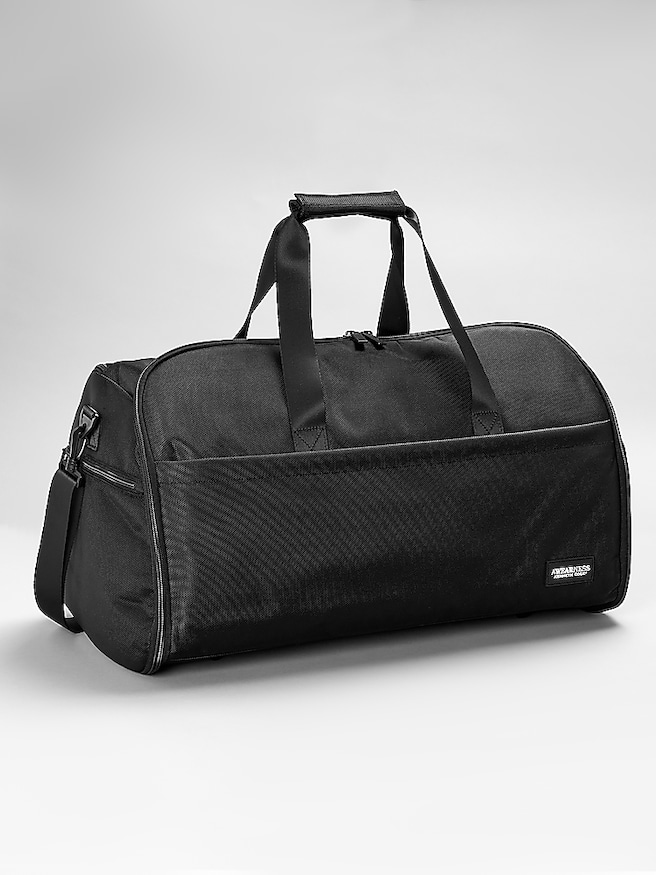
A college travel bag brings campus essentials and short-trip packing into one practical carry, with space for clothing, study materials, and the small necessities that tend to disappear at the bottom of an unstructured bag. The most useful format depends on how a student moves: a backpack keeps both hands free on a walk to the station, a duffel offers a broad opening for folded clothes, and a tote allows quick access to a notebook or charger. Weekend bags often bridge these roles, combining grab handles with an adjustable shoulder strap so the same bag works on a bus, in a car, or through an airport. Capacity matters, but usable space matters just as much. A wide main compartment can accommodate a change of clothes and a toiletry kit, while smaller zippered pockets give keys, identification, and charging cables a consistent place. A dedicated laptop sleeve is useful when coursework travels along, although the sleeve’s interior measurements need to match the device rather than relying on a screen-size description alone. Padding around the base and sides adds a buffer against everyday bumps, but it does not make electronics damage-proof. An exterior bottle pocket can keep a drink upright and separate from notebooks, and a securely closed front pocket can hold frequently needed essentials without opening the main compartment. For air travel, a compact profile may be easier to manage, but personal-item and carry-on rules vary by airline; packed dimensions, including handles and bulging pockets, determine whether a bag meets a particular limit. A College Bag for Men that works between classes may also suit a short visit home when its layout leaves enough room for clothing alongside school essentials. The right balance is enough organization to keep a trip orderly without so many small compartments that books, shoes, and folded garments compete for awkward spaces. That balance is especially valuable in a dorm room, where one adaptable bag can handle daily movement and pack away neatly between trips.
Materials and construction shape how a college travel bag feels in hand and how well it handles repeated packing. Nylon and polyester are common choices for lightweight bags, with performance depending on fabric weight, weave, backing, and overall construction. Canvas has a substantial feel and a relaxed appearance, although heavier canvas can add noticeable weight before anything goes inside. Leather brings texture and a more polished look that can work for campus visits, internship travel, and professional events; its weight and care needs depend on the leather and finish. No single material tells the whole durability story. Reinforced handle attachments, neatly finished seams, a supported base, and zippers that move smoothly around corners all contribute to a bag’s ability to handle regular use. A fully packed duffel puts particular stress on the points where straps meet the body, making those connections as important as the outer fabric. Comfort also changes with the load. Broad, adjustable shoulder straps help distribute pressure, while backpack straps should sit securely without pulling the bag far away from the back. A shoulder pad can soften contact on a crossbody strap, but it cannot compensate for excessive weight. Grab handles that meet comfortably in one hand are helpful for lifting a bag from a car trunk or carrying it down a narrow aisle. A luggage sleeve can reduce the need to shoulder a second bag when traveling with a rolling suitcase, provided the sleeve fits the suitcase handle securely. Care is most effective when it follows the material’s instructions: some textile bags permit gentle spot cleaning, while leather may call for a suitable cleaner or conditioner. Machine washing is not appropriate for every fabric bag, especially when padding, coatings, or structural panels are involved. Emptying crumbs from seams, wiping up toiletry spills promptly, and allowing the interior to dry completely before storage help keep a frequently used bag clean and ready for the next trip.
The everyday value of a college travel bag becomes clear in the details of a packed weekend. A student heading home after a final class may need room for jeans, shirts, sneakers, a laptop, and a charging kit without juggling several loose totes. Someone traveling to a career fair may need a layout that separates casual clothing from a dress shirt and keeps grooming essentials contained. A broad opening makes folded garments easier to place flat, while compression straps, when included, can help limit shifting rather than eliminate wrinkles. Tailored jackets and carefully pressed clothing may still need a garment bag or another packing arrangement that suits their shape. A separate shoe compartment can keep soles away from clean clothes, although that compartment often takes up space inside the main body. A removable shoe pouch offers similar separation and can be taken out when extra clothing space matters more. Toiletries benefit from their own closed pouch, particularly when packed beside textbooks or electronics, and a small accessory case keeps adapters and cables from tangling around everything else. For shared rides and crowded transit, a bag that stays close to the body is easier to manage than an overfilled shape with loose straps. Visual style has a practical role, too: understated colors and simple hardware can move comfortably from a residence hall to a hotel lobby or an interview trip, while a distinctive zipper pull or luggage tag makes a familiar-looking bag easier to recognize. As a gift for a college-bound student or a graduate preparing for the next step, a travel bag is most useful when its size and carrying style match established habits. A frequent walker may appreciate backpack straps more than a large duffel, while a student who regularly drives home may prefer an easy-loading main compartment. Thoughtful proportions, dependable construction, and accessible storage give a college travel bag a purpose beyond a single trip, supporting the steady movement between campus life, personal visits, and early professional experiences.