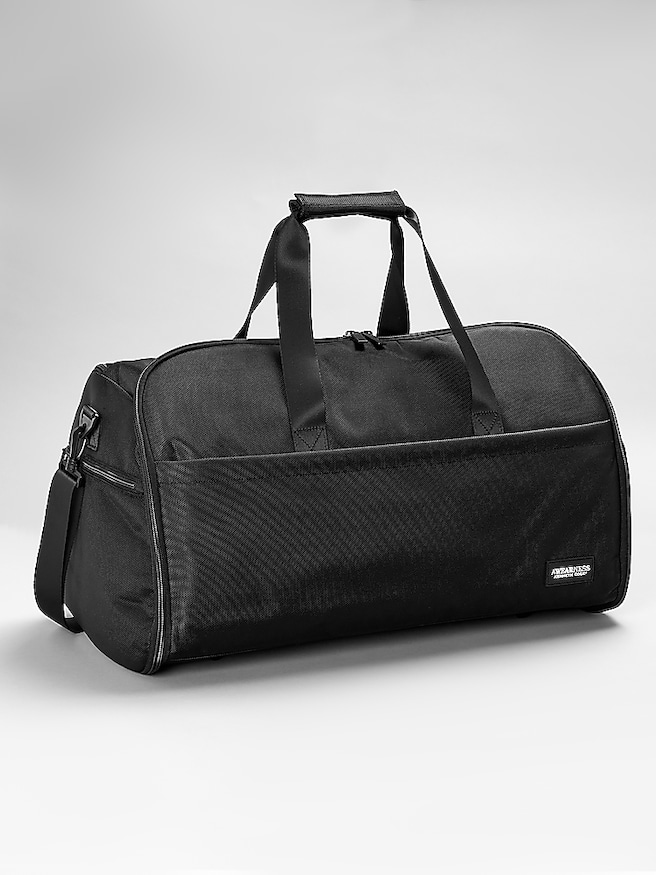
A college bag for men has to make room for more than a laptop. Textbooks, notebooks, charging cables, headphones, and the small essentials that travel between classes all compete for space, often through a full day away from home. The most useful design balances capacity, comfortable carrying, durable construction, and an interior that keeps important belongings easy to reach. A backpack distributes the load across both shoulders, making it a practical choice for walking across campus or carrying several books. A messenger bag provides convenient access to documents and a computer, especially when the daily load is lighter, while a tote-style bag can suit a straightforward routine built around a notebook, a tablet, and a few personal essentials. Size matters beyond how much a bag can hold: an oversized shape can feel awkward in a crowded lecture hall, while a compact bag may become difficult to close once a charger and textbook join the laptop. Device protection deserves particular attention. Screen measurements alone do not establish compatibility, so the usable dimensions of a laptop compartment should accommodate the computer’s actual width, depth, and thickness, including any protective case. Padding around the compartment helps cushion everyday bumps, and a sleeve positioned above the bottom of the bag provides separation from the surface when the bag is set down. For a routine centered on a computer, Men's Laptop Bags are a related category with a focus on carrying technology and its accompanying essentials. Comfort also depends on how a bag sits against the body. Adjustable shoulder straps, a supportive back panel, and a profile that stays close to the torso can make a loaded backpack easier to manage. Broad, padded straps help spread pressure, but padding alone cannot compensate for an unnecessarily heavy load. Keeping dense books and a computer close to the back supports a more balanced carry, particularly between distant buildings or during a commute that includes stairs and public transit.
Materials influence a college bag’s appearance, weight, maintenance, and ability to handle repeated use. Nylon and polyester are common choices for everyday carry because they can combine relatively low weight with resistance to abrasion. Fabric density is one consideration, but a denier number describes yarn thickness rather than guaranteeing the strength of the finished bag; weave, coatings, stitching, and overall construction matter too. Canvas has a textured, casual character that works naturally with denim, chinos, and relaxed campus clothing. Depending on its weight and treatment, it can feel substantial and hold its shape, although a heavier fabric also adds to the load before anything goes inside. Leather brings a more structured appearance that can transition from the classroom to an internship or networking event, with surface marks and softening often becoming part of its character over time. Material names alone do not tell the whole durability story. Reinforced attachment points at the handles and shoulder straps, neatly finished seams, and a sturdy base are useful details in a bag that is lifted, packed, and placed beneath desks every day. Zippers should move smoothly around corners without requiring the fabric to be pulled tight, and closures should remain accessible when the main compartment is filled. A water-resistant finish can help limit absorption from minor splashes or an accidental spill, but it does not make every seam or opening waterproof. Care should follow the bag’s material and care label rather than a single cleaning method for every style. Many synthetic surfaces can be spot-cleaned with a soft cloth and a mild cleaning solution when permitted, while leather may require a suitable cleaner or conditioner. Emptying crumbs from the lining, wiping away small marks promptly, and allowing damp interiors to dry completely help keep an everyday bag pleasant to use. Machine washing, soaking, and direct heat can damage coatings, padding, leather, or the bag’s shape unless specifically allowed by the care instructions.
Interior organization is most valuable when it matches the way a student actually moves through the day. A dedicated laptop section keeps a computer separate from loose supplies, while smaller pockets give charging cables, pens, keys, and a student ID a consistent place. A secure zippered pocket can keep small valuables from drifting to the bottom, and an accessible bottle pocket separates a drink from notebooks and electronics. That pocket needs to hold the bottle firmly without interfering with the main compartment or making the bag feel unbalanced. Students carrying large textbooks or binders benefit from a broad opening and enough usable depth to stack them without bending covers. Those working mainly from digital notes may prefer a slimmer silhouette with room for a charger, a compact notebook, and headphones rather than excess empty space. A day that includes the gym calls for room to separate clothing or shoes from class materials, whether through a dedicated section or a separate washable pouch. These details help keep a bag useful beyond the classroom, from a library study session to a part-time shift or a visit home. Appearance plays a role as well, especially when one bag needs to work with several outfits. Black, navy, gray, and brown are versatile choices, while restrained hardware and a clean shape can feel appropriate with casual clothing or a blazer. A softer profile emphasizes ease; a structured design gives documents more support and creates a neater outline. As a gift for a college-bound student, a graduate student, or someone returning to school, a bag is most personal when its proportions and organization reflect the recipient’s habits. Computer dimensions, typical book load, preferred carrying style, and cleaning needs are more useful starting points than appearance alone. A thoughtfully chosen college bag supports the ordinary details of student life: finding a key without unpacking, fitting beneath a desk, and carrying the day’s essentials without becoming another distraction.