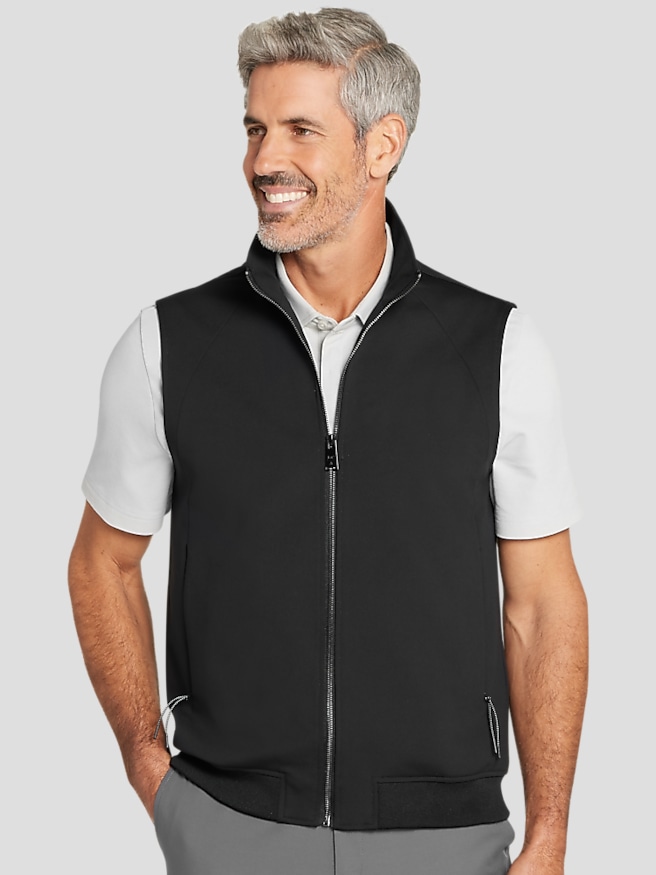
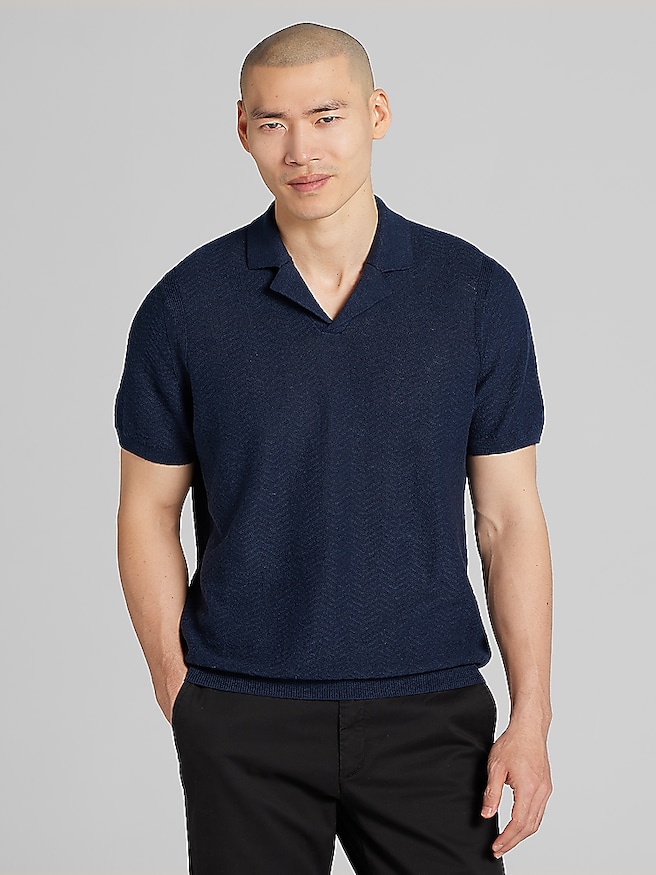
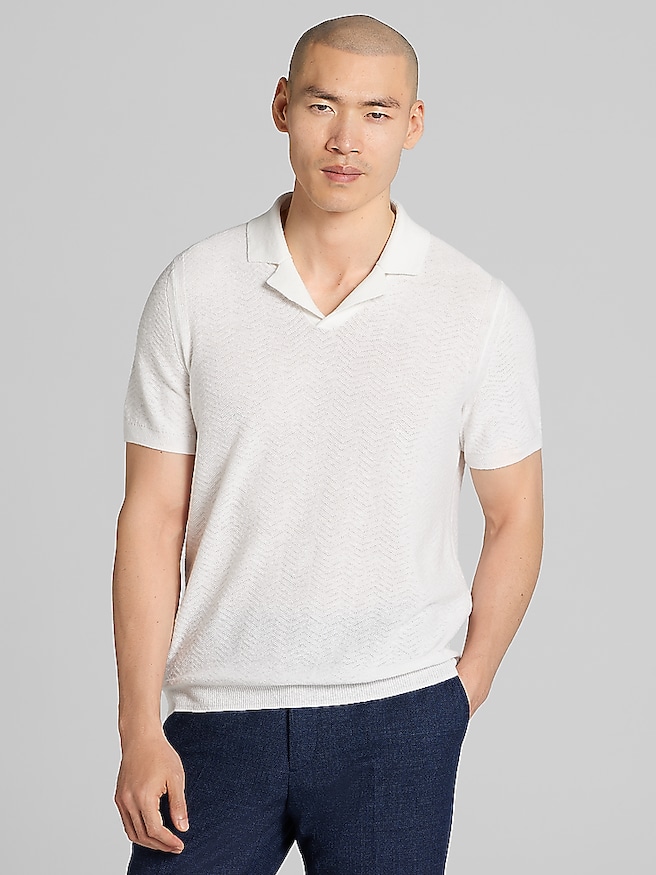
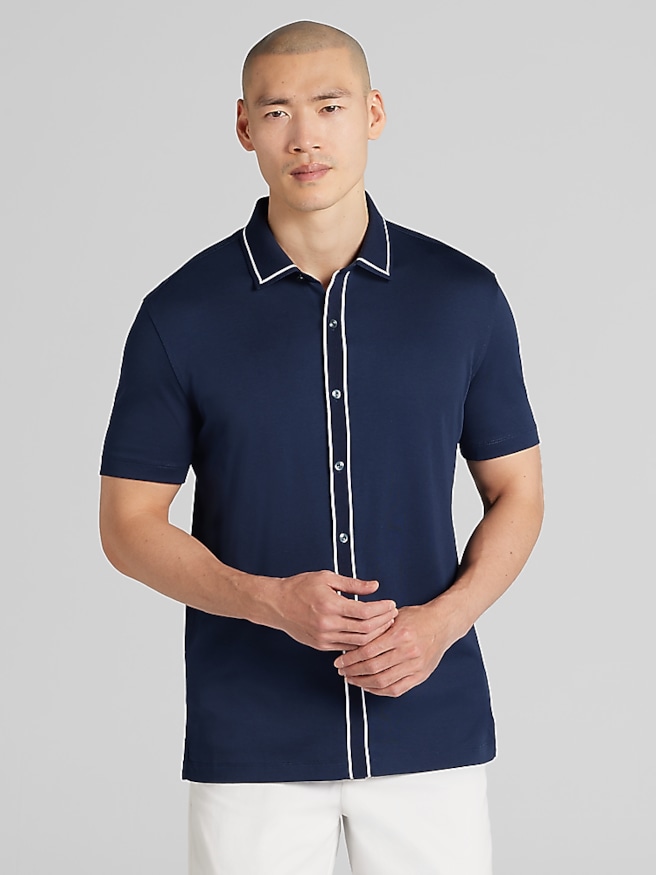
Autumn knitwear brings together the warmth of sweaters, the flexibility of layered dressing, and textures that give everyday outfits depth without making them feel overly dressed up. Its defining features include soft yarns, insulating knit structures, and silhouettes that work comfortably over shirts or beneath outerwear. Cable knits create raised, interlocking patterns with a substantial feel, while fine-gauge knits have a smoother surface that sits neatly beneath a blazer. Ribbed textures add visual interest and stretch, and Fair Isle patterns introduce traditional multicolored motifs that can become the focal point of an otherwise simple outfit. Earth tones such as olive, rust, camel, and chocolate suit the autumn palette, while navy, charcoal, and cream pair easily with clothing worn throughout the year. Materials influence both appearance and comfort. Wool provides insulation and can absorb moisture vapor, making it useful for days that involve walking outdoors and spending time inside. Fine merino wool often has a smoother feel than coarser wool yarns, though individual sensitivity varies. Cashmere is valued for its softness and warmth relative to its weight, with longevity depending on yarn quality, construction, and care. Cotton knitwear has a familiar feel and can suit mild fall afternoons or indoor settings where a heavier sweater would be too warm. Blends may combine natural fibers with synthetic fibers to influence strength, stretch, weight, or ease of care; the fiber label gives a clearer picture than appearance alone. Knit density matters, too: a loosely knitted sweater may look substantial but let more air pass through than a compact knit of similar thickness. For a commute that begins on a breezy sidewalk and ends in a heated office, a moderate-weight sweater beneath a removable jacket often offers more flexibility than a single bulky layer. The appeal of autumn knitwear lies in that balance of warmth, texture, and practical versatility, whether the setting calls for polished casual clothing or a relaxed weekend outfit.
Fit determines how well those textures work in an outfit. A sweater should allow easy movement through the shoulders and arms without pulling tightly across the chest or collecting in heavy folds at the waist. On styles with a traditional set-in sleeve, the shoulder seam generally sits close to the shoulder edge; dropped shoulders are intentionally cut lower for a more relaxed shape. Sleeves that finish around the wrist keep cuffs manageable beneath a jacket, while a hem that rests near the hip usually works well with jeans, chinos, or tailored trousers. The intended base layer makes a difference. A knit worn over a thin T-shirt needs less room than one worn over an Oxford cloth shirt, especially through the upper arms and chest. Fine-gauge crewnecks create a clean line with casual trousers, and V-necks leave space for a shirt collar without crowding the neckline. Cardigans offer an adjustable front that is useful when moving between indoor and outdoor settings. A shawl collar adds substance around the neck, while a turtleneck provides coverage and a streamlined alternative to a collared shirt beneath a sport coat. For an office with a business-casual dress code, a smooth, restrained knit can complement pressed trousers and leather shoes without competing with the rest of the outfit. For a Saturday lunch followed by a walk, a textured sweater with dark denim and boots feels relaxed but considered. Larger cable patterns tend to work best beneath outerwear with enough room through the sleeves; forcing a thick knit into a narrow jacket can restrict movement and distort the outline of both layers. Pairing a patterned sweater with solid trousers also gives the design room to stand out. For styles centered on an easy feel, Comfortable Knitwear connects naturally with the same priorities: suitable weight, soft texture, and enough room to move. Comfort is less about choosing the loosest shape than finding proportions that accommodate the body and the layers worn with it.
Thoughtful care helps autumn knitwear maintain its shape and surface through repeated wear, including the transition into early winter layering. The care label should always take priority, since two sweaters with a similar appearance may require very different cleaning methods. Some knits allow machine washing on a gentle setting, while others call for hand washing or professional cleaning. When washing is permitted, appropriate water temperature, a suitable detergent, and minimal agitation help protect the fibers. Wool can shrink or felt under unsuitable washing conditions, and wet knitwear can stretch if its weight is left unsupported. Rather than wringing a sweater, gently pressing out excess water and reshaping it on a flat drying surface can help preserve its dimensions when the label permits that method. Folding most sweaters for storage avoids the shoulder bumps and lengthening that hanging can cause, particularly with heavier knits. Pilling is another practical consideration: small fiber balls may form where sleeves rub against the body or where a bag strap repeatedly crosses the fabric. Their presence does not automatically mean a sweater is poorly made, although fiber characteristics and construction affect how readily they develop. A suitable sweater comb or fabric shaver, used carefully according to its instructions, can tidy the surface without pulling at the knit. Snags need a gentler approach and should not simply be cut, since that can damage the surrounding stitches. Allowing knitwear to air between wears, addressing spots promptly using an appropriate method, and storing it clean and fully dry all support lasting use. These details also matter when choosing knitwear as a gift for a partner, father, brother, friend, or colleague. A familiar neckline, a color already present in the recipient’s wardrobe, and a manageable care routine are often more useful than an unfamiliar statement pattern. Someone who wears jackets daily may appreciate a lighter knit, while someone who favors casual layers may get more use from a substantial cardigan. Well-chosen autumn knitwear earns its place through repeated, comfortable wear rather than through texture or appearance alone.