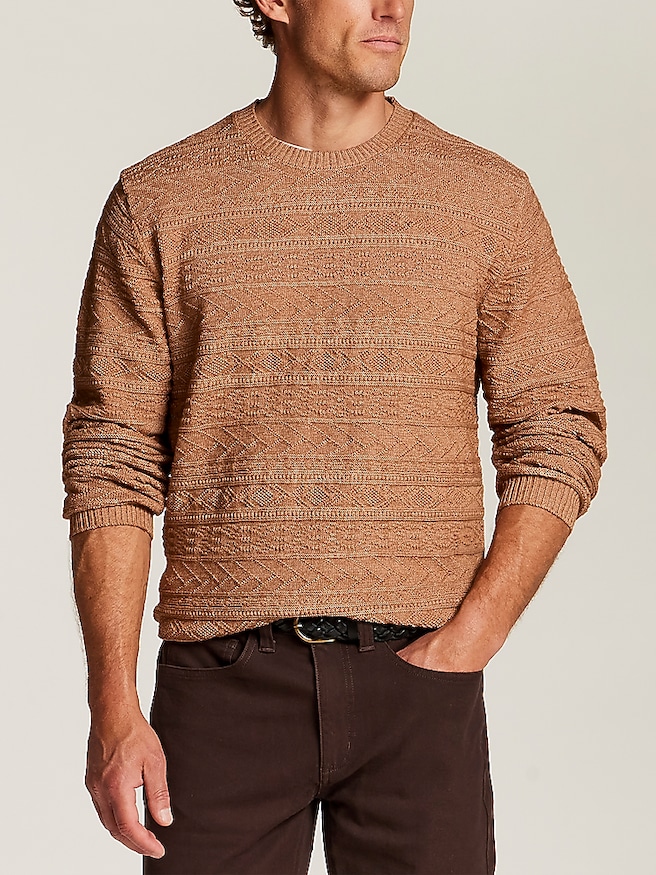
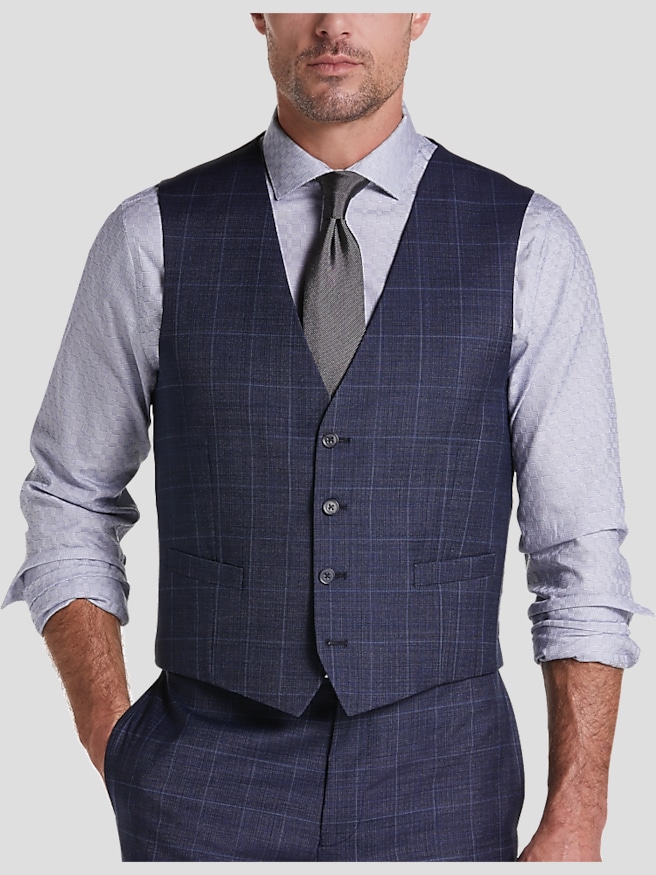
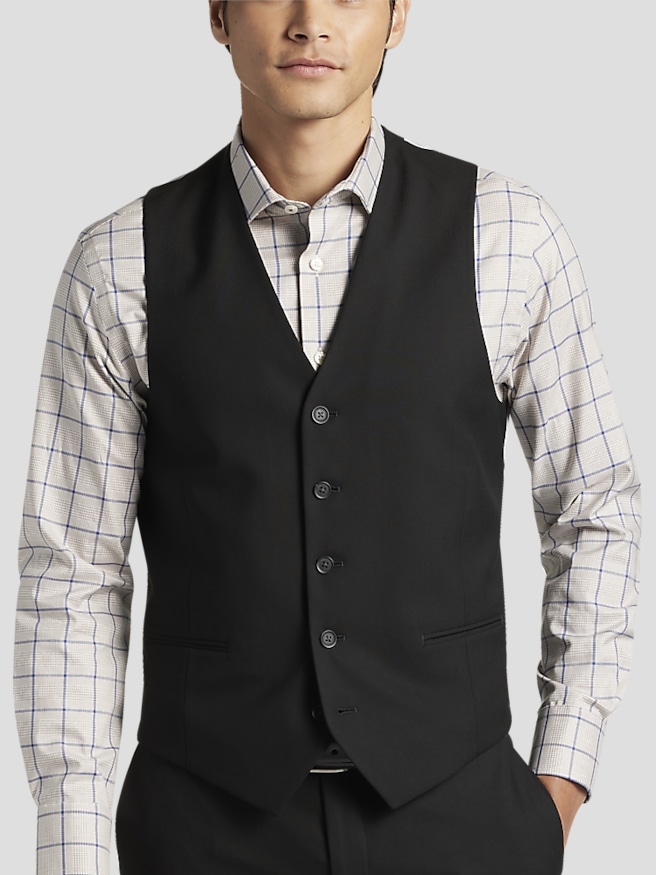
Autumn vests are sleeveless layering pieces that add warmth around the torso while leaving the arms free to move. From tailored waistcoats to quilted and knitted styles, they bridge the space between a shirt worn on its own and a full jacket, with the amount of warmth depending on the fabric, lining, and construction. A vest can bring structure to an office outfit, add texture to weekend clothing, or provide an extra layer beneath an overcoat without crowding the sleeves. That versatility makes it especially useful for fall days that include a chilly walk, an indoor meeting, and dinner afterward. Wool and wool-blend fabrics have a natural place in autumn dressing: flannel offers a softly brushed finish, while tweed brings a more pronounced texture that sits comfortably beside denim, corduroy, or wool trousers. Fine-gauge knits create a smoother silhouette under a sport coat, while chunkier knits have a relaxed character over an Oxford shirt. Cotton versions generally provide a lighter layer, and insulated styles use padding to hold warmth close to the body. A woven outer shell may help limit wind exposure, although weather protection depends on the fabric and finish rather than the sleeveless shape alone. For dressier settings, a tailored vest gives a shirt and trousers a finished appearance even when a jacket comes off. For casual outings, a lightly padded vest over a long-sleeve shirt leaves room for movement through the shoulders and elbows. Color helps establish the mood without requiring a complicated outfit. Charcoal, navy, and brown work easily with familiar wardrobe staples, while olive, burgundy, and rust bring depth to an autumn palette. A textured brown vest with a pale blue shirt feels grounded and understated; a dark, smooth-finished vest with coordinated trousers reads more formal. The appeal lies in that balance of practicality and polish, whether the setting is a workday, a fall wedding, or a relaxed afternoon outdoors.
Fit determines whether an autumn vest looks intentional or simply adds bulk. In a tailored style, the shoulder line should lie flat, the neckline should sit neatly over the shirt, and the front should close without pulling into horizontal creases. Armholes need enough room for comfortable movement without revealing excessive shirt fabric at the sides. Length matters just as much: a dress vest should generally cover the trouser waistband so a strip of shirt does not interrupt the outfit when standing naturally. Sitting down, reaching forward, and moving the arms can reveal tightness that is easy to miss in a still pose. An adjustable back can refine the waist, but it cannot fully correct a vest that is too narrow through the chest or too short through the body. Casual and insulated styles call for a slightly roomier approach, particularly when worn over a sweater, though extra space should not leave the vest hanging away from the torso. A comfortable fit keeps the layers close enough to work together while avoiding pressure across the upper back. The intended outer layer also affects the choice. A low-profile knit or lightly insulated vest can fit beneath a coat more easily than a heavily padded design, while a vest worn as the outermost layer has room for a more substantial texture. Proportion keeps the complete outfit balanced: a trim vest pairs naturally with straight or gently tapered trousers, while a more relaxed vest benefits from clothing with a similarly easy shape. Mixing textures can be more effective than matching every surface. Brushed wool against a crisp cotton shirt creates definition, and subtle quilting adds interest beside smooth chinos. For a coordinated suit outfit, fabric, color, and pattern should align closely; an intentionally contrasting vest works best when the difference is clear rather than almost matched. Keeping the shirt sleeves tidy and the waistband covered helps the overall effect remain polished, even without a jacket.
Construction and care influence how well a vest holds its shape through repeated wear. Neat seams, securely attached buttons, smooth lining, and cleanly finished pocket openings are useful details to examine, particularly in areas that receive frequent handling. On a quilted vest, consistent stitching helps keep the filling distributed, while a zipper should move smoothly without catching the lining. Pockets add convenience for small essentials, but overfilling them can distort the front and strain the seams. Fabric choice also affects everyday maintenance. Wool often benefits from airing between wears and gentle brushing to remove surface dust; laundering or professional cleaning should follow the garment’s care label. Some cotton and synthetic fabrics allow machine washing, but heat settings, drying methods, and treatment of insulated filling vary. Knit vests are generally best stored folded to avoid stretching at the shoulders, while structured woven styles benefit from a supportive hanger and enough closet space to prevent crushing. Letting a damp vest dry fully before storing it helps protect the fabric and lining. These habits matter for a layer that may move frequently between indoor and outdoor settings or spend part of the day beneath a coat. Autumn vests can suit commuters who appreciate warmth without bulky sleeves, office dressers who want another way to wear familiar shirts, and guests seeking a polished layer for a seasonal celebration. They can also make a thoughtful gift when the recipient’s size, preferred fit, and usual wardrobe are known. Someone who favors tailoring may appreciate a clean, understated silhouette, while someone drawn to casual clothing may get more use from a soft knit or a practical insulated shape. For wardrobes that also need lighter sleeveless layers, Summer Vests provide a useful seasonal comparison, with greater emphasis on lighter fabrics and less insulation. Autumn dressing places more weight on texture, layering room, and warmth, but the strongest choice still feels like a natural extension of the clothing already worn and enjoyed.