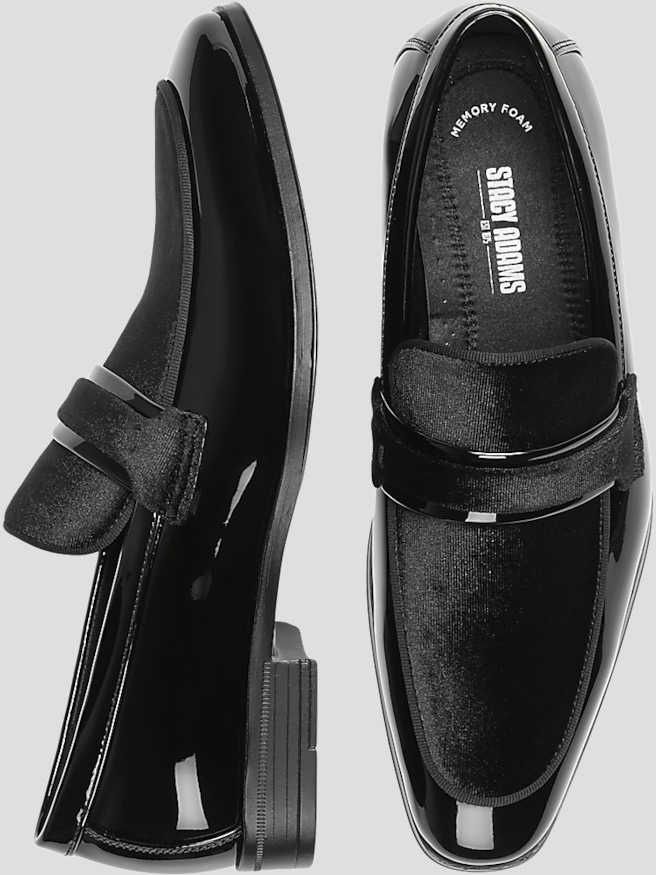
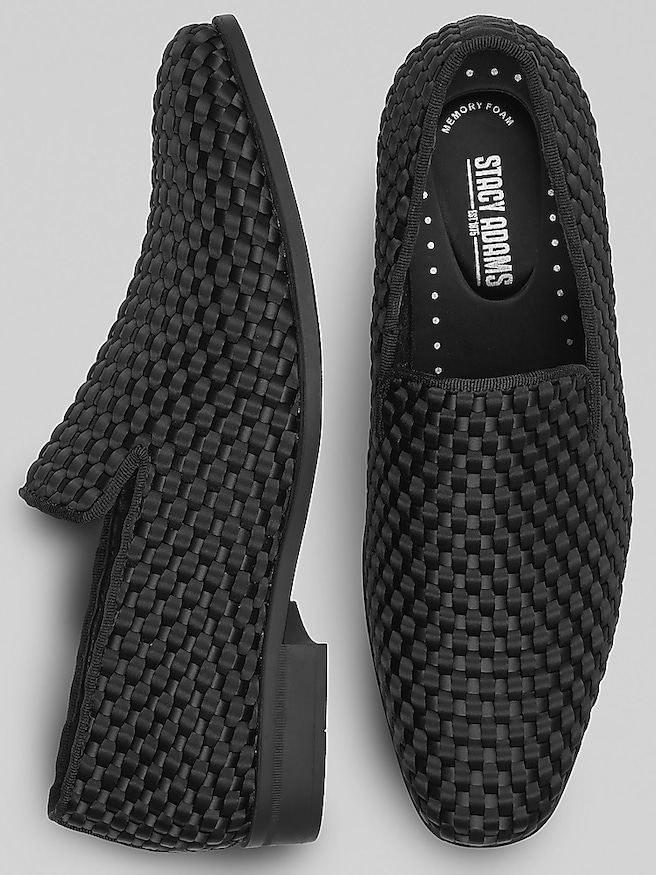
Affordable loafers bring a relaxed sense of polish to a wardrobe, with a slip-on shape that feels less formal than a lace-up dress shoe while still looking intentional with tailored clothing. Their appeal is in that middle ground: neat enough for an office meeting, easy to pair with chinos for dinner, and comfortable in settings where sneakers can feel too casual. A traditional penny loafer has a strap across the upper with a small opening, creating a clean, recognizable profile. Tassel details add movement and a dressier character, while a plain vamp keeps the focus on the material and silhouette. The shape of the toe also makes a noticeable difference. An almond-shaped toe tends to complement tailored trousers, while a softly rounded toe works naturally with denim and more relaxed pants. Black leather creates a crisp finish with charcoal or gray clothing; brown shades bring depth to navy, tan, and earth tones. Suede has a softer, more textured appearance that pairs especially well with chinos, knitwear, and an unstructured jacket. For a business-casual outfit, a pair of loafers beneath straight or gently tapered trousers can look composed without feeling stiff. At a dinner or a wedding with a smart-casual dress code, the same general style can complement a sport coat and an open-collar shirt. The right pairing depends on the event’s expectations rather than the shoe’s name alone; a casual slip-on is not a substitute for formal footwear when a strict dress code applies. Proportion matters, too. A fuller trouser leg often works well with a slightly more substantial sole, while a slimmer hem tends to suit a lower-profile shoe. Pants that fall cleanly over the upper let the shape remain visible without bunching around the ankle. Small details like these give loafers their versatility, allowing a simple shirt-and-trouser combination to feel finished without adding unnecessary formality.
Materials and construction influence how loafers look, feel, and hold up through repeated wear. Smooth leather can develop creases and character over time, though its finish and thickness affect how supple it feels at first. Some leather uppers soften with use, but they should not need a painful break-in period to become wearable. Suede offers a velvety surface with visual depth, while synthetic materials vary considerably in flexibility, breathability, and care requirements. The lining deserves attention as well: a smooth interior, neatly finished seams, and a well-shaped heel area can make a difference during a long stretch at a desk or an evening spent standing and talking. Cushioning may soften the feel underfoot, but cushioning and support are not the same thing. A comfortable pair also needs a shape that suits the foot, enough room across the forefoot, and a stable base. Rubber outsoles generally provide flexibility and traction, with performance depending on the tread and compound. Leather outsoles create a traditional dress-shoe profile and may feel firmer initially. Neither material alone determines how long a shoe will last; construction, wear patterns, and care all contribute. Fit is especially important because loafers have no laces to adjust their hold. The upper should sit securely across the instep without pressing sharply, and the toes should have space without the foot sliding forward. A small amount of heel movement can occur with some constructions, but repeated lifting, rubbing, or the need to grip with the toes suggests that the fit needs attention. Trying loafers with the socks intended for regular wear gives a more useful sense of fit than trying them with a much thinner or thicker pair. Dress socks create a continuous line beneath trousers, while no-show socks keep the ankle visible without placing the bare foot directly against the lining. For anyone who uses an orthotic, interior depth and a removable footbed may be important considerations, since adding an insert can change both toe room and heel security.
Regular care helps loafers stay presentable and gives their materials a better chance of wearing evenly. Dust and grit can collect along the seam where the upper meets the sole, so gentle brushing or wiping after use helps keep those areas clean. Smooth leather usually benefits from a material-appropriate cleaner and occasional conditioning, followed by polish if the finish calls for it. Suede needs a different approach: a suede brush can lift the nap and loosen surface debris, while a suitable eraser may help with small marks. Care directions should match the actual material, since products intended for polished leather can alter the appearance of suede or specialty finishes. Letting shoes air out between wears helps the interior dry naturally, and cedar shoe trees can help maintain shape and absorb some moisture. Shoes should dry away from direct heat, which can damage uppers and adhesives. Checking the soles and heels periodically can also reveal uneven wear before it begins to affect the feel of each step. These habits are useful whether loafers are worn to the office several days a week or kept for dinners, celebrations, and occasional meetings. For someone building a more versatile wardrobe, a restrained shape and an easy-to-coordinate color can make getting dressed simpler: navy trousers, a light shirt, and brown loafers already form a complete outfit. Someone with an established rotation may prefer a pronounced apron seam, a textured upper, or decorative hardware. When a simple outfit calls for a stronger finishing touch, Unique Loafers can provide inspiration for more expressive details. Loafers can also make a thoughtful gift for a graduate entering a workplace or a partner who enjoys dressing well, provided the recipient’s size, width, and preferred fit are known. A familiar shoe size is a starting point rather than a guarantee, since shapes vary. The most useful pair is ultimately one that fits the wearer’s routine as well as their feet, bringing a tidy, considered finish to clothing they already enjoy wearing.