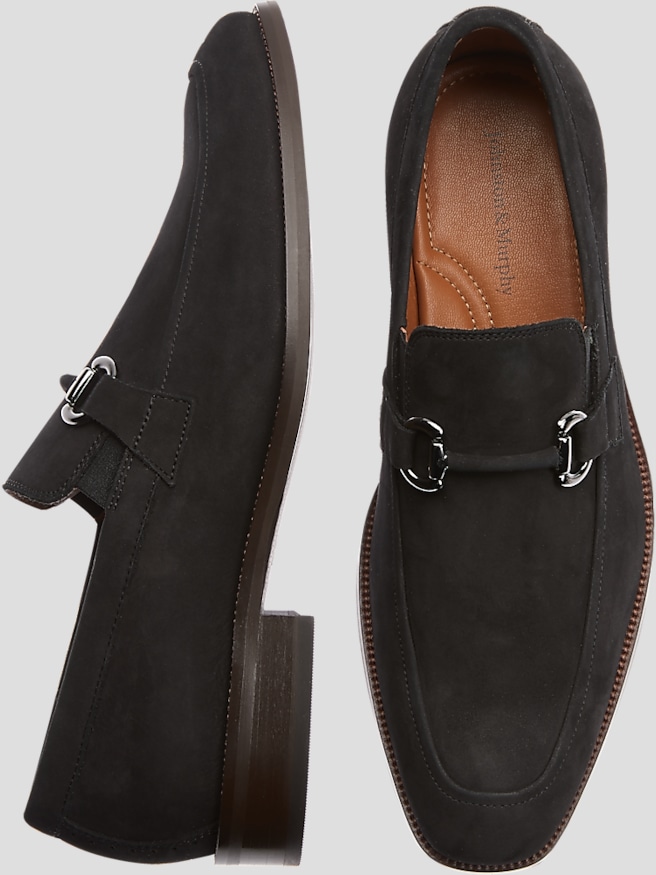
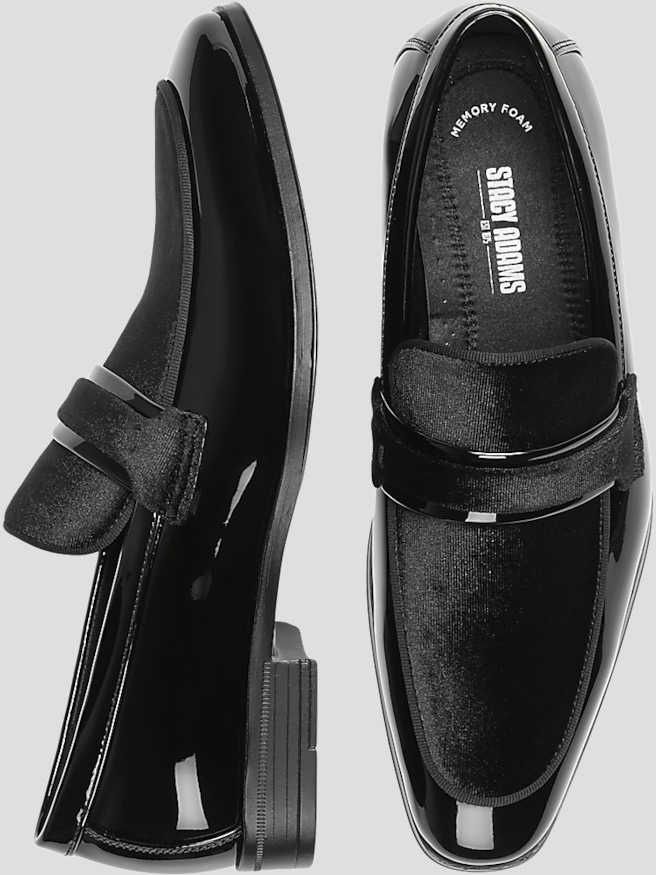
Popular loafers bring together the ease of slip-on footwear and the finished appearance of a dress shoe. Their defining features are a low profile, an open ankle, and a shape that stays secure without laces, making them a versatile choice for men who move between office settings, dinners, celebrations, and everyday plans. Familiar styles include penny loafers, tassel loafers, bit loafers, and versions with substantial lug soles. Each has a distinct character: a penny loafer features a slotted strap across the instep, tassels add movement and texture, and a metal bit introduces a decorative accent. A lug sole gives the traditional silhouette more visual weight and traction, though grip depends on the outsole material and tread pattern. Smooth leather generally creates a sharper impression, while suede lends a softer, more relaxed finish. These differences matter when getting dressed. A streamlined black leather loafer can complement charcoal trousers and a crisp button-down; a brown suede pair feels natural with chinos and a knit polo. For an office presentation followed by dinner, a moderately shaped toe and a restrained sole can carry the same outfit through both settings without looking overly formal or too casual. Loafers also work with tailored separates, dark denim, and some suits, provided the shoe’s finish and proportions suit the occasion. A sleek silhouette usually sits more comfortably alongside fine tailoring than an oversized tread, while fuller trousers can balance a heavier shoe. The appeal of popular loafers is less about a single look than about that range: they can feel traditional, understated, or distinctly modern while retaining a recognizable slip-on shape. Men building a smaller, flexible wardrobe often appreciate footwear that pairs with several trouser styles, and loafers offer that flexibility without requiring every outfit to look the same. Their exposed ankle and visible vamp also make trouser length important; a clean hem lets the shoe’s shape show rather than burying it beneath excess fabric.
Materials and construction influence how loafers feel from the first step and how they hold up over repeated wear. Smooth leather may soften and develop creases with use, giving the upper character while maintaining a polished surface with appropriate care. Suede has a napped texture that changes subtly as the fibers move, creating depth rather than shine. Neither finish alone guarantees comfort or durability; lining, stitching, sole attachment, and the shape of the shoe all contribute. Leather linings can offer a smooth feel against the foot, while padding around the heel or beneath the footbed may reduce pressure in those areas. A flexible forefoot helps the shoe bend during a normal stride, but flexibility should not come at the expense of a secure fit. Because loafers have no laces to adjust, the fit across the instep and around the heel is especially important. The upper should hold the foot comfortably without pinching, and the toes need room to rest naturally rather than press against the front or sides. A small amount of heel movement can occur in a new pair, but repeated lifting or rubbing suggests that the shape or size may not be suitable. Leather can give slightly with wear; a painfully tight shoe is not a reliable route to a comfortable fit. Trying loafers with the socks intended for regular use provides a more useful impression than trying them with an unfamiliar thickness. Thin dress socks create a smooth line with tailored trousers, while discreet no-show socks can preserve an exposed-ankle look and help manage friction. For someone who walks between meetings or spends substantial time standing, cushioning, arch support, and outsole design deserve as much attention as the upper. Rubber soles often provide flexibility and cushioning, while leather soles offer a traditional profile and a distinct underfoot feel. The collection of Easy Loafers offers another way to explore the slip-on theme, with personal fit remaining the most important measure of everyday ease.
Care is part of keeping loafers looking appropriate for the places they go, whether that means a client lunch, a graduation celebration, or a favorite neighborhood restaurant. Smooth leather benefits from removing surface dust with a soft brush or cloth before applying products intended for its finish. A suitable conditioner can help maintain suppleness, and a matching or neutral polish can restore a neat appearance when the leather and manufacturer’s instructions allow it. Suede calls for a different approach: a dedicated suede brush helps lift the nap and remove loose dirt without coating the surface in polish. Any cleaning or protective treatment is best tested on an inconspicuous area first, since finishes can respond differently. Allowing shoes to air out between wears helps the interior dry, and correctly sized shoe trees can support the shape and reduce deep creasing. Shoes should dry away from direct heat, which can damage leather and adhesives. A shoehorn also serves a practical purpose, helping the foot slide inside without repeatedly crushing the heel counter. Over time, wear at the heel, thinning tread, loose stitching, or a changing fit can signal the need for professional attention; whether a sole can be replaced depends on the construction. Intended use matters just as much as maintenance. Soft driving-style loafers can feel comfortable for seated occasions and short walks, but their low-profile soles may not suit extensive pavement mileage. A structured leather loafer may be better suited to repeated office wear, while a textured upper can make an otherwise simple weekend outfit feel considered. For weddings and other dressier gatherings, the invitation’s dress code should take priority over convenience; not every loafer is appropriate for formal evening attire. As a gift, loafers can be a thoughtful choice for a graduate starting a professional wardrobe, a partner who enjoys tailored clothing, or someone whose favorite slip-ons have seen years of use. Knowing the recipient’s usual size, preferred width, and everyday style makes that choice more personal. The most useful pair is ultimately one that fits comfortably, complements familiar clothes, and receives enough care to stay part of the regular rotation.