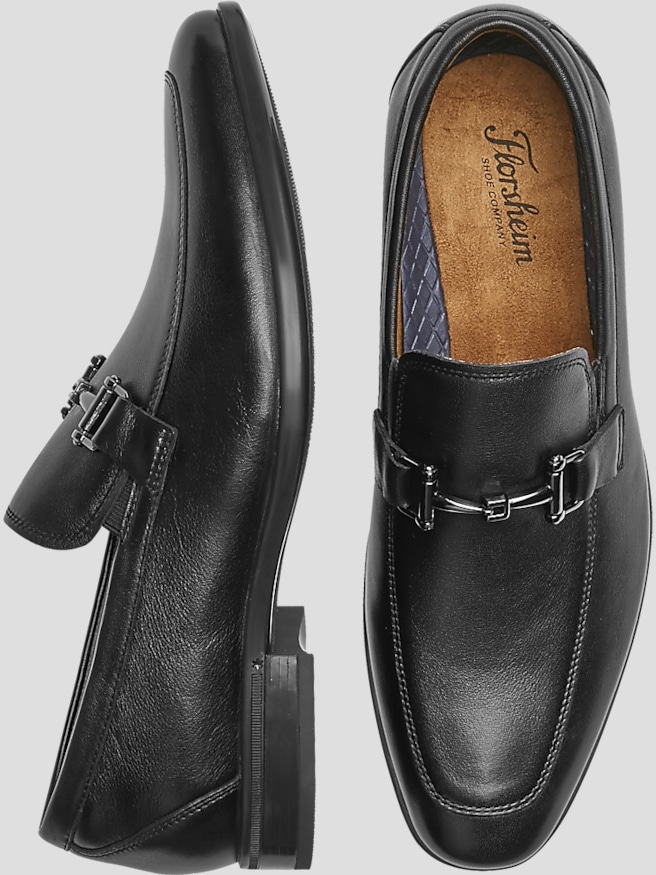
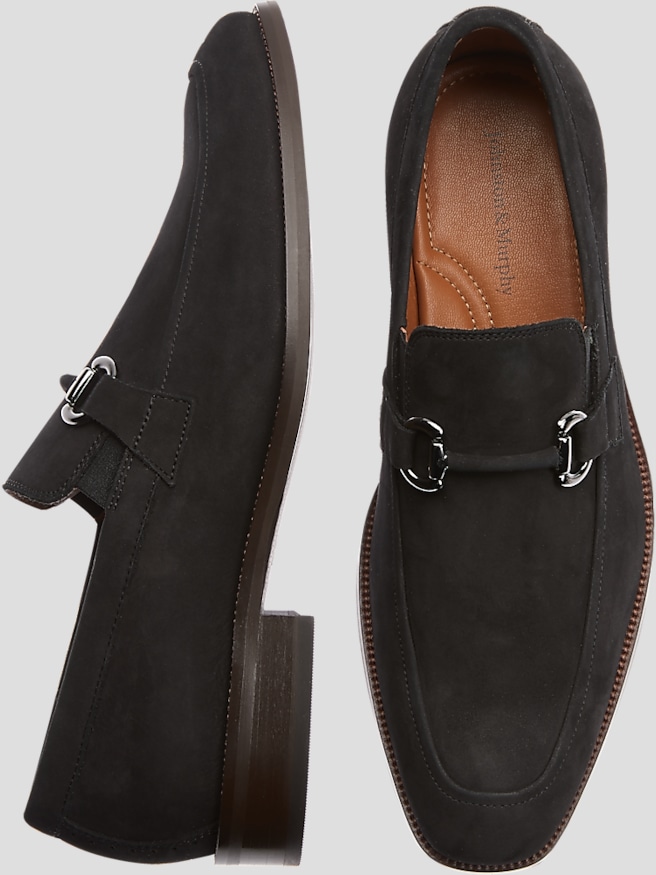
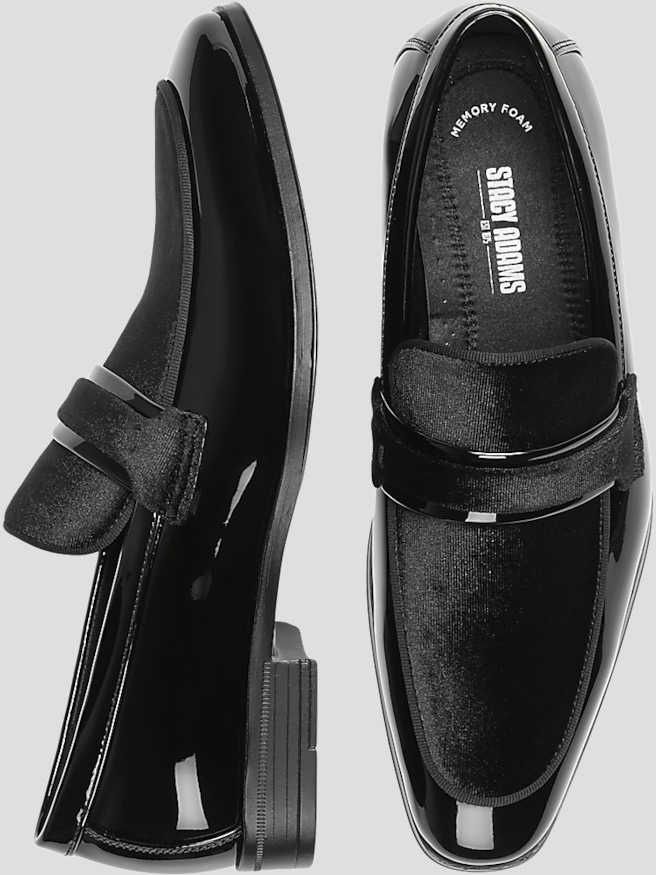
Unique loafers are slip-on shoes distinguished by expressive materials, unexpected color combinations, sculpted soles, or decorative details that give a familiar silhouette a stronger personality. Their appeal comes from that balance: the convenience of a shoe without laces, paired with enough visual interest to shape an outfit. A classic penny strap can look fresh in contrasting leather, while tassels, metal hardware, woven uppers, or embossed textures add depth without changing the basic form. Some designs make their statement through a substantial lug sole; others rely on a rich burgundy finish, a softly burnished toe, or the subtle sheen of velvet. The best choice depends less on how unusual a shoe looks by itself than on how naturally it fits into the clothes and occasions already in a wardrobe. For an office with a relaxed dress code, dark leather loafers with restrained hardware can bring character to charcoal trousers and a fine-gauge sweater. For dinner or a celebration, a sleek shape and a textured upper create a focal point beneath tailored pants. More substantial soles work well with straight-leg denim, corduroy, and heavier layers during the cooler months, when a delicate shoe can look out of proportion beside a thick knit or wool coat. Keeping the rest of an outfit relatively quiet lets a distinctive loafer feel intentional rather than busy. A patterned shoe might need only solid trousers and a crisp shirt, while a two-tone design can echo one color elsewhere in the outfit. Trouser length matters, too: a clean hem with little excess fabric reveals the vamp and preserves the shoe’s shape. These details make unique loafers useful for anyone who enjoys expressive footwear but still wants a practical foundation for getting dressed. Their character can be bold or understated, whether that means a pronounced sole visible across a room or fine woven texture noticed only up close.
Materials influence both the appearance of distinctive loafers and how they behave through regular wear. Smooth leather can develop creases and a mellow patina, with its surface responding to suitable conditioning and polishing. Suede has a softer, more relaxed look that pairs naturally with brushed cotton, flannel, and textured knitwear, although moisture and surface marks call for extra attention. Embossed leather offers visual depth, while woven construction introduces a dimensional pattern that can become the main feature of an otherwise simple shoe. Velvet and other fabric uppers often suit indoor celebrations, where their texture can stand out without exposure to wet sidewalks. None of these materials guarantees comfort on its own; the lining, seams, sole flexibility, and overall shape matter just as much. Because loafers do not have laces to adjust their hold, a secure fit across the instep and around the heel is especially important. The toes should have space to rest naturally, without being pressed against the front or squeezed from the sides. A small amount of heel movement may occur in some constructions, but repeated slipping, rubbing, or the need to grip with the toes suggests the fit needs another look. Trying loafers with the socks intended for everyday wear gives a more useful sense of fit than switching sock thickness afterward. Thin dress socks can suit a close-fitting profile, while thicker socks may require more room through the upper. Leather can soften with wear, but a painful fit should not be treated as a normal stage of breaking shoes in. Sole design deserves similar attention: rubber can provide flexibility and useful traction, depending on its tread, while leather soles offer a traditional finish and may feel slippery on smooth or damp surfaces. Anyone comparing distinctive styling with a simpler everyday look can also explore Easy Loafers, keeping the same priorities of secure fit, suitable materials, and comfort for the intended setting.
Long-term satisfaction with unique loafers often comes down to matching their construction to the way they will be worn, then giving them consistent care. A pair chosen mainly for seated dinners has a lighter workload than footwear used for a commute, several hours at a standing reception, and a walk home. For longer days, cushioning, stable footing, and an upper that holds the foot comfortably can matter more than a dramatic decorative feature. Substantial soles may offer a grounded feel, but added weight can become noticeable after hours of walking. Stitched construction may allow repairs in some cases, though resoling depends on the design and should be confirmed with a qualified shoe repair professional. Regularly checking the heel edges and outsole for uneven wear can help catch problems before they affect comfort or posture. After wear, remove loose dirt with a soft cloth or the appropriate brush, and let the shoes air out away from direct heat. Cedar shoe trees can help leather loafers maintain their shape and absorb some residual moisture; they should fit without stretching the upper. Use care products suited to the exact material and finish, testing first in an inconspicuous area. Suede generally needs a dedicated brush rather than leather cream, and fabric, metallic finishes, decorative hardware, or mixed-material uppers may require separate treatment. Alternating pairs gives shoes time to dry between wears, especially during the cooler months when damp pavement and indoor heating can create changing conditions. Loafers can also make a thoughtful gift for someone who enjoys tailoring, collects interesting footwear, or wants to add personality to familiar outfits. A known size is only a starting point, since width, instep height, and preferred sock thickness influence fit. Taking cues from the recipient’s wardrobe helps narrow the styling: restrained texture for someone who favors classic clothing, stronger contrast for someone comfortable with a statement. Whether worn for work, social occasions, or polished everyday dressing, the most rewarding unique loafers combine recognizable personal style with a shape and finish that remain enjoyable well beyond the first outing.