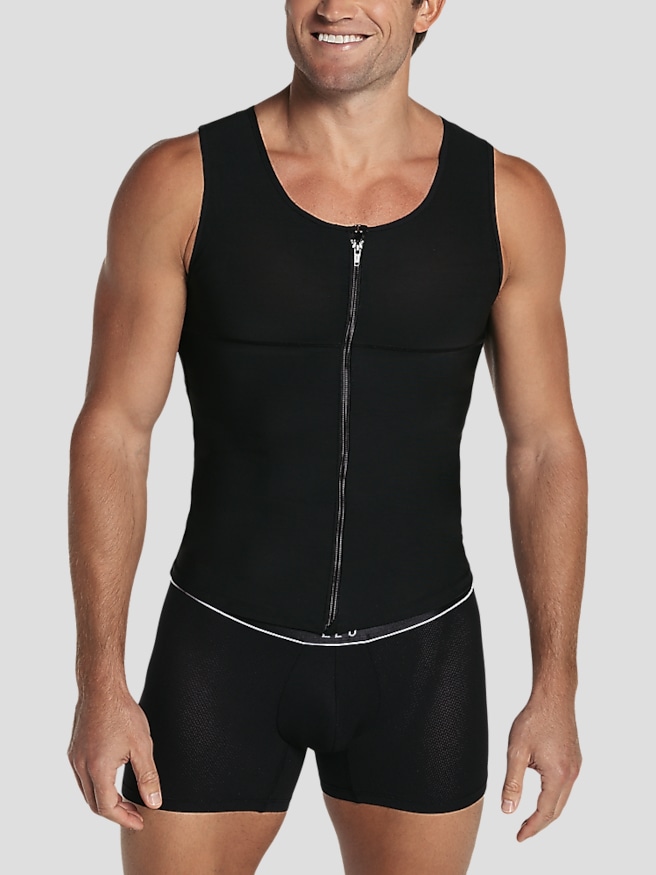
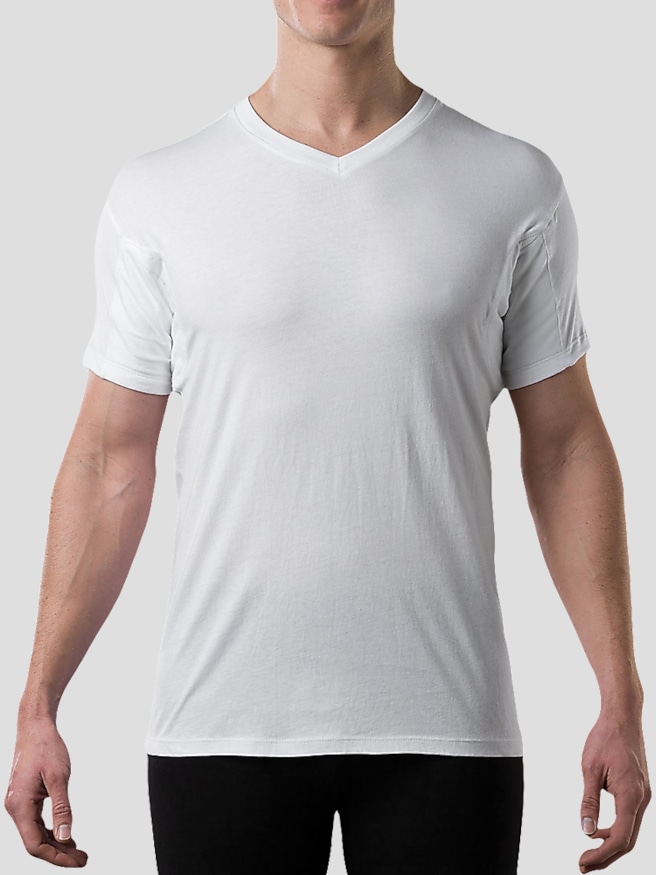
3XL men’s clothing brings everyday comfort and a considered fit to wardrobes built around work, weekends, and occasions that call for a more polished appearance. The size commonly corresponds to XXXL, but the label alone does not define how a garment will sit across the shoulders, chest, waist, or hips. Measurements and cut matter just as much, especially for men who need generous room through one area without excess fabric everywhere else. Big sizing generally provides additional width, while tall sizing adds length through areas such as the torso and sleeves; a standard 3XL and a 3XLT should not be treated as interchangeable. A taller man may need a longer body to keep a shirt tucked in when reaching overhead, while someone with a shorter torso may prefer a standard length that finishes neatly without bunching. Size charts help connect those practical needs to actual garment dimensions, although some charts list body measurements rather than measurements of the clothing itself. Comparing the appropriate chart with a familiar, comfortable fit can make the distinction clearer. Across casual and dressier categories, well-proportioned 3XL clothing should allow natural movement without pulling at closures or leaving large folds beneath the arms. A smooth line through the chest, sleeves that bend comfortably at the elbow, and enough room to sit without tension at the waist are useful signs of a suitable fit. That balance matters during a full day at a desk, a long drive, or an evening spent moving between dinner and conversation. Clothing does not need to fit closely to look intentional, and extra width does not automatically create comfort. The strongest foundation is a shape that follows the body with enough ease for the intended activity. For men building a dependable rotation, consistent proportions often matter more than whether the size printed inside every garment is exactly the same.
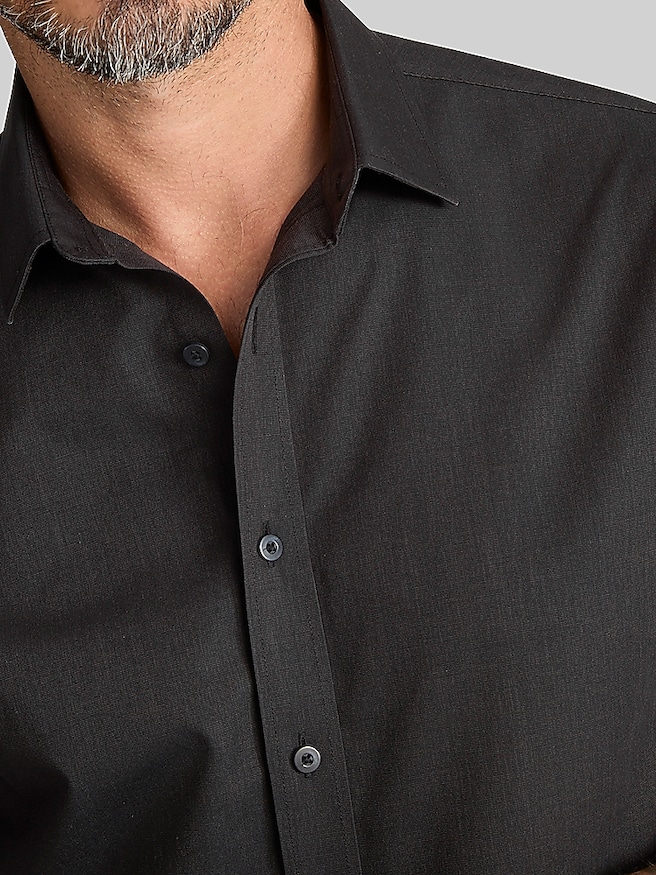
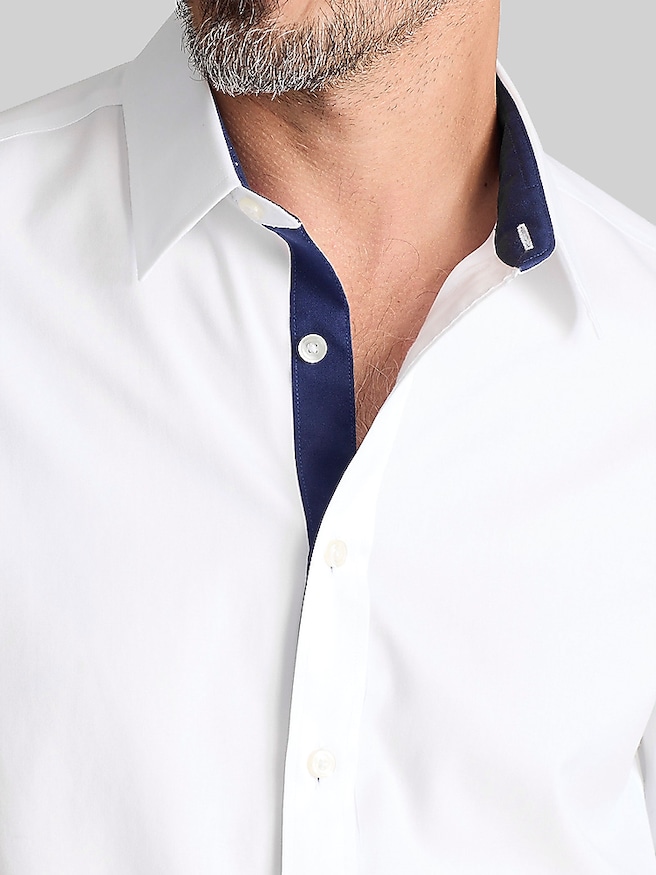
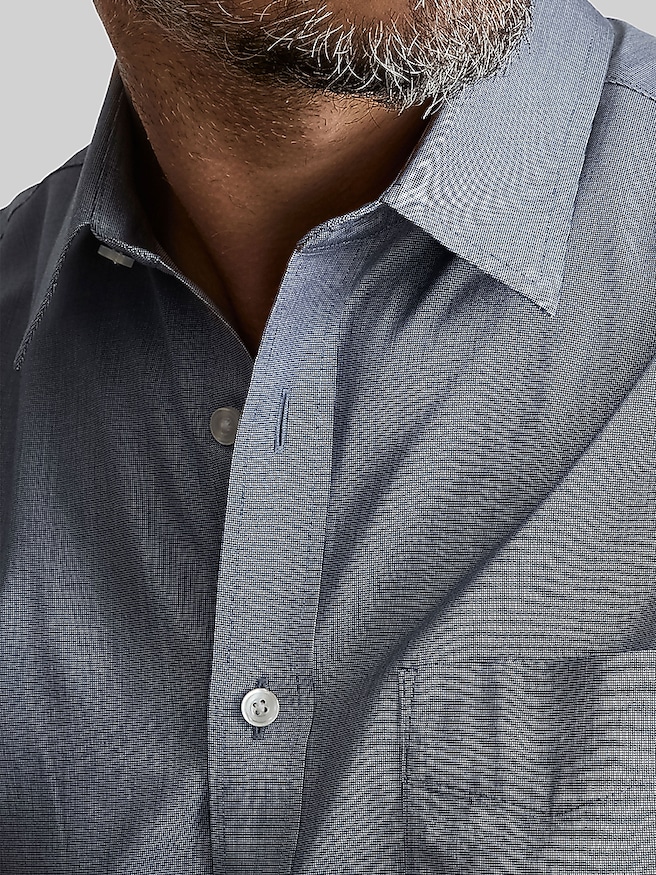
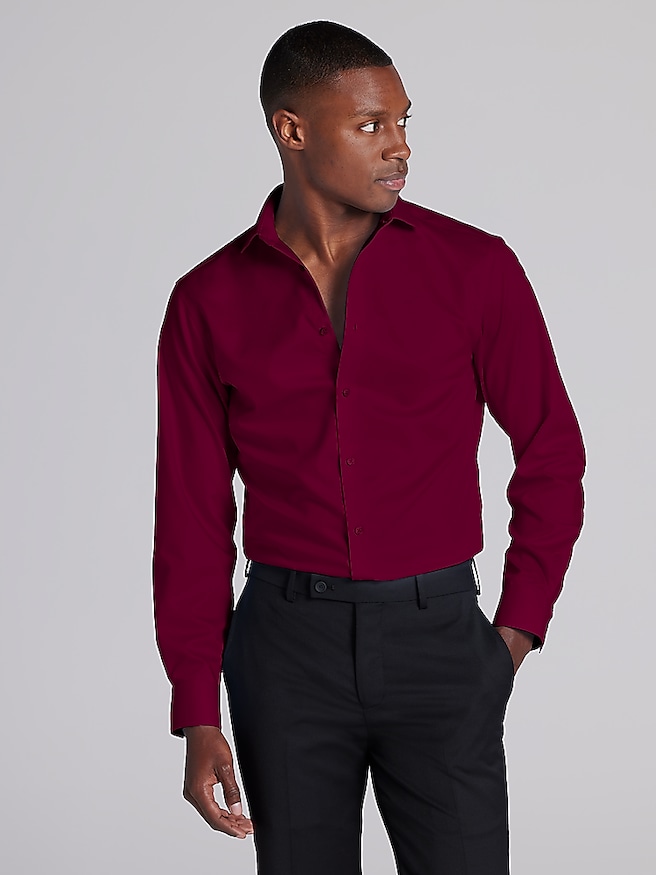
Fabric and construction shape the feel of 3XL men’s clothing as much as its dimensions. Cotton is a familiar choice for its soft hand and absorbency, while cotton blends can combine that feel with improved shape retention or wrinkle resistance, depending on their composition and finish. A small amount of elastane can add useful give when reaching, bending, or sitting, but stretch should support a comfortable fit rather than compensate for a garment that is too tight. Knit fabrics typically have more natural flexibility than firmly woven fabrics, making them well suited to relaxed dressing and frequent movement. Woven fabrics can create a crisper outline for a business setting or a dressed-up meal, with the weave and finishing process influencing softness, drape, and care requirements. Fabric weight also changes how clothing hangs: a substantial knit may skim the torso with less cling, while a lighter construction may feel less bulky beneath another layer. Neither is automatically better; the right choice depends on how the clothing will be worn. Shoulder construction, armhole shape, and sleeve width deserve equal attention because a roomy chest alone cannot prevent restriction through the upper body. For a conventional set-in sleeve, a shoulder seam near the natural shoulder edge often creates a clean appearance, though relaxed designs may intentionally place that seam farther out. Browsing 3XL Shirts can help focus a wardrobe around the neckline, sleeve length, and level of structure that suit everyday routines. A collar that lies flat beneath a jacket, a placket that remains smooth when seated, and a hem that stays in place during ordinary movement all contribute to a finished look. For tucked-in dressing, enough body length helps prevent repeated adjustment. For untucked wear, the hem should look proportionate to the torso and the rise of the pants rather than simply being as long as possible. These small relationships between cut and fabric make clothing feel more natural throughout the day.
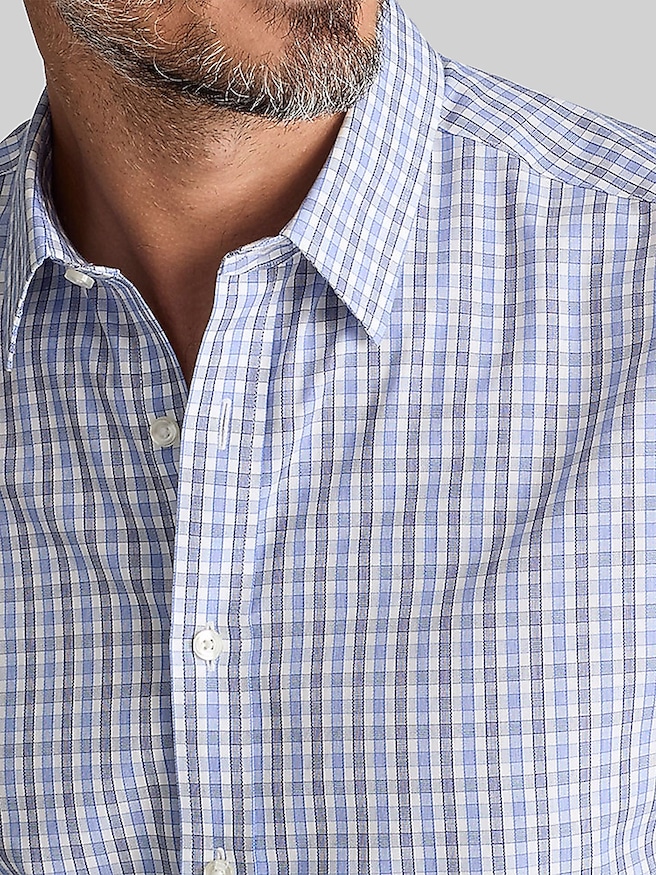
A useful 3XL wardrobe supports more than one setting without requiring an entirely new approach to dressing each time. Solid colors provide an easy foundation for combining pieces, while stripes, checks, and textured fabrics can introduce variety without adding complexity. The scale and placement of a pattern affect the overall impression, but personal preference is more useful than rigid rules about what a larger frame should wear. An open neckline creates a relaxed appearance, while a structured collar can bring definition to an outfit intended for an office meeting or a family celebration. When layering, enough space through the chest and upper arms helps the outer garment settle smoothly over what is underneath; excessive room, however, can allow the fabric to gather and twist. Separately sized pieces are often useful for men whose upper- and lower-body measurements do not align with a single size designation. Pants may use waist and inseam measurements rather than an alpha size, so a 3XL top does not establish the right trouser dimensions. For clothing worn repeatedly, durability depends on sound stitching, secure closures, suitable fabric, and care that matches the label. Even seams, neatly finished edges, and fabric that returns to shape after gentle stretching can be helpful details to examine, though appearance alone cannot guarantee longevity. Washing according to the care instructions, avoiding unnecessarily high dryer heat, and removing clothing promptly when the cycle ends can help preserve shape and reduce wrinkles. Knitwear often keeps its proportions better when folded rather than left hanging from the shoulders, while structured garments benefit from supportive hangers. Stains are best addressed promptly using a method appropriate to the fabric, and any dry-clean-only instructions should take precedence over a usual laundry routine. Clothing can also make a thoughtful gift for a partner, father, or friend when the recipient’s measurements and preferences are known. Confirming standard versus tall proportions, a favored sleeve length, and the fit of a well-loved garment makes the choice more personal. Whether dressing for familiar routines or meaningful occasions, the goal remains clothing that feels comfortable, looks balanced, and stands up to regular use.