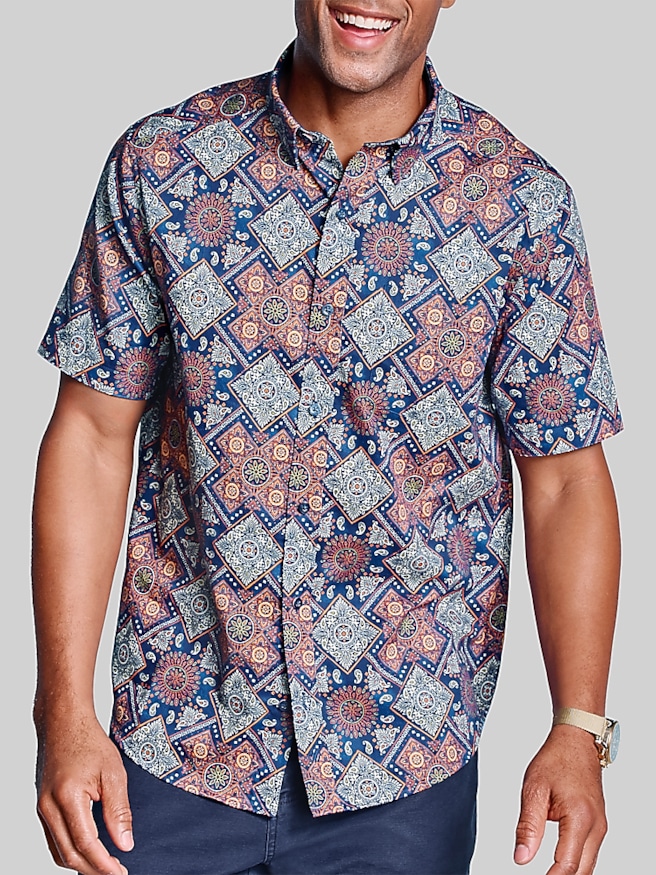
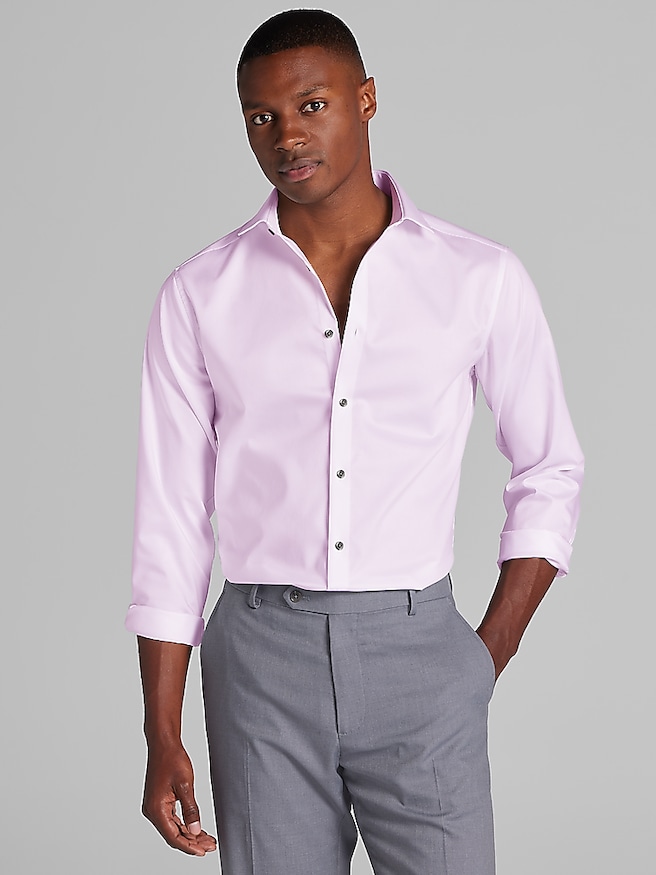
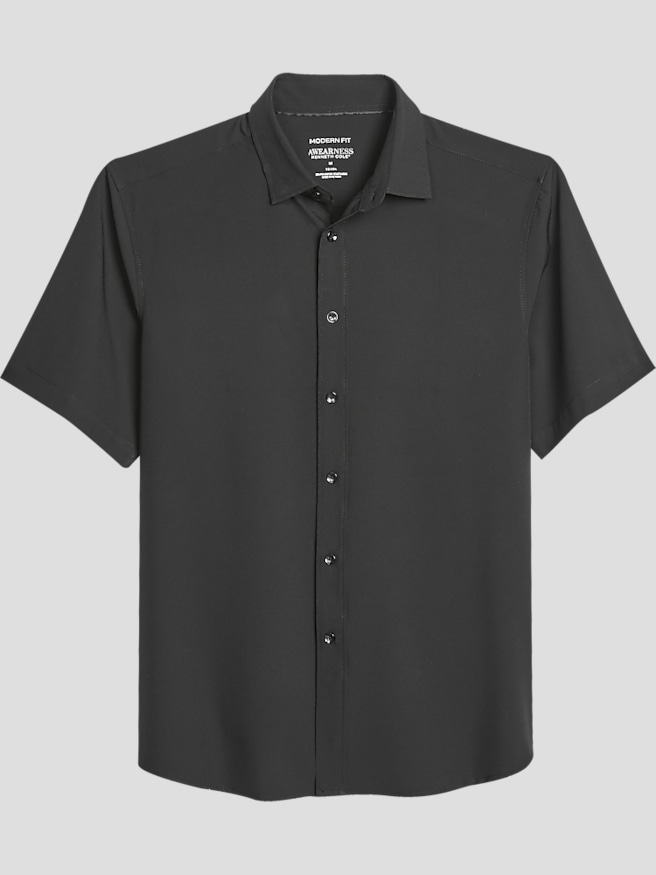
3XL shirts bring extended sizing to everyday T-shirts, polos, casual button-front styles, and dress shirts, but the size label is only the starting point for a comfortable fit. Often labeled XXXL, 3XL does not represent one universal set of measurements; chest width, shoulder placement, sleeve length, and overall proportions can vary by maker and cut. A shirt that fits well has enough room across the chest and midsection to sit smoothly without pulling at the buttons or gathering into excess folds. Shoulder seams generally belong near the edge of the shoulder on traditionally constructed shirts, while dropped-shoulder designs intentionally create a more relaxed outline. Comfort becomes especially noticeable during ordinary movements: reaching for a seat belt, sitting through a meeting, or lifting an arm to a shelf. Fabric should move without the collar tugging backward or the hem riding up excessively. Regular, relaxed, and more shaped fits can all work in 3XL, depending on body proportions and how the shirt will be worn. A closer fit may sit neatly beneath a jacket, while a roomier cut can feel more natural worn on its own. Length deserves separate attention from width. A shirt intended to stay tucked needs enough fabric below the waistband to remain secure when sitting and reaching; an untucked style usually looks more balanced when its hem does not extend too far down the thighs. For taller builds, 3XLT Shirts distinguish a tall size from a standard 3XL, generally adding body length and, where applicable, sleeve length, though exact measurements still vary. Sizing up for extra length can add unwanted width, so comparing standard and tall measurements helps preserve the intended shape. Dress shirts may also use neck and sleeve measurements rather than letter sizing alone. A collar should fasten comfortably without pressing into the neck, and long sleeves should reach the wrist without covering the hand. These details help separate a shirt that merely goes on from one that feels comfortable throughout a full day.
Fabric and construction shape how a 3XL shirt feels, drapes, and holds up to repeated wear. Cotton is a familiar choice for its softness and ability to absorb moisture, with the finished feel depending on yarn, weave, fabric weight, and finishing. A cotton jersey T-shirt has a flexible, casual drape, while a woven cotton button-front shirt generally holds a more defined outline. Oxford cloth has a textured appearance that works naturally with chinos or jeans; a smoother broadcloth offers a cleaner surface for business settings and occasions that call for a tie. Piqué knit brings subtle texture to a polo, giving a simple collared shirt enough structure to look composed without feeling as formal as a dress shirt. Blends can balance several qualities: polyester may improve drying speed and resistance to wrinkling, while a small amount of elastane can add stretch. Fiber content alone does not tell the whole story, however. A shirt’s knit or weave, fabric thickness, and finishing also influence breathability, recovery, and the way it falls over the body. Stretch is useful when it supports movement, not when it compensates for a shirt that is too tight. Across larger sizes, balanced construction matters as much as softness. Seams that lie flat reduce bulk, a stable collar keeps its shape, and securely attached buttons stand up better to regular fastening. On woven shirts, a back pleat can provide additional ease across the shoulders; on knits, well-finished necklines help resist stretching out of shape. Pattern and color affect the overall impression, too. Solid colors create a simple foundation for patterned ties or textured jackets, while checks and stripes add interest when the rest of the outfit is understated. Pattern alignment along the front can make a button-front shirt look more orderly. For a shirt worn beneath another layer, smooth fabric and a collar that sits neatly under lapels often matter more than decorative details.
The most useful 3XL shirts suit the settings in which they will actually be worn. A polo paired with flat-front chinos can feel appropriate for a casual office, a restaurant meal, or a family gathering without requiring a tie. A woven button-front shirt offers another level of polish with tailored trousers, while a plain crew-neck T-shirt keeps jeans or casual pants uncomplicated. Under a jacket, a shirt should leave enough room for movement without creating bunching at the upper arms or waist. Worn open over a T-shirt, a casual button-front style needs enough ease for the additional layer, particularly through the chest and shoulders. Details such as a chest pocket, button-down collar, or straight hem can make a shirt feel more casual, whereas a crisp collar and a curved shirttail often support a dressier, tucked-in look. Personal habits matter just as much as the occasion. Someone who spends much of the day seated may appreciate additional room through the midsection, while someone frequently reaching or bending may notice shoulder mobility and hem coverage first. Care requirements should fit those routines as well. The care label is the best reference for washing, drying, and ironing because shirts with similar appearances can require different handling. Excessive dryer heat can shrink some cotton fabrics and affect stretch fibers; following the recommended settings helps protect fit and texture. Promptly removing shirts from the dryer can reduce set-in wrinkles, and hanging woven shirts with the collar and shoulders arranged neatly helps them retain their shape. Knit shirts may benefit from folding when hanging would stretch the shoulders. For gifting, a familiar size label is useful, but measurements from a well-fitting shirt offer a stronger reference when taken consistently with the maker’s sizing instructions. Everyday colors and the recipient’s preferred collar style are practical starting points. A thoughtfully chosen 3XL shirt combines the right proportions, fabric feel, and level of polish for the person wearing it, making comfort and appearance work together rather than compete.