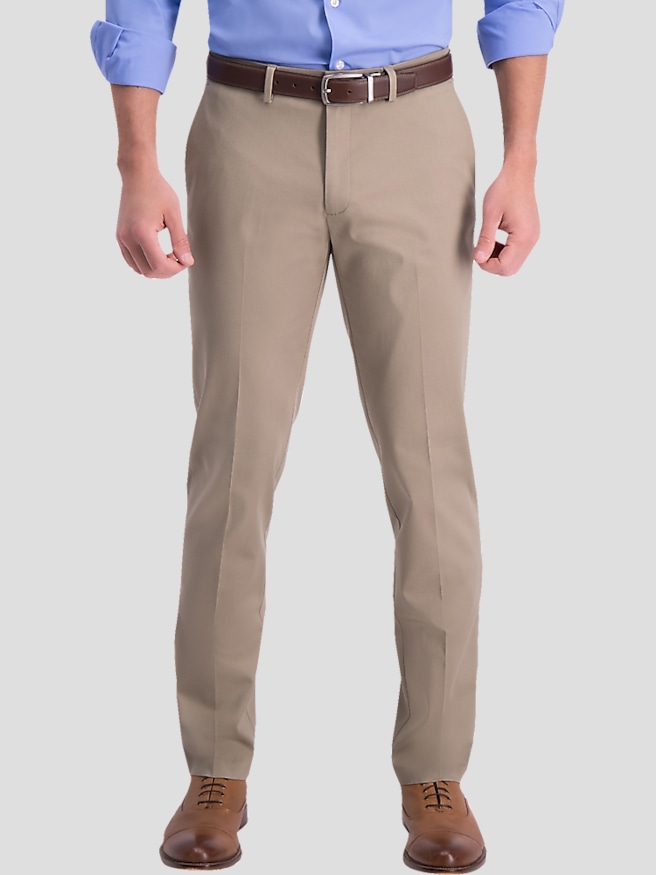
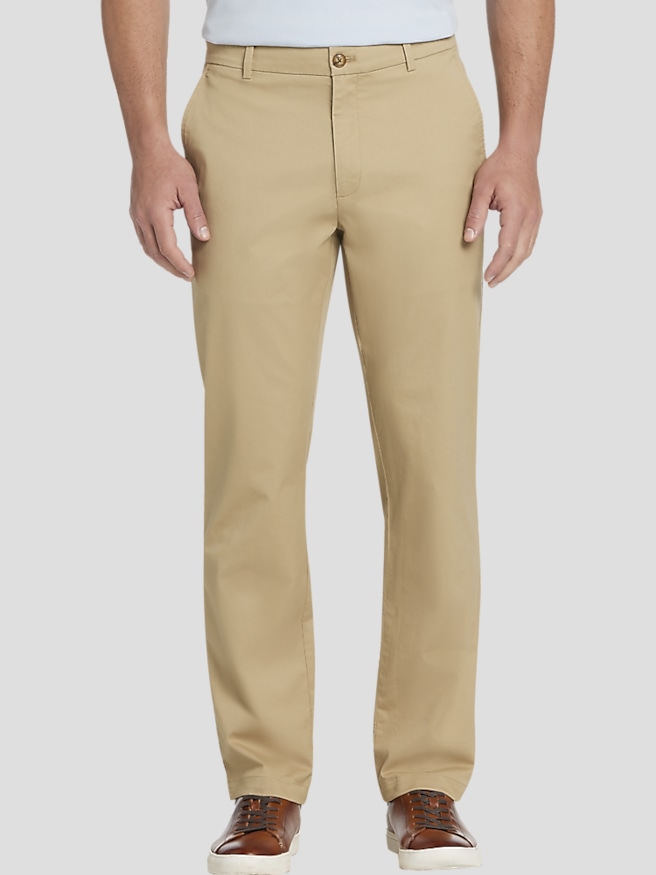
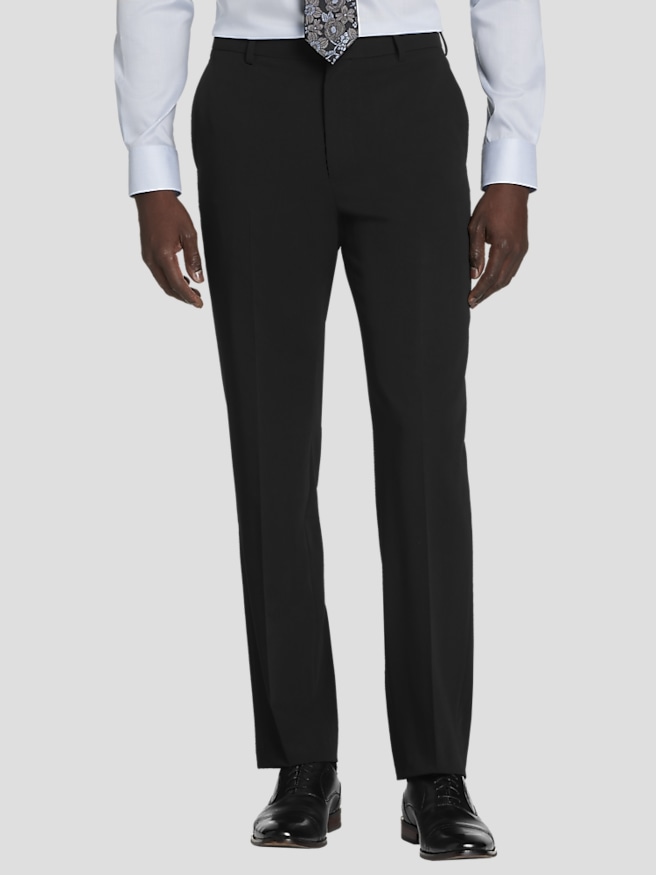
32x34 pants are men’s pants labeled for a 32-inch waist and a 34-inch inseam, with the inseam measured along the inside leg from the crotch seam to the hem. This combination pairs a relatively trim waist measurement with a longer leg length, making it a useful starting point for someone who needs extra length without a larger waistband. Height alone does not determine the right size: two people of the same height can have noticeably different leg lengths, and the way pants sit at the waist also affects how the hem falls. The numbers describe the labeled size rather than guaranteeing identical measurements across every cut and fabric. Within that size, slim, straight, and more relaxed silhouettes create distinct shapes. A slim leg follows the body more closely through the thigh and calf, while a straight leg leaves a more consistent line from the knee toward the ankle. A roomier cut can provide additional space through the seat and thigh without requiring a larger waist. Rise matters just as much as leg shape. A lower rise sits farther down the torso, while a higher rise brings the waistband closer to the natural waist and changes the balance between a tucked shirt and the trouser leg. Comfortable 32x34 pants should stay in place without a belt doing all the work, lie smoothly across the seat, and allow enough room to sit without pronounced pulling at the pockets or fly. The full effect becomes clearer with shoes on. A narrow opening may rest neatly against a loafer, while a wider opening can drape over a lace-up dress shoe. A slight break creates a small fold above the shoe; a cleaner, shorter finish shows less fabric at the ankle. These details explain why two pairs with the same waist and inseam can look and feel quite distinct.
Fabric gives 32x34 pants much of their character, from the crisp surface of dress trousers to the familiar texture of denim. Wool and wool-blend fabrics can offer a refined drape suited to tailored clothing, with a crease that helps define the front of the leg. The weight and weave influence how structured or fluid those trousers feel, so fiber content is only part of the story. Cotton twill, commonly associated with chinos, has a diagonal weave and a finish that works comfortably between casual and more polished settings. Denim brings a more substantial texture, with darker, evenly colored finishes generally creating a cleaner appearance than heavily faded treatments. Synthetic blends can contribute shape retention, wrinkle resistance, or easier care, depending on their composition and construction. A small amount of stretch fiber may make bending, sitting, and walking feel less restrictive, especially through a close-fitting seat or knee. Stretch does not replace a suitable cut, however; pants that pull strongly across the hips or slide down when seated may need another silhouette rather than more give in the fabric. Construction also influences everyday durability. Even stitching, secure pocket openings, a smoothly operating closure, and neatly finished seams all matter in pants worn repeatedly for desk work, commuting, or an active schedule. Pocket placement affects both appearance and function: a phone or wallet can interrupt the line of a close-fitting pair, while excessive bulk can place strain on pocket edges. Care requirements deserve equal attention. Some tailored fabrics call for professional cleaning, while many cotton and blended fabrics permit machine washing according to the care label. Washing temperature, drying method, and pressing recommendations can affect shrinkage, surface texture, and the finished length. That last detail is especially relevant when a 34-inch inseam provides just enough coverage. Following the garment’s care directions helps preserve both the fit and the fabric rather than treating every pair of pants the same way.
The appeal of pants in a 32x34 size extends across workdays, celebrations, travel, and time off, with the fabric and silhouette setting the tone for each occasion. Tailored trousers with a smooth front and a defined crease can anchor an outfit for a client meeting, interview, or dinner that calls for a polished appearance. With a tucked dress shirt, the waistband becomes part of the visible outfit, so a clean fit through the midsection matters as much as the shape of the leg. Chinos offer another kind of versatility: a button-front shirt and leather shoes can make them feel considered without the formality of a full suit, while a polo or simple knit shifts the same general style toward a relaxed setting. Jeans work well when the occasion allows a more casual texture, especially with an uncluttered finish and a leg opening that sits comfortably over the chosen footwear. Color helps establish that distinction, too. Charcoal and navy tend to coordinate easily with dress shirts and sport coats; tan, olive, and gray can bring variety to everyday combinations without demanding a complicated outfit. For someone who spends much of the day seated, comfort through the waist and thigh may take priority over a sharply tapered ankle. Someone moving between appointments may place more value on fabric recovery and a shape that stays composed after repeated wear. Pants can also make a practical gift when the recipient’s size, preferred rise, and usual cut are already known, since the waist and inseam alone do not capture every fit preference. Adjacent sizes serve separate needs rather than acting as automatic substitutes. The collection of 34W Dress Pants relates to a 34-inch waist designation, not a 34-inch inseam, an important distinction when comparing size labels. For a 32x34 fit, the strongest foundation is a comfortable waistband, adequate room where the body moves, and a hem that works with the shoes and setting. Together, those details make the size meaningful beyond the numbers on the label.