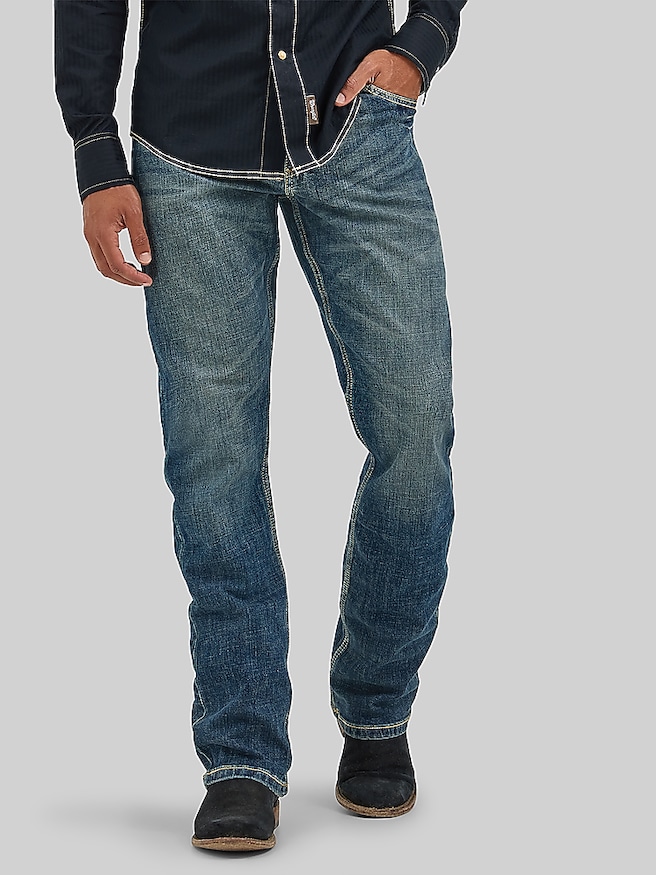
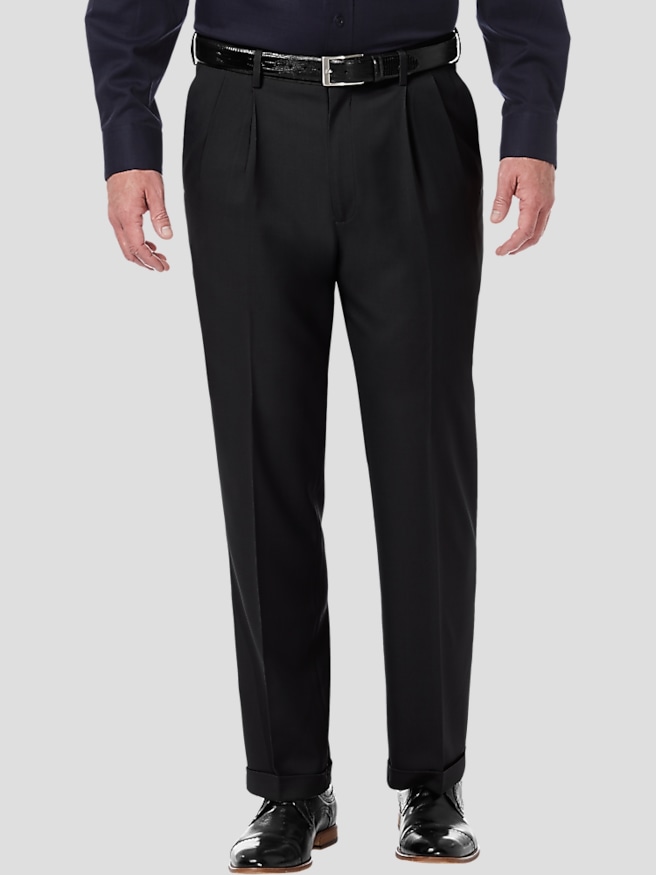
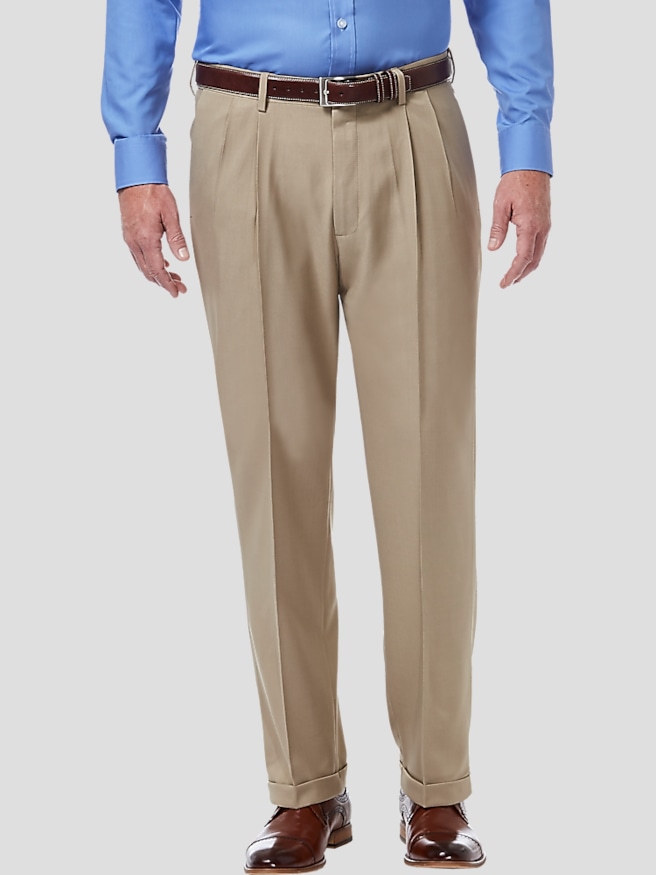
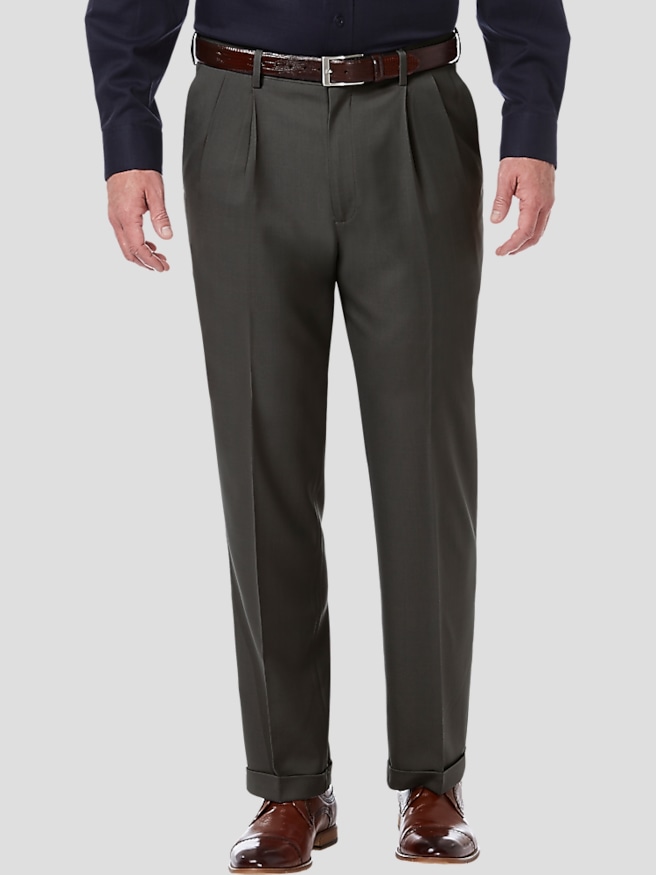
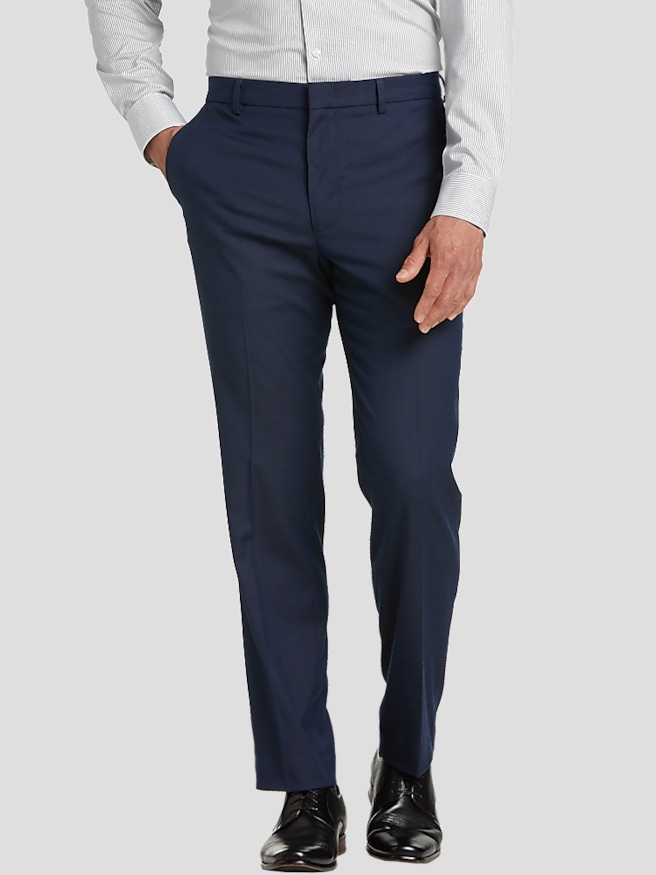
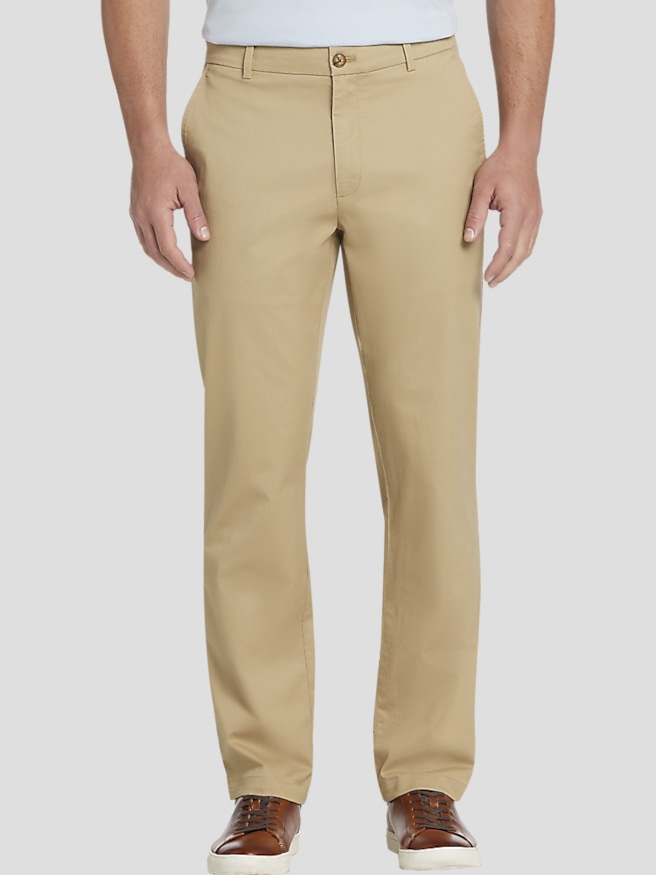
31x30 pants pair a labeled 31-inch waist with a 30-inch inseam, a combination that helps narrow the search for trousers with the right balance of waist size and leg length. The inseam runs along the inside of the leg from the crotch seam to the hem; it is not the full length of the pants from waistband to cuff. These measurements provide a useful starting point, although the finished fit also depends on the cut, rise, fabric, and construction. A 31-inch waist label does not guarantee identical measurements across every style, and a 30-inch inseam can fall noticeably higher or lower depending on where the waistband sits and which shoes complete the outfit. For someone who often finds standard-length pants bunching at the ankles, this size may create a cleaner line without excess fabric collecting over the shoes. Slim-fit pants generally sit closer through the seat and thighs, while straight-fit pants maintain a more consistent leg shape. A tapered leg narrows toward the ankle and can look especially neat with loafers or low-profile sneakers. Room through the hips and thighs matters just as much as the waistband: pockets should lie reasonably flat, and the front should not pull into tight horizontal lines when standing. Comfortable 31x30 pants also leave enough ease for sitting through a meeting, climbing stairs, or stepping into a car. The rise affects that comfort by determining where the waistband rests and how much space there is between the waist and crotch. A mid-rise cut can provide a familiar balance for everyday dressing, while another rise may better suit a particular build or preferred silhouette. At the hem, a slight break creates a small fold where the fabric meets the shoe; little or no break gives the leg a sharper finish. Neither look is universal. The most natural result reflects the width of the pant leg, the shape of the footwear, and the setting in which the pants will be worn.
Fabric gives 31x30 pants much of their character, from the soft, lightly textured surface of cotton chinos to the smoother drape associated with dress trousers. Cotton twill has a diagonal weave and enough structure to work well for everyday casual outfits, particularly with an Oxford shirt, a knit polo, or a sweater. A small amount of elastane or spandex can add give when bending or sitting, but stretch does not replace adequate room through the waist and seat. Fabric weight matters, too. Lightweight cloth tends to feel less substantial and can be comfortable indoors, while a medium-weight weave often provides a useful balance of coverage, drape, and versatility during the cooler months. Wool and wool-blend dress pants can offer a refined surface and fluid movement, with performance varying according to the weave and blend. Textured fabrics such as flannel add visual depth beside a smooth shirt or fine-gauge knit. Synthetic fibers may contribute shape retention, wrinkle resistance, or easier care, though those qualities should be confirmed in the fabric description rather than assumed from appearance. For outfits centered on a tailored waist size, 31W Dress Pants offers a related focus on dressier trousers, with inseam and finishing details still worth checking separately. Color also changes how a pair fits into a wardrobe. Charcoal and navy create a restrained foundation for business clothing, while khaki and olive lend themselves to more relaxed combinations. Black can look crisp with a tonal sweater or a white shirt, especially when the fabric and shoes share a similar level of formality. Subtle patterns introduce interest without demanding much from the rest of the outfit. Construction details deserve attention alongside color and cloth: secure pocket openings, evenly sewn seams, a neatly finished waistband, and a smooth-working closure all contribute to daily wear. Lining, when present, can affect comfort and how easily the trousers move over the legs. These less visible features often become most noticeable after several hours of use.
The appeal of a well-fitting pair of 31x30 pants is how easily it supports ordinary routines as well as occasions that call for more polish. Dress trousers with a pressed shirt and leather shoes suit an office presentation, a celebratory dinner, or a wedding where the dress code permits separates. Chinos with a textured sweater can move comfortably from a casual workplace to an evening meal, while a clean hem keeps the outfit looking intentional rather than unfinished. During the cooler months, a pant leg with enough room to sit over an ankle boot helps prevent fabric from catching at the top of the shoe. For travel or long days at a desk, a comfortable waistband and fabric with some recovery can be more useful than an especially narrow cut. Pants can also make a practical gift for someone whose preferred measurements are known, though matching the fit and fabric of a well-loved pair is often as important as matching the size label. Lasting appearance depends partly on care. The sewn-in care label should determine whether a pair is machine washable, suitable for professional cleaning, or subject to other requirements. Washable cotton and stretch blends may benefit from gentle cycles and lower drying temperatures when permitted, since excessive heat can affect shrinkage, color, and elastic fibers. Wool trousers often benefit from airing between wears and careful brushing to lift surface dust, with cleaning handled according to their instructions. Hanging pants neatly after wearing helps limit deep creases behind the knees and keeps the leg line more orderly. Overfilled pockets can distort the silhouette and place extra stress on seams, so a bulky wallet or phone is worth considering when assessing everyday comfort. Rotating pairs also gives fabric time to recover between outings. With an appropriate cut, suitable material, and consistent care, 31x30 pants can provide the dependable proportions that make getting dressed simpler: a waistband that feels secure, room to move, and a hem that meets the shoes cleanly.