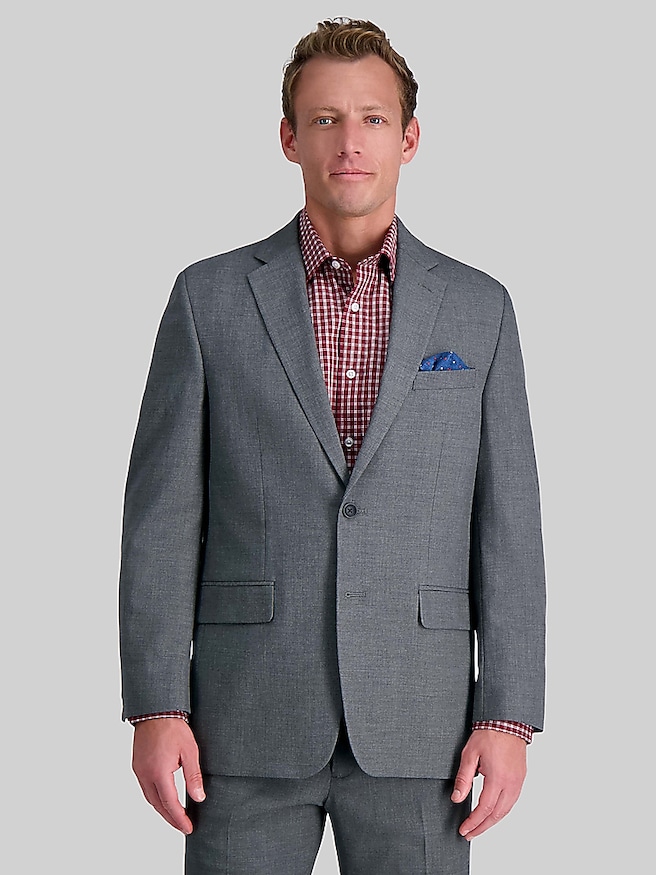
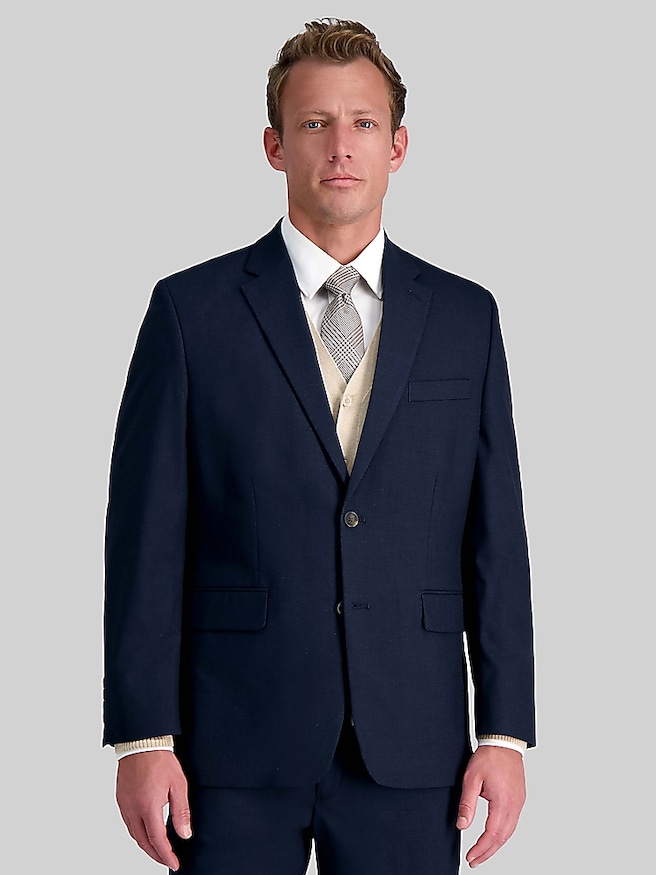
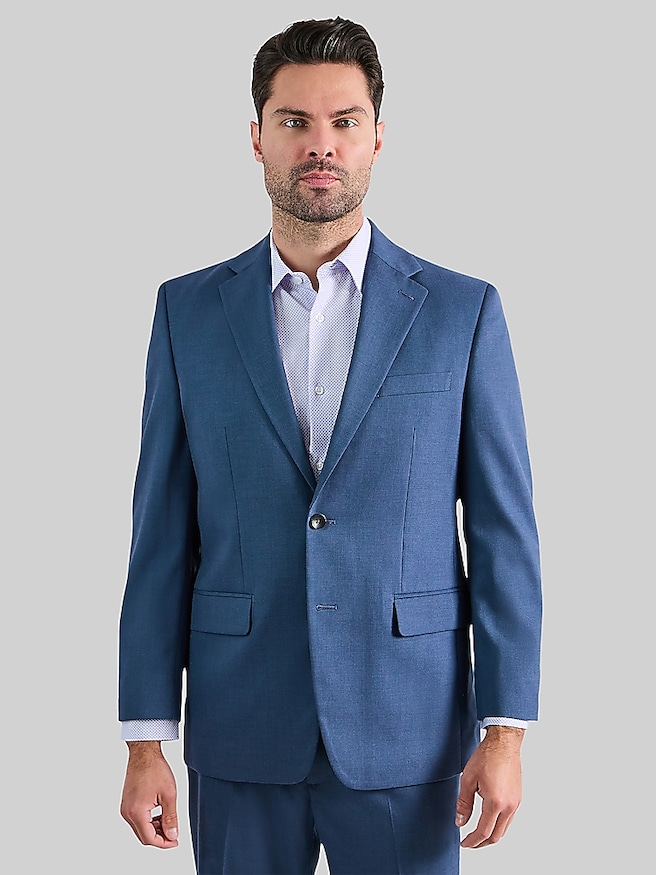
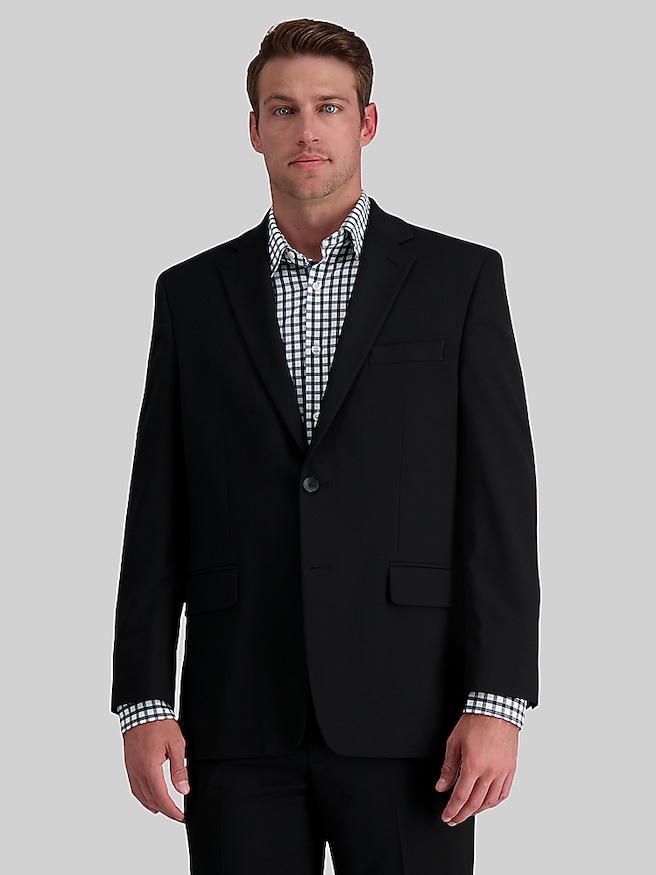
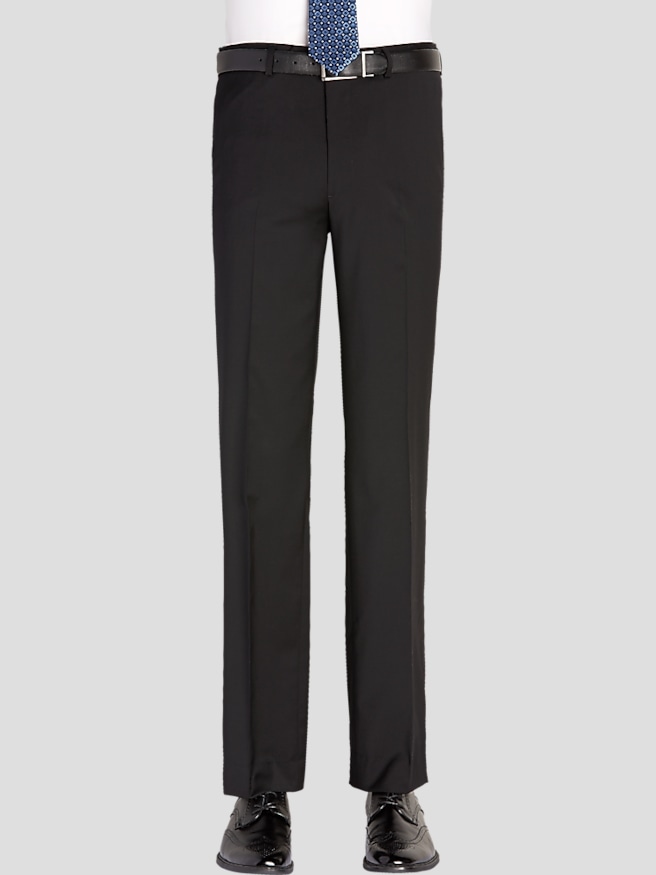
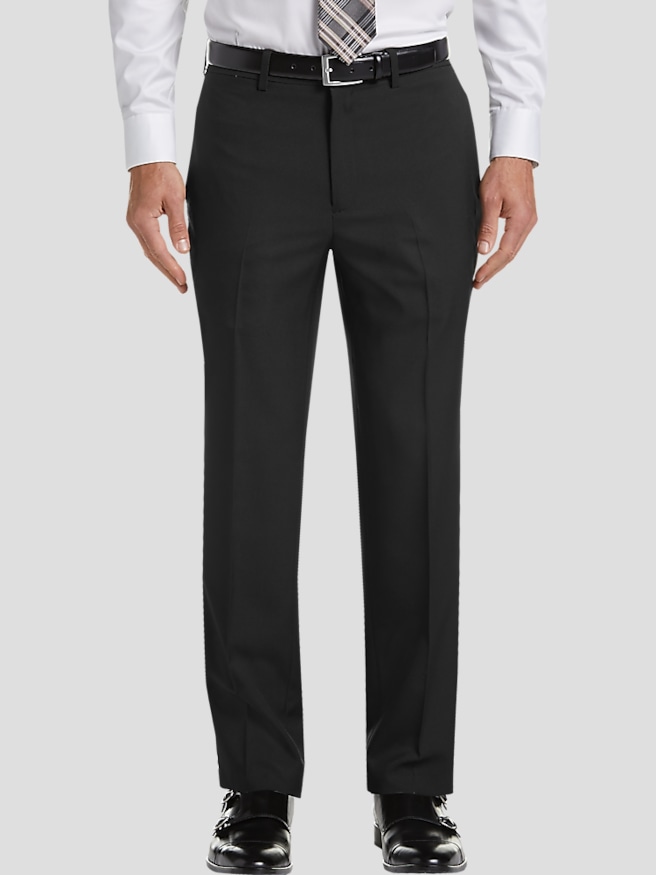
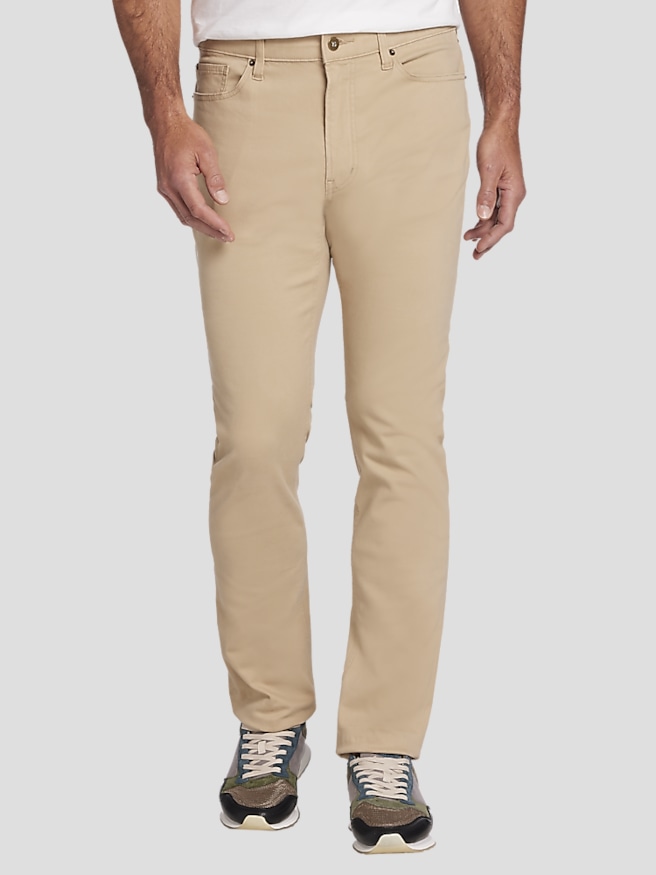
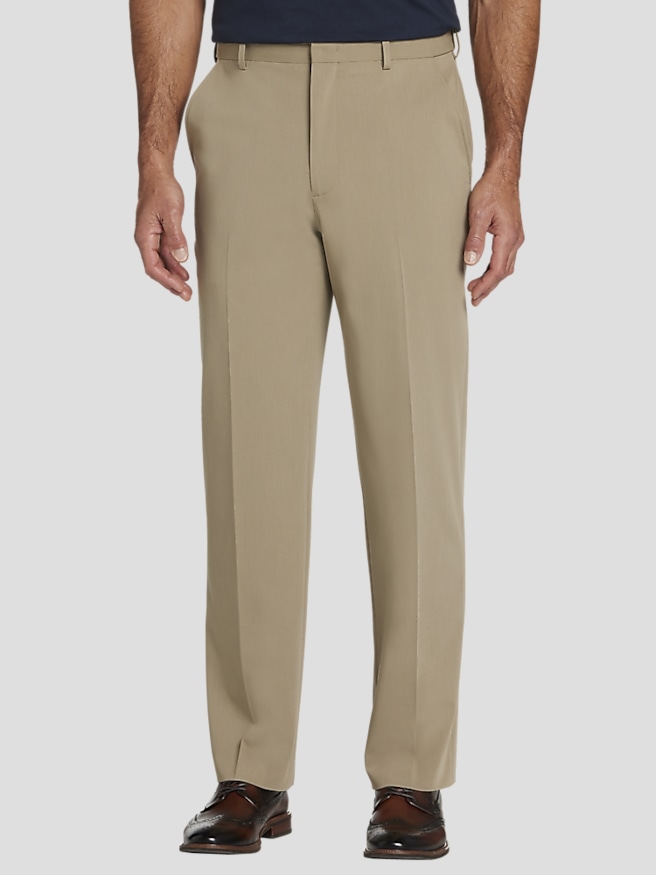
34W dress pants are designed around a labeled 34-inch waist, with inseam length specified separately to help establish the right proportion from waistband to hem. That distinction matters: two pairs with the same waist size can sit and drape quite differently depending on their rise, cut, and leg length. For office days, wedding celebrations, evening dinners, and other occasions that call for polished clothing, a comfortable waistband is only the starting point. The seat should lie smoothly without pulling, the front pockets should stay reasonably flat, and the thighs should allow enough room to sit through a meeting or climb a flight of stairs. Slim-fit dress pants generally follow the leg more closely, while classic fits tend to provide more room through the seat and thigh. A modern or tailored fit often falls between those shapes, although fit names and measurements vary by maker. An athletic build may benefit from extra thigh room with a tapered lower leg rather than a narrow cut from hip to ankle. Rise also affects comfort, particularly when seated, because it determines where the waistband rests and how much space the pants provide through the crotch. A size chart and body measurements offer a more useful starting point than the waist label alone. Measure near the position where the pants will sit, keeping the tape level and comfortably snug rather than tight. For length, a pair that already hangs well can provide a useful inseam reference. A clean hem with little or no break creates a crisp line above loafers, while a slight break can work well with lace-up dress shoes and a fuller leg. The best proportions let the fabric fall naturally instead of gathering heavily at the ankle. Trying dress pants with the shoes intended for the occasion makes those small adjustments easier to judge, especially when a hem alteration may be needed.
Fabric gives 34W dress pants much of their character, influencing how they feel during a long day and how formally they pair with the rest of an outfit. Wool is valued for its drape, breathability, and ability to recover from light creasing, making it a useful choice for professional settings and dressier occasions. Wool blends can combine that tailored appearance with added resilience or stretch, depending on the fiber content and construction. A small amount of elastane may make reaching, sitting, and walking more comfortable, but stretch should complement a sound fit rather than compensate for pants that are too tight. Polyester blends can offer wrinkle resistance and everyday durability, while cotton-rich fabrics often have a softer, more relaxed appearance that suits less formal offices and dinners. The weave and fabric weight matter as much as the fiber name. A smooth, fine weave looks sharp beneath a blazer; a subtle twill or softly textured finish adds depth without requiring a bold pattern. During the cooler months, a slightly more substantial fabric can pair naturally with a fine-gauge sweater or a layered sport coat, while a lighter cloth may feel more comfortable in heated indoor spaces. Color sets the tone as well. Charcoal offers a restrained foundation for white, pale blue, or softly patterned shirts. Navy works easily with brown leather footwear, and medium gray can bridge business attire and a more relaxed jacket-and-knit combination. Subtle checks or stripes add interest, though solid colors are often simpler to coordinate across a small wardrobe. Flat fronts create a streamlined appearance, while well-cut pleats can provide useful room and a more fluid drape. Neither detail determines formality on its own; the overall fabric, fit, and styling carry more weight. For a presentation followed by dinner, a pressed shirt and structured jacket keep the look composed. For a quieter workplace, a tucked-in knit polo and clean leather shoes can soften the same general silhouette without making it feel casual.
Long-term satisfaction with dress pants depends on construction and care as much as the first fitting. Neat stitching, secure closures, firmly attached belt loops, and pocket openings that hold their shape are practical details worth noticing. Stress tends to concentrate around the seat, inner thighs, pockets, and hems, so adequate room through those areas helps reduce unnecessary strain on seams and fabric. Pocket contents matter, too: a bulky wallet or crowded front pocket can interrupt the drape and place repeated pressure on the lining. Care requirements vary, even among pants that look similar. Follow the sewn-in care label rather than assuming every wool blend needs the same treatment or every stretch fabric is machine washable. When machine washing is permitted, the recommended water temperature and drying method help protect the finish and shape. For pants labeled dry clean only, professional cleaning is the appropriate route. Between cleanings, airing pants after wear and hanging them neatly can help maintain their appearance. Use a hanger suited to trousers, smooth the legs before hanging, and avoid leaving damp fabric folded in a gym bag or suitcase. Pressing should follow the fabric’s heat guidance; a pressing cloth can help protect against unwanted shine. Rotating pairs also gives fabric time to recover and reduces repeated wear in the same places. These habits are especially useful for anyone whose week moves between a desk, a commute, and evening plans. Dress pants can also make a practical gift for someone starting a new job or building a more polished wardrobe, provided waist size, inseam, and preferred fit are known. A familiar pair’s label is helpful, but checking actual measurements makes the choice more informed. When comparing waist categories for another person or reassessing measurements, 38W Dress Pants provides a separate size reference; changing the waist size is not a substitute for choosing the proper cut. With 34W dress pants, the goal is a balanced fit that stays comfortable in motion, holds a clean line while standing, and works naturally with the shirts, jackets, and shoes already in regular use.