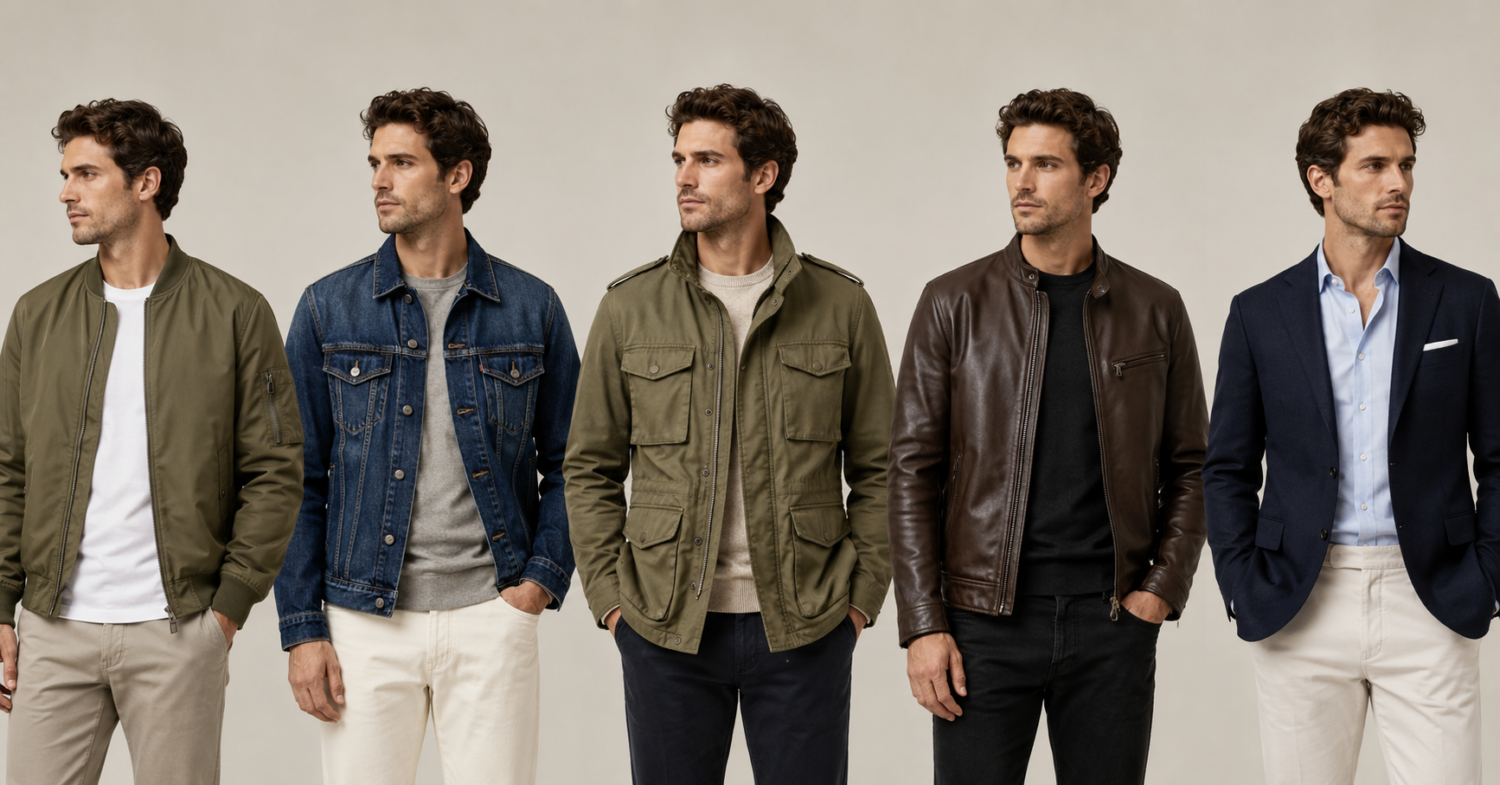

The jacket is a staple in every man’s wardrobe. But you probably need more than one — you can’t wear the same coat to a wedding that you’d wear to the golf course. The right outfit always comes down to the occasion and season. If you don’t know what to wear to your next event, this guide can help. Keep reading to learn the most common types of jackets for men, when to wear them, and how to style each one.
Casual Jackets
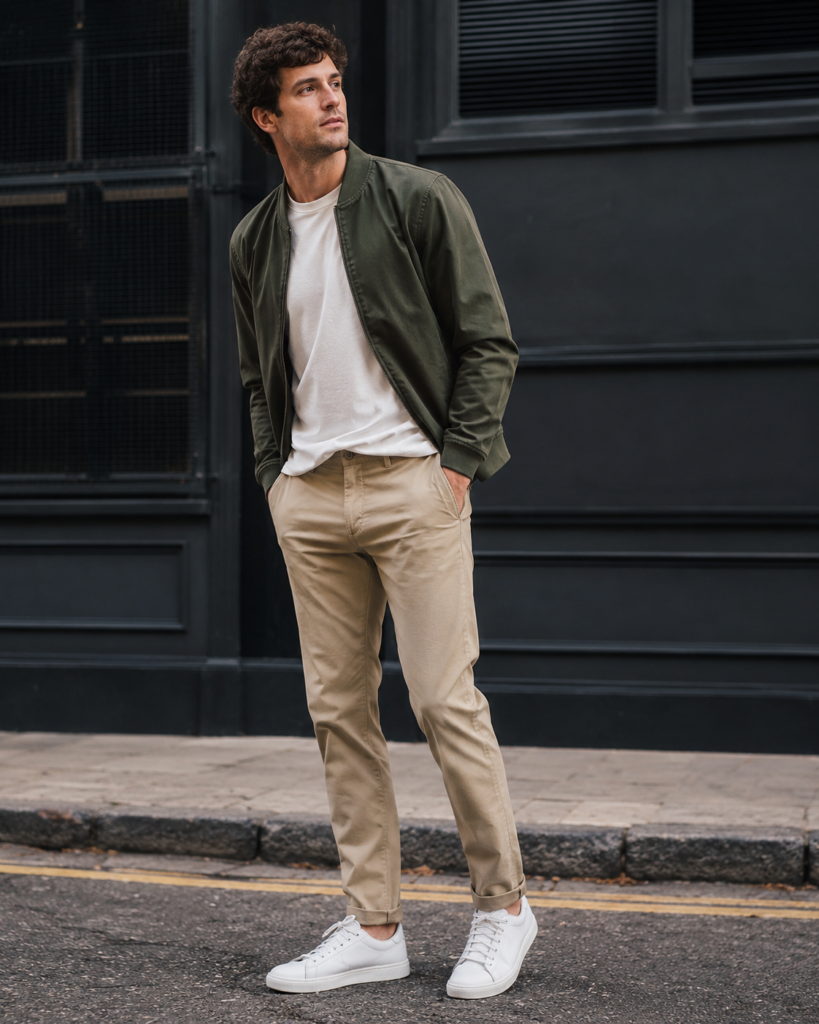
Casual outerwear is perfect for a mid-morning coffee run or Sunday errands, and most sit easily over a t-shirt or sweater and pair well with jeans or chinos.
Harrington Jacket
The Harrington is a lightweight, waist-length jacket originally designed for golfers in the 1930s by two British brothers, John and Issac Miller. It got its nickname thanks to the character Rodney Harrington, who constantly wore this casual coat on the soap opera “Peyton Place.” But its real claim to fame is the actor James Dean, who wore a Harrington in the 1955 classic movie “Rebel Without A Cause.”
You can recognize a Harrington by its stand-up collar and slanted flap pockets. The raglan sleeves have a diagonal seam that connects the underarm to the neckline, creating extra room for arm movement. They come in any color, but traditionally feature a plaid lining. Harringtons are a smart-casual staple that look equally great with jeans and chinos.
Bomber Jacket
The bomber jacket first appeared in World War I, when the U.S. Army Aviation Clothing Board realized fighter pilots needed a special garment to withstand the conditions of an open-air cockpit. Traditionally made from durable leather with heavy fur or shearling linings to withstand high-speed wind, bombers are both stylish and practical. Modern bomber jackets come in more lightweight options made out of nylon and polyester, but you can always identify it based on its fitted cuffs.
The bomber pairs well with a t-shirt, hoodie, or a button-down shirt, a pair of jeans or chinos, and clean sneakers.
Leather Jacket
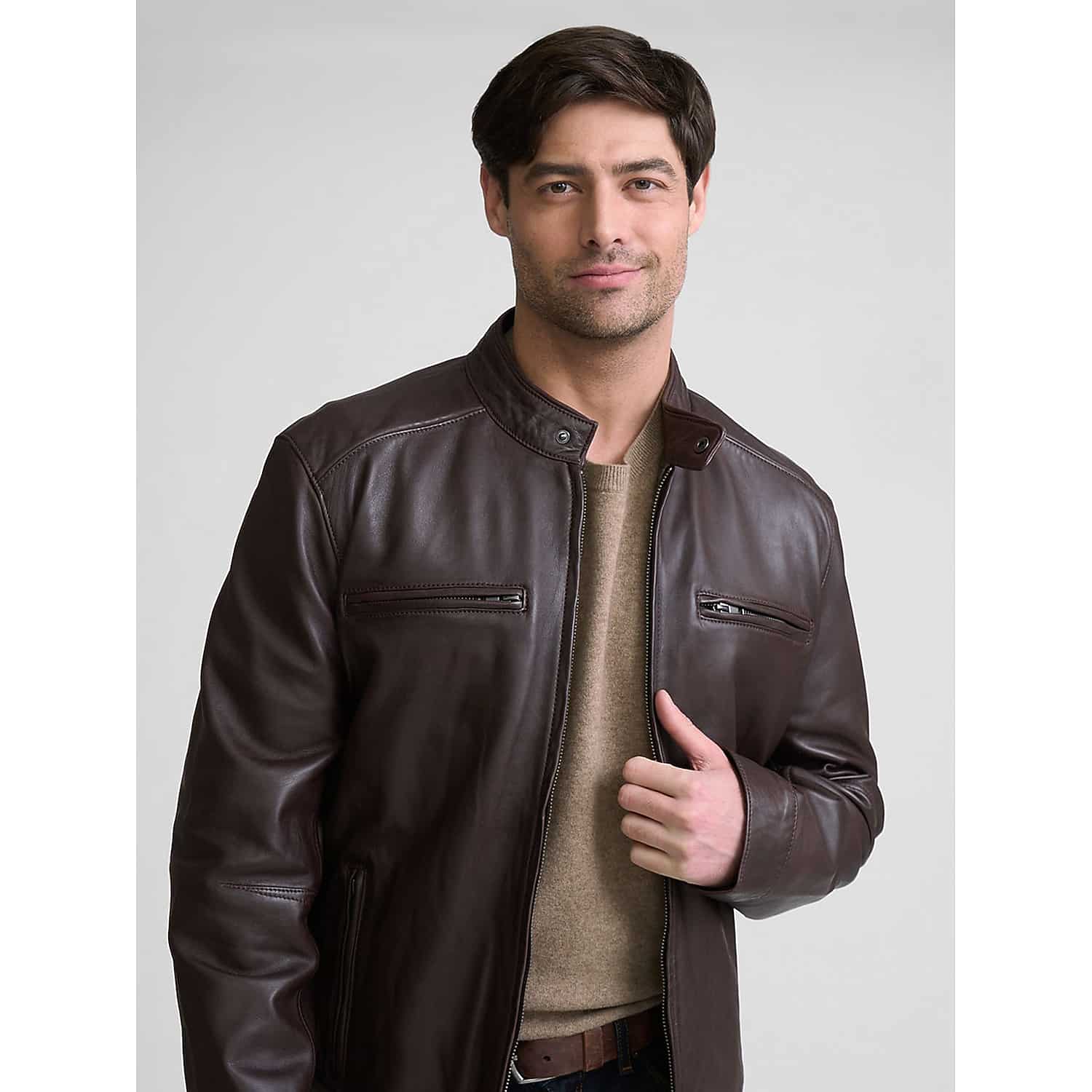
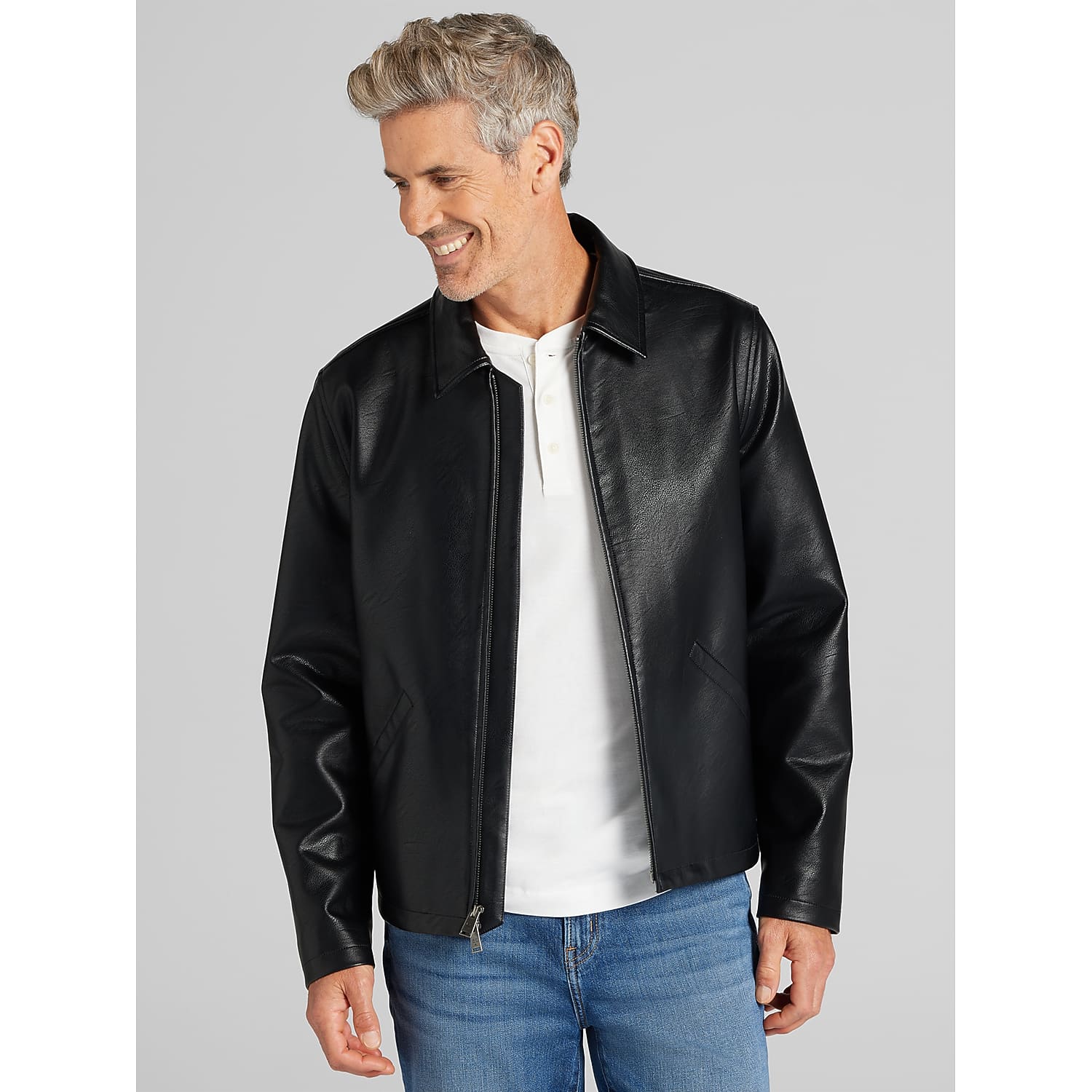
Eleven years after the U.S. military created the leather bomber jacket, New York designer Irving Schott adapted it for a growing population — motorcycle riders. He got rid of the fur lining, relaxed the cuffs, and added an asymmetrical front zipper. Like the Harrington, the leather jacket became a fashion statement thanks to Hollywood. Marlon Brando popularized it in the biker movie “The Wild One” (1953), then Elvis Presley made it synonymous with rock stars.
The biker jacket, with its wide lapels and belted waist, is still a classic. But you may also see moto jackets, which fit closer to the body and feature a subtle snap-button collar. You can never go wrong by wearing a leather jacket with jeans and a pair of boots.
Workwear Jackets
Rugged workwear jackets prioritize durability and warmth. Made with heavier cloth, these jackets were traditionally worn on job sites and farms but have become trendy options for urbanites.
Chore Coat
Designed for laborers and farmers, the chore coat originated in 19th-century France — which is why it’s also called a French worker’s jacket. This simple, boxy jacket is traditionally made out of sturdy fabrics like denim, fleece, and moleskin. It has roomy pockets and button cuffs you can roll up. You can get chore coats in any color today, but they were traditionally dyed a deep indigo (which inspired the term “blue-collar worker”).
The chore coat became extremely popular in the U.S. by the 1920s, when companies began mass-producing versions made of corduroy with leather collars. Midwesterners started calling it a “barn jacket,” a name that many American brands still use today.
Chore coats are traditionally worn with jeans, but they look chic with an Oxford shirt, chinos, and leather sneakers.
Duck Jacket
No, duck jackets weren’t named for the water fowl — though they are water repellant. Duck cotton is a tightly woven canvas that gets its name from the Dutch word doek (meaning “cloth”). The fabric was traditionally used by sailors, but Levi Strauss made it especially popular when he used it in his first pair of blue jeans.
Duck jackets, sometimes called canvas jackets, typically come in shades of brown, though you can find them in other neutral colors, such as black, gray, and navy. They usually have a folded collar in a contrasting color and heavy-duty brass or metal zippers and buttons. They can be stiff but warm, and do a great job blocking the wind. Try one on with a pair of jeans before your next backyard bonfire this fall.
Technical and Cold-Weather Outwear
Built for layering, technical outwear prioritizes warmth and performance in a streamlined style.
Fleece Jacket
Fleece is a synthetic fabric that has been mechanically brushed to create a soft, raised texture known as pile. It can come in light, medium, or heavy weights, but they’re all designed to keep you warm.
Fleece jackets often look like sweatshirts from a distance, because they come in quarter-zip or half-zip styles. Pair them with joggers and sneakers if you’re heading out on a trail, or throw them over a pair of jeans to run errands.
Performance Jackets
When the weather calls for storms, pull out a performance jacket. A softshell, like a windbreaker or a raincoat, can protect you from wind and rain while a hardshell offers more serious waterproofing for snow.
If you’re looking for maximum warmth, pair a performance jacket with a fleece or other base layer. These jackets may be built for function, but you can pair one with a pair of well-fitting jeans and leather boots for a sleek look.
Formal and Tailored Jackets
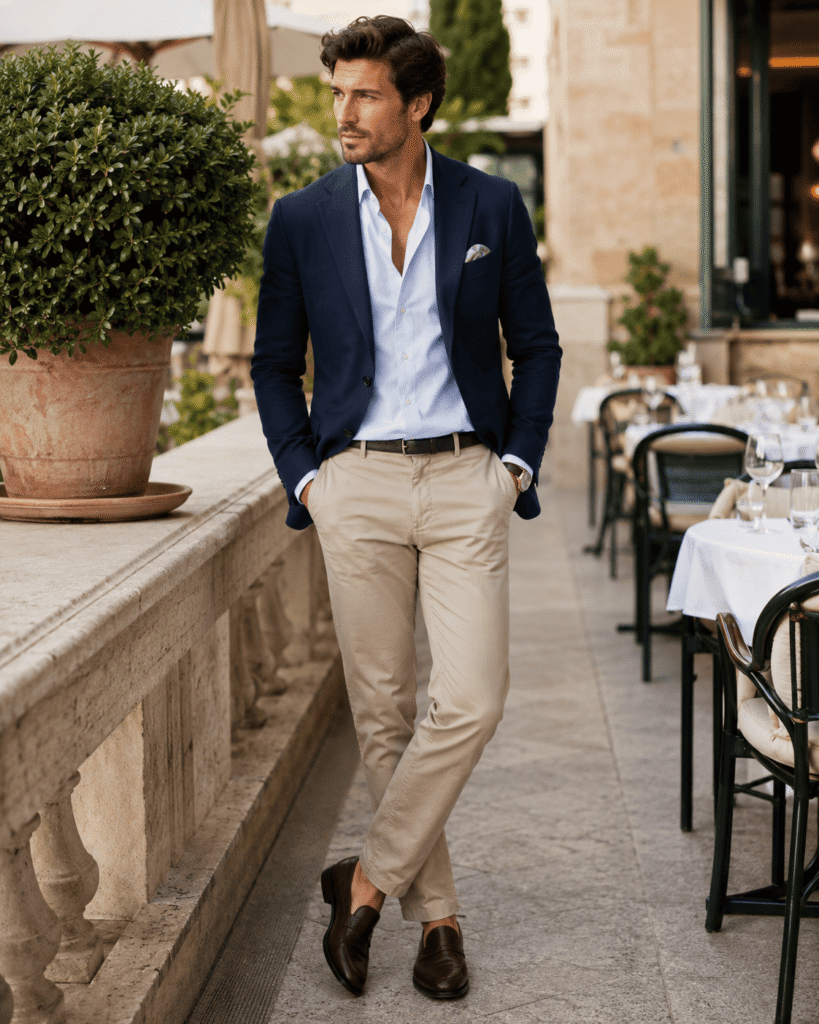
You may hear “jacket” and think “outdoors,” but there’s a whole class of garments designed for semiformal and formal indoor events.
The Sport Coat
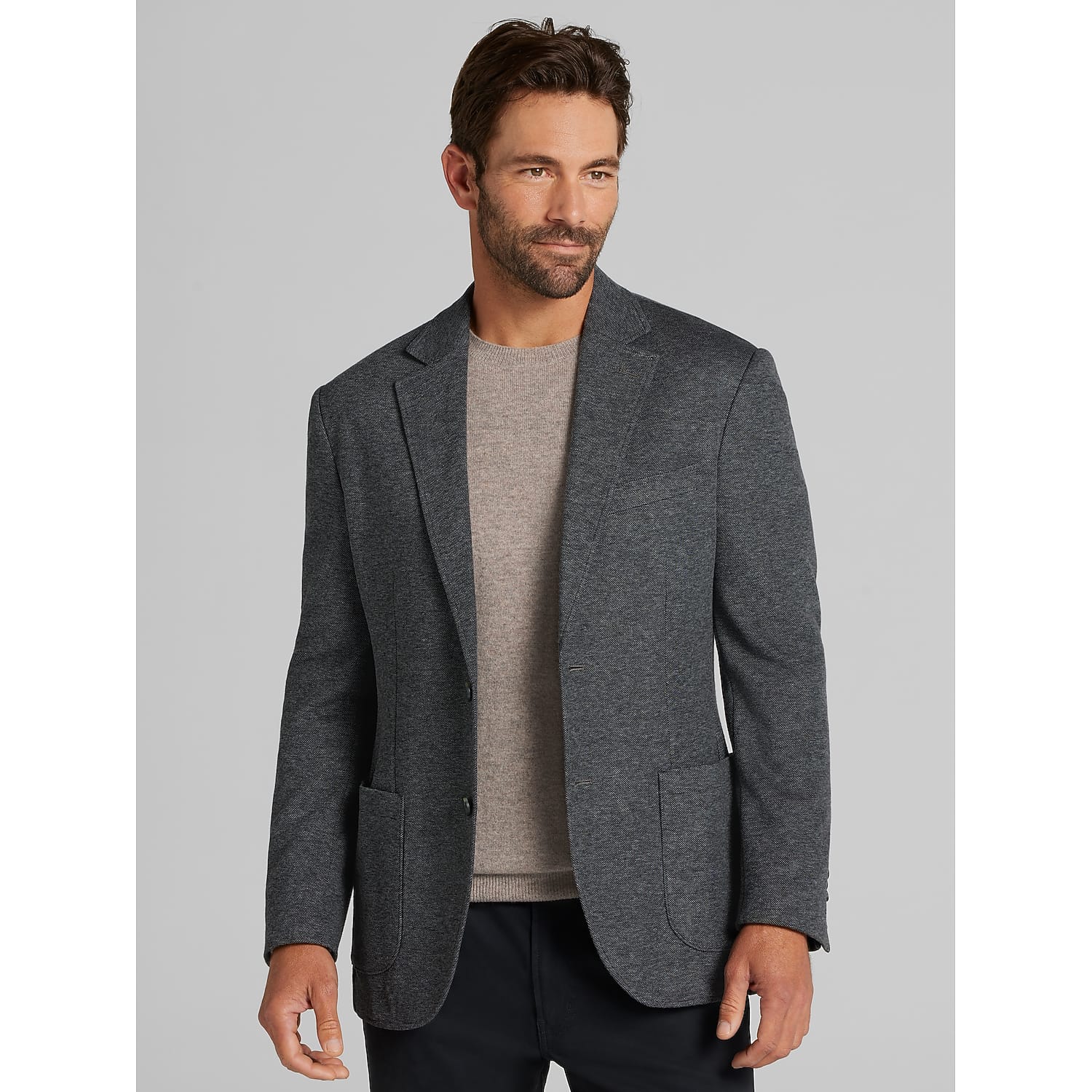
Originally designed for gentleman hunters, a single-breasted sport coat is traditionally made of tactile fabrics like tweed or herringbone. They can come in any color but often feature bolder patterns and embellishments, like plaid or houndstooth. They’re sold on their own and designed to go with a pair of slacks in a different color, often khaki or navy.
Pair a sport coat with trousers or dark denim, a dress shirt, and loafers for a sleek yet professional look fit for business casual environments.
Blazer
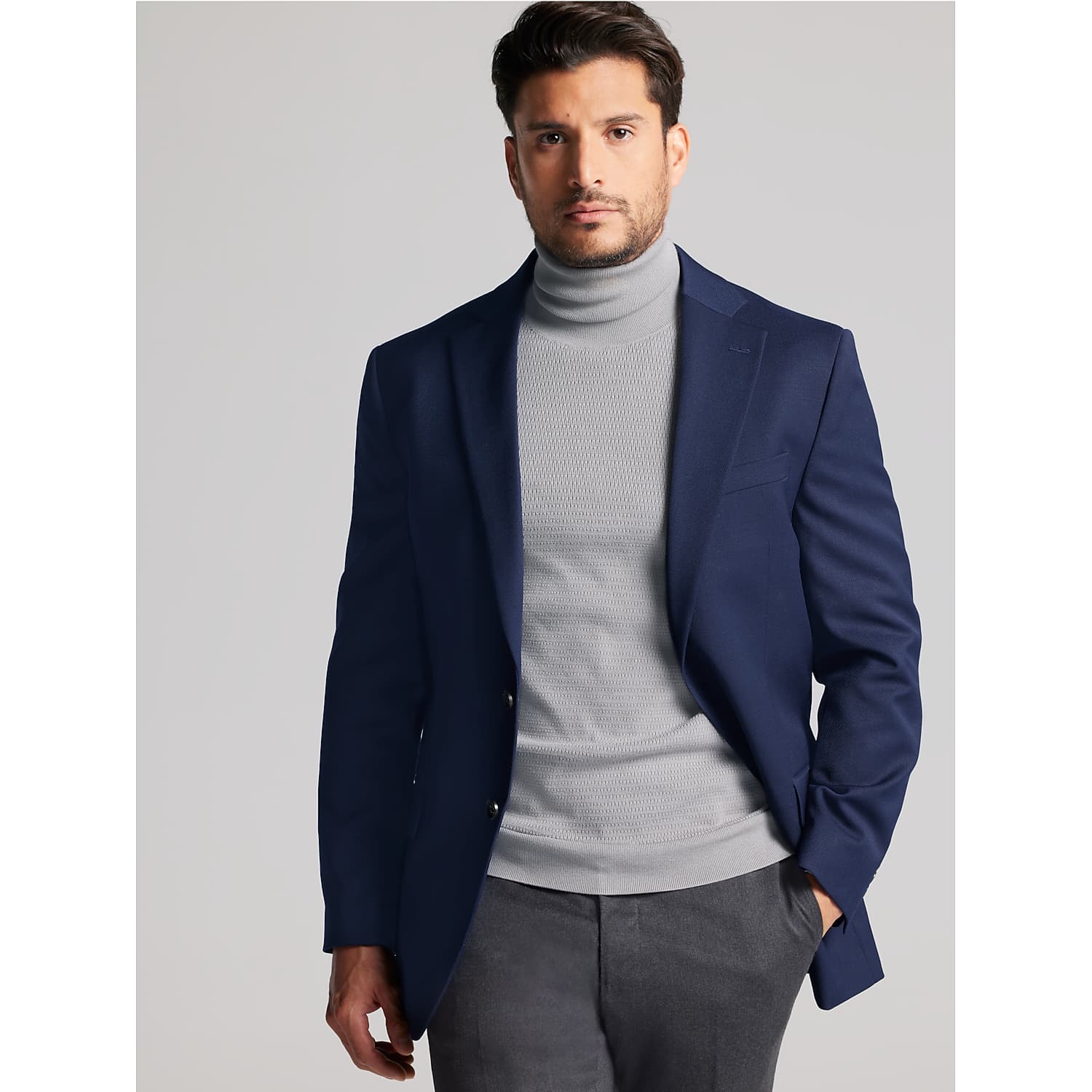
The blazer has origins in the collegiate world of 19th-century England. Its name comes from the “blazing” red jackets worn by the Cambridge rowing team in the 1820s. But the most classic version of a blazer is a double-breasted navy coat with brass buttons. It’s slightly more formal than a sport coat and appropriate for business casual and academic environments.
You can really embrace its nautical history by pairing a navy blazer with a crisp collared shirt, chinos, and boat shoes the next time you visit the yacht club.
Suit Jacket
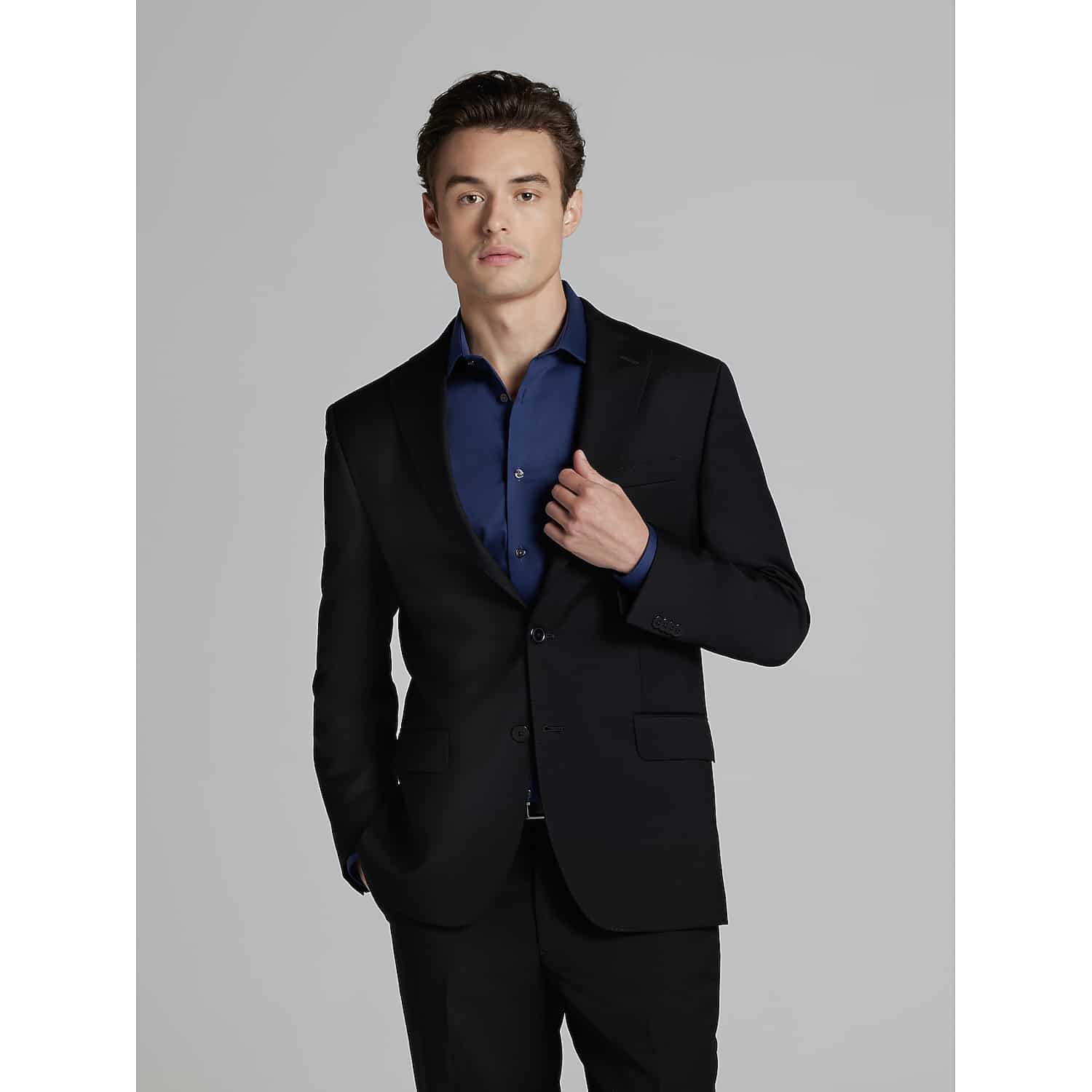
A suit jacket is designed to match a pair of trousers in the same color and cloth (usually wool) as part of a complete set. You should wear a suit to interviews, client meetings, weddings, funerals, or anywhere professional or formal dress is expected.
The most important part of a suit is how well it fits you. A suit jacket should drape comfortably across your shoulders and lie flat over your chest and torso. There should be no straining or wrinkling when it’s buttoned, and it should taper in at your waist to show off your shoulders and balance your proportions. Wear a suit with a dress shirt, trousers, and leather dress shoes for semi-formal events, and make sure to add a tie if your invite says “formal.”
Dinner Jacket
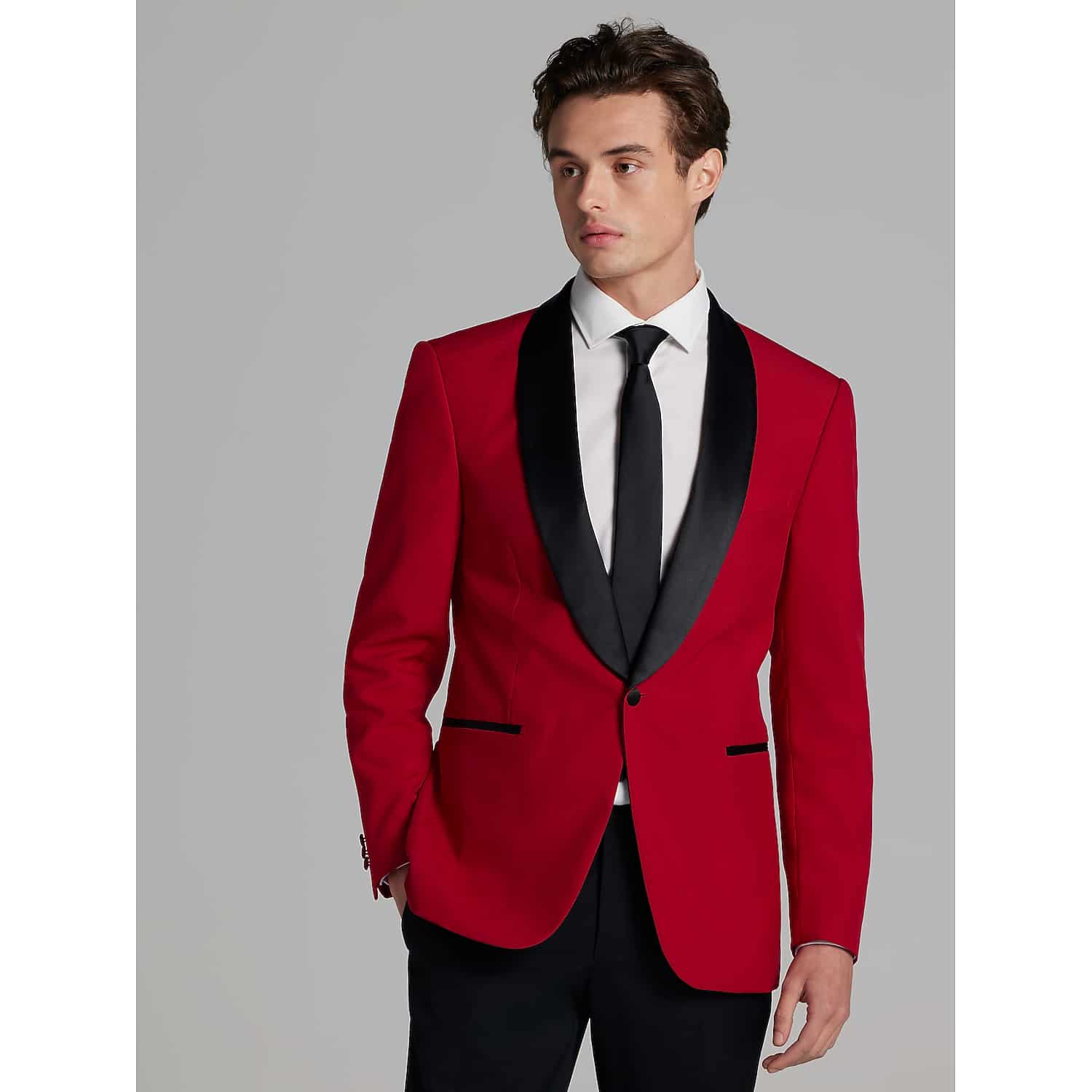
A dinner jacket is a special type of jacket designed for black-tie events. They often come in a different color or material than your standard tuxedo. Think of James Bond in his white coat with wide lapels. Velvet dinner jackets are especially popular for New Year’s Eve and other winter holidays.
Pair your jacket with matching tuxedo trousers, a white dress shirt, a bow tie, and cummerbund.
How to Style Different Types of Men’s Jackets
Remember these styling tips before you head out to your next event.
Casual wear: Pair boxy jackets with slim-fit chinos or jeans. Keep the rest of the outfit simple with a t-shirt, knit, or casual button-down.
Business casual: A sport coat or navy blazer works with open-collar shirts and chinos. If your office leans more trendy or casual, you can swap out your dress shoes for a sleek pair of leather sneakers.
Date night: Whether it’s your first date or your fifth, you want to put your best foot forward. If you’re going to a museum or movie theater, pair a leather jacket over a dark shirt or a blazer over a fine-gauge sweater. If you’re taking your date to a nice restaurant, go for the full suit.
Formal event: If the invitation calls for cocktail attire or formal attire, go with a suit. Wear dark colors in the evening and navy or tan for daytime events. Black-tie calls for a tuxedo.
Cold-weather outfit: When temperatures plummet, throw on a fleece or thin insulated jacket under a waterproof shell. Three slim layers laid close to the body beat a single puffer jacket, especially if you want to avoid looking puffy yourself. And if you’re attending a formal event, throw a wool overcoat or trench coat on top of your suit.
Find the Right Jacket for Every Occasion
It’s nice to have options, but having so many jacket choices can be overwhelming. If you need help figuring out what to wear to your next event, come talk to the style specialists at Men’s Wearhouse. Our in-store team of experts can help you find the right jacket for every occasion, and our tailors can make sure it fits you perfectly. Whether you’re going to a gala or weekend brunch, Men’s Wearhouse is here to help.
Shop Related Products