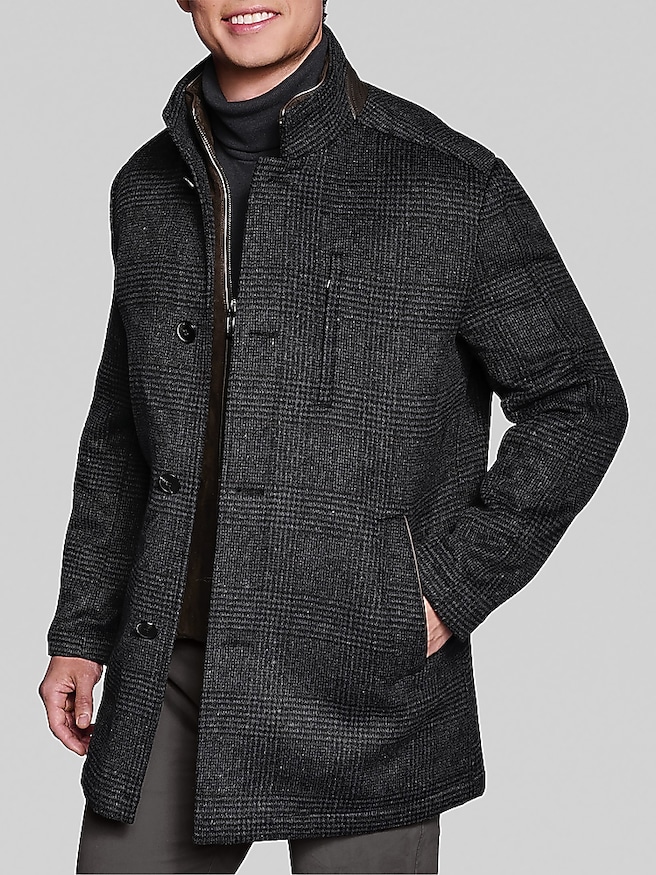
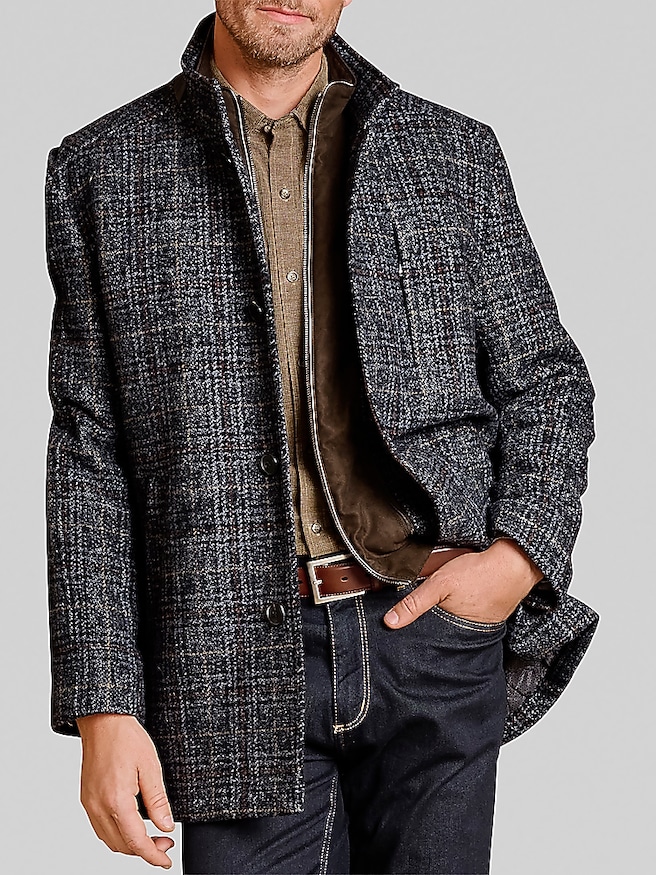
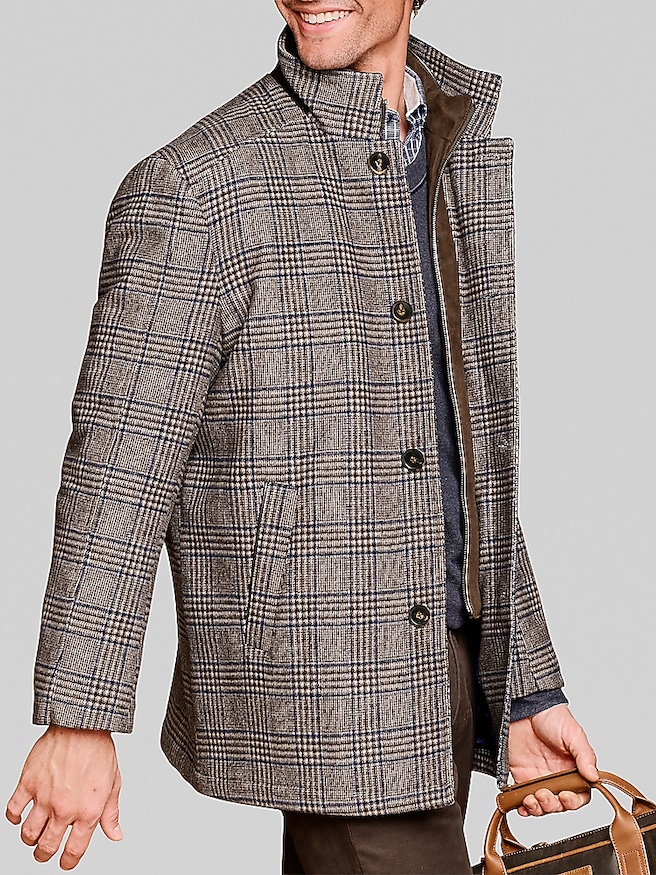
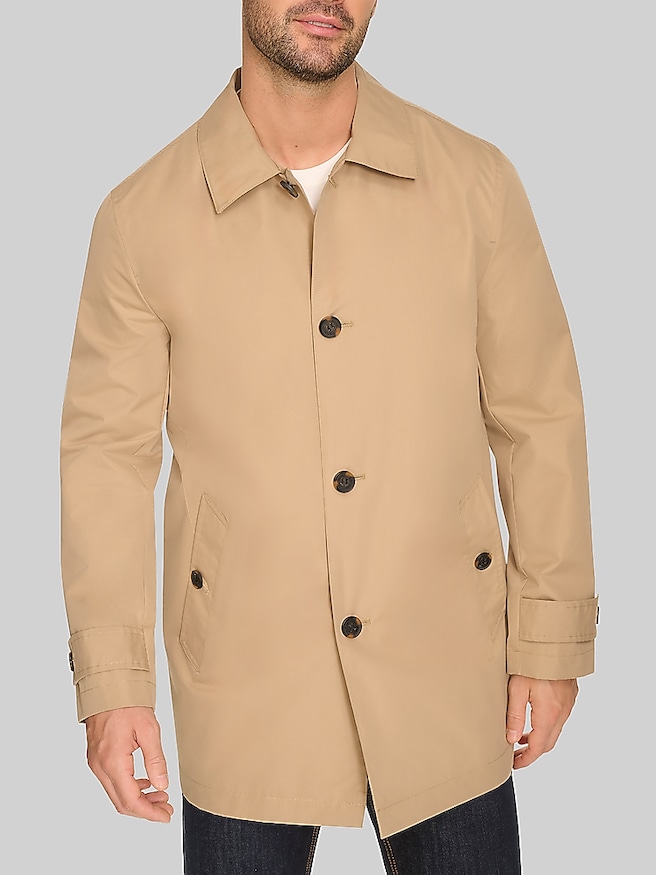
Men’s spring casual jackets bring a useful outer layer to everyday outfits without the weight or formality of a heavy coat. Lightweight bombers, Harrington jackets, trucker jackets, field jackets, and overshirt styles each offer a distinct balance of shape, coverage, and ease. A bomber’s ribbed cuffs and waistband create a defined silhouette that works naturally with a T-shirt, chinos, and low-profile sneakers. A Harrington-style jacket has a clean, understated feel, with a short length and stand collar that sit comfortably between sporty and polished. Trucker silhouettes add structure through chest pockets, panel seams, and a waist-length cut, while field-inspired jackets offer a longer profile and practical pocket space. An overshirt-style jacket has a relaxed character that suits a knit polo or a simple crewneck. These differences matter on ordinary days: a shorter jacket can feel less cumbersome behind the wheel, while a longer layer provides more coverage on a walk across town. For spring, the most useful casual jackets leave room for light layers without looking bulky over a single shirt. They suit a range of routines, from a casual commute and a neighborhood coffee stop to a weekend road trip or an outdoor lunch. Neutral shades such as navy, olive, gray, tan, and black make it easy to repeat a jacket across several outfits; muted blues and earthy greens add color while remaining straightforward to coordinate. Surface texture can be just as important as color. A smooth shell has a cleaner, sportier appearance, while washed cotton or a softly textured weave feels more relaxed. The result is a category with enough variety for distinct personal styles, whether the preference is crisp and minimal, rugged and practical, or easygoing with a slightly tailored edge. A casual spring jacket can also make familiar clothes feel more complete, giving a plain tee and jeans a clear outline without making an everyday outfit seem dressed for a formal occasion.
Fabric and construction determine much of how a spring jacket feels in use. Cotton twill offers a familiar, substantial hand and a structured appearance, while cotton canvas generally brings a more rugged texture suited to frequent casual wear. Neither fabric is automatically rainproof, and weight, weave, and finishing all affect comfort. Linen blends can provide an airy feel and visible texture, with natural creasing that complements relaxed outfits. Nylon and polyester shells are often used for lightweight jackets because they can provide coverage without much bulk, though breathability and weather protection depend on the fabric and construction rather than fiber content alone. A water-resistant finish may help shed a brief sprinkle, but it should not be mistaken for the protection of a waterproof garment with sealed seams. Wind resistance also varies, making a tightly woven shell useful for an exposed train platform or a breezy walk near the water. Lining deserves attention, too: a smooth lining can help sleeves slide over a shirt, while an unlined or partially lined jacket may feel lighter and less structured. Mesh panels or discreet vents can support airflow where the design includes them. Practical details often become more noticeable after several hours of wear. A collar that lies comfortably against the neck, cuffs that stay clear of the hands, and pockets positioned within easy reach can make a jacket feel well suited to everyday life. Secure closures help keep small essentials contained, while pocket size and placement influence how neatly the garment hangs when carrying a phone or keys. Durability comes from the combination of fabric, stitching, and hardware, not simply a heavy feel. Reinforcement at high-stress areas, neatly finished seams, and a zipper that moves smoothly are useful qualities in an outer layer worn repeatedly. A lighter jacket with sound construction may be a better match for daily commuting than a heavier design that restricts movement or becomes uncomfortable indoors. The right balance depends on how much time the jacket spends outdoors, in transit, and folded over a chair between stops.
Fit gives men’s casual spring jackets their finished appearance and determines how comfortably they work with the rest of a wardrobe. Shoulder seams generally sit close to the natural shoulder on more structured silhouettes, while dropped shoulders create an intentionally relaxed shape. Across either style, the upper back and chest need enough ease for reaching forward, carrying a bag, or sitting comfortably with the front closed. Sleeves that finish around the wrist keep the proportions tidy; elastic or adjustable cuffs can help control the opening without requiring an especially narrow sleeve. A waist-length jacket pairs easily with mid-rise jeans and chinos, while a longer field-inspired shape offers a different balance with straight-leg trousers. Room for a polo, long-sleeve tee, or lightweight sweater makes a jacket more versatile, but excessive fabric through the body can obscure its shape. For casual workplaces, a clean-lined jacket over a collared shirt creates a composed look without the structure of traditional tailoring. Denim, textured cotton pants, and simple knitwear support more relaxed settings. When an occasion calls for a distinctly dressier layer, Men's Formal Spring Jackets offers a related direction. Care is another part of choosing a jacket that fits naturally into a routine. The care label should determine cleaning methods, since shell fabric, lining, trims, and finishes may have different requirements. Some casual fabrics permit machine washing, while others require professional cleaning; heat can affect shape, shrinkage, and certain finishes. Prompt attention to small marks and avoiding unnecessary washing can help preserve a jacket’s appearance, provided those methods follow its care instructions. Storage matters as well: a suitable hanger supports the shoulders, and a jacket should be fully dry before being put away. As a gift, a casual spring jacket is especially thoughtful for someone who regularly walks, travels, commutes, or enjoys low-key gatherings. Familiar colors, an appropriate sleeve length, and enough room for the recipient’s usual layers make it a practical addition with lasting usefulness.