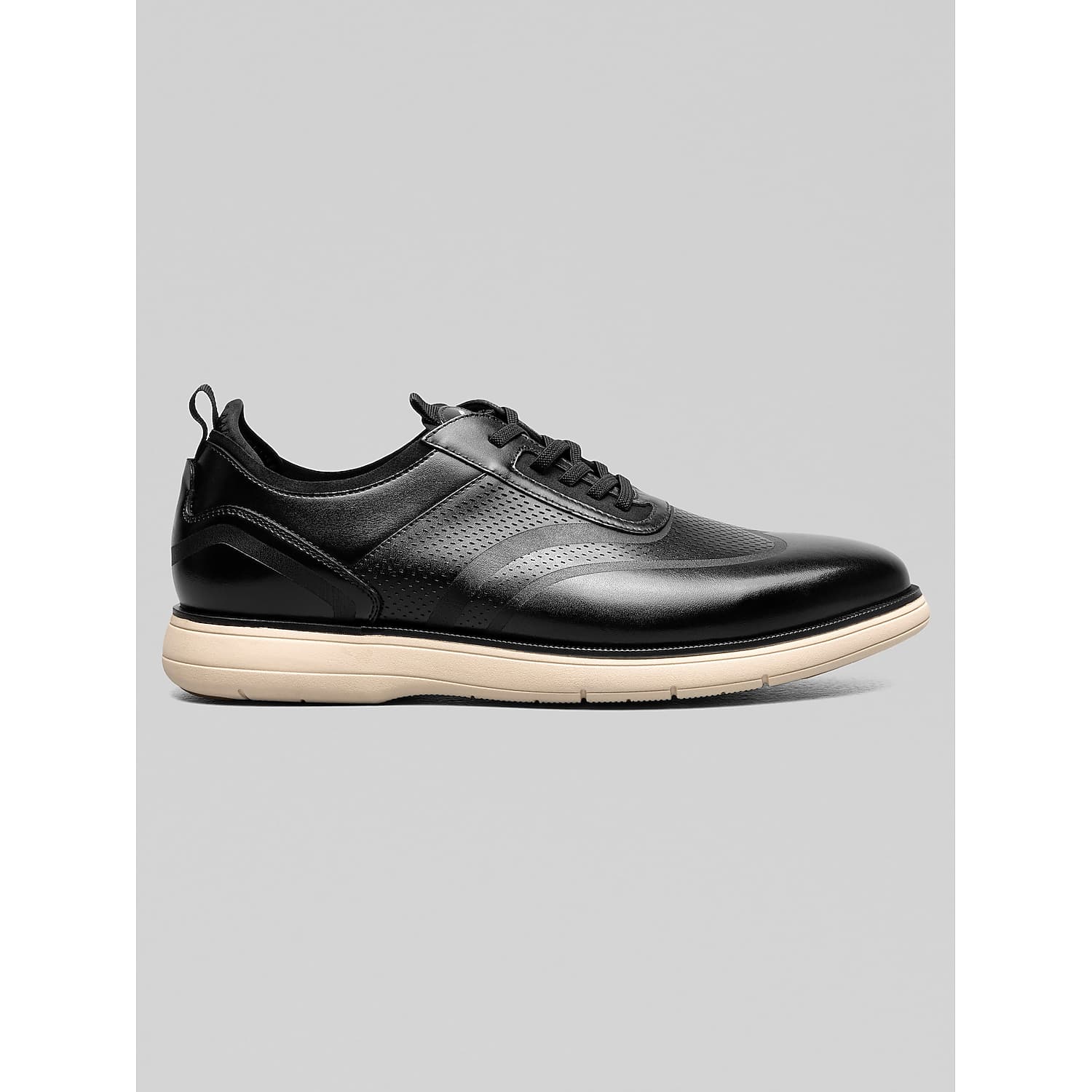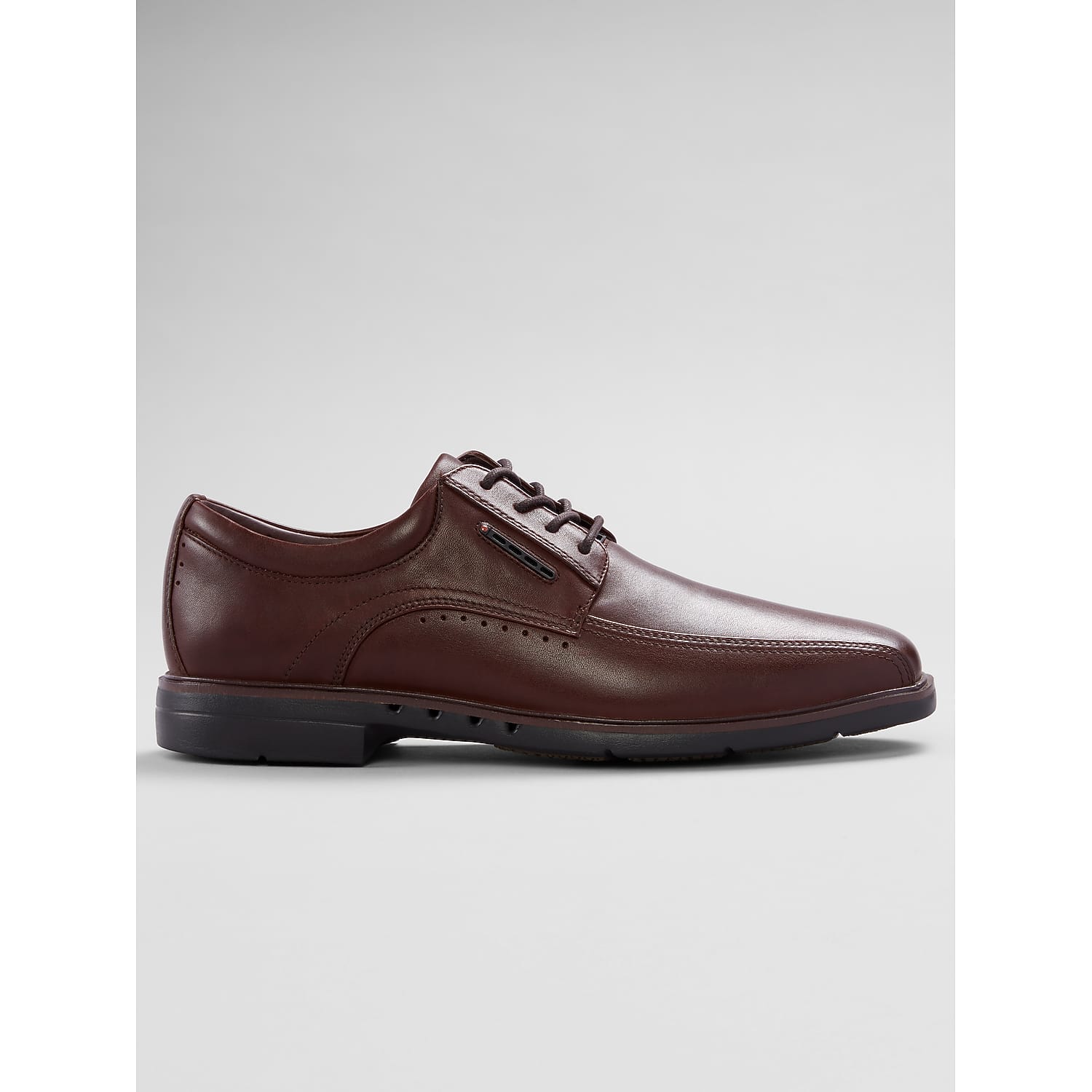

Sometimes, it’s the smallest style details that make the biggest difference. A belt rarely stands out on its own, but the way you pair it with your shoes affects how polished you look. Because both accessories sit within the same visual field, any mismatch becomes obvious and can disrupt an otherwise sharp outfit.
For most formal and business wear, your belt should match your shoes. With casual clothing, though, you have a little flexibility.
In this guide, we’ll cover the basics of matching belts and shoes, as well as what to do when you’re not sure what works.
The Real Rule on Styling Your Belt With Your Shoes
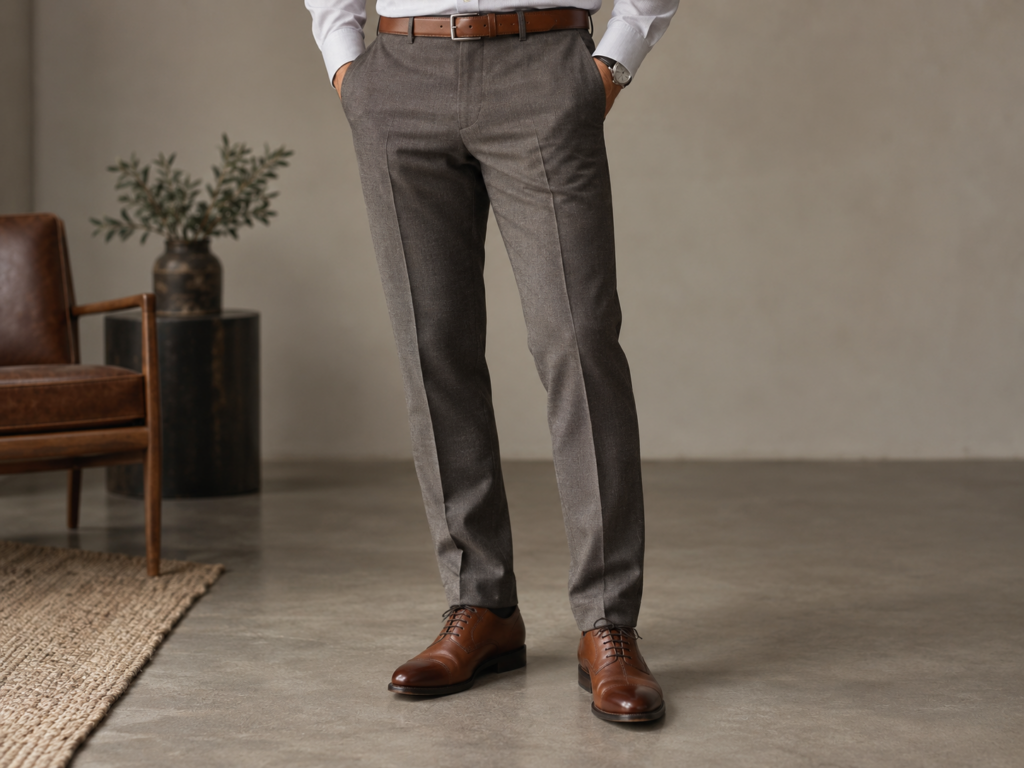
The core rule is to keep your belt and shoes in the same color family and a similar finish. They don’t need to be identical, but your accessories should look like they belong together. For example, pair a mid-brown leather belt with dark brown shoes.
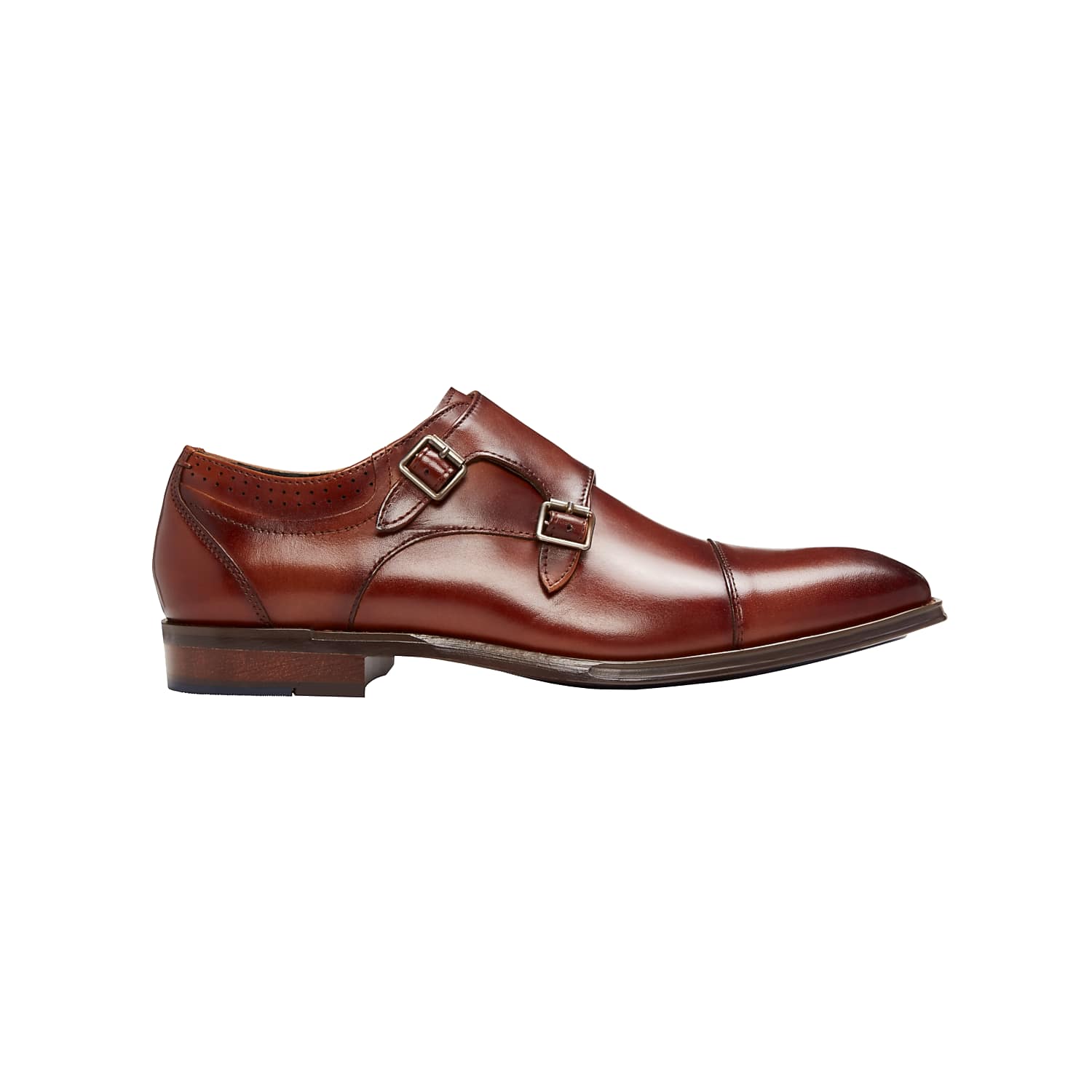
Pay attention to undertones. Warm browns like tan and cognac can clash with cooler browns like chocolate or espresso, even when they’re close in shade depth. For formal occasions and weddings, an exact match remains the standard for a polished, unified look.
A common mistake in menswear is matching your belt to your suit instead of your shoes. Let the suit guide your leather color, then make sure your belt and shoes coordinate. For example, a navy suit looks good with both black and brown leather, so choose either color for your shoes and match your belt accordingly.
When you’re not sure which color works best, keep it simple by pairing black shoes with a black belt. If you’re wearing brown shoes and can’t find the perfect color match, go with a belt that’s one shade darker than your footwear.
When Your Belt and Shoes Should Match Closely
The more formal the setting, the more closely your belt and shoes should match. Casual outfits give you room to mix shades and textures, but dressier occasions call for consistency. Here are the best ways to coordinate your belt and shoes across three everyday scenarios.
At the office
For client-facing meetings and business formal settings, keep your accessories as close to an exact match as possible. For example, pair polished shoes with a polished belt. Business casual outfits can relax that rule a bit by keeping pieces in the same color family, even if the shades or textures differ slightly.
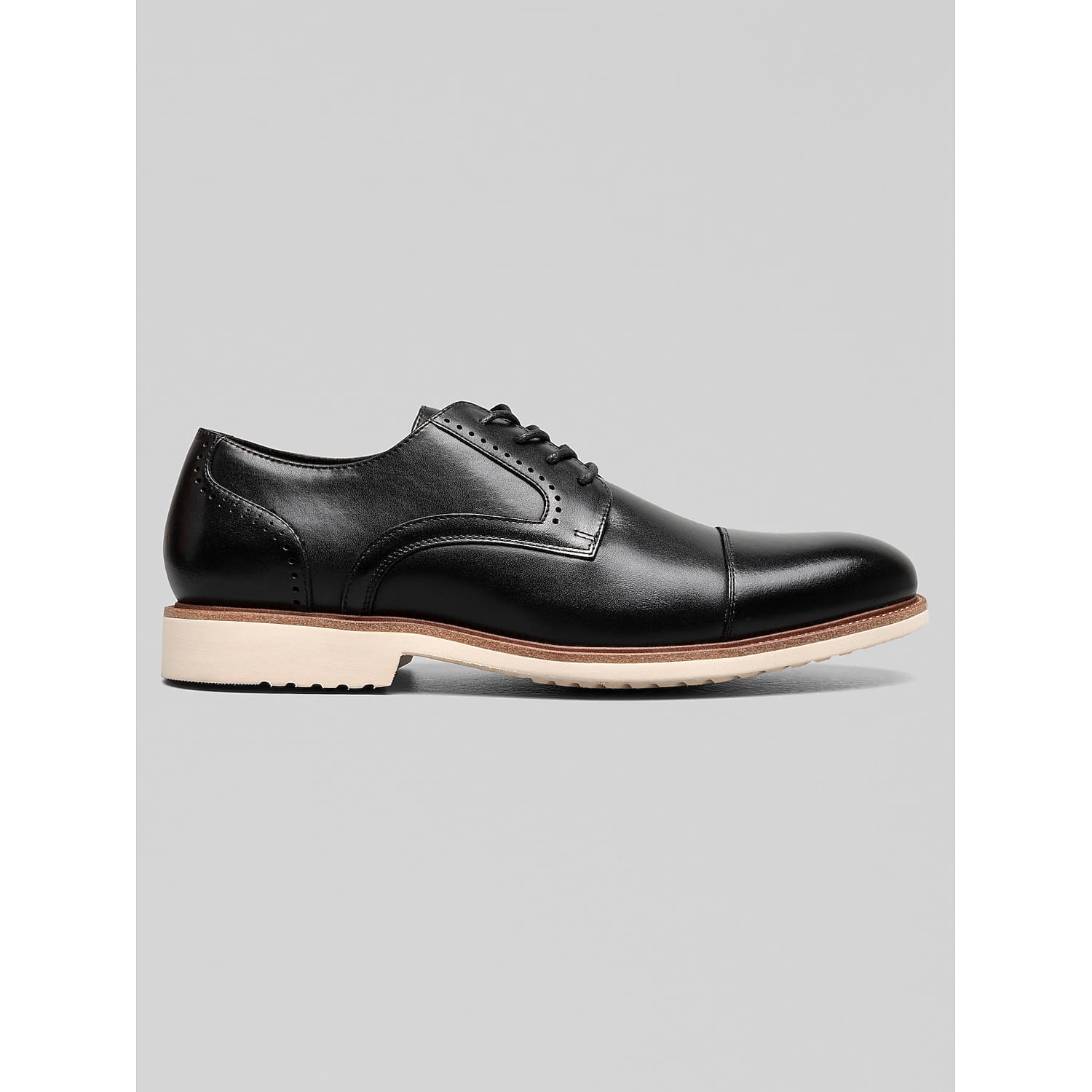
- What to reach for: Style a classic pair of black oxfords and black leather belt with a navy or charcoal suit. This is a go-to combination for most workdays, whether you have a client lunch or a team presentation.
- What to avoid: Steer clear of sharply contrasting colors like a brown belt and black shoes. If you’re wearing highly polished dress shoes, skip casual belts like woven or braided options.
At a wedding
If you’re attending a black-tie wedding, lose the belt altogether. Many tuxedos and formal trousers don’t have belt loops, so you won’t need one. But if your tux has loops rather than side adjusters, don’t add a standard leather belt.
For semi-formal weddings where you can wear a suit, a belt is appropriate. Match it closely to your shoes, like black dress shoes with a black belt or brown shoes with a brown belt in a similar tone. You’ll also want the belt’s finish to match the shine of the shoes.
- What to reach for: At a daytime wedding, pair medium or light brown shoes and matching brown belt with navy, light gray, or tan suits. For evening ceremonies, wear black shoes and a black belt with charcoal, navy, or black suits. And for strictly black-tie events, style your tux with black patent or high-shine dress shoes but no belt.
- What to avoid: Don’t wear a black belt with brown shoes, or vice versa. This creates an unwanted contrast that undermines the formality of your outfit.
At a job interview
A job interview requires a close match between your belt and shoes because this helps reinforce a professional appearance. Keep the accessories coordinated but understated so they don’t distract from your qualifications.
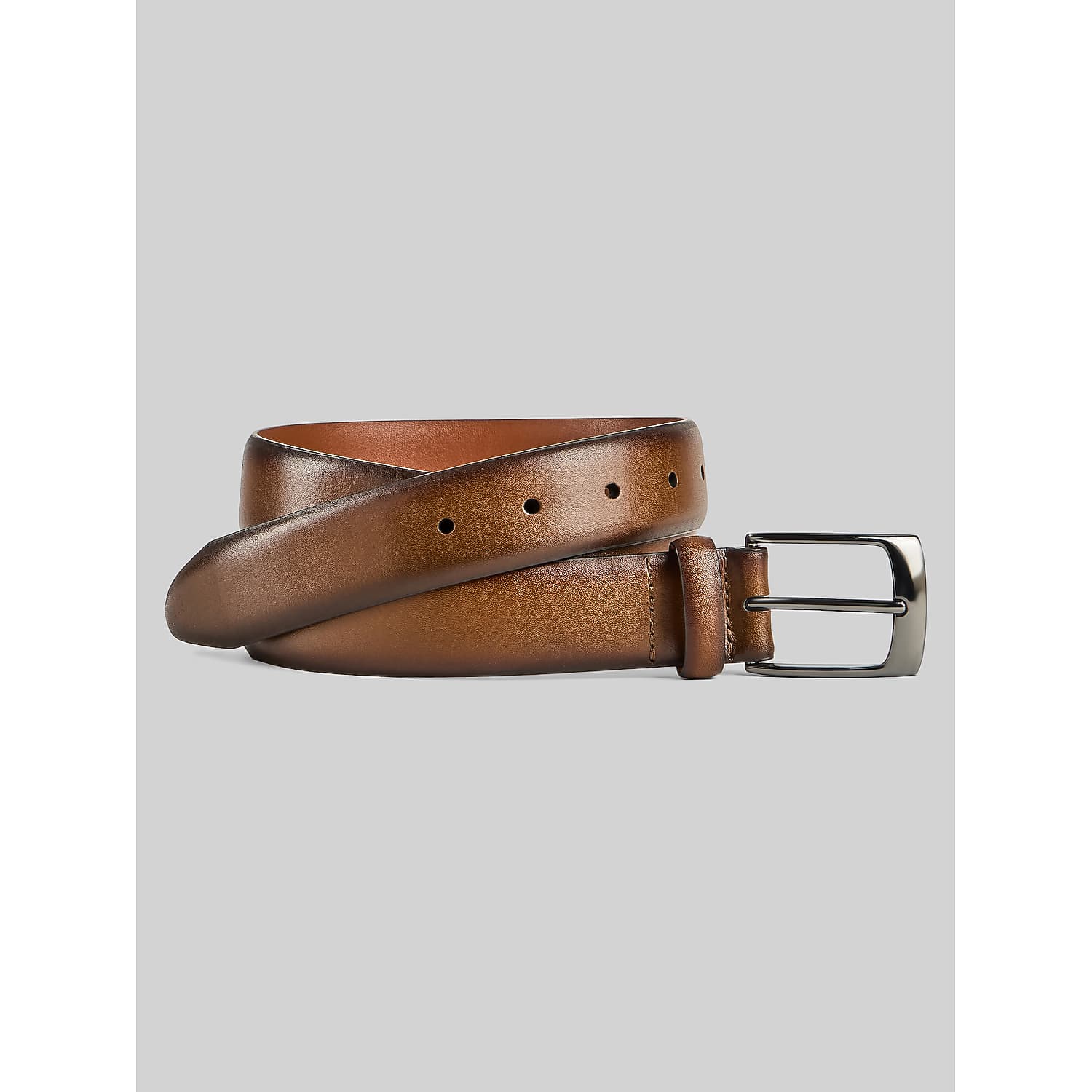
- What to reach for: Choose black dress shoes for a navy or charcoal suit, or dark brown shoes for a medium gray ensemble. Wear a narrow belt that complements the shoes with its sleek shape and color harmony.
- What to avoid: Skip texture and statement hardware on your belt in favor of smooth leather and a simple buckle. You don’t want anything flashy or attention-grabbing for interview attire.
Belt Colors by Shoe Color: A Quick Reference
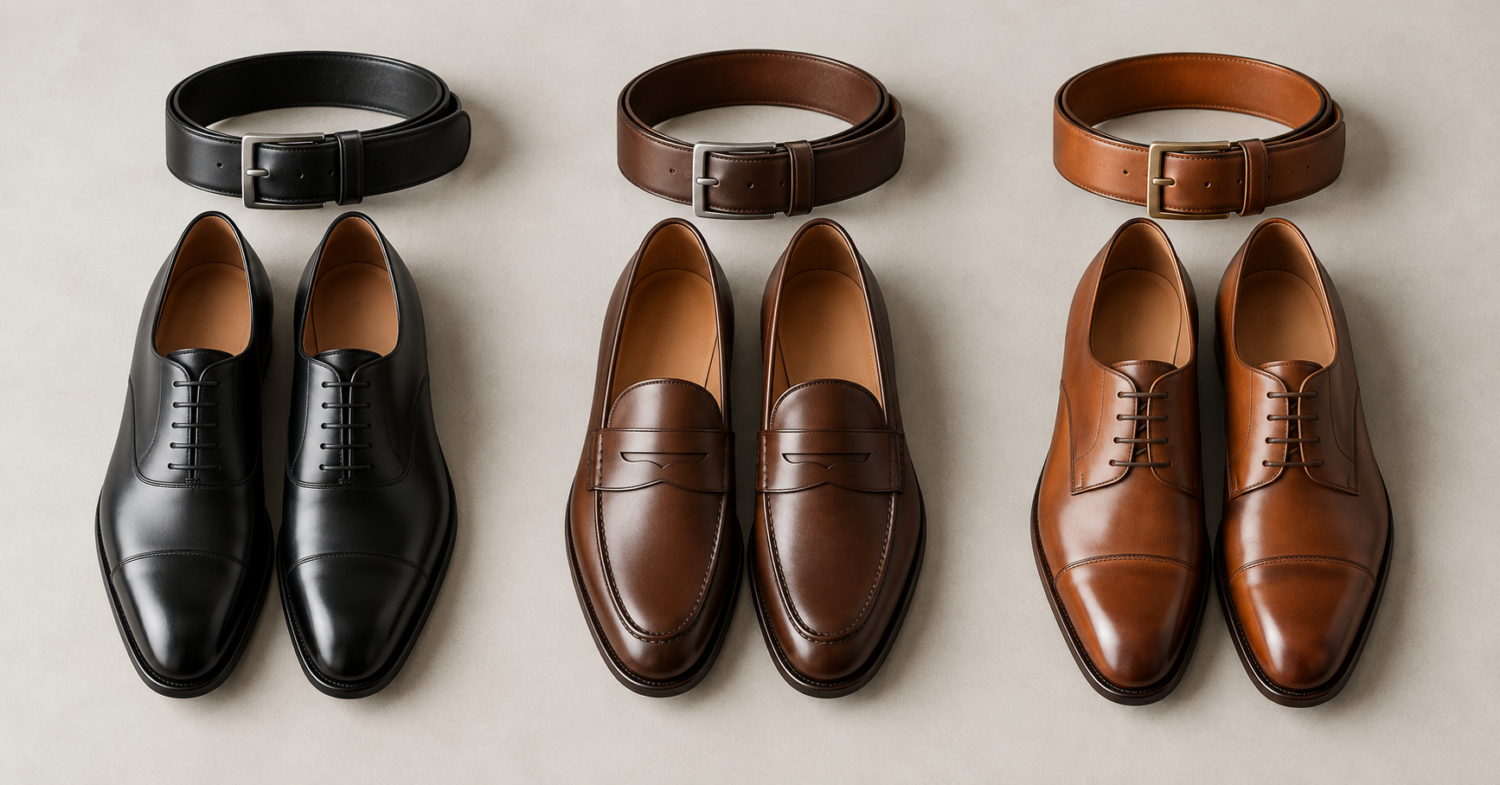
When choosing a belt, stay within the same tonal family as your shoes. If you can’t get a perfect match, go one shade darker with the belt rather than lighter.
| Shoe color | Belt color | Best for |
| Dark brown | Dark brown, at a similar depth | Office, interviews, or daytime weddings |
| Medium brown/chestnut | Medium to dark brown | Business casual or smart casual outfits |
| Tan/cognac | Tan or cognac, matched as closely as you can | Summer events wearing chinos or linen |
| Oxblood/burgundy | Oxblood or dark brown | Navy suits and evening events |
| Black | Black only | Formal outfits, black and charcoal suits |
If your shoe color falls between two rows, look at the undertone rather than the shade. A warmer brown shoe like chestnut or cognac pairs best with a warmer brown belt. A cooler brown like espresso or taupe looks better with a cool-toned belt.
Finish, Texture, and Belt Buckle Metal
It’s possible to get the belt color right and still end up with an outfit that feels off. When that’s the case, the missing piece is often the belt’s finish and texture. Matching these details makes your belt and shoes feel balanced.
Try to find the same type of finish for both. For instance, pair polished dress shoes with a belt in a similar sheen. Match less shiny shoes like pebbled leather with a belt in a matte finish. Likewise, high-shine patent leather shoes should be worn with a glossy belt to keep the finishes consistent.
A few style rules can make this easier to apply:
- Match the suede: Suede has a soft, brushed texture that can look out of place next to sleek leather. Pair suede loafers with a suede or velour-suede belt.
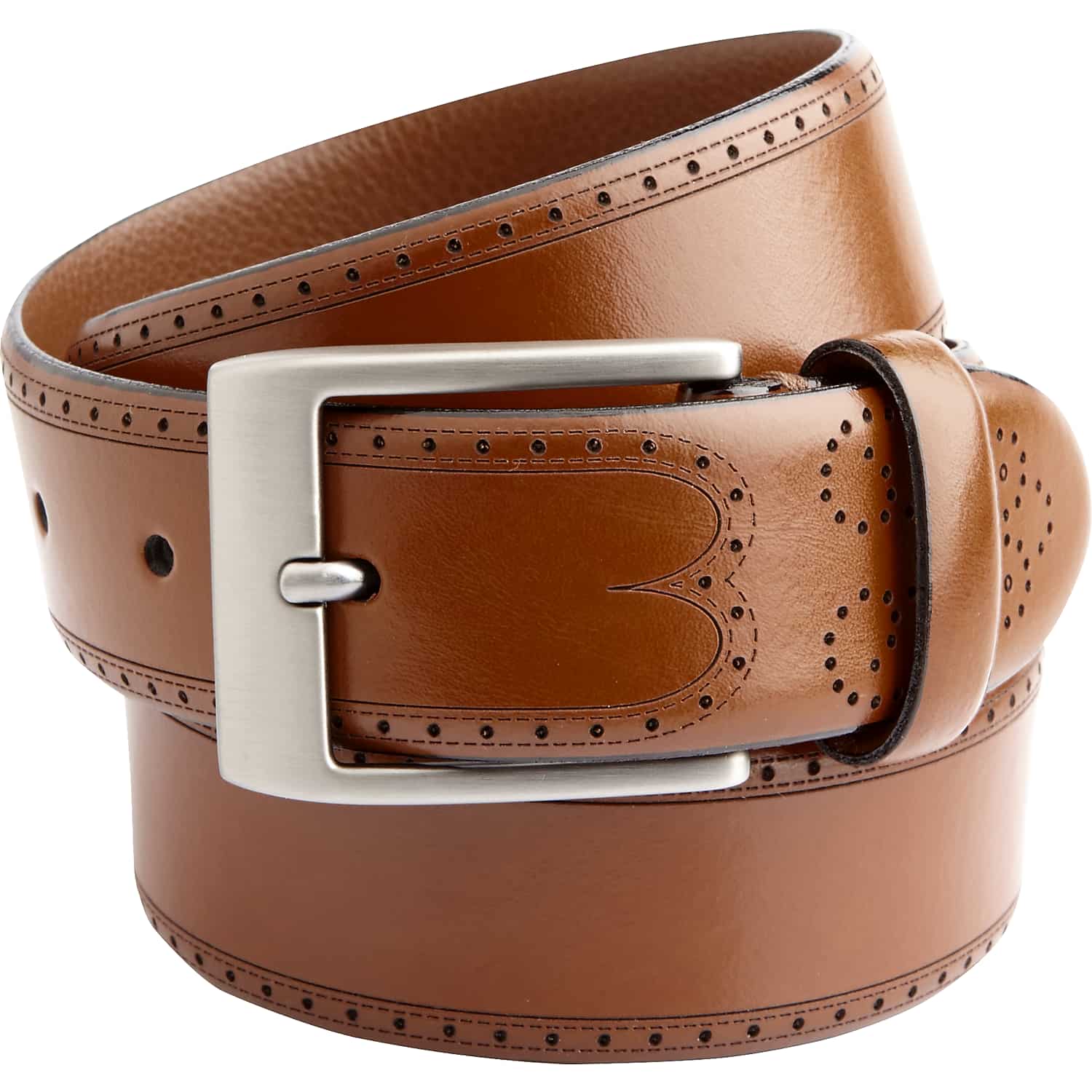
- Match the grain: When your shoes have a leather grain, opt for a belt with a textured finish. Shoes with visible grain look mismatched with an ultra-smooth leather belt.
- Let your watch determine the buckle: Use your watch as a quick reference for your belt hardware. A silver-tone watch pairs naturally with a silver belt buckle, while gold watches and buckles work the same way to give you a cohesive look.
- Keep buckles simple: Formal outfits benefit from understated hardware, so stick with a slim, clean frame buckle that doesn’t compete with your suit or shoes. Save oversized and decorative buckles for casual outfits where you want to add a little more personality.
Casual Outfits: How Close Is Close Enough
If you’re dressing casually, your belt and shoes don’t need to match exactly. Staying within the same color family is usually close enough. A chestnut belt pairs well with dark brown boots, even if the colors aren’t identical. Still, there’s never really a good time to wear a brown belt with black shoes, or the other way around. That combination creates a mismatch and disrupts your overall look.
Aside from that, casual wear gives you more freedom with texture since you don’t have to match the finish of your belt and shoes like you would with dressier outfits. Here are a few basic pairings to consider:
- Go with woven or braided leather belts for boots: These relaxed textures pair well with lived-in loafers or rugged ankle boots.
- Choose a cotton or canvas belt for sneakers: A fabric belt keeps the look laid-back and sporty, so your sneakers feel right at home with your other accessories.
- Skip the leather belt with casual footwear: A leather belt sometimes feels too formal next to everyday sneakers. Instead, reach for lighter materials or leave your shirt untucked and skip the belt completely for an updated take on casual dressing.
Men’s Wearhouse Helps You Get the Details Right
Nailing your belt and shoe combo is easier when you can compare colors and styles all in one place. Men’s Wearhouse offers a wide selection of belts and dress shoes to help you build a cohesive look, whether you’re dressing for the office or a special event.
Need more than the right accessories? Take advantage of tailoring and alterations to make sure your trousers, jacket, and other pieces fit properly. You can also get in-store guidance to figure out which colors and finishes look best together. With that extra support from the MW team, you’ll leave the store feeling confident about every detail.
Shop Related Products