
When you’re dressing to make a good impression, every detail matters. That’s why you match your belt to your shoes and tailor the hem of your pants to ever so gently hit the top of your shoes. But when’s the last time you thought about your shirt collars? They’re easy to forget, but picking the right one can elevate your entire look. This guide will help you understand different types of shirt collars so you can update your wardrobe.
Why Shirt Collar Types Matter
When you pick out a shirt, you probably think about color first and then maybe fabric. But collars on shirts are just as important. They pull together your entire outfit in three important ways.
Formality
The angle and structure of your collar is what makes one long-sleeve shirt casual and another one black-tie formal. One of the key elements to a collar is its stiffness — the more rigid and upright the collar, the more formal the shirt. You’d never wear a button-down with a tuxedo, and you probably wouldn’t wear a wingtip with jeans. Understanding the different types of shirt collars can save you from making a fashion faux pas.
Face Shape
A shirt collar frames your face with details like the shape of the collar tips (the points) and the distance between them (the spread). The way these elements work together changes how people perceive your face. If you want to make your face look longer or “sharpen” your jawline, the right collar type can help you.
Neckties
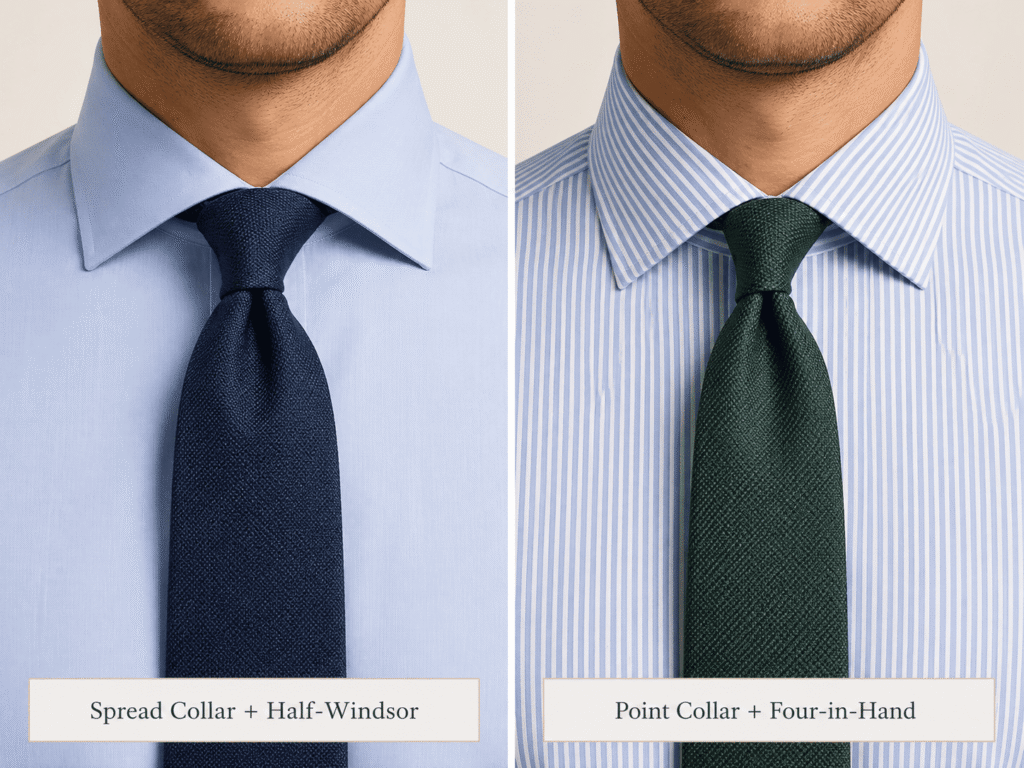
Collar types can help you figure out the best way to wear a tie. Collars with a wider spread leave enough room for larger or more ornate necktie knots, such as the full Windsor. If you want to tie a smaller knot, like the four-in-hand, you’d do well with a more narrow point color. Balancing proportion in your outfits is a fast way to level up your style.
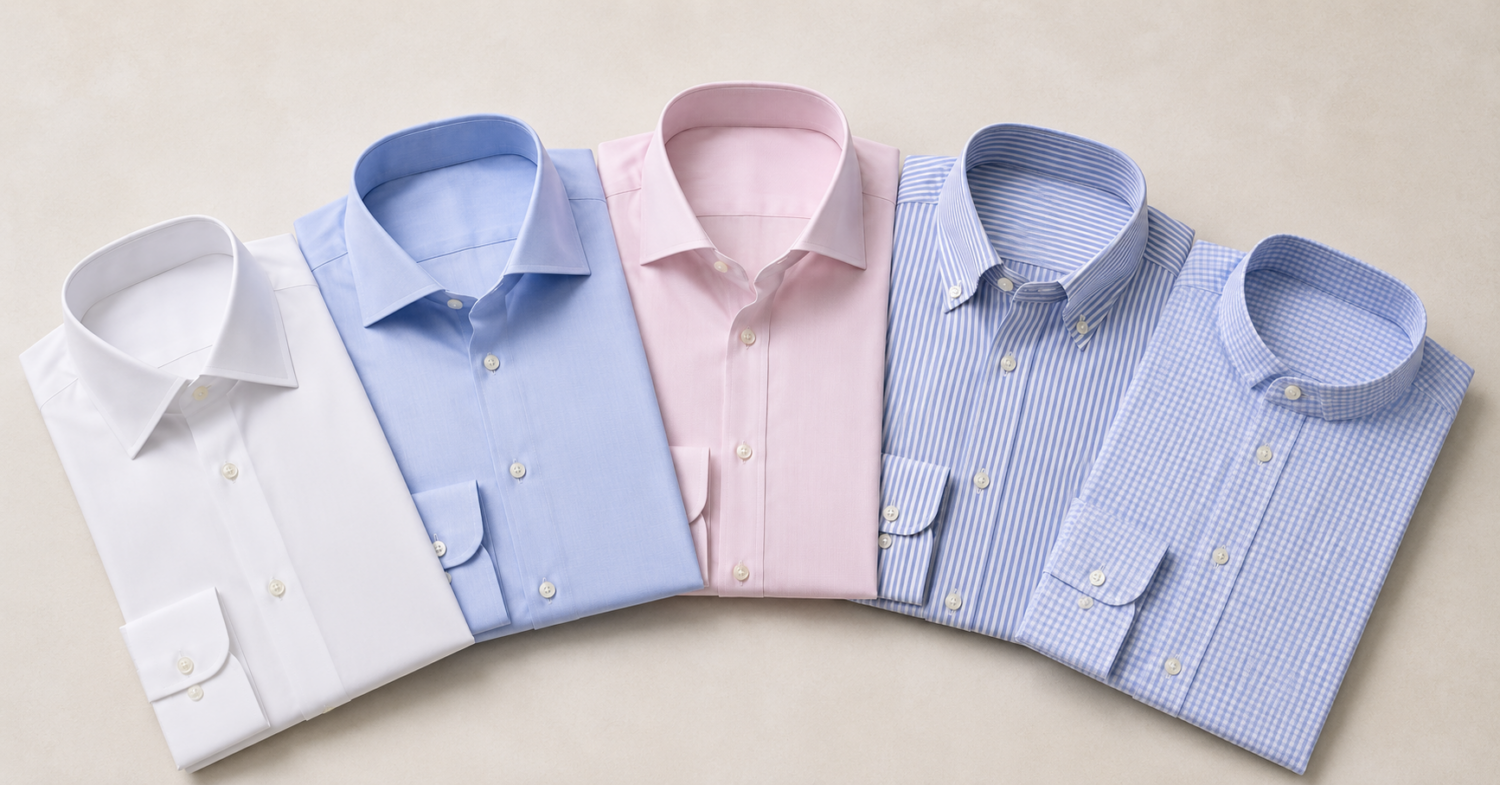
5 Popular Types of Shirt Collars
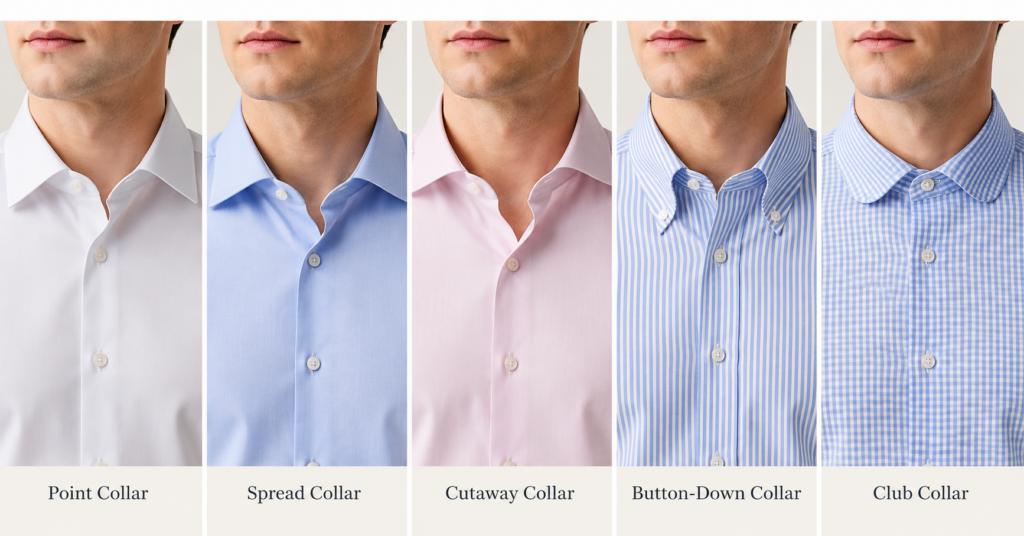
You don’t need to own every collar under the sun. But knowing the different types and how they work can help you pick the right shirts for your wardrobe and refine your personal style.
- Spread Collar
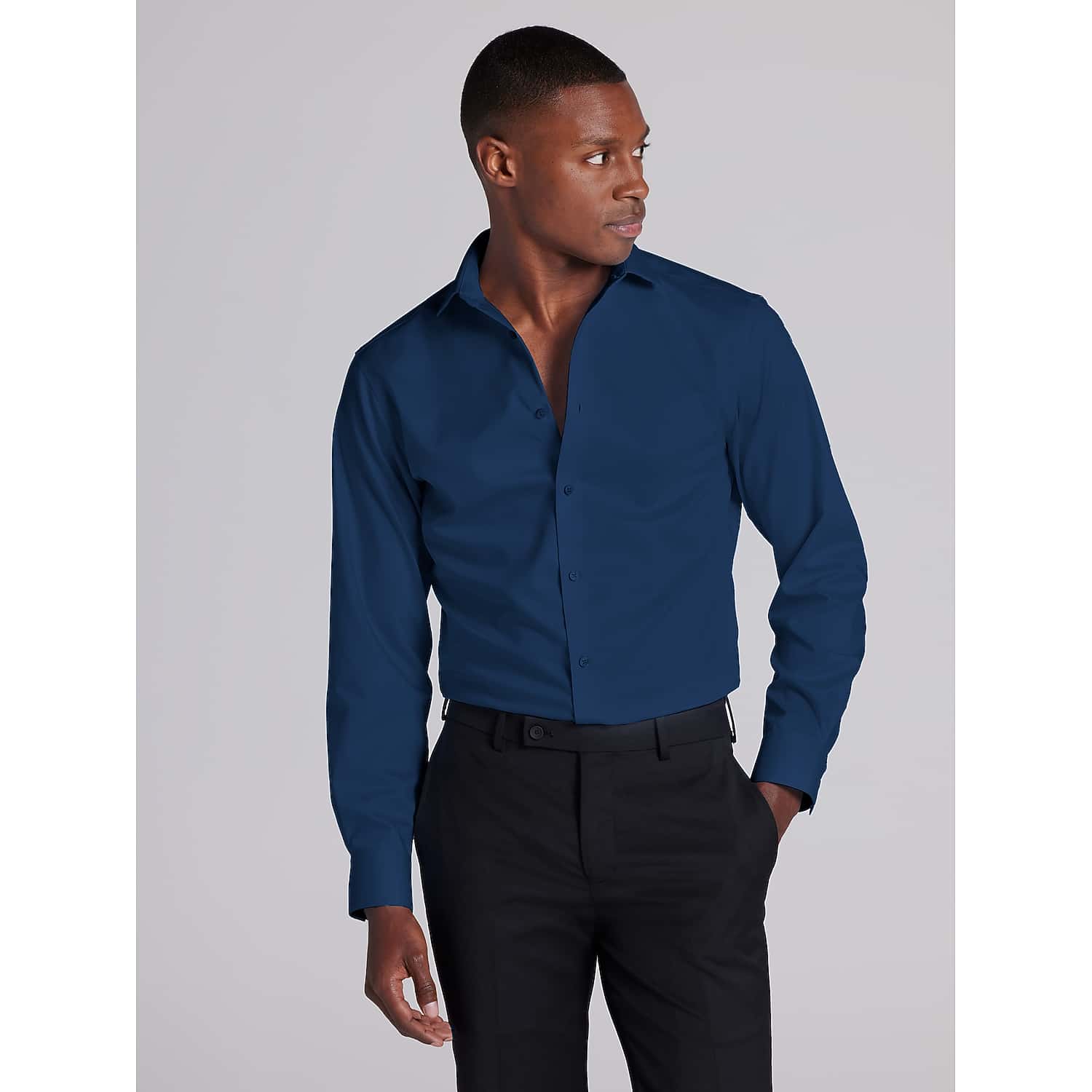
The spread collar is one of the most versatile and widely available dress shirt collar types. It has medium-wide spacing between the collar points that gives it a clean, classic look. This option works especially well for formal events like proms or weddings. Try styling it closed for the marriage ceremony and pop it open at the reception for a cool, dressed-down look on the dancefloor.
Best for: Balancing narrow face shapes
Pair it with:
- Medium or large knots, such as the half-Windsor
Slim or standard suits
- Point Collar
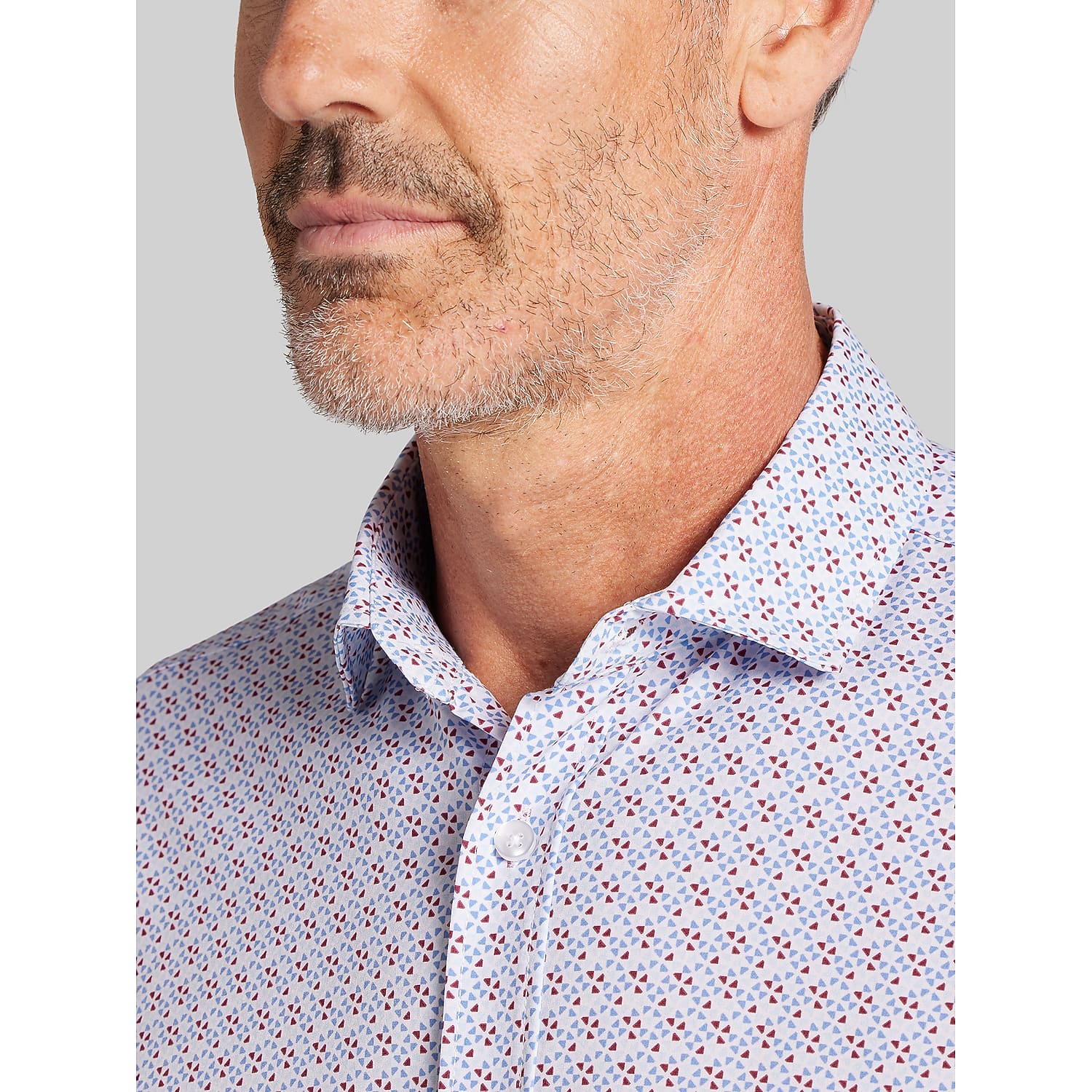
Unlike the spread collar, a point collar has narrow spacing between the collar points to create a longer, streamlined appearance. The collar’s timeless look has made it a dress shirt staple. It’s a solid option for formal business events, such as meetings and presentations where you want to put your best foot forward.
Best for: Elongating round face shapes
Pair it with:
- Small knots, such as the four-in-hand or the Shelby
Structured suit jackets
- Button-Down Collar
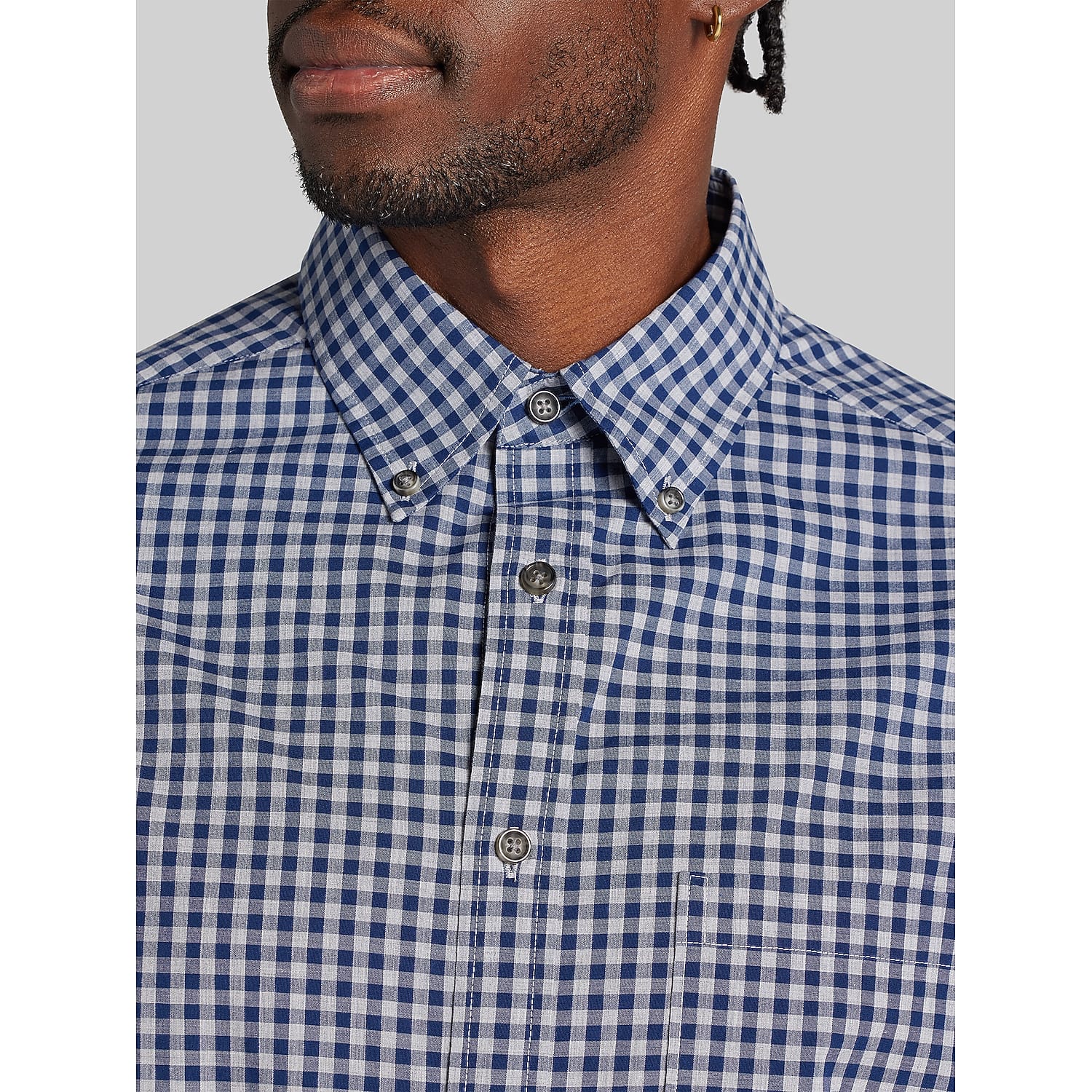
Originally worn by polo players, the button-down collar is easy to recognize: Small buttons fasten its tips directly to the shirt. Button-downs strike a balance between polished and relaxed and work with unique fabrics like linen. Try wearing it at semi-formal events like homecoming or for weekend events where you want to look put together but not overdressed.
Best for: Balancing oval, round, and square faces
Pair it with:
- No tie
- Sweaters or casual jackets
- Cutaway Collar
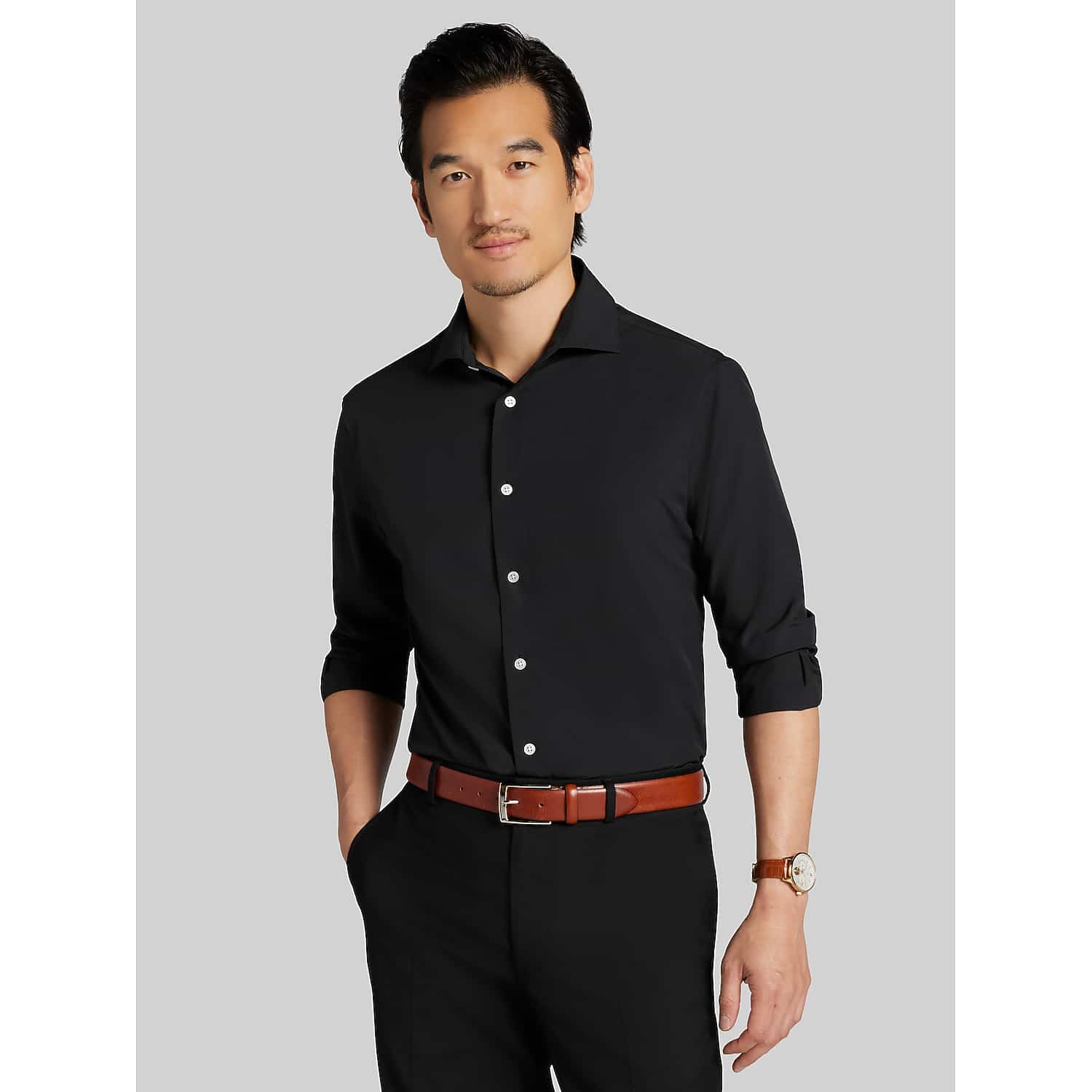
The cutaway collar has a very wide spread between the collar points, giving it a bold and modern look. It’s increasingly popular in contemporary menswear, since its dramatic shape stands out more than traditional collar styles.
Best for: Complementing diamond and heart-shaped faces
Pair it with:
- Large or extra-large knots, such as the Windsor
- Tailored or slim-fit suits
- Club Collar
The distinctive club collar is known for its rounded collar edges. It originated in England and appeals to men who appreciate retro-inspired fashion. Its unique shape naturally commands attention, but even more so when paired with textured fabrics or patterned ties.
Best for: Softening long and angular face shapes
Pair it with:
- Thin neckties
- Suspenders and tailored trousers
How To Choose the Right Shirt Collar
You can simplify choosing the right collar types for shirts by focusing on three factors.
Face Shape
Your face shape affects which collar looks most flattering. Men with rounder faces suit point collars because the slimmer design creates a lengthening effect, while spread and cutaway collars work better on narrower faces by adding width around the neckline. The idea is to keep your proportions balanced rather than exaggerate any one feature.
Occasion
Occasion plays an equally important role in selecting a shirt collar. For formal or black-tie events like weddings and galas, spread and cutaway collars offer the structure needed to pair with a tailored suit. In business settings, point and spread collars are reliable options, suitable for everything from client meetings to corporate conferences. Button-down collars can be appropriate in more relaxed workplaces.
Tie
Whether or not you’re wearing a tie also influences your collar choice. Spread and point collars work best with neckties, with spread collars accommodating larger knots and point collars pairing with smaller knot styles. If you want to go tieless, button-down collars are your best choice, as they don’t need a tie to keep their shape.
Best Collar Types for Different Occasions
Here are the best types of collars for different dress codes.
Business Settings
Spread and point collars are the top choices for formal professional environments. They sit neatly under suits and sport coats and work across meetings, presentations, and everyday office activities. They pair well with a range of tie styles, which is why they’re such a go-to for the workplace.
Formal Events
Spread and cutaway collars are the favorites for weddings, upscale dinners, and formal celebrations. Their width creates space for larger, more decorative knots and look good with tailored suiting.
Casual Activities
Button-down collars are the smartest choice for casual outfits. They work without a tie and pair effortlessly with wardrobe staples like chinos, denim, and knitwear, so your styling options are almost limitless.
Common Shirt Collar Mistakes To Avoid
Even a high-quality dress shirt can look awkward if the collar doesn’t suit the outfit or your proportions. Here are some common issues to watch out for:
- Picking the wrong collar for your tie: Large tie knots paired with narrow point collars can look cramped, while small knots may look out of place with wide spread collars. That’s why you always want to keep the collar spread proportional to knot size.
- Choosing a collar that doesn’t flatter your face shape: Extremely wide collars on broad faces or very narrow collars on long faces can throw off your proportions and look unbalanced. Aim for harmony between your facial features and collar style.
- Wearing casual collars in formal settings: Button-down collars work well for casual outings, but they can read too relaxed for formal occasions. If you’re attending a wedding or black-tie event, stick with spread and point collars.
Final Tips for Choosing Shirt Collars
When building a capsule wardrobe or updating your closet, it helps to keep things simple. Pick shirts with collars that work for multiple occasions.
For most men, spread collars, point collars, and button-down styles cover nearly everything on the calendar, from work meetings to weekend plans. Once the basics are in place, you can start exploring more adventurous options like cutaway or club collars.
It’s easy to overlook shirt collars, but they can have a significant impact on your appearance. The in-store experts at Men’s Wearhouse can help you find the most flattering shirts and accessories to help you look your best.
Shop Related Products