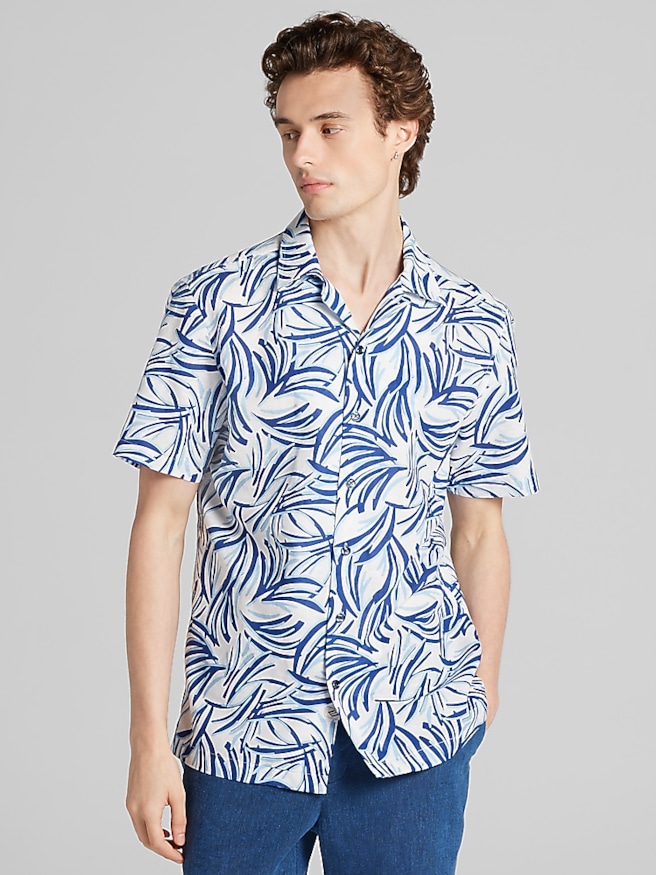
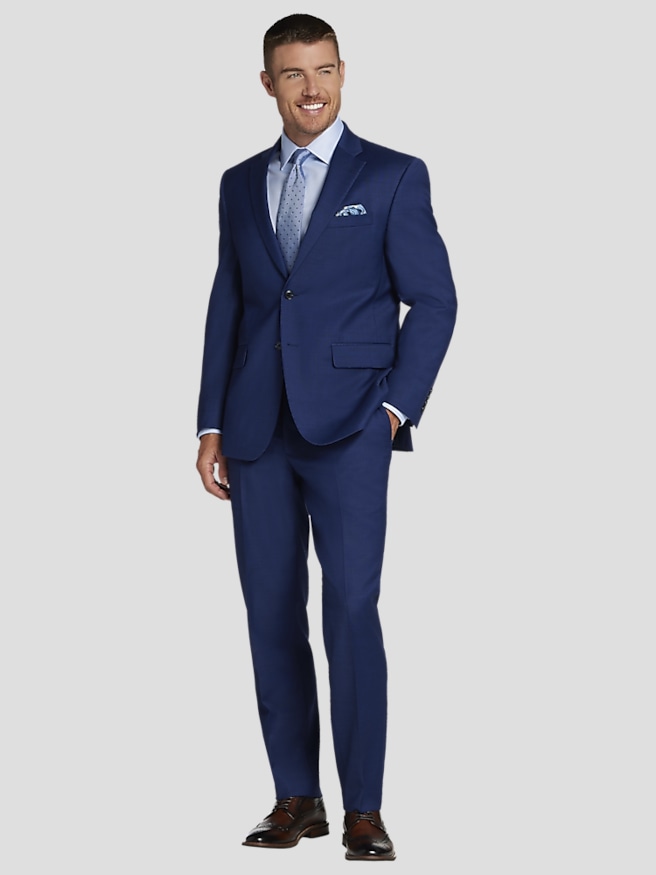
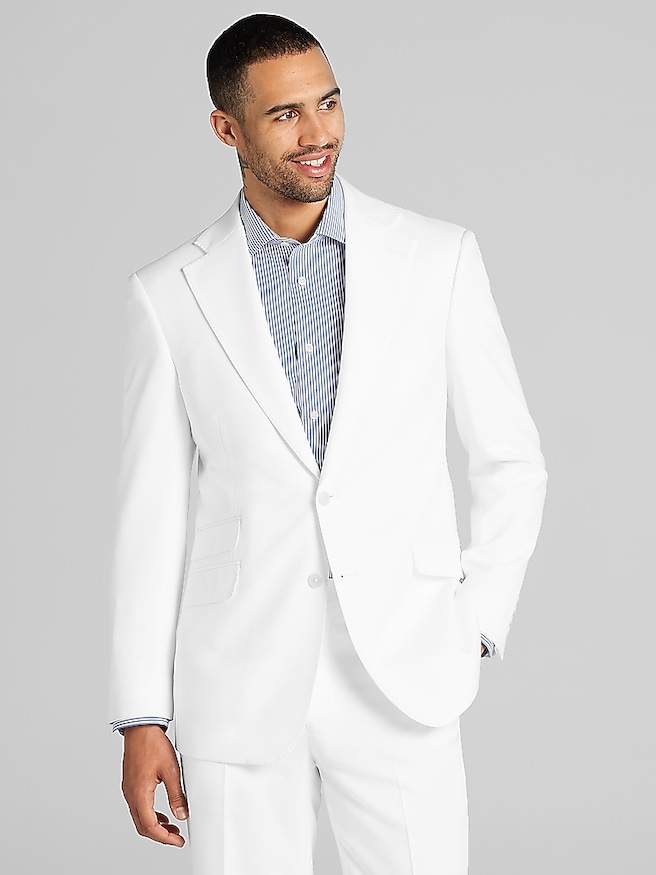
Yacht party attire for men balances a polished appearance with the ease of clothing made for sitting, standing, and moving around a boat. The right level of dress comes from the invitation: a casual daytime gathering may suit a polo and tailored shorts, while a cocktail reception generally calls for dress trousers, a button-down shirt, and a sport coat or suit. A black-tie celebration has a more formal expectation, making a tuxedo appropriate when that dress code is specified. Across these settings, clean lines, comfortable tailoring, and deck-appropriate footwear matter more than elaborate nautical details. Navy, white, cream, stone, and pale blue create a classic palette, with subtle stripes or a small-scale pattern adding interest without overwhelming an outfit. A navy jacket with light trousers feels distinct from business attire, while tonal separates offer a quieter approach for a birthday celebration or an engagement party aboard a yacht. For an all-white event, differences in fabric texture can give the outfit definition: a textured shirt, smooth trousers, and a softly constructed jacket need not look flat or overly coordinated. Slight variations between white and ivory can be attractive, although a strict invitation may call for a closer color match. Daytime yacht party outfits often lean toward relaxed separates, while evening celebrations may favor sharper tailoring and more restrained accessories; the host’s dress code remains the deciding factor. Clothing for a yacht party also overlaps naturally with Elegant Cruise Wear, particularly when an occasion includes a seated dinner, photographs, and time spent socializing on deck. The most useful combinations feel appropriate throughout the event rather than only at the moment of arrival. A shirt that looks finished without a jacket, trousers that stay comfortable through dinner, and footwear permitted aboard the vessel help an outfit work from the first greeting to the final toast.
Fabric and fit give yacht party clothing much of its character. Linen has a distinctive texture and an easy drape, with natural creasing that suits a relaxed dress code. Cotton offers a familiar feel in shirts, chinos, and tailored shorts, while cotton-linen blends bring together different textures and handling qualities. Fine wool and wool-blend tailoring can create a smoother, more formal silhouette for dressier gatherings. Fabric weight, weave, lining, and construction all affect how a garment feels; fiber content alone does not tell the whole story. An unstructured sport coat generally has a softer shape than a heavily constructed jacket, making it a natural companion to an open-collar shirt. A fully coordinated suit gives an evening reception a more deliberate finish, especially when the invitation calls for cocktail attire. Good fit should allow ordinary movement without making the outfit look loose. Jacket shoulders should sit neatly, shirt buttons should lie flat across the chest, and trouser waistbands should remain comfortable when seated. Reaching for a handrail or settling into a dining chair should not pull a shirt tight across the back or make a jacket feel restrictive. Trousers with a clean hem are easier to manage than excess fabric gathered around the shoes, and shorts look more polished when their shape is tailored rather than oversized. A modest amount of stretch may improve ease of movement, though the cut still needs to fit correctly. Light-colored trousers deserve attention to opacity, pocket outlines, and the appearance of tucked-in shirttails. Smooth, unobtrusive underlayers help preserve a clean finish. Thoughtful proportions also make separates easier to combine: a softly tailored jacket works best with trousers that have enough structure to complement it, rather than a distinctly athletic shape. These details make yacht party attire useful beyond a single invitation, with many of the same pieces suited to waterfront dinners, anniversary gatherings, and other social occasions where relaxed clothing still needs to look considered.
Footwear and finishing details should respect both the dress code and the boat. Deck rules vary, and some vessels require nonmarking soles, restrict certain shoes, or ask guests to remove footwear altogether. Boat shoes, loafers, and understated sneakers can complement casual yacht party outfits when permitted, while a dressier loafer may work with tailored separates if its sole meets the vessel’s requirements. A shoe’s appearance does not establish its grip or whether it will mark a surface; sole construction and the host’s guidance deserve attention. Secure-fitting footwear is especially useful around steps and changes in deck level. Accessories can stay simple: a belt that relates to the shoes, a neatly folded pocket square, or a watch can provide enough definition without turning the outfit into a costume. Ties belong with the stated formality of the occasion rather than with the yacht setting itself. For an open-collar look, a collar that sits neatly under the jacket helps the combination feel intentional. Secure pockets and minimal loose accessories make it easier to keep personal belongings contained while moving between seating areas. Lasting value also depends on care. Garment labels should determine washing, drying, steaming, and dry-cleaning decisions, especially for lined jackets and blended fabrics. Linen’s natural creases need not be treated as a flaw, but crushed collars, stained cuffs, and misshapen hems can undermine an otherwise polished outfit. Prompt attention to spills, appropriate cleaning, and storage on suitable hangers help preserve clothing between occasions. Durable seams, securely attached buttons, and well-finished pocket openings are useful details in pieces worn repeatedly for celebrations and travel. For someone who often attends onboard gatherings, versatile shirts, tailored trousers, or understated accessories can also make thoughtful gifts when size, care preferences, and personal style are known. The appeal of yacht party clothing lies in that balance: enough refinement for a special invitation, enough comfort for the setting, and enough versatility to remain part of a well-used wardrobe.