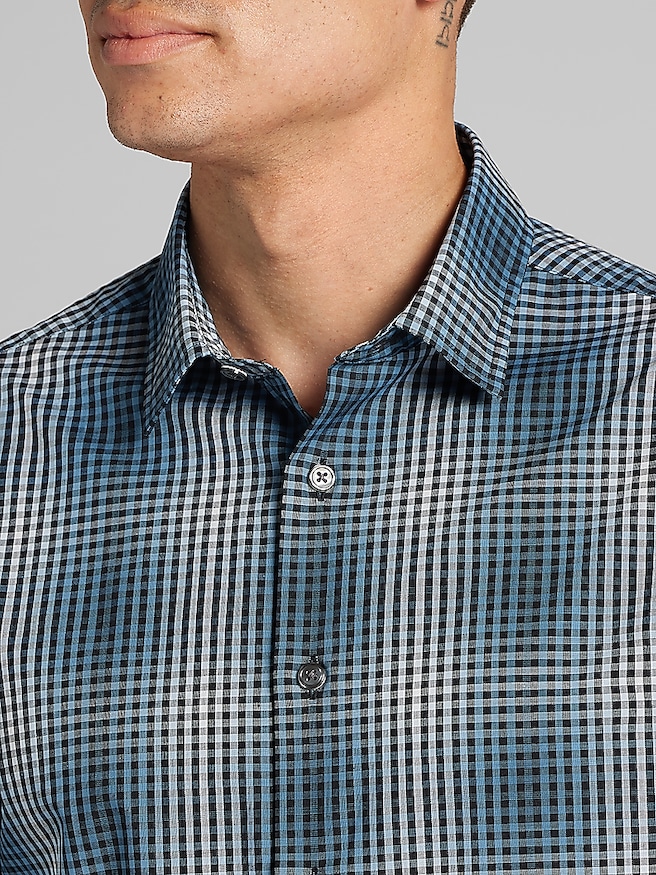
Wrinkle-free shirts for travel are designed to resist creasing during packing and wear, helping maintain a neat appearance between departure and arrival. Their performance comes from a combination of fiber content, fabric construction, and, in some cases, an easy-care finish. Treated cotton, cotton-polyester blends, and certain synthetic fabrics can all reduce the effort needed to keep a shirt looking presentable away from home. The appeal of Men's Wrinkle Free Shirts is especially clear on a trip that moves from an airplane seat to a client lunch, with little time in between to unpack. Cotton offers a familiar feel and breathability, while polyester can improve shape retention and help fabric dry more quickly than comparable all-cotton material. Nylon can contribute strength and a smooth feel, and a small amount of stretch can make reaching for an overhead bag or sitting through a long connection more comfortable. Fiber percentages matter, but they do not tell the entire story: a tightly constructed woven shirt feels different from a flexible knit, even when both are described as easy care. A smooth poplin can provide a crisp backdrop for a tie, while a subtle twill adds texture and a slightly more substantial drape. Lightweight fabrics take up less suitcase space, although lighter colors and finer weaves may need an undershirt for the desired coverage. A denser fabric may offer more opacity but occupy more room when folded. Wrinkle-free, non-iron, and wrinkle-resistant descriptions all point toward easier upkeep, not an absolute guarantee against every crease. Compression, moisture, and time inside a tightly packed bag still affect how a shirt looks when it comes out. The most useful travel shirt balances crease resistance with the feel, coverage, and level of polish that the itinerary calls for, rather than relying on a fabric label alone.
Fit becomes particularly noticeable when a shirt has to work through several hours of travel and then look appropriate at the destination. Shoulder seams should sit close to the shoulder edge, with enough room across the upper back to reach forward without pulling the front buttons. A collar worn with a tie needs comfortable space at the neck, while sleeves should allow the elbows to bend freely and finish neatly at the wrist. Slim and tailored cuts can sit cleanly beneath a jacket, but excess tightness creates tension lines across the chest and waist that wrinkle-resistant fabric cannot eliminate. A classic fit offers more room through the torso; the important distinction is comfortable ease rather than unnecessary bulk. Stretch can support movement, but it is not a substitute for the correct size. Shirt length matters just as much. A longer hem helps a dress shirt remain tucked during a presentation or an extended seated journey, while a shirt intended to be worn untucked needs a proportion that looks deliberate with chinos or other casual pants. Collar shape also influences versatility. A structured spread or point collar pairs naturally with a suit and tie, while a button-down collar can look composed with an open neck and a sport coat. White and light blue create a straightforward foundation for business travel, and subtle stripes or small checks add variety without complicating a compact wardrobe. Patterns may make minor creases less noticeable, though they do not change the fabric’s actual wrinkle resistance. For a trip that includes a conference, a dinner reservation, and an informal morning meeting, shirts that coordinate with the same jacket and pants reduce the number of separate outfits needed. A collar that sits neatly without a tie, cuffs that rest comfortably beneath jacket sleeves, and fabric that drapes smoothly at the waist can make one shirt useful across several settings. Those details often matter more in daily wear than an especially elaborate pattern or decorative trim.
Easy care is most valuable when it fits the practical limits of travel. Machine-washable construction can simplify upkeep, but washing and drying requirements vary by fabric and finish, so the care label remains the best reference. Some shirts benefit from tumble drying on a permitted setting and prompt removal; others require air drying or professional care. Leaving a damp shirt crumpled in a bag can set creases and create odors, even when the fabric is described as wrinkle resistant. Hanging a clean shirt with the collar and front placket aligned helps preserve its shape, and any ironing or steaming should follow the garment’s instructions. Packing also influences the finish at arrival. A shirt folded without sharp, unnecessary compression has a better chance of emerging neatly than one squeezed beneath heavy shoes or an overfilled toiletry case. Giving collars room to retain their shape and keeping hard accessories away from the fabric can help prevent marks and snags. For repeated trips, durability deserves attention alongside convenience: secure buttons, even stitching, well-finished seams, and stable collars and cuffs support consistent wear. Friction from backpack straps, frequent laundering, and repeated folding all put stress on a travel wardrobe, making thoughtful construction more than a cosmetic detail. Breathability, softness, and comfortable movement remain important, too, especially for a shirt worn from an early departure through an evening meal. These qualities make easy-care shirts practical gifts for frequent business travelers, recent graduates preparing for interviews, or anyone whose schedule includes professional events away from home. Knowing the recipient’s neck size, sleeve length, preferred fit, and usual dress code makes the gift more personal and useful. For wedding travel, work assignments, or a short getaway with a dressier dinner planned, wrinkle-free shirts offer a manageable way to bring a polished option along. The goal is not a shirt that needs no attention under any circumstances, but one that holds its appearance well, feels comfortable through a full day, and requires less fuss when the suitcase opens.