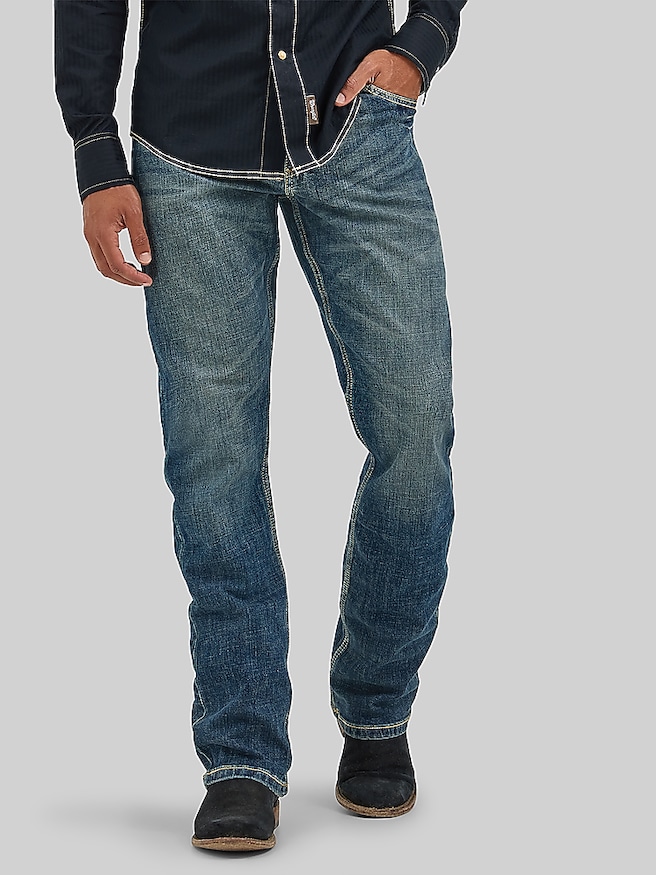
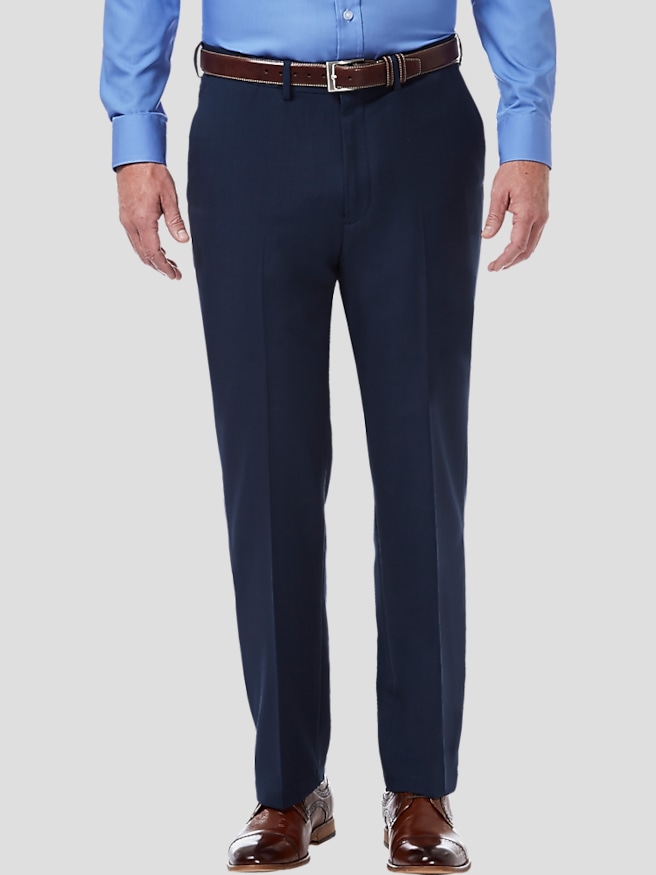
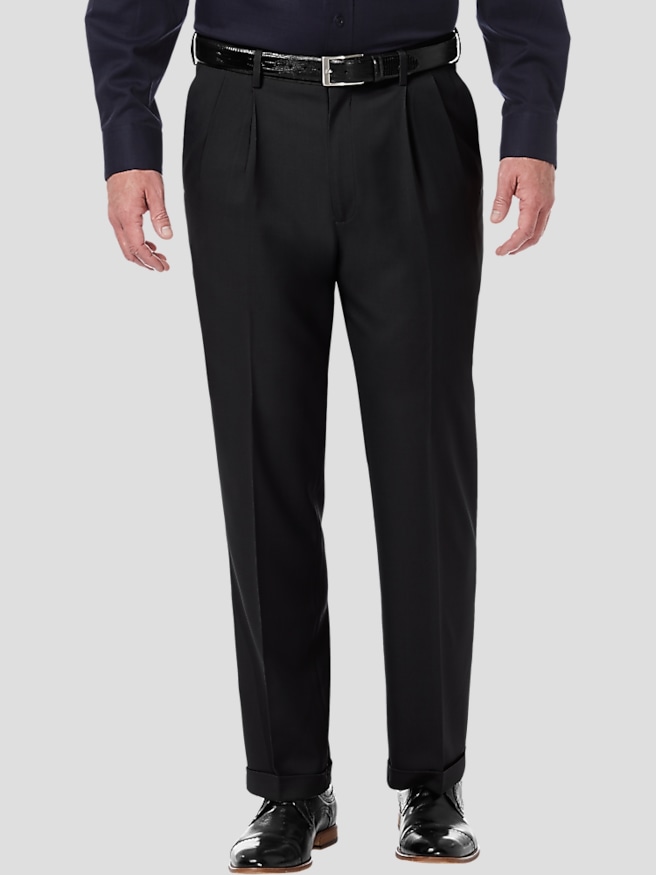
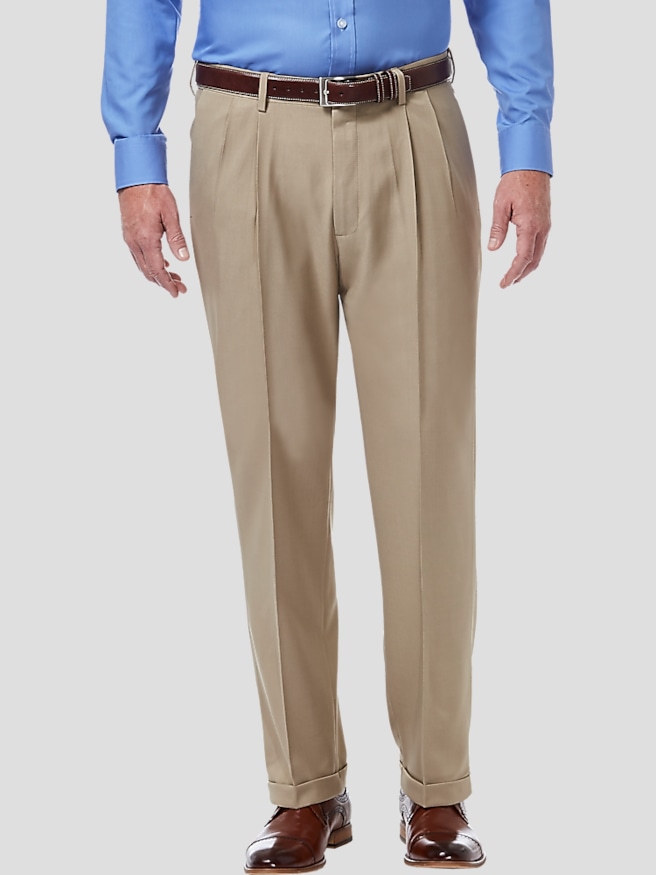
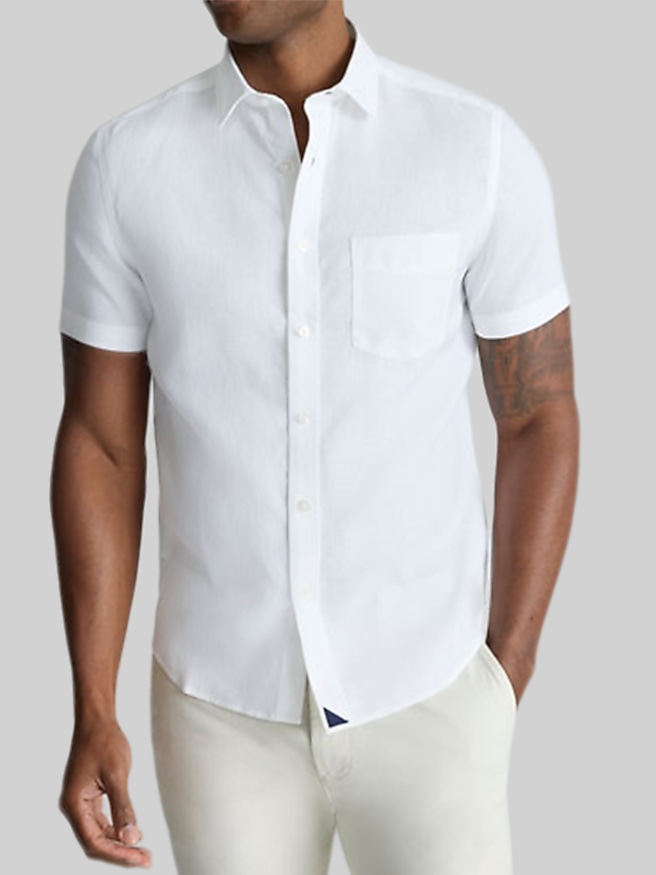
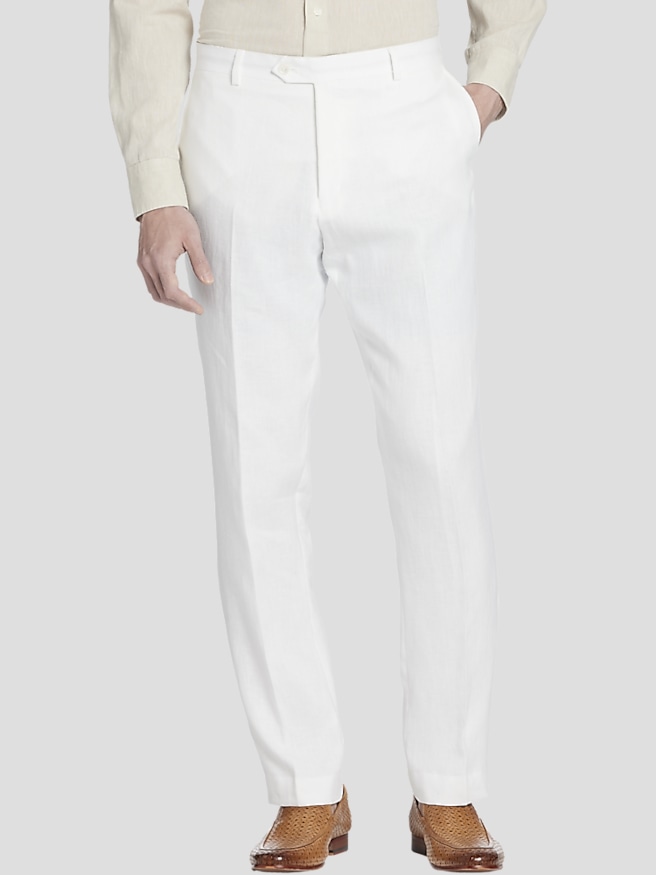
Workwear for summer calls for a careful balance: clothing should look considered and professional while allowing enough airflow for warm commutes, bright afternoons and the transition between outdoor heat and heavily cooled offices. The most versatile choices are built from breathable, lightweight fabrics such as cotton, linen blends, seersucker, poplin and TENCEL, which can help an outfit feel fresher without sacrificing structure. A well-cut shirt with a soft hand and a clean collar can anchor a range of office looks, while lightweight trousers offer a sharper alternative to casual weekend bottoms. Look for fabrics that resist clinging, seams that lie flat and silhouettes that leave room for comfortable movement. A slightly relaxed fit often feels more natural during warmer weather, but tailoring through the shoulders, waist and hem keeps the overall appearance polished. Neutral shades such as navy, gray, tan, stone, white and soft blue make it easy to coordinate several outfits, while muted seasonal tones can add personality without overwhelming a professional setting. For men who spend part of the day outside, fabric weight and breathability matter as much as appearance; for those working in a climate-controlled office, the ability to add a light layer is equally important. The best summer workwear earns its place by moving easily from the morning commute to meetings, lunch appointments and the final trip home.
Lightweight tailoring is especially useful when the weather shifts throughout the day. A breathable unstructured blazer or a softly constructed jacket can provide the visual authority of traditional tailoring without the weight of a colder-season layer. Keep one at the office, in a work bag or over the back of a chair for conference rooms that run cool, then wear it with a simple shirt when a more formal impression is needed. Fine-gauge knit layers and lightweight overshirts offer another practical option when early mornings and cooler evenings arrive during the transition into fall and beyond. Look for layers in complementary neutrals so they can be combined with several trousers and shirts, reducing the amount of planning required before work. One-color combinations create a streamlined appearance, while subtle texture from linen, cotton or a fine weave adds depth to an otherwise simple outfit. Pay attention to care instructions, since a fabric that requires frequent specialized cleaning may be less practical for regular commuting. Wrinkle resistance, colorfastness and easy laundering can be valuable considerations for anyone who travels, works long hours or prefers a compact wardrobe. For a first professional wardrobe, prioritize pieces that can be dressed up or down; a versatile shirt and tailored trouser combination can support a presentation, an ordinary office day or an after-work gathering with only a change of layer and footwear. These selections can also make thoughtful gifts for a recent graduate, a new hire or someone returning to a more structured workplace, particularly when chosen in dependable colors and comfortable fits.
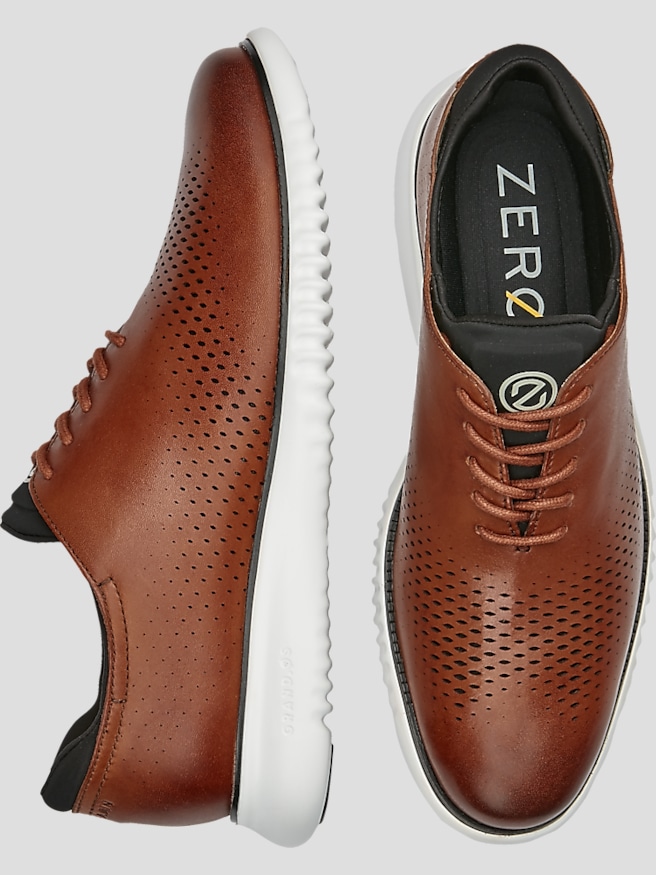
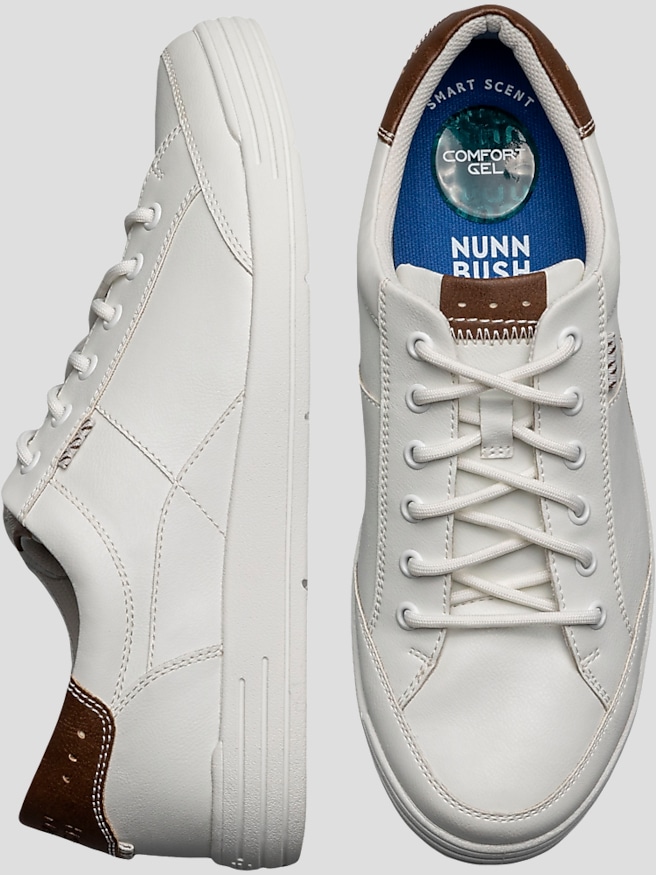
Footwear completes the impression and deserves the same attention as the clothing. Breathable leather or textile uppers, cushioned footbeds and flexible construction can make a meaningful difference during a day that includes walking between transit stops, offices and appointments. Loafers, refined lace-up shoes and streamlined slip-on styles can work well with tailored trousers, while understated low-profile footwear may suit a relaxed workplace when its condition and proportions remain polished. Match the formality of the shoes to the setting, and consider how the color will interact with the rest of the wardrobe: brown and tan can soften navy or blue-gray clothing, while black and deep brown offer a more formal foundation. Socks should also be selected with comfort in mind, especially during warmer conditions; breathable fibers and a secure fit help prevent distraction throughout the day. A belt or small leather accessory in a related tone can bring the outfit together without making it feel overly coordinated. For additional guidance when building a warm-weather office wardrobe from the ground up, explore Summer Work Shoes. As the weather moves toward cooler months, the same core pieces can remain useful with a heavier outer layer, textured knitwear and more substantial footwear. Choosing adaptable fabrics, practical colors and comfortable construction makes workwear easier to wear across changing conditions, helping each outfit feel reliable from the first commute of the day through the last meeting.