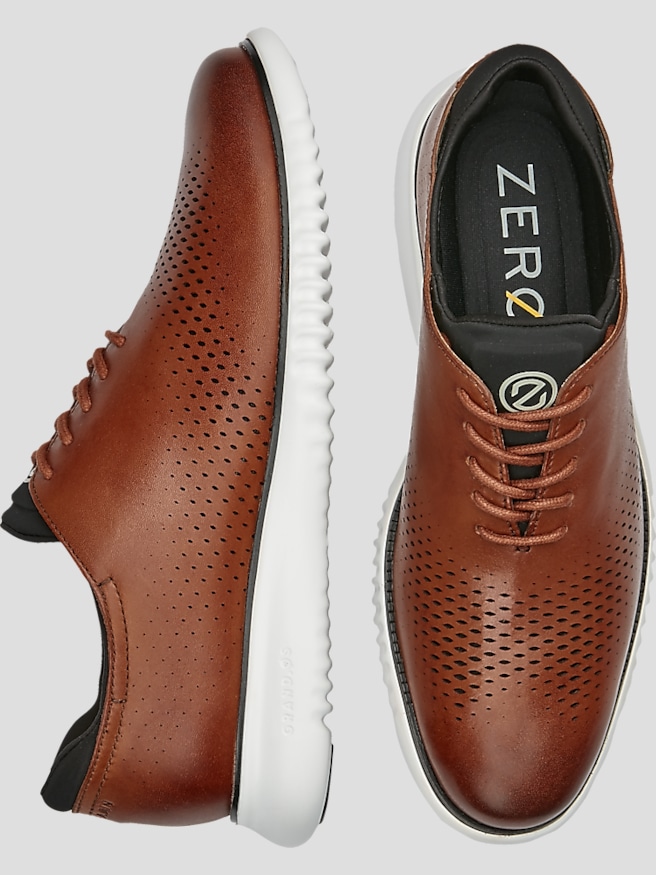
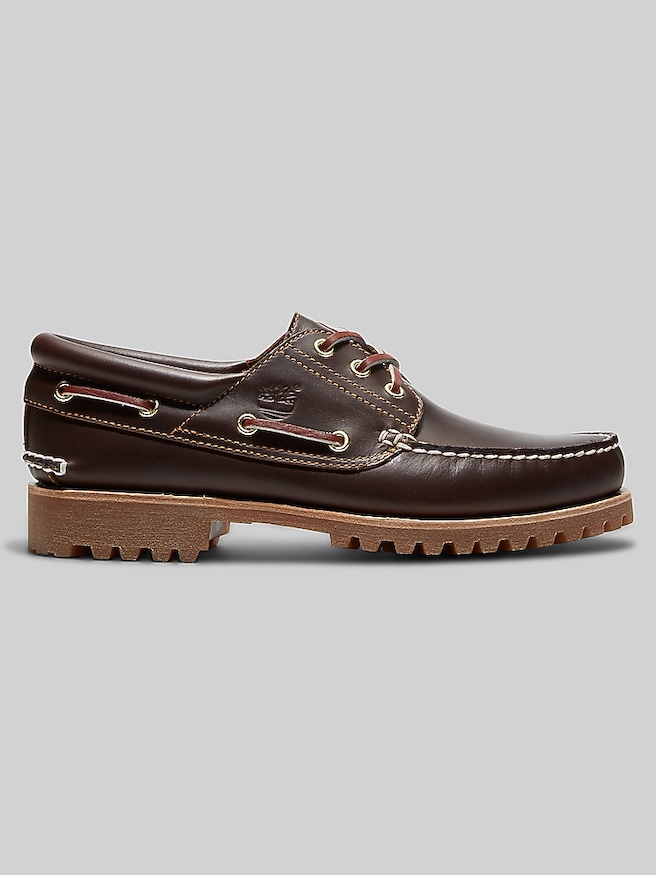
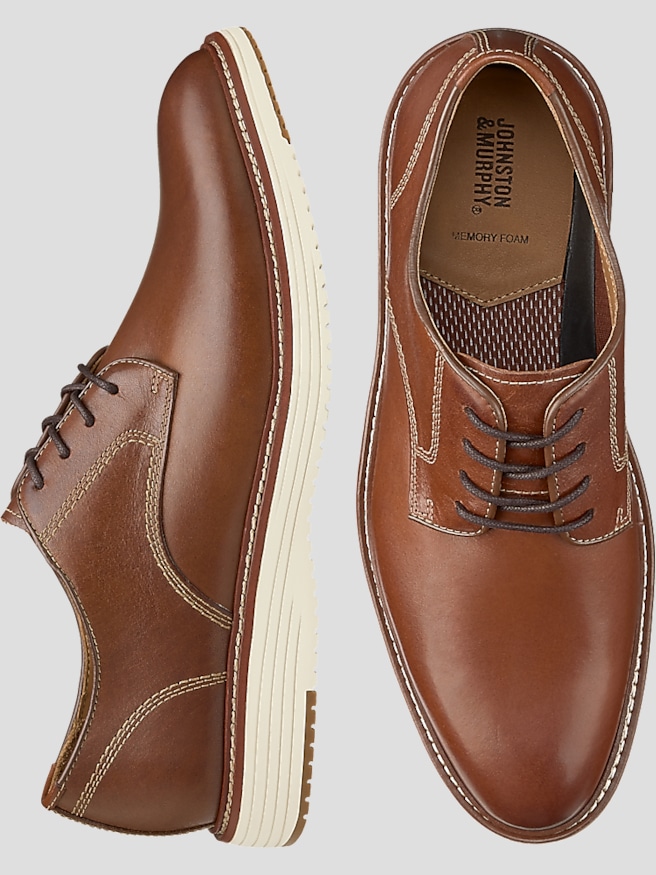
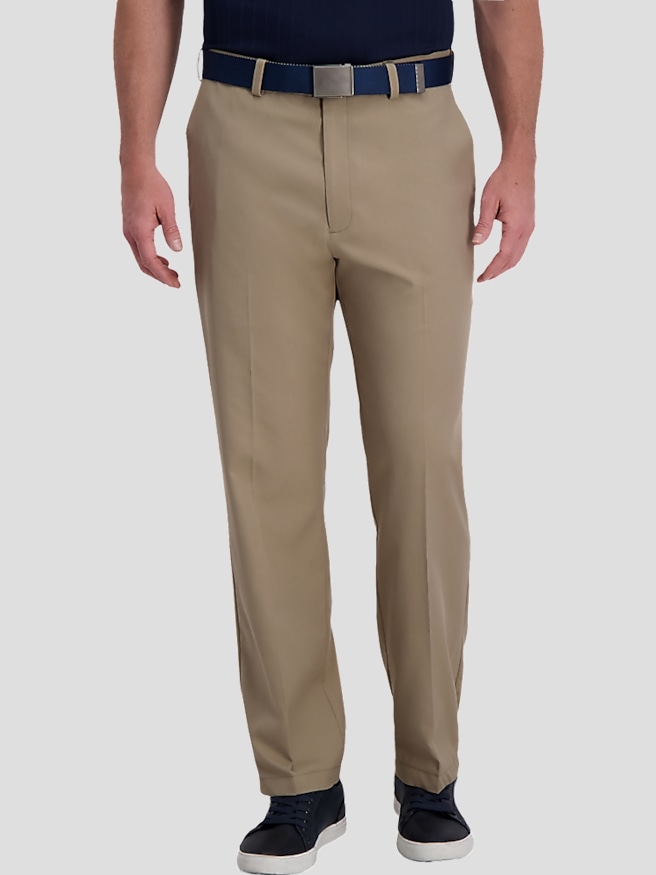
Summer work shoes are designed to make long days on the job feel more manageable without losing the polished appearance many workplaces require. Whether you spend your day moving between meetings, standing behind a counter, walking across a job site, or commuting on foot, the right pair should balance breathability, comfort, durability, and professional style. Warm conditions can make feet feel tired faster, and heat may contribute to swelling, moisture, friction, and discomfort over the course of a shift. Lightweight materials such as woven leather, perforated leather, breathable mesh, and unlined suede can encourage airflow while still looking appropriate with chinos, dress trousers, or a more relaxed office uniform. Classic loafers, refined lace-ups, slip-on shoes, and streamlined work sneakers can each have a place in a summer wardrobe, depending on the setting and the amount of movement your day requires. A clean, low-profile silhouette is especially versatile: it can look at home with a lightweight suit for a client presentation, then transition easily to business-casual attire for the rest of the week. For additional warm-weather wardrobe inspiration, explore Summer Shoes and look for styles that complement the colors and fabrics you already wear.
Fit is one of the most important considerations when choosing summer work shoes. Feet can naturally expand during warm weather and after hours of standing or walking, so a comfortable fit should leave enough room across the forefoot without allowing the heel to slip. Try shoes with the socks you expect to wear at work, and pay attention to pressure around the toes, the top of the foot, and the back of the heel. Flexible uppers are often more forgiving than stiff synthetic materials, which may rub when feet swell or create hot spots during a long shift. A cushioned footbed, supportive midsole, and stable heel can help reduce fatigue, particularly for people who spend most of the day on hard flooring. Breathable linings and moisture-managing fabrics can also help keep the interior feeling fresher, while removable insoles may make it easier to air out or replace the cushioning when needed. For office environments, woven leather or airy unlined materials offer a relaxed warm-weather feel while maintaining a refined finish. Loafers and slip-on styles can be convenient for commuting and travel, while lace-up shoes may provide a more secure fit for days that involve frequent walking. Closed-toe designs are generally a dependable choice for professional settings, offering coverage while pairing naturally with tailored trousers, khakis, and five-pocket pants. Neutral shades such as black, brown, tan, navy, and gray are easy to coordinate and can carry comfortably into cooler seasons when worn with heavier trousers and layered workwear.
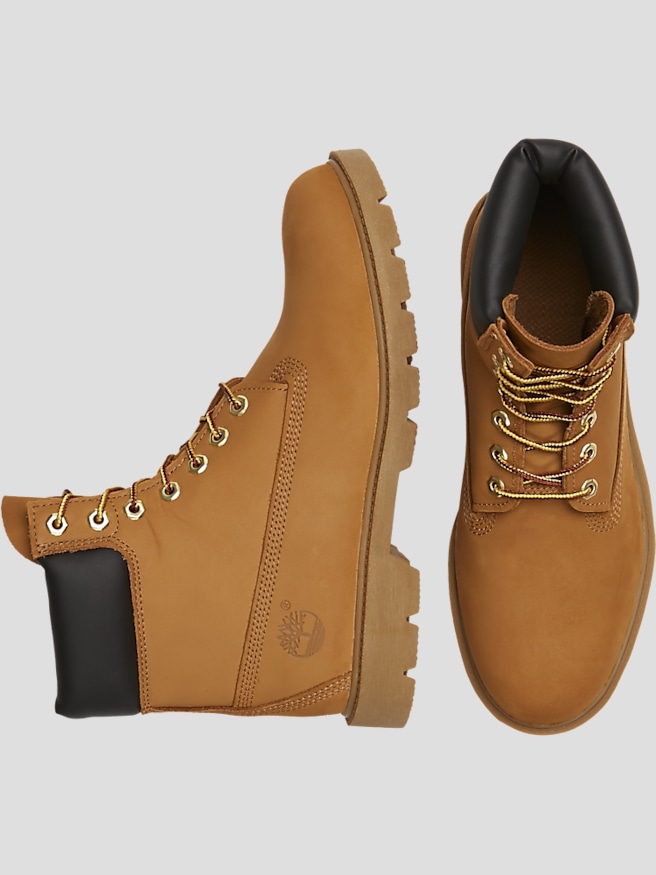
The demands of the workplace should guide the construction you choose. For warehouse shifts, restaurant work, healthcare environments, delivery routes, landscaping, and other active occupations, breathable work sneakers may provide the flexible feel of athletic footwear while offering the coverage and support needed for continuous movement. Look for durable outsoles with dependable traction, especially if you regularly encounter polished floors, moisture, pavement, or uneven ground. Slip resistance can be an important feature in kitchens, service areas, and other workplaces where spills are possible, while a safety toe may be necessary for jobs involving tools, equipment, or heavy materials. Always check your employer’s requirements before purchasing, since standards for toe protection, electrical hazard resistance, sole construction, and other safety features can vary by occupation. Outdoor workers may benefit from air-mesh panels, water-resistant treatments, reinforced seams, and soles that grip across grass, gravel, and hard surfaces. Those working primarily indoors may place greater value on cushioning, lightweight construction, and easy cleaning. A pair of summer work shoes can also be a practical gift for a recent graduate, someone beginning a new position, a traveler preparing for a business trip, or a family member whose job keeps them on their feet. To help shoes last through changing conditions, allow them to dry fully between wears, rotate pairs when possible, and use a shoe tree or relaxed storage to help maintain their shape. As the weather shifts from warm afternoons to cooler mornings, versatile work shoes remain useful when paired with breathable socks in transitional weather and more substantial trousers during the colder months.