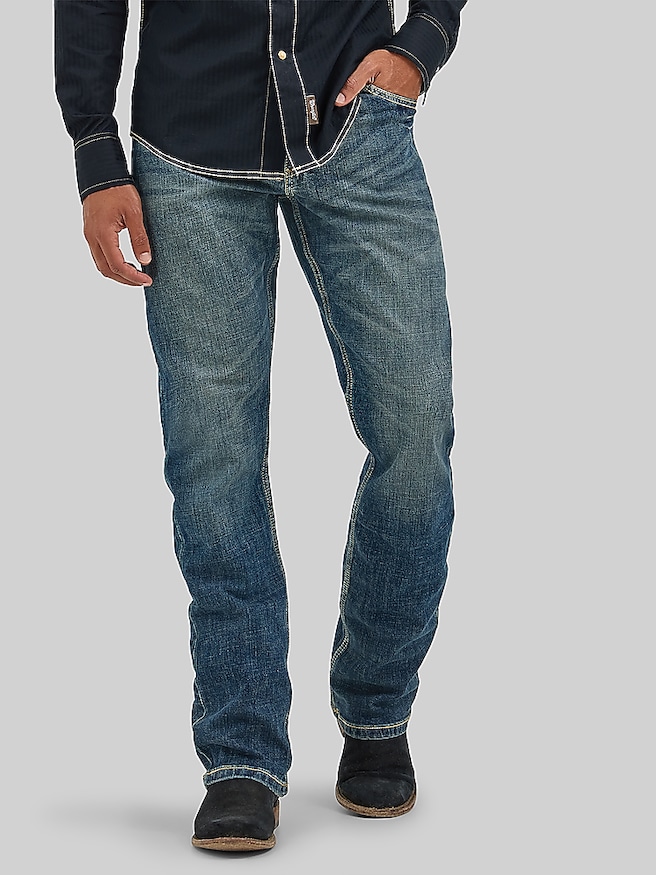
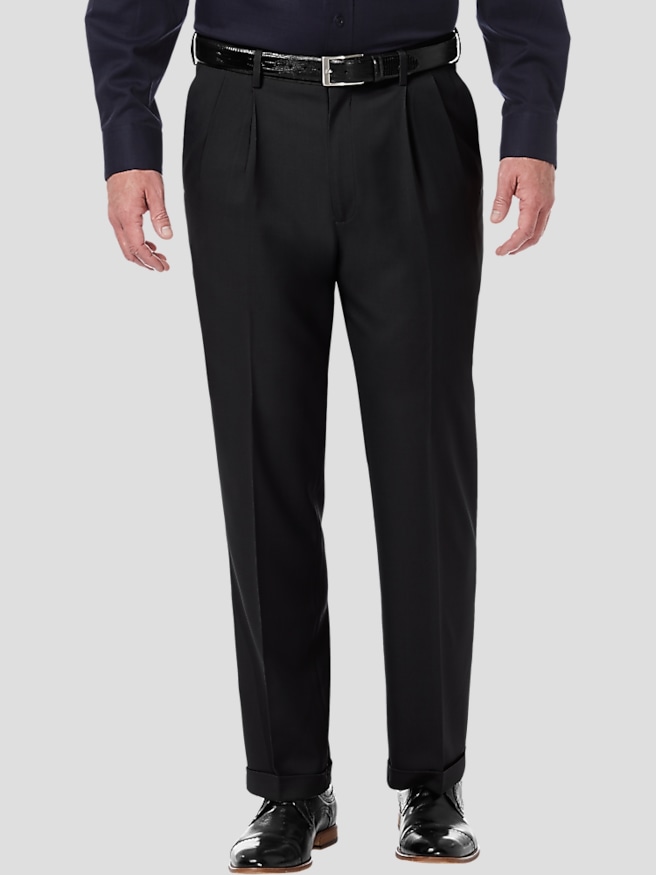
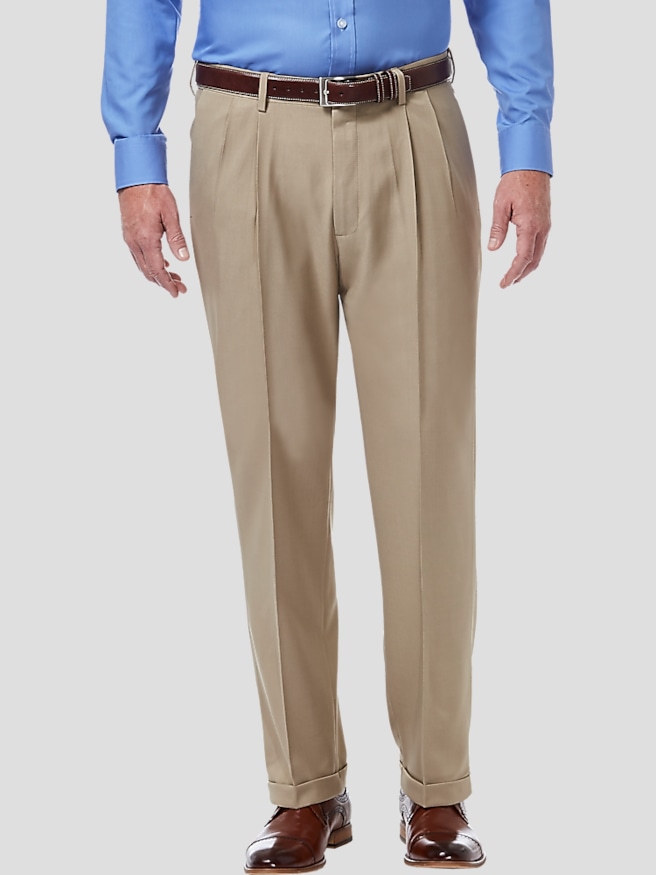
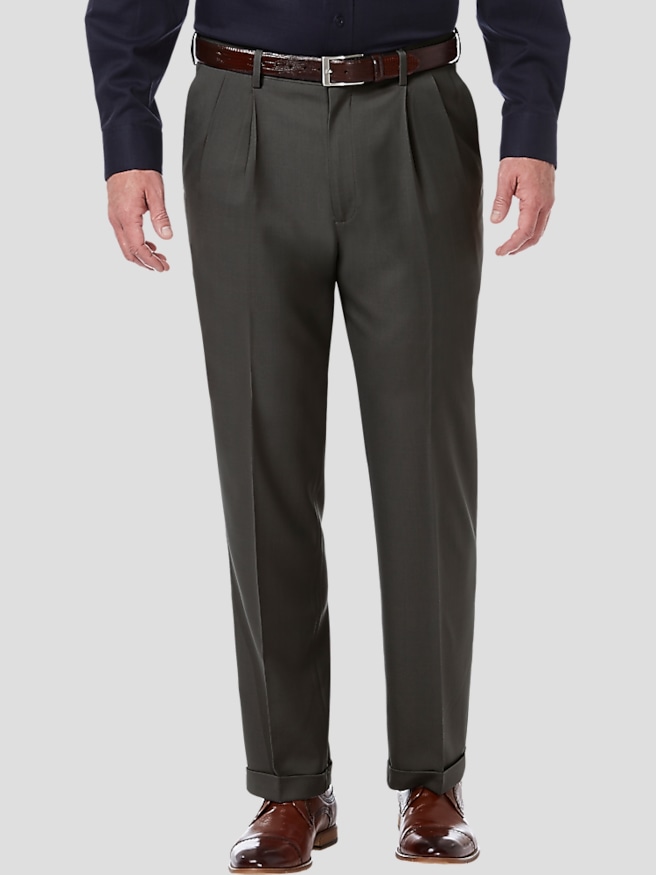
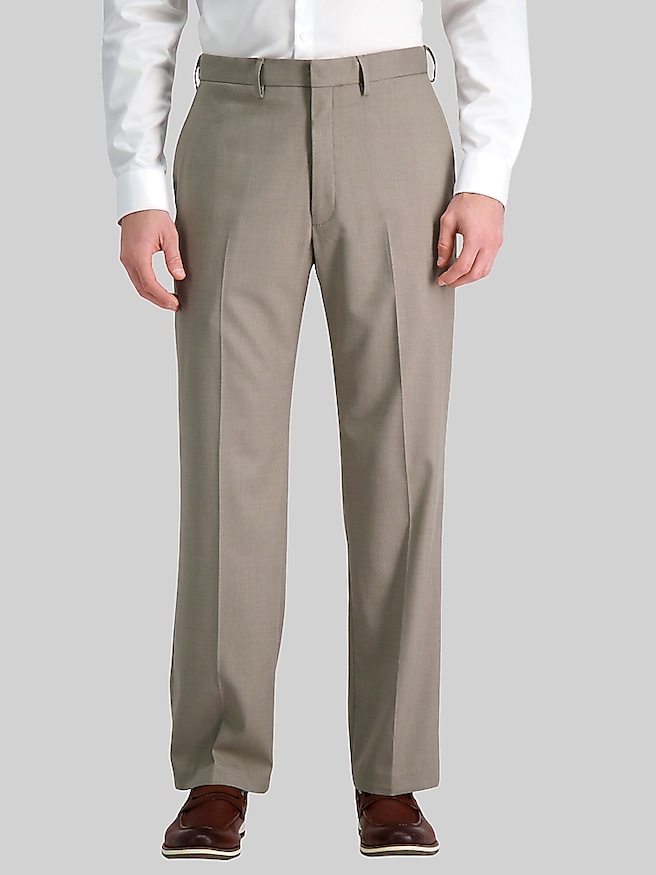
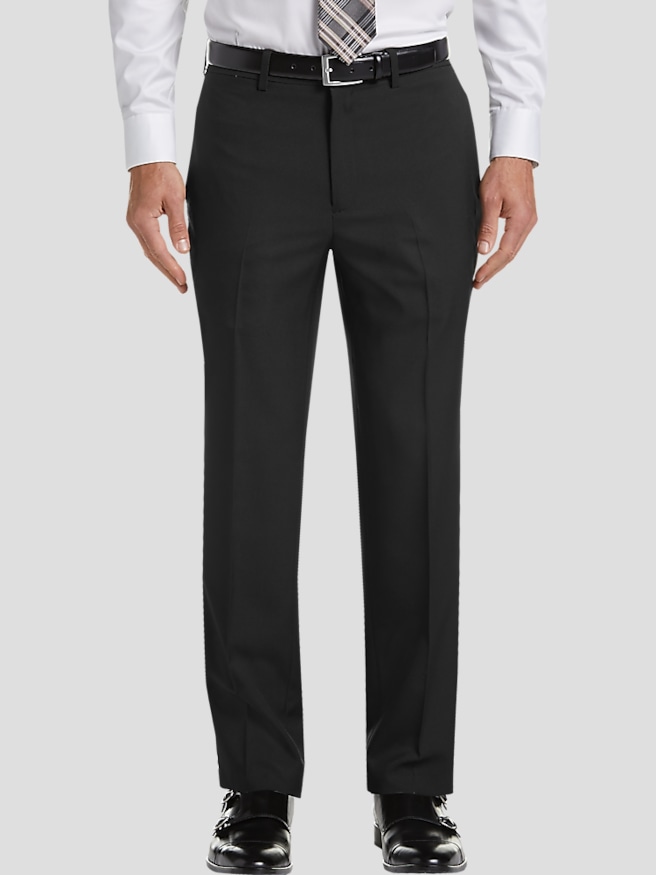
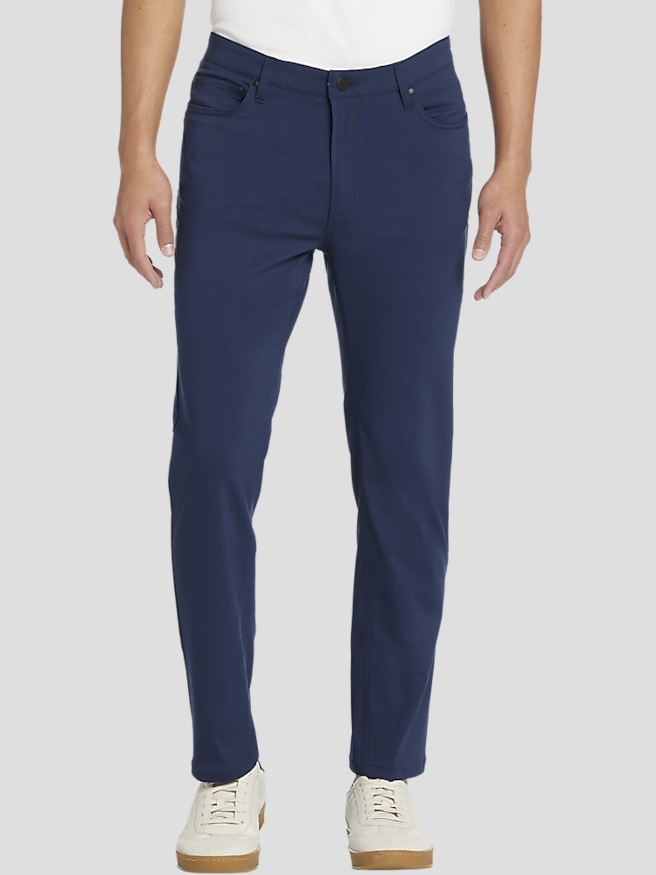
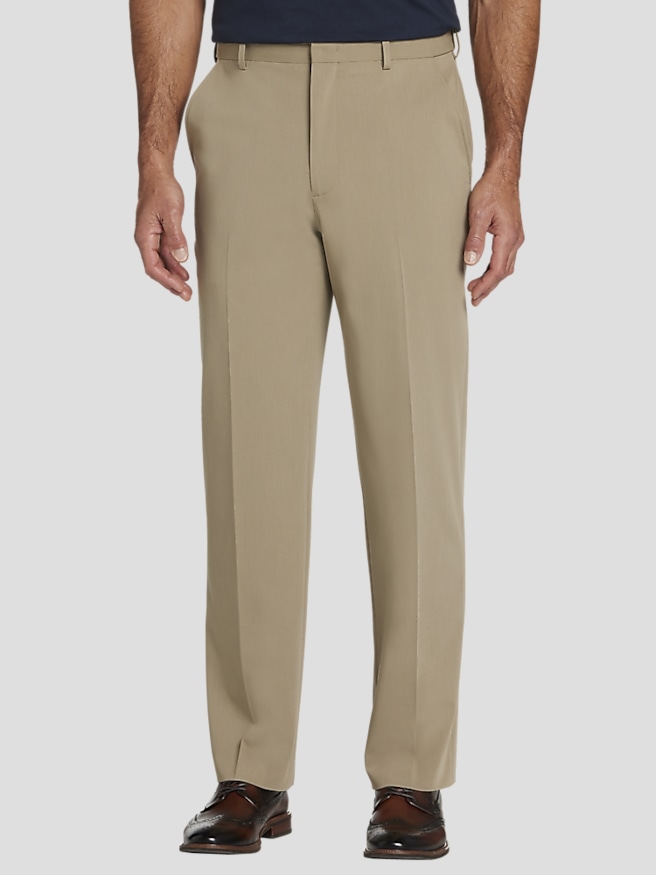
Tech dress pants bring the clean lines of tailored trousers to days that involve more than sitting behind a desk. A typical workday might include a drive to the office, a presentation, several flights of stairs, and dinner before heading home. Pants made with movement in mind can make that schedule feel less restrictive without giving up a polished appearance. The difference often starts with the fabric: depending on the construction, synthetic fibers such as polyester or nylon may be blended with elastane for stretch, shape recovery, or easier upkeep. Some fabrics stretch primarily across the width, while others allow movement in multiple directions. That flexibility can be especially noticeable when sitting through a long meeting or stepping onto a train, though stretch alone does not determine comfort. Fabric weight, weave, waistband construction, and the cut through the seat and thighs all contribute to how a pair feels over several hours. A smooth, matte surface generally reads more like traditional dress cloth, while a pronounced sheen or visible technical texture can give the trousers a more casual character. Features such as moisture management or wrinkle resistance, where specified, may help support a busy routine, but performance claims vary by garment. Wrinkle-resistant fabric can still develop creases after being packed tightly, and a stretch blend still needs enough room to drape properly. For office professionals, frequent travelers, and anyone moving between business and social settings, the appeal is straightforward: trousers that look considered without demanding constant attention. They can also make a thoughtful gift for someone starting a new job or building a more versatile work wardrobe, particularly when the recipient’s measurements and preferred fit are known. The most useful choice is usually one that suits an actual routine, whether that means hours at a workstation, regular client visits, or a dress code that calls for more polish than everyday casual pants.
Fit gives tech dress pants their tailored character, and a flexible fabric works best when it complements the cut rather than compensates for one that is too tight. Through the waist, the trousers should sit securely without pinching when seated or relying on a tightly cinched belt to stay in place. The rise affects both comfort and proportion: a lower rise sits closer to the hips, while a higher rise can provide more coverage and a longer visual line through the leg. Around the seat and upper thigh, enough ease allows the fabric to fall smoothly instead of pulling into horizontal lines. Slim cuts typically follow the leg more closely, tapered shapes narrow toward the ankle, and straighter cuts offer a more consistent line from thigh to hem, although fit names are not standardized. Someone who prefers a streamlined silhouette may still need additional thigh room, especially when much of the day involves walking or standing. Pocket openings that flare outward, a waistband that rolls, or fabric that catches at the calves can indicate that a different size or shape would work better. Length matters just as much. A slight break gives the hem a gentle fold where it meets the shoe, while little or no break creates a cleaner finish with less fabric at the ankle. The right balance depends on the leg opening and the footwear: a narrow hem behaves differently over a slim loafer than over a substantial lace-up shoe. Dark neutral tones offer an easy foundation for a tucked-in dress shirt and leather belt, while midtone trousers can create useful contrast with a navy jacket or a fine-gauge knit. For a presentation or client dinner, a structured jacket and polished shoes keep the outfit intentional. For a less formal office, an understated polo or a neat sweater can preserve that sense of finish without making the combination feel overly dressed.
Care and construction help determine how well tech dress pants hold up to repeated wear. A fabric’s ability to recover after stretching matters as much as its initial softness; trousers that return to shape are less likely to look loose at the knees or seat after a long day. Neat stitching, secure pocket edges, and a stable waistband also contribute to everyday durability, especially at points that experience regular tension. Stretch content by itself is not a measure of quality, and a heavier fabric is not automatically the more durable choice. The blend, weave, finishing, and garment construction work together. Care requirements deserve close attention because a technical feel does not necessarily mean the trousers are machine washable. The care label should determine whether washing or professional cleaning is appropriate, along with any limits on drying, ironing, or steaming. When washing is permitted, following the recommended settings and avoiding excessive heat can help protect stretch fibers and the fabric’s finish. Prompt stain treatment using a method suitable for the material can also prevent a small spill from becoming a lasting mark. Between wears, hanging trousers neatly helps maintain their shape, while rotating pairs reduces concentrated wear on the same waistband, pockets, and seams. For travel, folding along an existing crease and leaving some space in the bag can limit hard compression marks; wrinkle resistance is helpful, but careful packing still makes a difference. Everyday habits matter, too. Bulky keys or an overfilled wallet can distort the line of the pockets, undermining an otherwise precise fit. Related collections such as Black Friday Performance Dress Pants offer another way to explore the connection between tailored style and practical comfort. Across this category, the strongest wardrobe additions are the ones whose fabric, fit, and care requirements align with how they will actually be worn. A pair that feels comfortable at a desk, hangs cleanly when standing, and coordinates with familiar shirts and shoes can become a dependable part of getting dressed rather than something reserved for a narrow set of occasions.