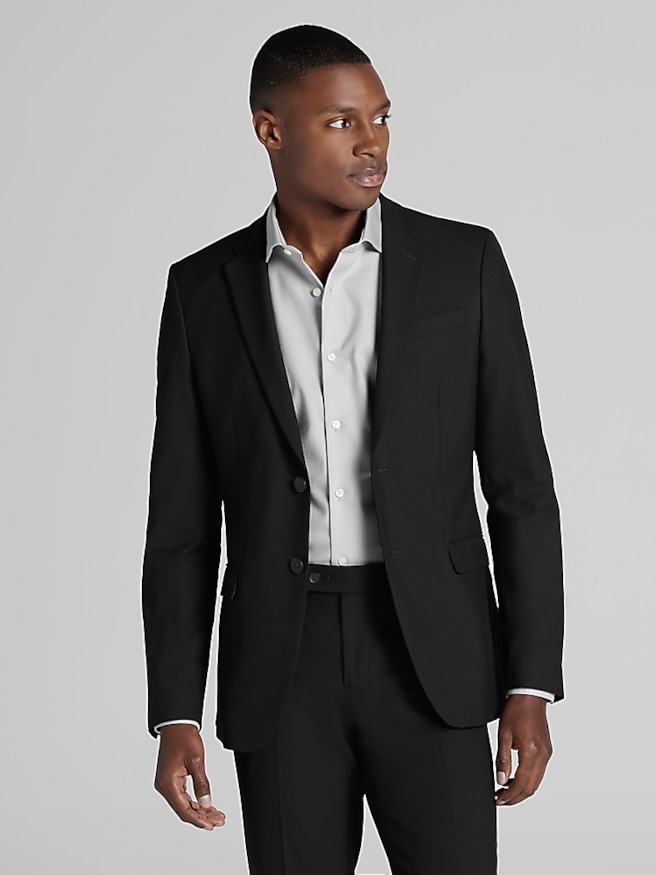
Work clothes for fall bring together tailored layers, comfortable trousers, and office-appropriate footwear that can handle a brisk commute without feeling too heavy at a desk. For business and business-casual settings, the most useful combinations balance the dress code with the way a workday actually unfolds: a walk from the train, several hours seated, a client presentation, and perhaps dinner afterward. Neutral colors such as navy, charcoal, medium gray, and tan make those combinations easier to repeat without making every outfit look the same. Olive, burgundy, and deep brown add seasonal depth while remaining understated enough for many workplaces. A structured blazer gives an open-collar shirt a sharper finish, while a softly constructed sport coat can feel less restrictive through a day of meetings. Fine-gauge sweaters add warmth beneath a jacket without the bulk of a heavy knit, and a clean crew neck or V-neck can suit a relaxed office when worn with pressed trousers. In more formal settings, a coordinated suit and a collared dress shirt maintain a consistent level of polish, with a lightweight outer layer reserved for the trip outside. The distinction matters: fall office clothing should feel comfortable indoors rather than depend on thick insulation throughout the outfit. Texture provides another way to make a restrained wardrobe feel appropriate for the season. Subtle flannel, brushed cotton, fine twill, and smooth knitwear create visual interest even when the colors stay quiet. A navy jacket over a pale blue shirt and gray trousers looks composed for a presentation; replacing the shirt with a fine knit gives the same basic palette a softer character for a less formal day. For occasions that call for a more polished finish beyond the office, Fall Dress Clothes for Men offers a related direction. Across these settings, useful fall workwear has a clear purpose: enough structure to look professional, enough flexibility for ordinary movement, and layers that can come off without leaving an outfit feeling unfinished.
Fabric and fit largely determine whether work clothing stays comfortable from the first meeting to the trip home. Wool is valued in tailored clothing for its natural resilience, drape, and ability to manage moisture, although weight and weave affect how warm a garment feels. Lightweight wool trousers can work well in heated offices, while a brushed wool finish offers a softer hand and a more distinctly autumnal appearance. Cotton shirts provide a familiar, breathable layer against the skin, with finer weaves generally appearing dressier and textured weaves giving business-casual outfits more depth. Cotton chinos offer a less formal alternative to dress trousers where the dress code allows them. Blended fabrics may add stretch, help a garment retain its shape, or simplify care, but those benefits depend on the fabric composition and construction rather than the presence of a single fiber. Soft merino wool knitwear can fit neatly beneath tailoring; cotton knits may suit someone who prefers a less insulating layer. The right fit leaves room for these combinations without creating loose folds or pulling at seams. A jacket should rest smoothly across the shoulders, with sleeves that allow the shirt cuff to show slightly and enough space through the chest to button without strain. Trying the fit while seated or reaching forward reveals restrictions that may not be obvious in front of a mirror. Trousers should sit securely at the waist, skim rather than grip the thighs, and fall cleanly over the intended shoes. A slimmer cut can look sharp, but comfort through the seat and knee matters more than a narrow silhouette during a long day at a desk. Straight and more relaxed tailored cuts can provide extra room while maintaining a professional line. Shirt collars should feel comfortable when fastened, and sweater necklines should lie flat over the layer beneath them. For someone who moves between a warm conference room and a chilly parking garage, several moderate-weight layers usually provide more control than one especially heavy garment. An overcoat also needs enough space to fit over a jacket without compressing the shoulders or bunching the sleeves.
Durability and care help fall work clothes remain presentable through repeated wear, especially when the same core pieces serve several days of the workweek. Strong, even stitching, secure buttons, smoothly finished seams, and pocket openings that lie flat are useful details to assess. Areas that receive frequent friction, including trouser seats, elbows, and cuffs, deserve particular attention when choosing fabrics for a commute or a mostly seated role. Stretch should recover rather than leave knees or elbows visibly bagged after wear. Care requirements should also match everyday habits: some shirts and trousers can be machine washed, while tailored jackets and certain wool garments need professional cleaning according to their labels. Excessive heat can affect fit, surface texture, and stretch fibers, so washing and drying directions matter as much as the initial feel of the fabric. Hanging jackets on supportive hangers, giving worn clothing time to air, and folding sweaters rather than suspending them from the shoulders can help preserve shape. Prompt attention to spots and occasional pressing or steaming, when permitted by the care label, keep collars, cuffs, and trouser fronts looking considered. Footwear deserves the same practical approach. Leather lace-ups provide a traditional finish for formal offices, while loafers or understated boots may fit a business-casual setting. A secure heel, comfortable toe room, and a sole suited to the walking surface matter when the day includes sidewalks, stairs, and polished lobby floors. Leather is not automatically waterproof, and traction varies by sole construction, so wet-weather needs warrant attention beyond appearance. Socks should provide comfortable coverage when seated, and an outer layer should accommodate the full outfit as fall extends toward early winter. These considerations suit new graduates building a professional wardrobe, experienced office workers refreshing everyday combinations, and frequent travelers who need clothing that coordinates easily. Knitwear or accessories can also make thoughtful gifts when the recipient’s preferences and care habits are known. For jobs requiring protective equipment, ordinary office clothing is not a substitute for employer-specified safety apparel. Within professional indoor settings, a cohesive fall wardrobe earns its place through comfortable fit, adaptable layers, and reliable everyday polish.