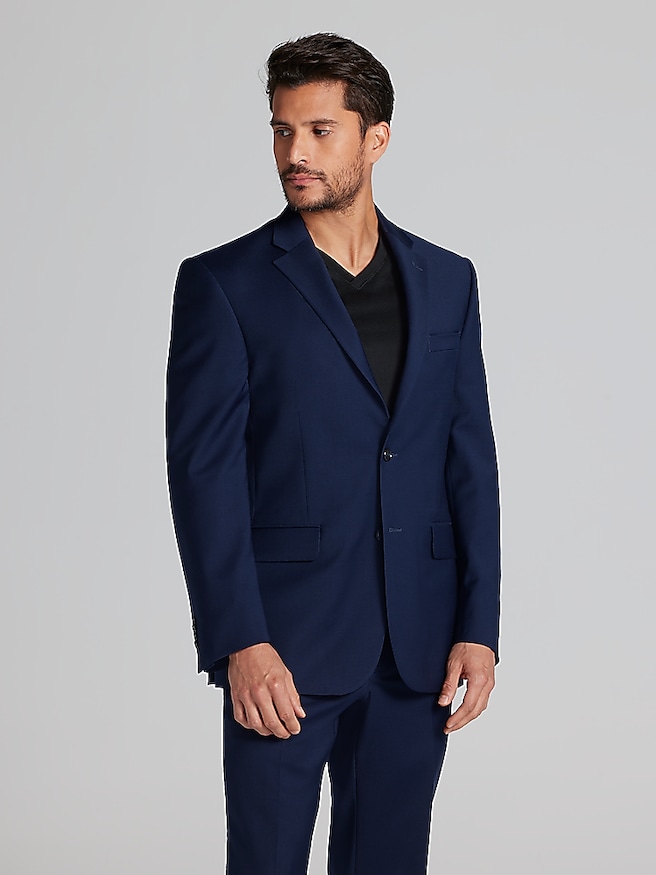
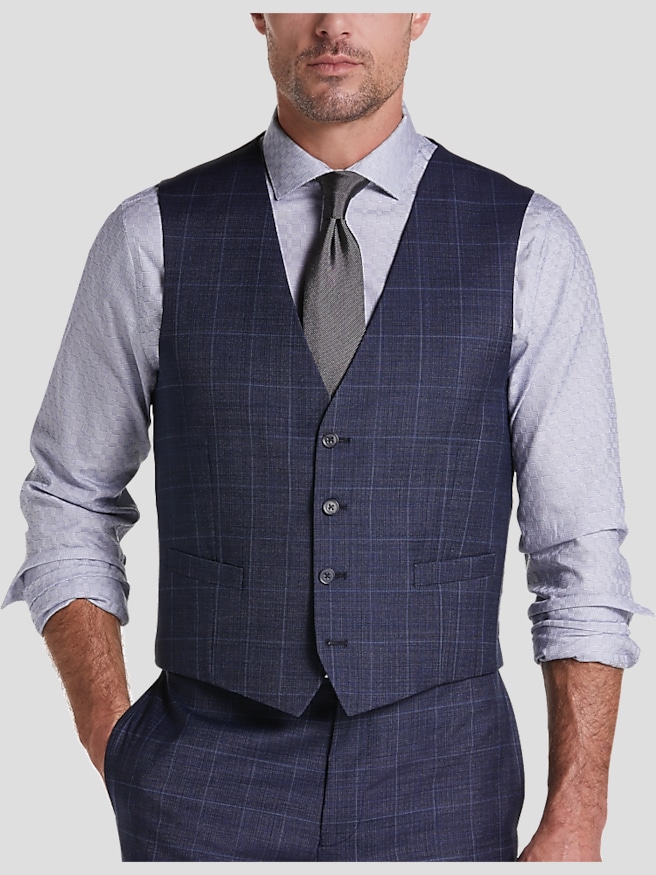
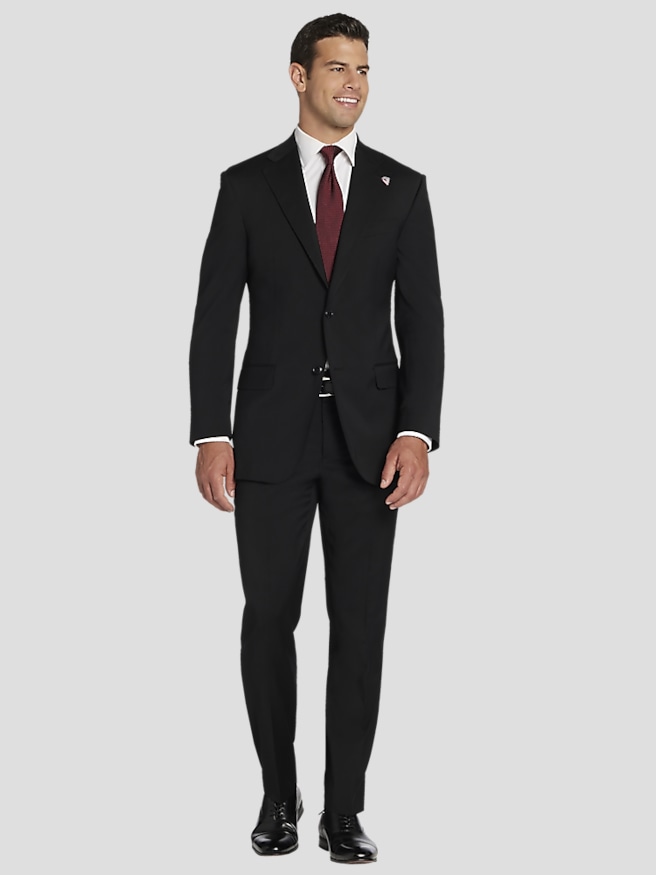
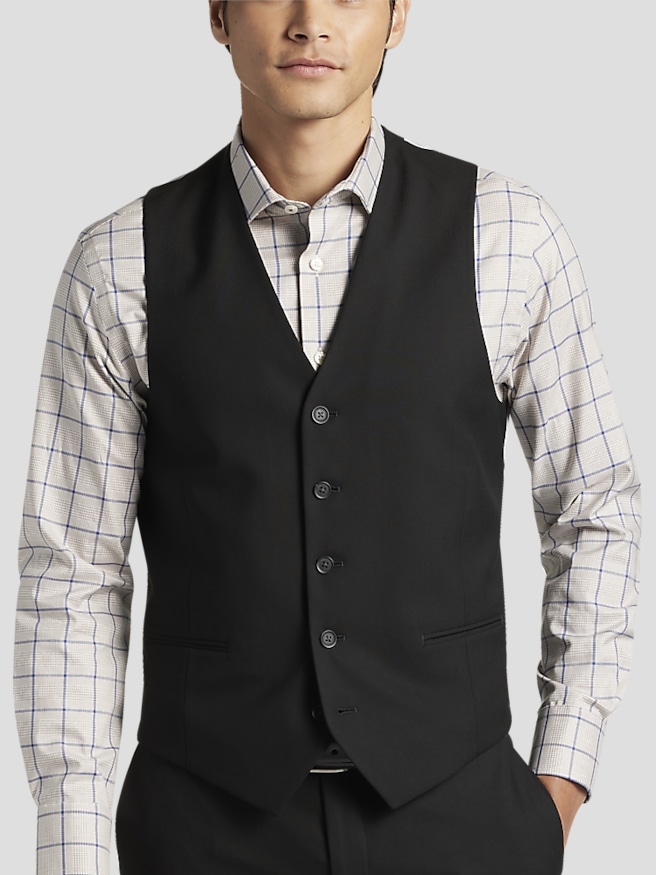
Wool vests for men add warmth through the torso without the bulk of sleeves, making them useful between a dress shirt and jacket or as a finishing layer over a casual button-down. The category spans tailored woven vests, soft sweater vests, and heavier wool layers with a more rugged feel. Each serves a distinct purpose: a structured waistcoat brings definition to dress clothes, a fine-gauge knit softens an office outfit, and a substantial wool vest adds insulation for brisk walks and relaxed weekends. Wool’s natural crimp helps trap insulating air, while the fiber can absorb moisture vapor, contributing to comfort as the day moves between cool outdoor air and heated rooms. Actual warmth depends on fabric weight, construction, lining, and the layers underneath, not simply the presence of wool on the label. Fine merino wool often has a smooth hand and works well in lighter knits that sit neatly beneath a blazer. Lambswool commonly has a soft, loftier feel suited to textured sweater vests, while densely woven wool offers more structure and can help limit drafts. Wool blends may combine the fiber’s warmth with added strength, stretch, or easier maintenance, depending on their composition. A lining can help a woven vest glide over a shirt, though an unlined knit may feel more flexible during a long day at a desk. These distinctions matter in ordinary settings: a lightweight vest can take the chill out of a conference room, while a heavier layer makes more sense for an afternoon spent outdoors. For occasions that move from a ceremony to dinner, a tailored wool vest can keep an outfit looking composed after the jacket comes off. During the cooler months, that balance of warmth, mobility, and polish makes a vest a practical addition to a wardrobe built around shirts, trousers, and jackets rather than bulky layers alone. The most useful choice reflects both the setting and the amount of insulation needed.
Fit gives a wool vest much of its character, whether the intended look is crisp and formal or easygoing. On a tailored vest, the shoulders should lie flat, the neckline should sit cleanly against the shirt, and the front should close without pulling the fabric into horizontal lines. Armholes need enough room for comfortable movement without opening so widely that the shirt bunches visibly at the sides. Length is especially important with dress trousers: the front should generally cover the trouser waistband so a strip of shirt does not interrupt the outfit when standing naturally. A smooth fit while standing should also remain comfortable when sitting, reaching for a steering wheel, or leaning across a table. An adjustable back, when present, can refine the waist, but it cannot correct a vest that is too narrow across the chest or too short through the body. Sweater vests allow a softer silhouette, with enough ease to accommodate a shirt without stretching the knit taut. Ribbing at the hem should rest comfortably rather than grip so tightly that the fabric rides upward. For broader builds or those who need more room through the torso, Big Men's Vests offers a related category to consider; chest measurements, garment length, and the intended base layer remain important when comparing sizing information. Color and texture help set the tone once the proportions are right. Charcoal, navy, and gray pair naturally with familiar shirt and trouser colors, while brown and heathered shades bring warmth to casual combinations. A fine knit over a pale blue Oxford shirt creates an approachable office outfit; a textured wool vest with dark denim and sturdy shoes feels at home at a weekend gathering. For dressier occasions, a woven vest with coordinated trousers and a jacket creates a more continuous line. A contrasting vest can also work, provided the colors and fabric weights feel intentional rather than competing for attention. Subtle texture often supplies enough visual interest without needing a bold pattern.
Long-term wear depends on both construction and care, and wool rewards a little attention between outings. Closely worked knits, secure buttons, even seams, and neatly finished edges are useful details to examine, especially around armholes and pocket openings where movement creates stress. Neither a high wool percentage nor a thick fabric alone guarantees durability; yarn quality, fabric density, and how the vest is worn all play a part. Friction from a shoulder bag, a desk edge, or repeated contact beneath a jacket can lead to pilling, particularly on softer knits. Small surface pills do not necessarily mean the garment has reached the end of its useful life, and careful removal with a tool appropriate for the fabric can help maintain a tidy appearance. The care label should always determine cleaning methods. Some wool vests require professional dry cleaning, while others permit gentle hand washing or a designated machine cycle. Heat and agitation can shrink or felt wool, so a washable label is not a reason to use an ordinary hot wash. For washable knits, gentle handling and drying flat in the original shape help protect the fit. Brief airing between wears can reduce unnecessary cleaning, and a soft garment brush may help lift surface dust from suitable woven fabrics. Knit vests are generally best stored folded to prevent stretching; structured woven styles can benefit from a supportive hanger. Before longer storage, clean the garment as directed and protect it from moth damage in an appropriate enclosed storage space. These habits make particular sense for a vest that rotates through office days, family dinners, and weekend outings. Wool vests can also be thoughtful gifts for someone who appreciates useful layers, especially when the recipient’s measurements, preferred silhouette, and care habits are known. A person who regularly wears blazers may enjoy a smooth, lightweight layer, while someone drawn to casual shirts may prefer a more tactile knit. Matching the fabric, fit, and upkeep to everyday routines helps turn a wool vest into a piece that earns repeated wear throughout the cooler months.