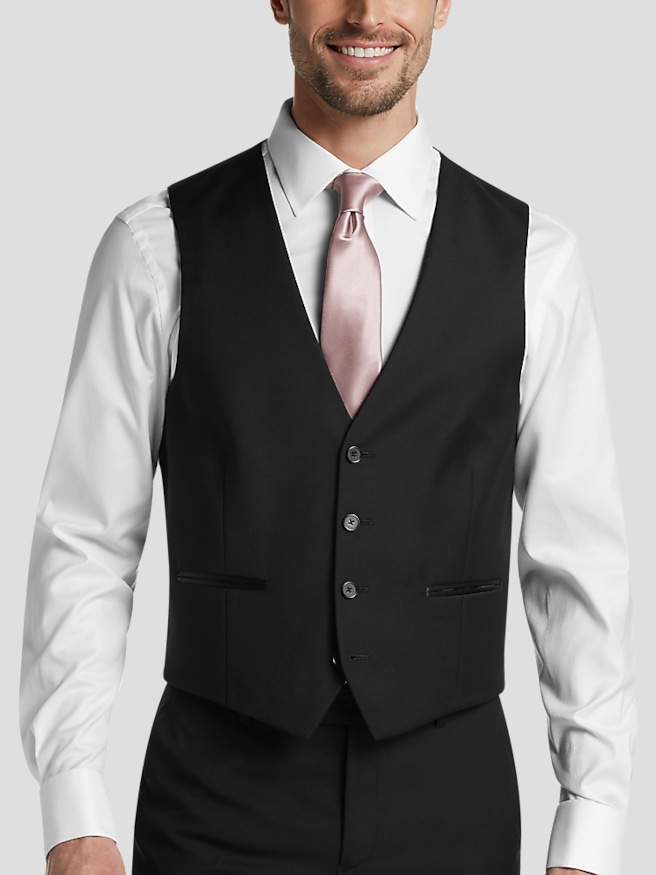
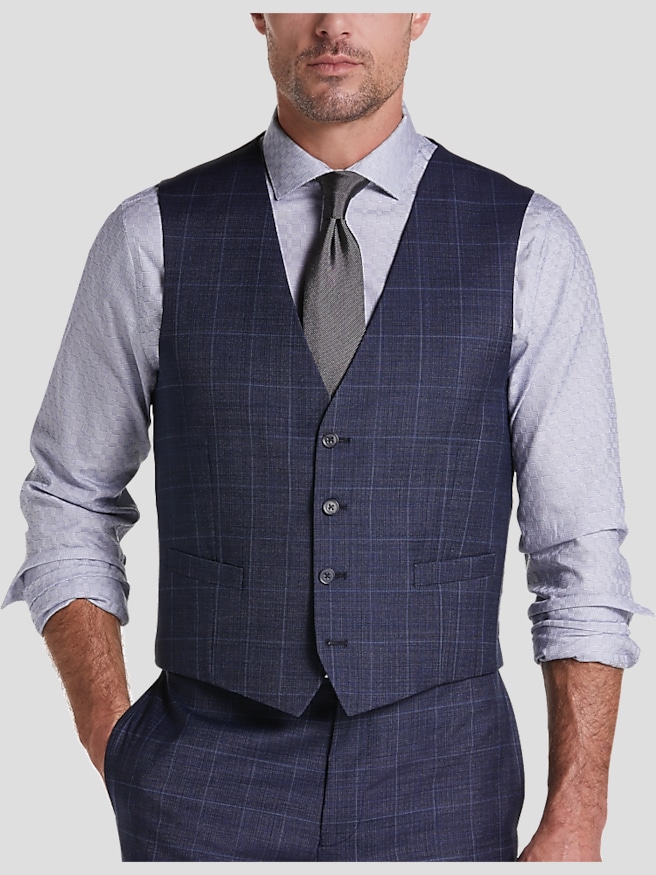
Big men’s vests bring shape, warmth, and versatility to an outfit without the coverage of a full jacket. The category spans tailored suit vests, soft fleece layers, insulated outerwear, and sturdy casual styles, with each serving a distinct purpose. A dress vest creates a finished look over a button-down shirt, while a quilted or fleece vest adds warmth through the torso and leaves the arms free for everyday movement. For broader builds, the most useful distinction is not simply size but proportion: enough room across the chest, a comfortable waist, and armholes that sit cleanly over the layer underneath. A vest should follow the body without pulling tight when buttoned or zipped. That balance matters during ordinary moments, from sitting through a long reception to reaching across a conference table or driving home on a chilly evening. Tailored styles work well for office settings, wedding celebrations, and dinners where a shirt alone feels too casual. Worn beneath a coordinating jacket, a dress vest adds depth to a suit; worn without the jacket, it keeps the outfit composed while allowing more freedom through the shoulders. Casual vests suit commutes, weekend errands, and outdoor gatherings during the cooler months, especially when a heavy coat would feel cumbersome. Color and texture help set the tone. Navy, charcoal, and black tend to blend easily with established wardrobes, while earthy shades and textured fabrics can soften the formality of a layered outfit. A smooth vest over a crisp shirt reads differently from a brushed fleece layer over a cotton knit, even when both combinations use understated colors. For someone who moves between a cool sidewalk, a warm car, and an indoor workspace, that sleeveless construction offers a practical middle ground. The best match depends on where the vest will be worn, what will sit beneath it, and whether the goal is a sharper silhouette, extra warmth, or a little of both.
Fit gives big men’s vests their finished appearance, and the right measurements are more useful than relying on a familiar shirt size alone. Chest and waist measurements provide a starting point, but garment length, shoulder width, and the cut through the middle determine how a vest actually settles on the body. Big sizing generally accommodates greater width through the torso, while tall sizing emphasizes added length; the exact proportions vary by maker and style. A broader chest does not automatically call for a longer vest, and extra length will not solve a tight waist. For builds that need more vertical coverage, Tall Men's Vests offer a related category to consider alongside chest and waist measurements. On a tailored vest, the front should generally cover the trouser waistband when standing naturally, without exposing a strip of shirt between the two. The shoulder sections should lie flat, and the neckline should frame the shirt rather than gape away from it. Buttonholes that pull into small horizontal creases suggest that more room is needed. An adjustable back strap, when present, can refine the waist, but it is not a substitute for adequate space through the front. Traditional dress vests are often worn with the lowest button undone, depending on their design, which can also ease the line over the hips. Casual and insulated styles need enough room for their intended base layer, whether that is a lightweight shirt, a sweater, or a sweatshirt. Too much excess fabric can bunch beneath a coat, while a close fit over a thin tee may become restrictive over a heavier knit. Sitting, reaching forward, and raising the arms reveal more than a still pose in front of a mirror. Pocket placement deserves attention, too: hand pockets should be comfortable to reach, and dress-vest pockets look cleaner when they are not filled with bulky objects. For a gift recipient, a well-fitting garment from the same general category can provide a useful measurement reference, especially when paired with an understanding of how that person prefers to layer.
Materials determine much of a vest’s feel, warmth, and long-term upkeep. Wool and wool-blend dress vests can provide a supple drape and useful temperature regulation, making them comfortable choices for occasions that move between indoor rooms and cooler outdoor spaces. Fabric weight and weave still matter: a dense, textured cloth feels more substantial than a lightweight, smooth suiting fabric. Cotton offers a familiar feel for casual wear, though it can crease, while synthetic blends may improve wrinkle resistance and help a garment retain its shape. A small amount of stretch can make sitting and reaching easier, but sound fit remains essential. Fleece provides soft warmth with relatively little weight and works naturally over long-sleeve shirts for everyday use. Insulated vests add loft through down or synthetic fill, with warmth depending on the insulation, construction, coverage, and conditions rather than puffiness alone. Down is valued for warmth relative to weight, while synthetic insulation generally maintains more insulating ability when damp. Neither makes a vest waterproof; protection from moisture depends on the shell fabric and any specified finish or construction. For frequent wear, details such as secure stitching, reinforced pocket openings, smooth closures, and neatly finished seams can support durability. A sturdy cotton canvas exterior suits more rugged use, while a smooth lining helps a tailored vest slide comfortably over a shirt. Care should follow the garment label rather than a blanket rule for the category. Some tailored fabrics require professional cleaning, while many casual materials permit machine washing under specified conditions. High heat can affect shape, finishes, and insulation, so drying instructions deserve the same attention as washing directions. Closing zippers before washing, emptying pockets, and treating marks promptly according to the label can help limit unnecessary wear. Between outings, allowing a vest to air out and storing it without tight compression helps preserve its appearance. Whether chosen for a milestone celebration, a dependable workday layer, or a thoughtful gift, a well-proportioned vest earns its place through comfort, useful construction, and an easy relationship with the clothes already in rotation.