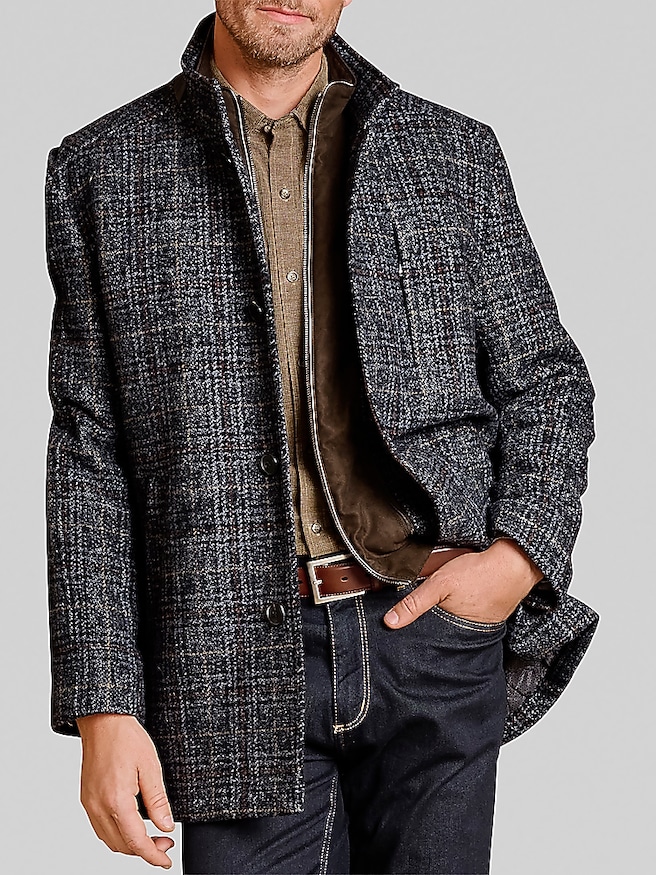
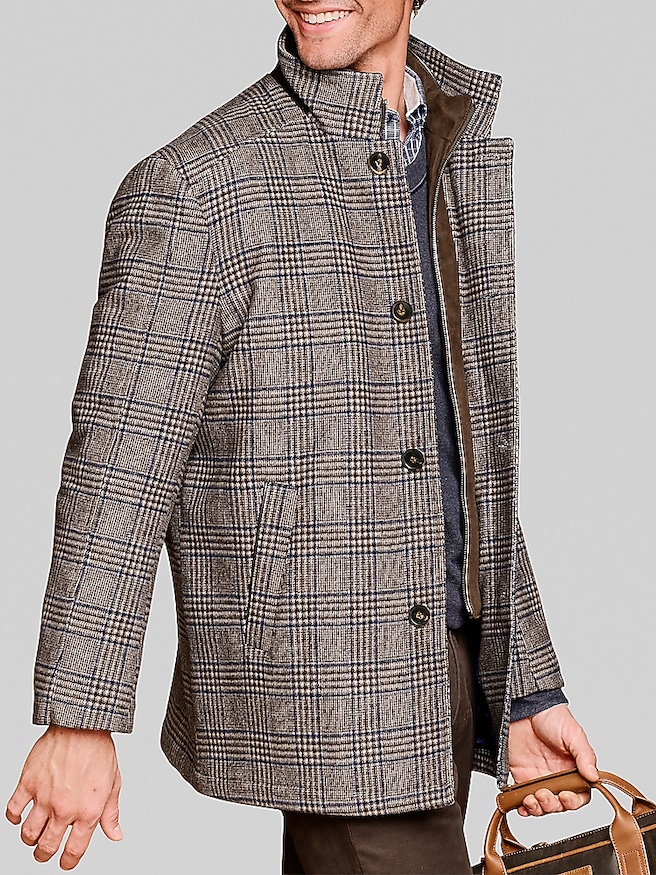
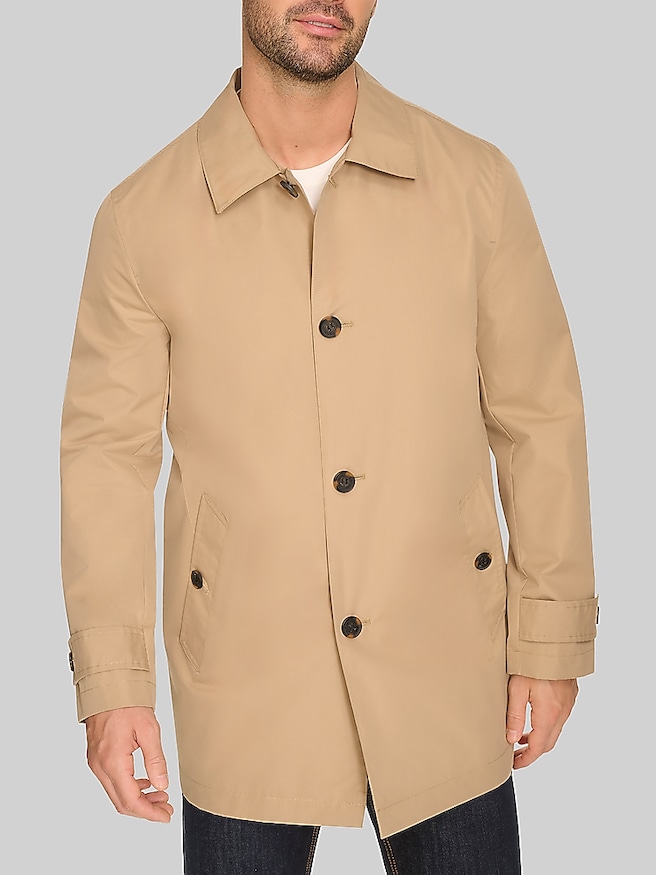
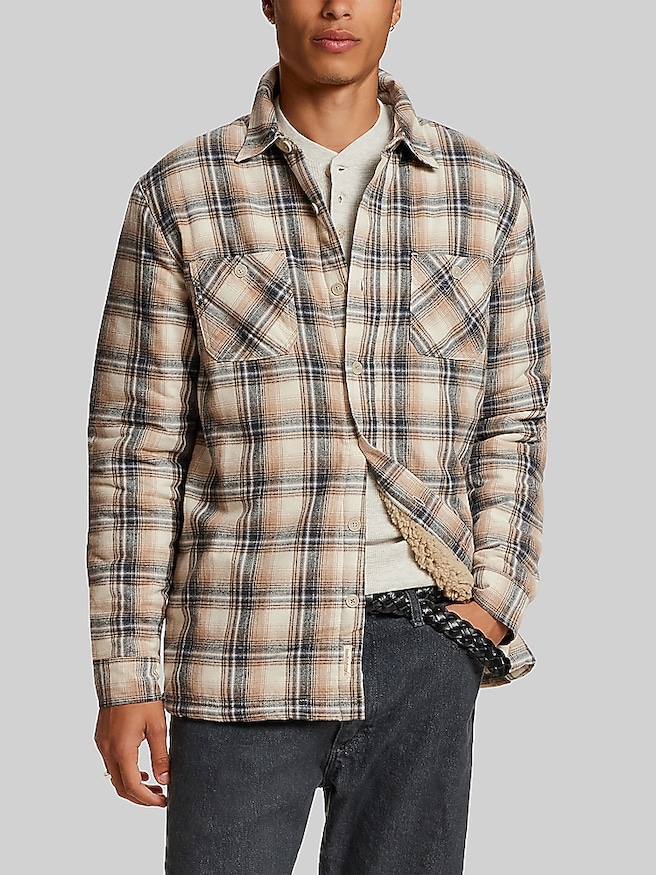
Winter outerwear jackets combine insulation, protective fabrics, and practical coverage to make cold-weather dressing more comfortable. Their purpose goes beyond adding a warm layer: a well-suited jacket helps manage wind, light precipitation, and the transition between chilly sidewalks and heated indoor spaces. The right balance depends on how much time is spent outdoors and what goes underneath. A short walk from a parking garage calls for something less substantial than a commute with an exposed train platform or a long stretch on foot. Quilted jackets, insulated parkas, and wool-blend styles bring distinct textures and silhouettes to that daily routine, from relaxed layers worn with denim to cleaner shapes that complement tailored trousers. Shorter jackets allow easy movement while driving or sitting, while longer designs provide additional coverage through the hips and upper legs. For an office wardrobe, a smooth exterior and understated hardware can sit comfortably alongside a suit or sport coat without making the outfit feel overly casual. For weekends, a more relaxed shape leaves room for a substantial sweater, a flannel shirt, or a sweatshirt. Color also influences how often a jacket gets worn. Navy, charcoal, black, and earthy neutrals work with a broad range of shirts, pants, and footwear, while a textured surface or contrasting lining can add character without dominating an outfit. A jacket that feels appropriate at the office, outside a restaurant, and along a neighborhood sidewalk often becomes a dependable part of the cooler-month rotation. Within the broader range of Men's Winter Outerwear, jackets offer a useful balance of mobility, warmth, and everyday versatility. Their appeal is especially clear during those ordinary moments that test an outfit: carrying a bag through a gusty intersection, waiting outside for a ride, or stepping out after sunset when the temperature has dropped. Comfortable coverage makes those transitions easier without requiring the same level of insulation for every setting.
Materials shape both the warmth of a winter jacket and the way it handles daily wear. Down insulation traps warm air in clusters that compress easily, making it useful when warmth with less weight and bulk is a priority. Its performance depends on the amount and quality of the fill, the jacket’s construction, and protection from moisture; a higher fill-power number alone does not establish how warm the entire garment will be. Synthetic insulation generally retains more insulating ability when damp and can be a practical choice for variable conditions, though weight, loft, and drying time vary by construction. Wool and wool-blend fabrics offer warmth with a structured appearance that works particularly well over polished clothing. They are not automatically waterproof, and their suitability for wet weather depends on the fabric and any additional protective construction. Nylon and polyester shells are common in insulated outerwear because they can combine relatively low weight with resistance to everyday abrasion. A tightly woven shell can help limit wind penetration, while reinforced areas and well-finished seams support durability where bags, seat belts, and regular movement create friction. Water-resistant and waterproof are not interchangeable descriptions. A water-resistant finish can help shed brief, light precipitation, but sustained rain or wet snow calls for waterproof construction designed to resist water penetration, with attention to seams and closures. Insulation and weather protection are separate features, so a warm jacket is not necessarily suited to prolonged exposure to heavy precipitation. Breathability matters as well, particularly for brisk walks or routes that include stairs and crowded transit. Excess warmth can become uncomfortable when the pace picks up, making an easy-to-adjust front closure useful for releasing heat. Fleece-lined pockets, a protective collar, and a well-shaped hood can improve comfort without adding substantial bulk across the body. A hood with adjustments helps maintain coverage in wind, while cuffs and hems that sit close without squeezing help reduce drafts. Together, these details determine how a jacket feels in motion, not just how substantial it looks on a hanger.
Fit is where fabric, insulation, and intended use come together. A winter jacket should allow space for the layers worn most often without leaving so much excess room that it feels cumbersome. Over a suit jacket, the shoulders and sleeves need enough ease to preserve the shape of the tailoring underneath. Over knitwear, the chest and upper arms should accommodate the fabric without pulling when reaching forward. Everyday movements reveal more than a still reflection: sitting behind a steering wheel, lifting a work bag, or bending to tie a shoe can expose a tight back, a restrictive sleeve, or a hem that rides up. Sleeves should provide wrist coverage with arms extended, and the collar should close comfortably over a shirt or a modest scarf. Pockets also deserve attention for their placement and accessibility, especially when cold hands, gloves, keys, and a phone are part of the daily routine. Someone who spends substantial time outdoors may value deeper coverage and secure closures, while a frequent driver may appreciate a lighter build and a less restrictive length. These habits make useful reference points when choosing outerwear as a gift for a spouse, partner, sibling, or friend; familiar colors and a silhouette similar to an often-worn jacket can make the choice more personal. Long-term comfort also depends on care. The sewn-in care label takes priority because wool, down, synthetic fill, and coated shells can require distinct cleaning methods. Some garments need professional cleaning, while others permit careful machine washing and specific drying settings. Thorough drying is especially important for insulated pieces before storage. Excessive heat, unsuitable detergents, and fabric softeners can affect certain materials or finishes, so routine laundering should match the garment’s instructions. Between cleanings, airing a jacket after wear, addressing marks promptly as directed, and checking seams and closures can help preserve its appearance and function. Stored clean and dry with enough space to avoid prolonged compression, winter outerwear can remain a reliable layer through repeated commutes, weekend outings, and cold-weather gatherings.