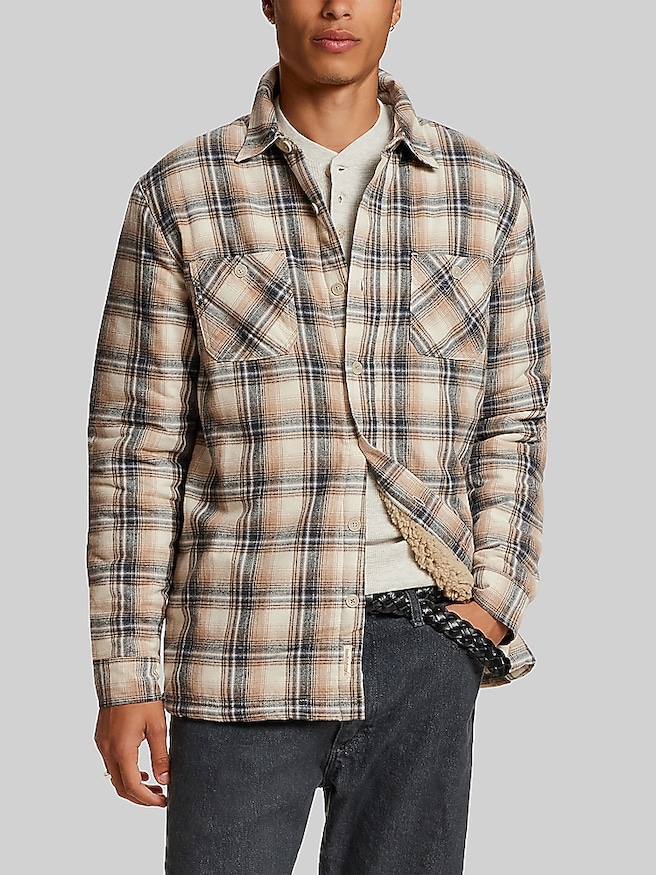
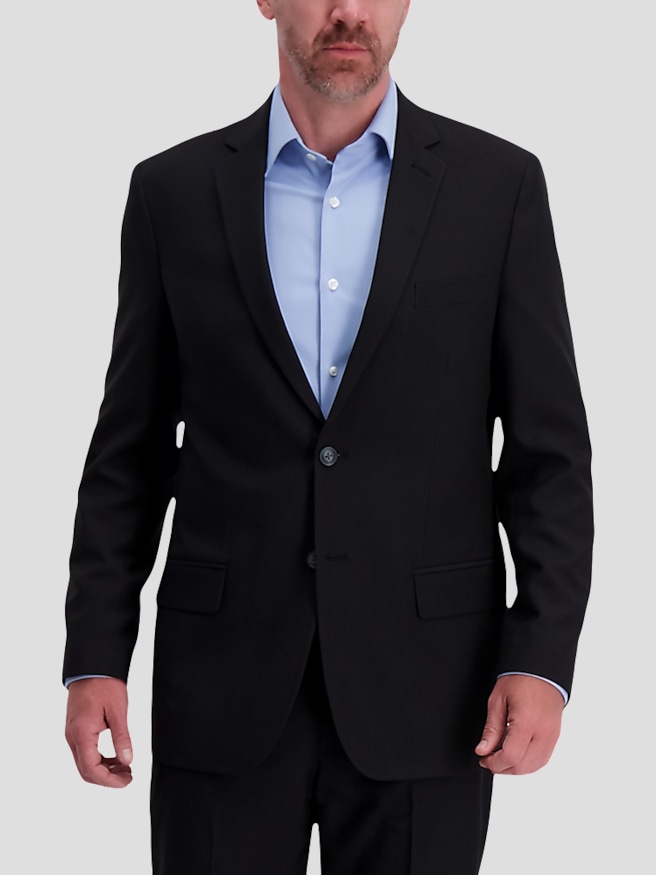
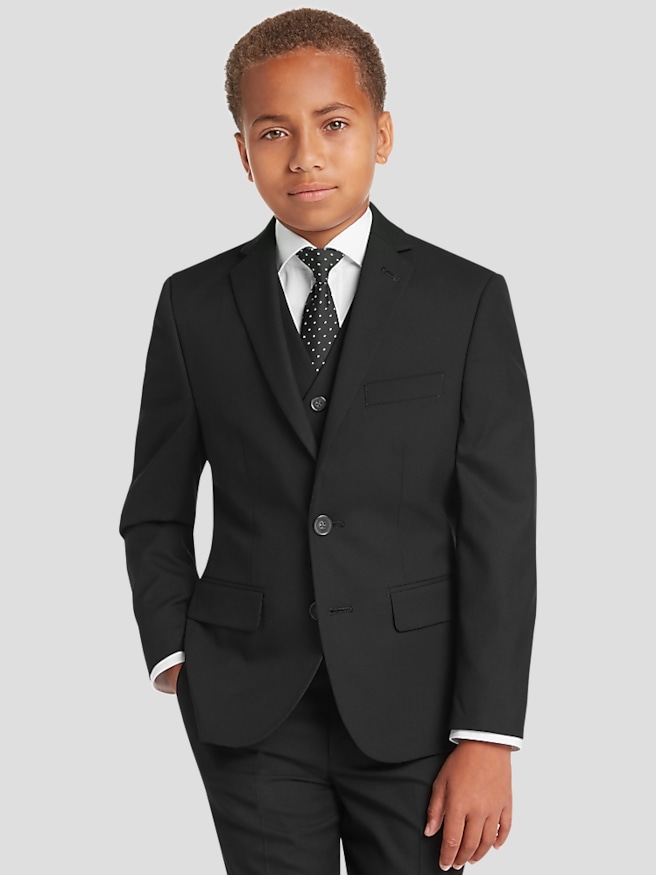
Winter formal jackets bring tailored structure and rich fabric texture to occasions that call for more than everyday dressing, from black-tie receptions and winter weddings to formal dances and evening celebrations. The category includes tuxedo jackets and dinner jackets, along with tailored blazers suited to events with less exacting dress codes. Their roles are distinct: a tuxedo jacket with silk or satin lapel facings belongs to traditional formal eveningwear, while a wool blazer usually fits a cocktail or semiformal setting. That distinction matters more than fabric weight alone. A substantial jacket can feel appropriate for winter without meeting a black-tie dress code, and a finely woven wool tuxedo can provide the right level of formality without feeling heavy indoors. Wool is a useful foundation because it offers natural resilience, breathability, and an elegant drape. Worsted wool has a relatively smooth surface that works well with crisp shirts and sharply pressed trousers; wool flannel has a softer, lightly brushed finish that lends itself to less strictly formal tailoring. Velvet brings depth rather than a flat sheen, catching light along the shoulders and lapels and making dark colors feel especially expressive in an evening setting. Cashmere blends can add softness, though warmth and durability depend on the full fabric composition, weave, and construction rather than a single fiber name. Linings also affect comfort and how easily a jacket slides over a shirt, while a softly structured chest or more defined shoulder changes its overall character. Black and midnight blue have an established place in formal eveningwear; deep burgundy, forest green, and other saturated shades can give a dinner jacket a more distinctive presence when the invitation allows it. Under a reception room’s lighting, texture often makes as much of an impression as color. A restrained combination of fabric, lapel shape, and proportion keeps that impression polished without competing with the occasion itself.
Fit gives winter formal jackets their clean silhouette and determines how comfortable they remain through a seated dinner, a receiving line, or several hours on the dance floor. A well-fitting shoulder follows the body without extending conspicuously beyond it, and the collar rests against the shirt collar rather than pulling away or bunching at the back of the neck. Across the chest, the jacket should lie smoothly when fastened, without pronounced diagonal pulling around the button. The waist can suggest shape without gripping the torso, and the sleeves should allow natural movement rather than making every handshake feel restricted. Slim, tailored, and classic fits describe broad approaches to proportion, not universal measurements; two jackets with the same size label can sit differently through the upper arm, chest, and seat. Jacket length matters, too, because a balanced hem helps connect the upper body to the trouser line instead of making the outfit look abbreviated. A small amount of shirt cuff showing below the sleeve provides a crisp finishing detail. For someone attending a winter wedding, that fit needs to work both standing for photographs and sitting through dinner. For a student dressing for a formal dance, ease through the shoulders can be just as important as a sharp appearance at arrival. Layering deserves similar attention. A fine-gauge knit can sit comfortably beneath some blazers for a less formal gathering, but traditional black-tie dressing generally calls for an appropriate dress shirt rather than a sweater. A tailored evening jacket is also not a substitute for outdoor protection: travel between a car, ceremony, and reception may call for an overcoat cut generously enough to avoid crushing the jacket underneath. For invitations that call for polished tailoring without tuxedo formality, Semi Formal Jackets offer a related category for considering blazers and other less ceremonial styles. The most convincing outfit reflects the actual dress code, with enough room and balance to look composed after the first photograph has been taken.
Finishing details help a winter formal jacket feel intentional rather than simply dressy. Peak lapels create a pronounced upward line, while a shawl collar gives a dinner jacket a continuous, rounded edge; notch lapels are especially familiar on suits and blazers. Single-breasted construction offers a relatively simple front, while double-breasted tailoring brings greater overlap and a more architectural silhouette. For traditional black tie, coordinating tuxedo trousers and appropriate formal accessories support the jacket’s role. A velvet dinner jacket can create a deliberate contrast with formal trousers, whereas an ordinary blazer paired with dark pants does not automatically become black-tie attire. A white shirt supplies a clear backdrop for richly textured cloth, and a neatly folded pocket square can add definition without introducing another competing pattern. These jackets may serve someone who attends annual galas, performs at formal concerts, celebrates milestone occasions, or simply needs suitable tailoring for an important invitation. As a gift, a formal jacket is most practical when the recipient’s measurements, preferred fit, and likely occasions are known; shoulder structure and body length leave less room for guesswork than many accessories. Long-term usefulness depends on care as much as styling. The garment’s care label should govern cleaning and pressing, especially when velvet, contrasting lapel facings, or blended fibers are involved. Excessive cleaning can be hard on fabric and internal construction, so airing a jacket after wear and addressing marks promptly through an appropriate cleaning method can help preserve its appearance. A broad, shaped hanger supports the shoulders, and breathable storage protects the cloth without trapping moisture. Velvet needs particular care because pressure and unsuitable pressing can flatten its pile, leaving shiny or crushed areas. For wool, gentle brushing with a suitable garment brush can remove surface dust between cleanings. Giving the fabric space in a closet helps prevent creasing, while avoiding overloaded pockets protects the line of the front panels. Secure buttons, sound seams, and a lining that moves without pulling are useful signs of construction quality. With thoughtful care and a fit suited to the wearer, a winter formal jacket can remain a dependable part of occasion dressing across many celebrations.