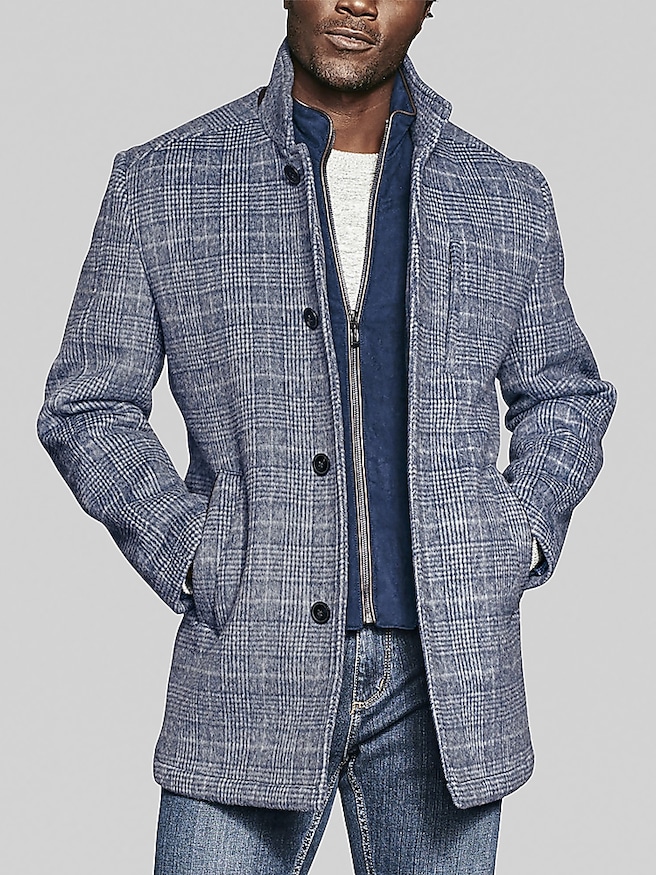
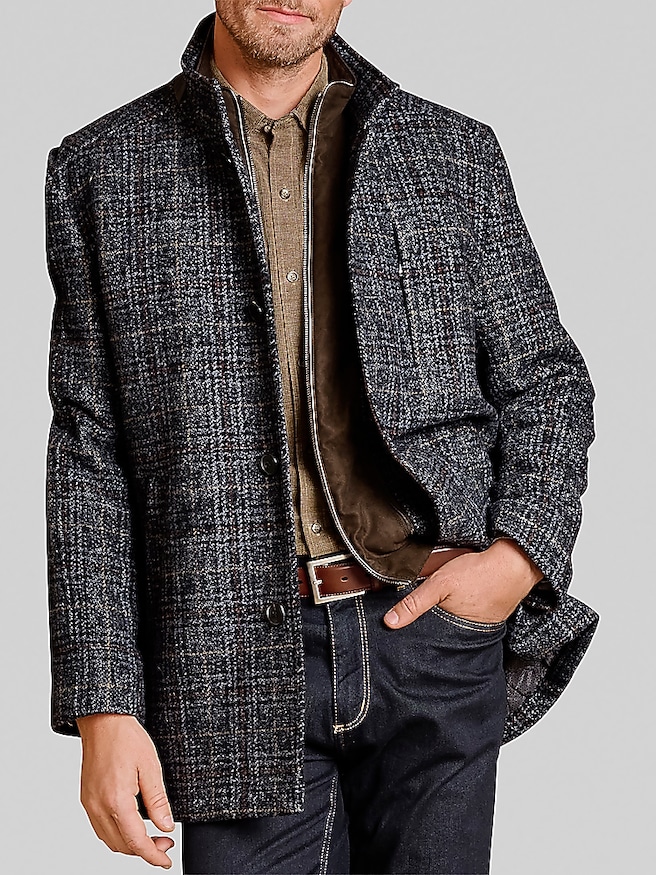
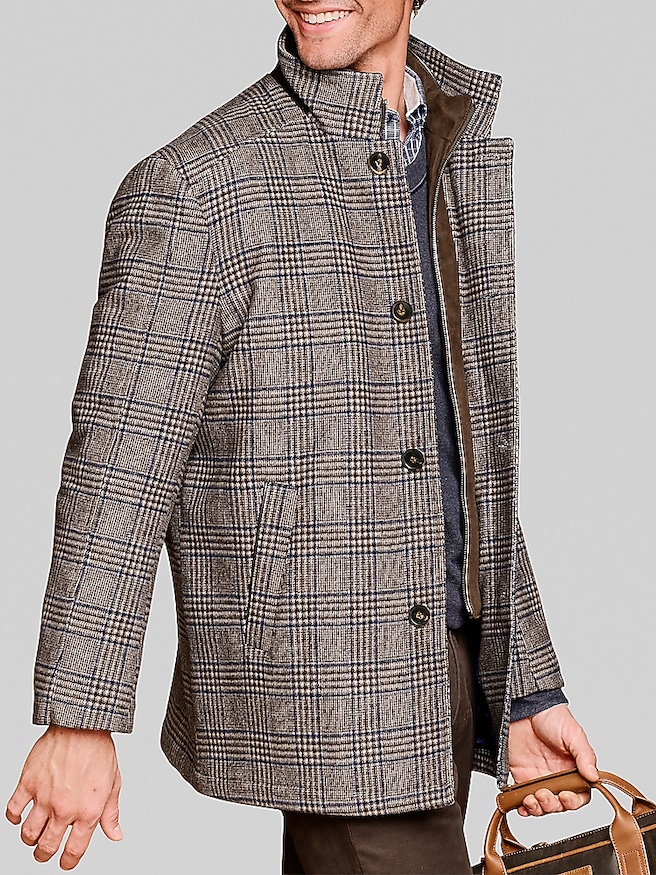
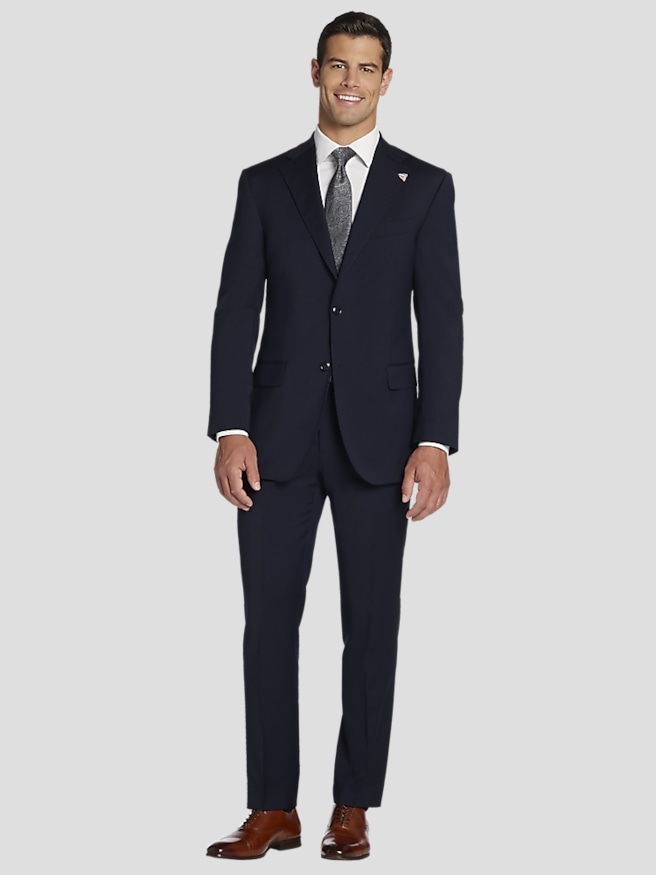
Winter coats and jackets for holiday occasions bring together warmth, comfortable layering, and a finished appearance, from classic wool overcoats to insulated jackets and textured shearling styles. The right outer layer feels appropriate both on the way to a celebration and in the quieter moments around it: walking from a train platform with a weekend bag, greeting family on the front steps, or heading home after a late dinner. Longer coats provide more coverage over tailoring, while shorter jackets offer ease for driving, casual gatherings, and days with several stops. Wool and wool-blend outerwear has a structured appearance that works naturally with dress trousers, knitwear, and suits. Quilted and insulated designs lean more casual, pairing comfortably with denim, corduroy, and sturdy boots. Shearling and shearling-lined styles add distinctive texture, although their weight, construction, and care requirements vary. Holiday character does not have to mean bold decoration. A deep burgundy scarf against charcoal wool, a subtle plaid over a solid sweater, or the contrast of a textured collar and smooth leather gloves can give an outfit a celebratory feel without making the coat useful for only one occasion. Black, navy, gray, and camel are versatile foundations, while richer colors and pronounced textures can make outerwear the focal point of an otherwise simple outfit. For Christmas dinners, Hanukkah gatherings, and New Year’s Eve plans, the setting matters as much as the invitation. An outdoor arrival, a long walk between destinations, or time spent standing on a porch calls for different coverage than a brief trip from the car to the door. A coat that looks polished over a suit should also allow natural movement through the shoulders and enough room for the layers underneath. That balance helps holiday outerwear remain useful beyond the celebration, carrying the same sense of ease into commuting, dinners out, and winter weekends.
Materials and construction shape how a winter coat feels in daily use. Wool provides insulation and a refined surface, but warmth depends on fabric weight, density, lining, and overall design rather than fiber content alone. Wool blends can combine a traditional appearance with added resilience, while a softer hand may come from brushed finishes or fibers such as cashmere. Down insulation offers warmth with relatively little weight and can compress well for travel, though untreated down loses insulating performance when wet. Synthetic insulation generally retains more warmth when damp, making it practical for changeable conditions, but the outer fabric and construction still matter. A water-resistant shell can help shed light precipitation; it is not the same as a waterproof garment designed with protective construction and sealed seams. Wind resistance, collar height, cuff design, and closures also influence comfort when walking through exposed streets or waiting outside a venue. Fit becomes especially important when holiday outfits involve several layers. A coat worn over a suit jacket needs space through the upper back, chest, and sleeves without looking excessively loose when fastened. The shoulder line should sit cleanly, and the front should close without pulling across the body. Sitting, reaching forward, and bending the elbows reveal restrictions that may not be obvious while standing still. An overcoat generally looks more balanced when its hem covers the suit jacket beneath it; shorter outerwear works well with sweaters and casual shirts that stay neatly within its proportions. Thick knits take up more room than fine-gauge sweaters, so the same coat can feel quite different over each. Sleeve length deserves attention, too: cuffs should provide useful coverage without swallowing the hands. For someone moving between heated interiors and cold sidewalks, a manageable weight and an easy-to-open front can be as valuable as substantial insulation. These details give winter coats and jackets their everyday practicality, whether the destination is an office celebration or a relaxed meal with friends.
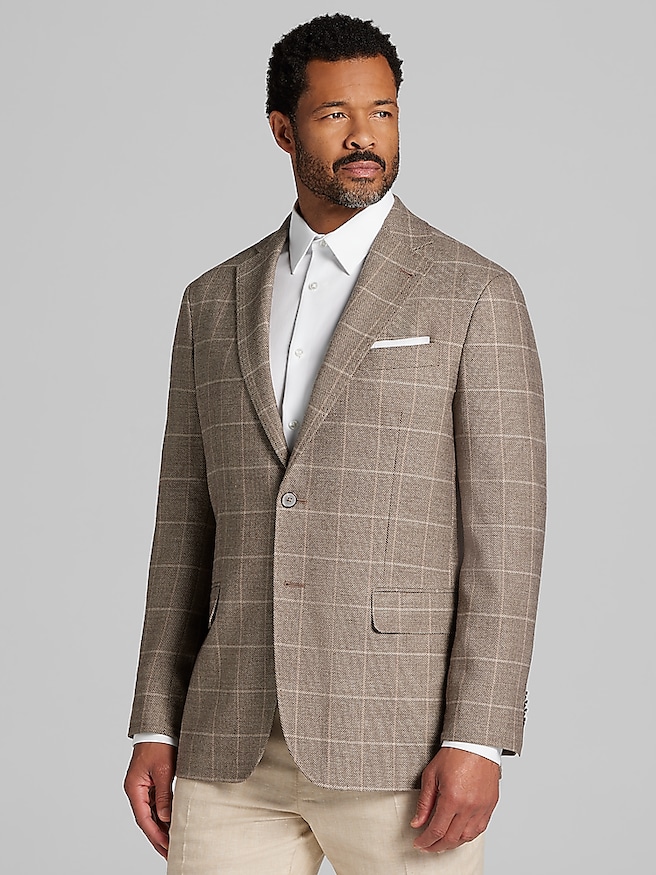
As a holiday gift, outerwear can be both personal and useful when it reflects how the recipient actually dresses. A frequent commuter may appreciate secure pockets and a collar that closes comfortably, while someone who regularly wears tailoring may get more use from a clean-lined overcoat. A person who spends weekends traveling or attending casual gatherings may prefer a lighter insulated jacket that is easy to carry indoors. Familiar details offer useful clues: the colors already worn most often, a preference for buttons or zippers, and whether a favorite coat usually goes over a blazer or a sweatshirt. Reliable sizing information matters more than guessing, especially when substantial layers are part of the recipient’s routine. For dressier celebrations, winter formal jackets complement tailored clothing with proportions and textures suited to an elevated setting. Whatever the style, durability depends partly on sound construction and partly on everyday care. Neatly finished seams, securely attached buttons, smooth closures, and a lining that allows comfortable movement are useful qualities to consider. Pockets should hold essentials without being stretched by bulky objects; overfilling them can distort the silhouette and strain their attachment points. Care instructions should guide cleaning, since wool, technical shells, down, leather, and shearling require different treatment. A soft garment brush can lift surface dust from suitable wool fabrics, while a sturdy, shaped hanger helps a substantial coat maintain its shoulders. Damp outerwear benefits from air-drying away from direct heat before being put away. Insulated garments may need specific washing and drying methods to preserve loft, and leather or shearling often calls for specialized care. After a crowded holiday gathering, giving a coat room to air out helps keep it fresh between appropriate cleanings. Thoughtful care protects the fabric, shape, and finish, allowing a well-chosen winter layer to serve through repeated celebrations, regular workdays, and the ordinary trips that fill the space between special occasions.