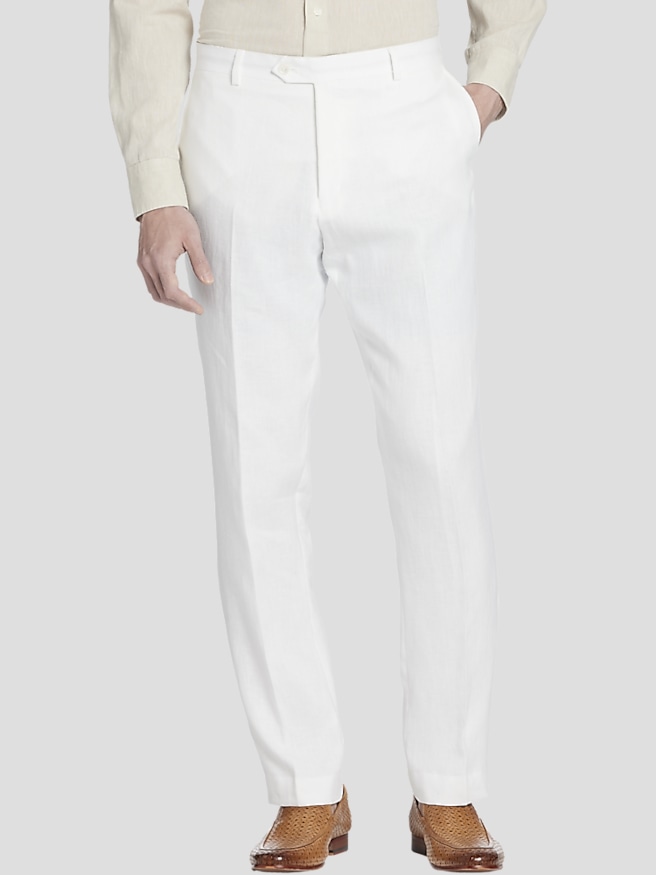
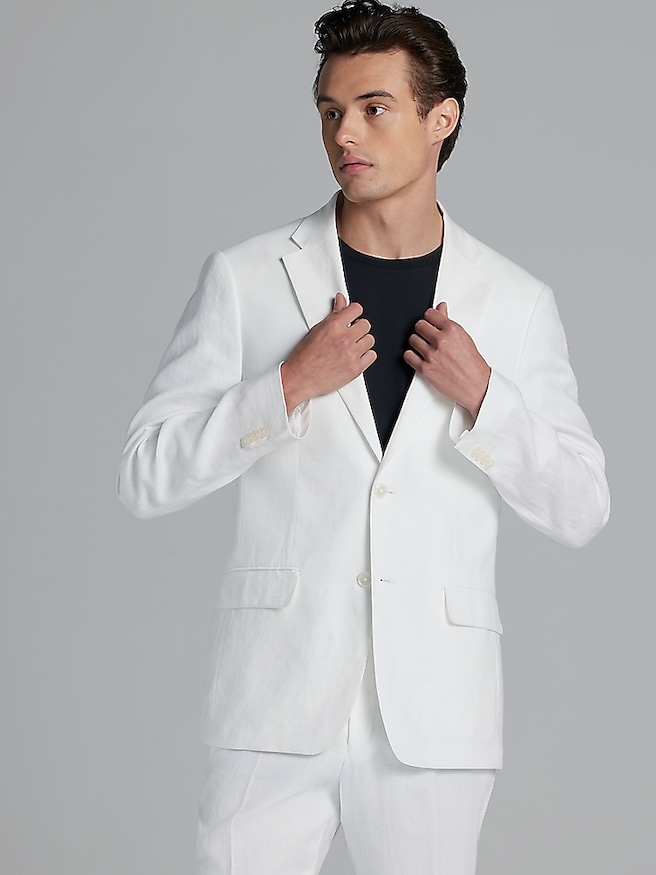
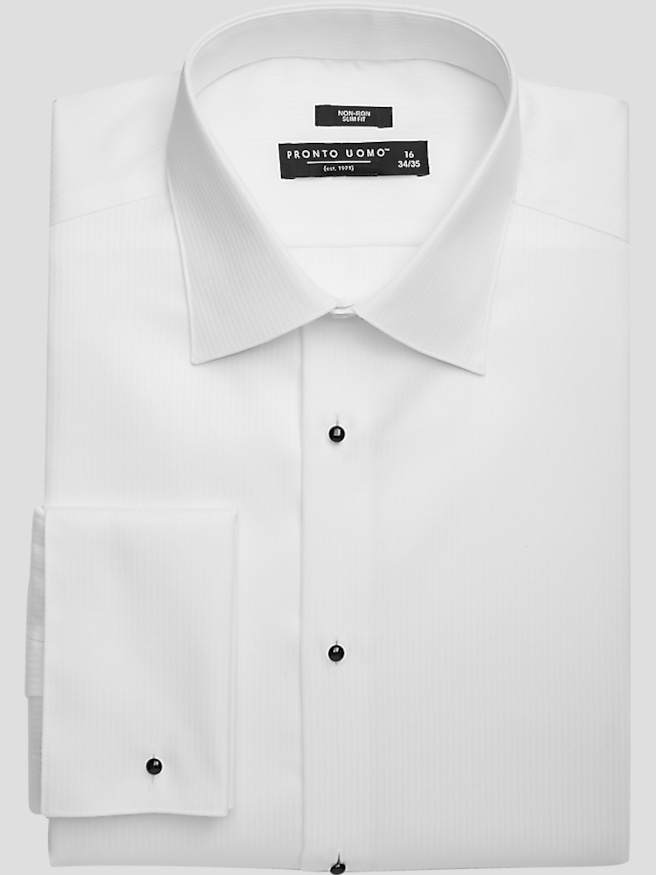
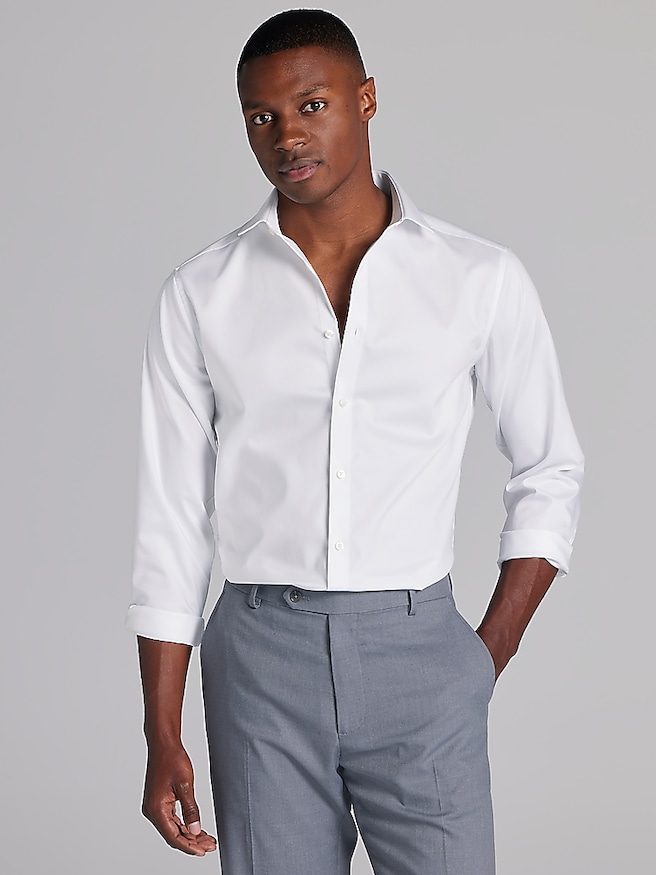
A white wedding top is a separate upper-body garment worn as part of a wedding outfit, with styles ranging from crisp dress shirts and smooth satin tops to lace layers and embellished overlays. The right choice depends on the celebration’s dress code, the wearer’s role, and how the top works with the rest of the outfit. For a groom, wedding party member, or guest, a white shirt can provide a clean foundation beneath a suit or tuxedo, framing the face without competing with a boutonniere, tie, or pocket square. Wedding separates can also create a softer look through a draped neckline, subtle texture, or a sheer layer over an opaque base. Each approach gives white a distinct character: matte cotton looks restrained and tailored, satin catches the light, and lace adds dimension through its pattern. Bright white often creates a pronounced contrast against dark tailoring, while ivory and other warmer shades produce a gentler effect. Those distinctions become especially noticeable when several white fabrics sit beside one another, so the relationship between a top, jacket, and trousers matters as much as the shade of any individual piece. A top that looks white on its own may read creamier next to a brilliant white lapel. For an outfit built around light-colored tailoring, a White Wedding Suit For Groom offers a related direction, with the shirt or other base layer helping establish either tonal continuity or a deliberate contrast. Beyond the ceremony, white wedding tops can suit rehearsal dinners, welcome gatherings, receptions, and post-wedding brunches. A structured collar feels at home during vows and formal portraits, while a softly draped or open-neck style may better match a relaxed meal afterward. A simple surface leaves room for expressive accessories; a richly textured top often needs very little added to it. The most convincing outfits give the top a clear purpose rather than asking every element to attract attention at once.
Fabric and construction shape how a white wedding top feels throughout a long celebration, not just how it looks on a hanger. Cotton poplin has a smooth, relatively flat surface that works well beneath tailored layers, while cotton twill has a diagonal weave and can offer a fuller hand. Neither weave alone guarantees opacity; fabric weight, yarn density, and the closeness of the fit all influence how much shows through. A fine white fabric may reveal an undershirt or seam allowance under bright light, making the base layer part of the finished appearance. A smooth undershirt close to the wearer’s skin tone can be less noticeable than a bright white one, particularly beneath lightweight material. Satin describes a weave rather than a single fiber, so its softness, breathability, and care requirements depend partly on whether it is made from silk, polyester, or another fiber. Its reflective surface can bring polish to an evening reception, although creases and pulling may catch the light as readily as the fabric itself. Lace and beaded overlays introduce texture without necessarily providing coverage, making a comfortable, well-fitted foundation important. Linen brings an airy feel and a naturally relaxed texture, with visible wrinkles that suit less formal settings better than highly polished evening attire. Blended fabrics may offer useful stretch or wrinkle resistance, but the fiber label and construction provide better clues than appearance alone. During the cooler months, a top often needs to work beneath a jacket for outdoor photographs and remain comfortable once the celebration moves into a heated room. Lightweight layers can make that transition easier than a bulky shirt under a close-fitting coat. Smooth interior seams, securely attached buttons, and neatly finished cuffs also deserve attention. These quieter details affect comfort at the neck and wrists, help the garment withstand repeated wear, and keep the overall look composed through dinner, dancing, and the last round of photographs.
Fit brings those material choices into focus. On a traditionally tailored shirt, shoulder seams should sit close to the shoulder’s natural edge, and the chest should lie smoothly without gaps between the buttons. Enough ease through the back and upper arms allows for reaching across a table, greeting relatives, or lifting both arms on the dance floor without pulling the entire shirt out of place. A collar worn with a tie needs to close comfortably rather than press tightly against the neck; an open collar should hold its shape without collapsing unevenly beneath a jacket. Sleeve length matters most when the arms are relaxed, with a modest amount of shirt cuff typically visible beyond the jacket sleeve. A tucked style also needs sufficient body length to stay secure while sitting and standing. By contrast, a top intended to sit at the waist requires a hem that meets the trousers cleanly and maintains the intended coverage during movement. For fitted satin, lace, or embellished styles, a little breathing room can help prevent strained seams, distorted patterns, and uncomfortable friction. A brief fitting with the actual trousers, base layer, and jacket reveals more than trying on the top alone. Care is equally important to preserving the clarity and finish of white fabric. The care label should determine whether washing, professional cleaning, steaming, or ironing is appropriate, especially when a garment includes delicate trim, decorative buttons, or mixed materials. Body oils around collars and cuffs can become more noticeable over time, so cleaning after wear is preferable to storing a top with marks that appear faint. Promptly blotting a spill rather than rubbing it can help limit its spread, though stain treatment should always suit the fabric. Excessive heat can damage some fibers and embellishments, and bleach is not suitable for every white garment. Once clean and fully dry, a top benefits from storage away from direct sunlight and protection against dust. For someone giving wedding attire as a gift, confirmed measurements, fabric preferences, and the planned outfit make the gesture more useful. With thoughtful fit and care, an understated white wedding top can continue into anniversary dinners, formal celebrations, and other occasions long after the wedding photographs are framed.