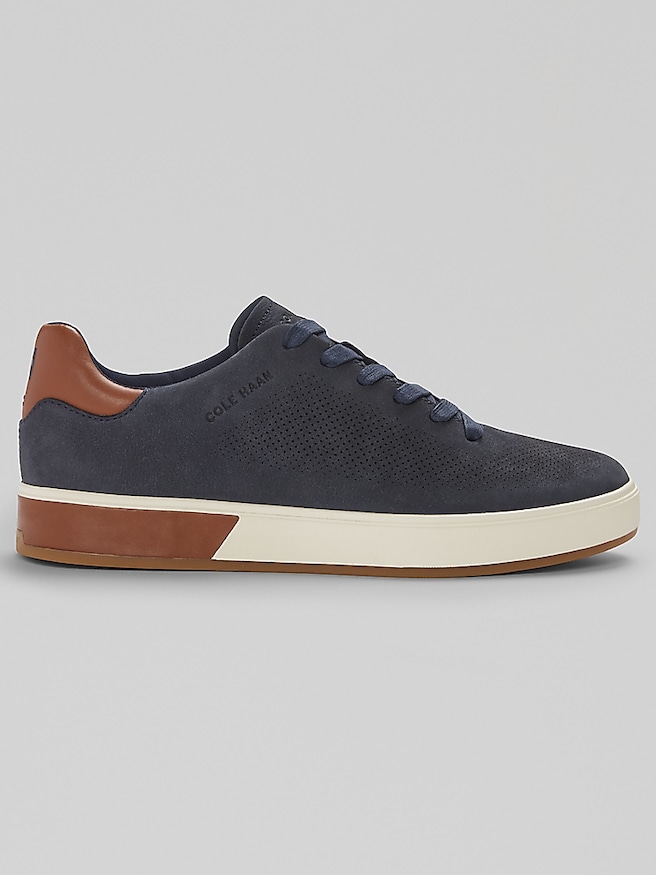
White spring sneakers bring a clean, relaxed finish to a wardrobe built around chinos, denim, lightweight trousers, and casual tailoring. Their appeal comes from the contrast: a bright white shoe can sharpen faded jeans, soften the formality of a blazer, or keep a simple shirt-and-pants combination looking intentional. For spring outfits, white works especially well beside pale blue, olive, tan, navy, and soft gray, giving lighter colors definition without competing with them. A streamlined low-top silhouette leaves the ankle area uncluttered and generally pairs well with tapered pants, while a more substantial sole adds visual weight beneath straight-leg denim or relaxed chinos. The shape matters as much as the color. A narrow, minimally detailed sneaker tends to look more polished; a rounded toe, textured upper, or thicker outsole creates a more casual impression. Smooth white uppers can complement an unstructured jacket and trousers for a creative office, a casual dinner, or a daytime celebration where sneakers fit the dress code. Canvas and other textile styles often feel more at home with shorts, jeans, and an untucked button-down. For a spring wedding with a clearly relaxed dress code, understated sneakers may work with casual tailoring, but traditional formal occasions still call for appropriate dress shoes. Everyday white sneakers are best understood as lifestyle footwear rather than a substitute for purpose-built running or training shoes. They suit errands, commuting, travel days, and social plans, provided the fit and cushioning match the amount of walking involved. A pair that looks right at a restaurant should also feel comfortable on the walk from the parking lot. Pants length makes a noticeable difference, too: a hem that rests lightly above the shoe shows its shape, while excess fabric can obscure the clean lines. Matching white laces maintain a quiet, cohesive look, and low-profile socks can keep attention on the footwear. These small details help white sneakers feel like a considered part of an outfit rather than an afterthought.
Materials influence how white spring sneakers look, feel, and hold up to regular use. Smooth leather offers a relatively structured appearance and can usually be wiped clean more easily than absorbent fabric, although finishes and care requirements vary. Leather may soften with wear, but a shoe should not need a painful break-in period to become usable. Canvas has a more relaxed character and can allow airflow, depending on its weave and lining; it can also absorb moisture and show stains more readily. Mesh and other textile uppers may reduce weight and encourage ventilation, while synthetic materials can provide a consistent surface and simpler maintenance. Neither a leather upper nor a synthetic one guarantees water resistance. Seams, lining, closures, and the overall construction all affect how a sneaker handles a damp sidewalk or an unexpected spring shower. Perforations can add visual texture and ventilation, but they also create openings for moisture. Inside the shoe, a smooth lining, a secure heel, and cushioning that feels supportive rather than unstable deserve as much attention as the upper. Fit should leave some room ahead of the longest toe without allowing the foot to slide forward with each step. The widest part of the foot should sit comfortably within the shoe, with no persistent pressure across the toes or sides. Trying sneakers with the socks intended for everyday wear gives a more useful sense of fit than trying them barefoot. Lace-up designs offer adjustment across the instep, while slip-on styles depend more heavily on the shape of the opening and the flexibility of any elastic panels. For longer walks, consider the combination of sole flexibility, underfoot cushioning, and heel security instead of judging comfort by softness alone. Outsole texture also matters: a smooth-looking profile may be appealing, but usable tread is important on slick pavement. Reinforced stitching, neatly joined sole edges, and abrasion-resistant contact areas are useful construction details to examine, although no single feature determines how long a sneaker will last.
Keeping white spring sneakers looking fresh is largely a matter of small, consistent habits rather than aggressive cleaning. Loose dust and dried dirt are easier to remove before they settle into seams, stitching, and textured surfaces. A soft brush can lift debris from fabric and outsole grooves, while a soft cloth is useful for wiping many smooth uppers. Cleaning methods should follow the material and the manufacturer's care directions. A product suitable for canvas may not be appropriate for finished leather, suede accents, or coated synthetic surfaces, and any cleaner is best tested on a discreet area first. For light marks on compatible materials, a lightly dampened cloth and a suitable mild cleaner may be enough; soaking the entire shoe can affect its shape, adhesives, and finish. White rubber sidewalls often collect scuffs separately from the upper, so treating each surface with the appropriate method helps avoid spreading grime. Laces can usually be removed for separate cleaning according to their care directions, which also makes the tongue and eyelet area easier to reach. After exposure to moisture, let sneakers air-dry away from direct heat, and use plain white paper inside when appropriate to help maintain their shape. A protective treatment may help with certain materials, but it does not make every sneaker waterproof or eliminate the need for cleaning. Rotating footwear between wears gives damp linings time to dry and can help reduce odor. Storage in a dry place away from prolonged direct sunlight helps protect the appearance of white uppers, while checking heel wear and outsole traction keeps attention on function as well as looks. The same clean color can carry into another seasonal wardrobe through Winter White Sneakers, with materials and sole grip remaining important considerations. As a gift, white sneakers can make sense for a graduate, a frequent traveler, or someone refreshing an everyday wardrobe, especially when the recipient's size, width, and preferred silhouette are known. A familiar fit and a versatile shape usually matter more than an eye-catching detail. Well-chosen white sneakers earn their place through repeat wear: comfortable enough for ordinary plans, easy to coordinate, and straightforward to maintain.