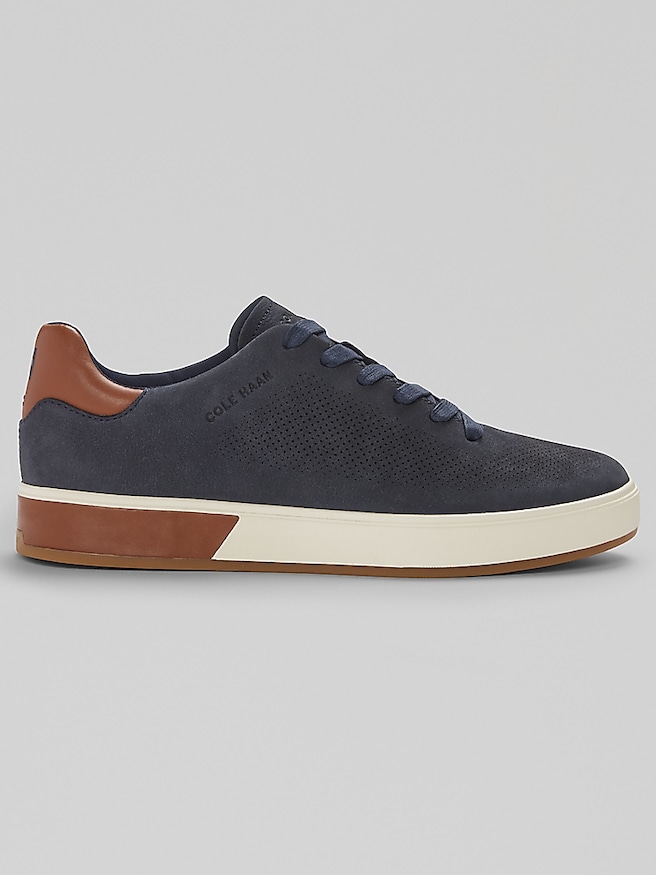
Winter white sneakers bring the clean appearance of white footwear to cold-weather dressing, with comfort and practicality shaped by the upper material, lining, and outsole. Leather or synthetic uppers, insulated interiors, and textured rubber soles can make a sneaker better suited to winter use, but a white color alone does not indicate warmth, water resistance, or reliable traction. That distinction matters when the day includes a damp sidewalk, a chilly commute, and several hours indoors. Smooth leather generally has a more substantial feel than lightweight mesh and is often easier to wipe clean after everyday wear. Coated synthetic materials can offer a similarly streamlined appearance, although breathability and flexibility vary with construction. Suede brings a softer, matte texture that works especially well with wool trousers and brushed fabrics, but moisture and road salt require extra attention. A fleece or shearling lining can add insulation, while an unlined design may feel more comfortable in heated offices and restaurants. Water-resistant materials help with limited moisture exposure; waterproof performance depends on the construction of the entire shoe, including seams and the tongue. An ordinary low-top sneaker is not a substitute for protective winter footwear in deep snow, heavy slush, or icy conditions. Visually, the appeal stretches from crisp, bright white to warmer shades of ivory and cream. Bright white creates a clear contrast against charcoal pants or dark denim, while softer whites sit naturally beside oatmeal knits, camel outerwear, and textured gray tailoring. A simple upper with restrained detailing keeps the effect polished without making the shoe feel overly formal. The result is a versatile foundation for winter outfits that need to move comfortably between relaxed and more put-together settings, from a weekend lunch to a casual office day. A slightly substantial sole can balance the visual weight of heavier fabrics, while a slimmer profile keeps tapered trousers from looking overwhelmed.
Fit makes a substantial difference in how winter white sneakers feel over a full day. The appropriate size leaves enough room for toes to spread without allowing the heel to lift excessively, and the upper should hold the midfoot securely without pressing across it. Winter socks add volume, so a fit that feels comfortable with thin socks may become restrictive with a thicker pair. Extra warmth should not come at the expense of circulation or natural movement. A padded collar can soften contact around the ankle, while a smooth interior helps reduce friction during longer periods of walking. Cushioning affects the initial feel underfoot, but stability and a well-fitting shape matter just as much for lasting comfort. A very soft sole does not necessarily provide the support needed for a commute or hours spent standing. Removable footbeds can be useful for someone who uses compatible orthotics, provided the shoe still has sufficient depth and a secure fit afterward. Outsole construction deserves similar attention. Clearly defined tread and channels give the sole more texture than a flat fashion outsole, but tread alone cannot guarantee grip on wet tile, packed snow, or ice. Rubber compounds respond to cold in varying ways, and no everyday sneaker should be treated as slip-proof. For days dominated by indoor activity, a flexible sole and breathable lining may be more useful than heavy insulation. For short outdoor walks, a sturdier upper and more protective sole can help the shoe feel less exposed to the elements. These considerations make the category relevant to commuters, travelers, and anyone whose schedule combines walking with casual social settings. As a gift, white sneakers are most practical when the recipient’s size, width, usual sock thickness, and preferred silhouette are already known. Someone who favors understated dressing may appreciate minimal detailing, while someone who spends much of the day on foot may place greater value on cushioning, fit, and dependable construction.
Keeping winter white sneakers looking sharp depends less on constant scrubbing than on care suited to the material. Loose grit can scuff an upper, so removing surface dirt with a soft brush or cloth helps prevent it from being worked into the finish. Smooth leather can often be wiped with a lightly damp cloth, followed by a compatible cleaner when needed; suede calls for tools and treatments specifically intended for its nap. The care label remains the best reference for any coated surface, mixed-material construction, or specialty lining. Road salt deserves prompt attention because pale residue can become conspicuous along seams and around the sole. Gentle cleaning is preferable to soaking, and harsh household cleaners can discolor finishes or weaken adhesives. After damp wear, room-temperature drying with plain paper inside can help absorb moisture and support the shape. Direct heat from a radiator, heater, or dryer can damage leather and bonded components. Allowing shoes to dry fully between wears also helps preserve the interior, while clean laces and tidy sole edges make a noticeable difference to the overall appearance. Durable construction supports repeated wear, but longevity also depends on how the shoes are used: daily exposure to slush places more demands on an upper than an indoor workday does. In an outfit, white sneakers provide a lighter counterpoint to substantial winter textures. Dark straight-leg denim, a fine-gauge sweater, and a wool coat create an easy balance; tailored trousers with a visible break above the shoe feel more deliberate than hems that drag across the ground. Tonal socks keep the transition quiet, while ribbed wool-blend socks add texture beneath cuffed pants. For a warmer contrast within the same light-footwear palette, Brown White Sneakers connect naturally with tan chinos, brown leather accessories, and earthy knitwear. Whether the surrounding outfit is relaxed or lightly tailored, a well-kept white sneaker adds definition without competing with the richer fabrics that give winter dressing its character.