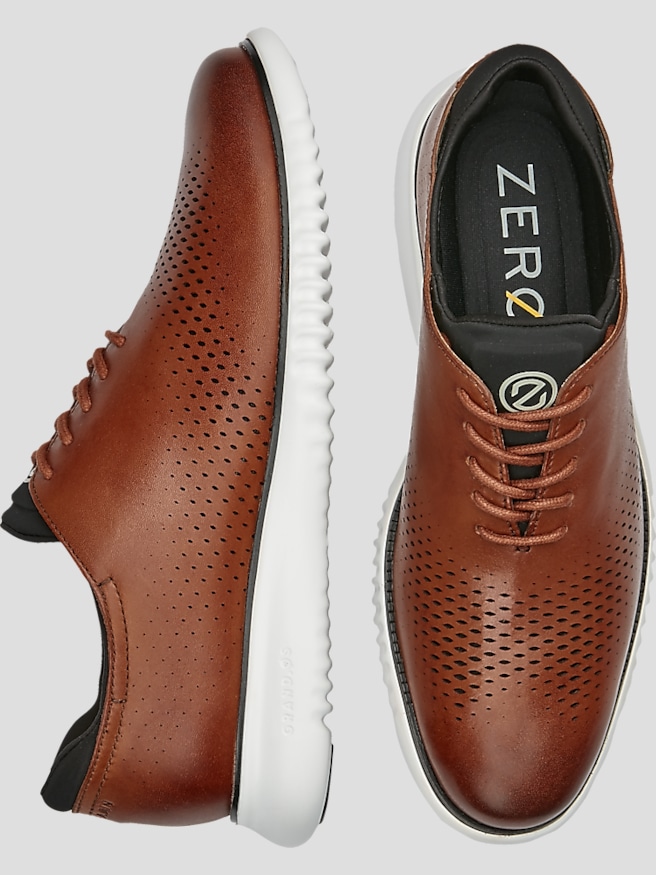
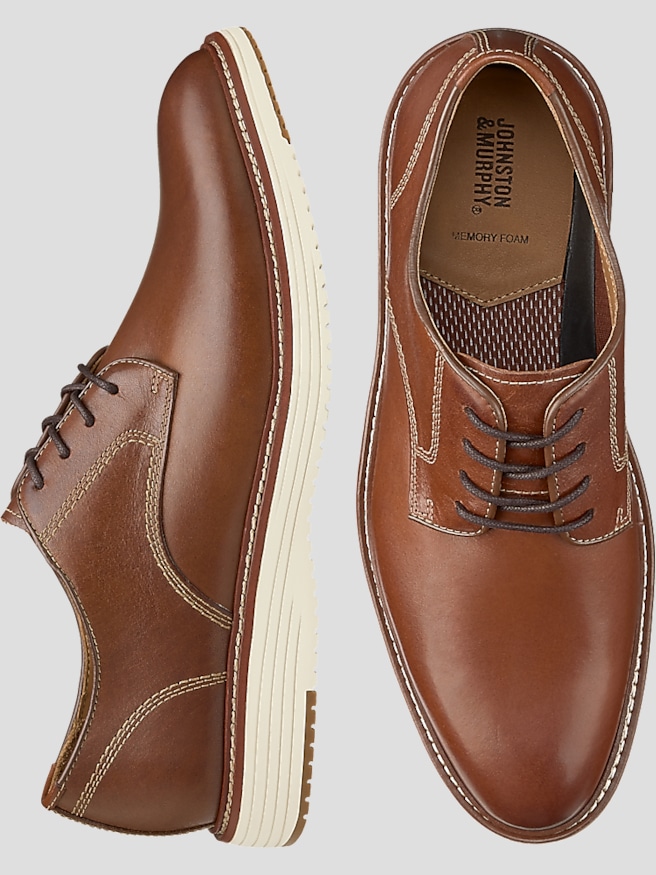
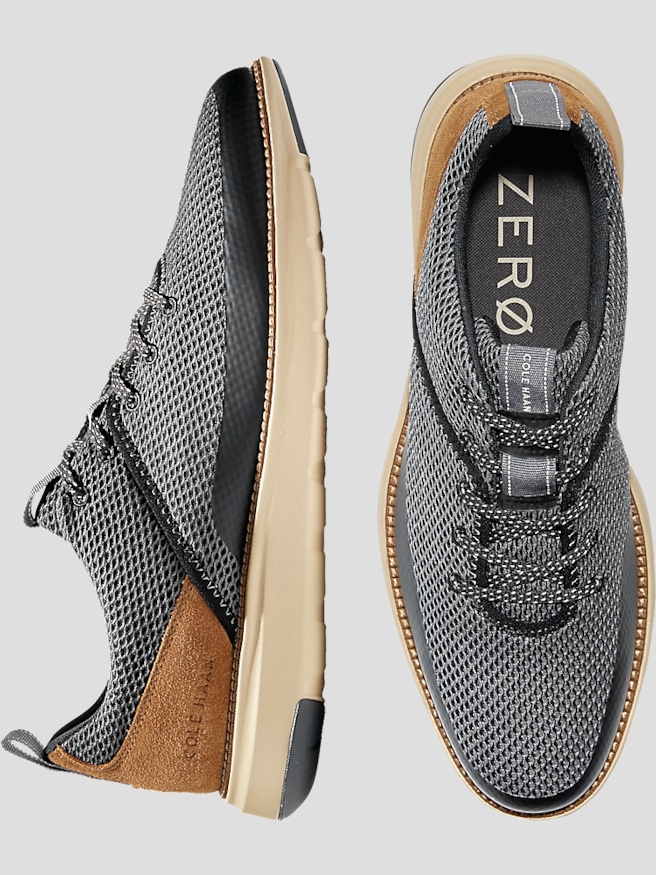
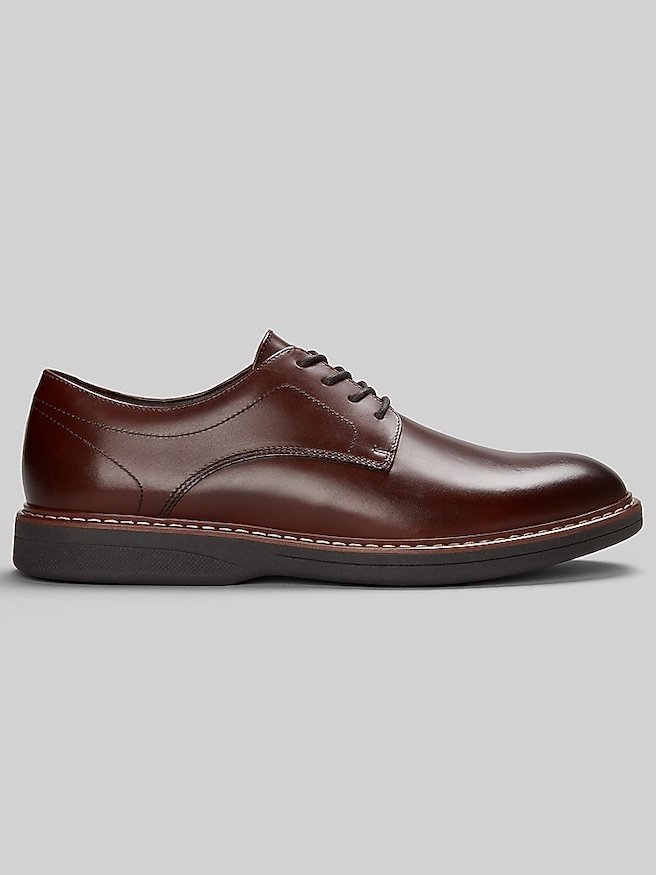
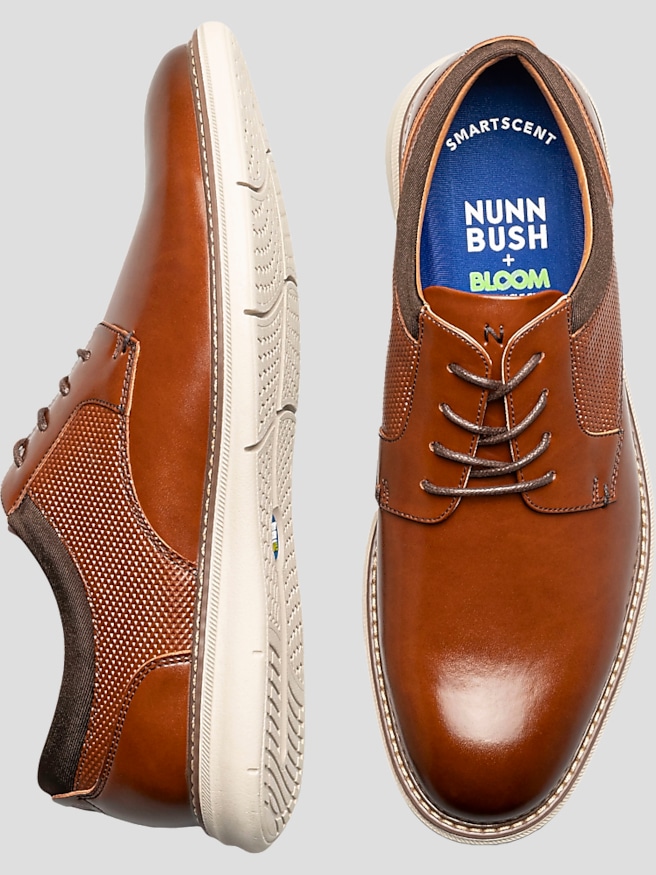
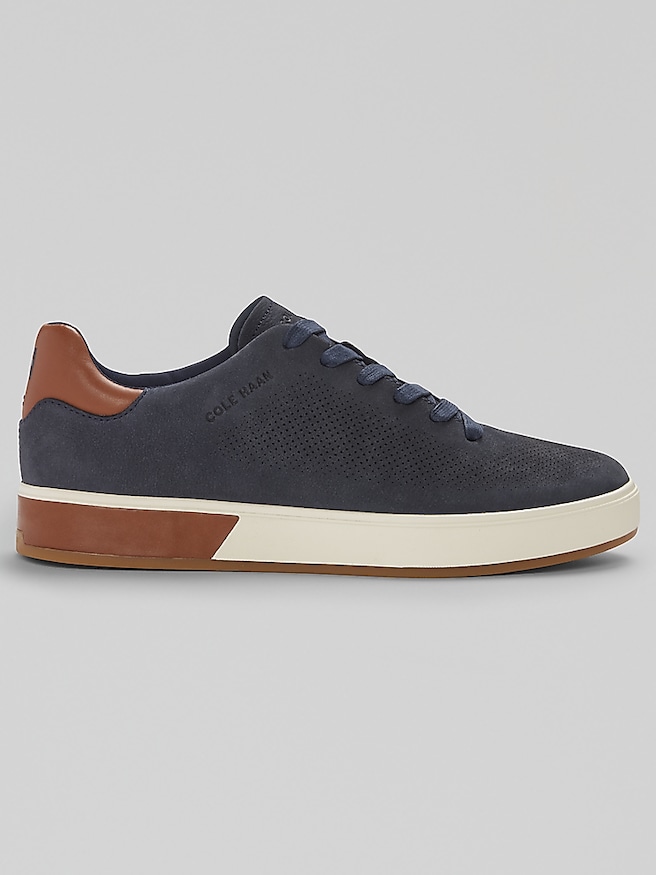
White sneakers with a suit create a polished, relaxed look when the shoes have a clean, low-profile shape and the tailoring feels easy rather than rigid. Minimal leather sneakers are a strong match because their smooth uppers, restrained stitching, and simple soles complement a suit without competing with it. The contrast is part of the appeal: crisp white footwear brings a more casual note to tailored trousers and a matching jacket, while the suit gives everyday sneakers a sharper setting. Navy, charcoal, medium gray, and tan all provide a useful backdrop for white shoes, with each color creating its own balance of contrast and softness. An unstructured or lightly structured jacket often feels especially natural with sneakers, though a more defined shoulder can work when the rest of the outfit stays understated. A fine-gauge knit polo, a plain crewneck T-shirt, or an open-collar dress shirt helps connect the formal and casual elements. Fabric and fit matter more than adding extra accessories; a smooth shirt neckline and trousers that hang cleanly can do more for the overall effect than a pocket square or statement belt. For a creative office with a relaxed dress code, the combination can feel professional without looking overly formal. At a dinner or a celebration that welcomes casual tailoring, it offers a similar balance of effort and ease. The best result still depends on the occasion, since sneakers are not a substitute for traditional dress shoes when black tie or another formal dress code is specified. Quiet details tend to be the most versatile: tonal laces, discreet branding, and a white or near-white sole keep attention on the full outfit instead of a single feature. A broader selection of Sneakers To Wear With Suit offers additional ways to consider shoe shape and texture alongside tailoring, whether the intended look is streamlined, relaxed, or somewhere between the two.
Materials and proportions give white sneakers their character, and both influence how comfortably they sit alongside a suit. Smooth leather has a refined surface that generally wipes clean more easily than woven fabric, although the finish determines which cleaning products are appropriate. Supple leather can soften with wear, but a shoe should not need a painful break-in period to become comfortable. Canvas brings a more casual texture and can suit less structured tailoring, while suede adds a soft, matte finish that needs its own care routine. Synthetic uppers vary in flexibility and breathability, so the material label alone does not tell the whole story. Inside the shoe, a smooth lining, cushioned footbed, and secure heel can make a meaningful difference during a commute, a presentation, or an evening spent standing and talking. Fit should leave enough room for toes to move without allowing the foot to slide forward, and the upper should hold the midfoot without pinching. Trying sneakers with the socks intended for the outfit gives a more useful sense of fit than trying them with a much thicker or thinner pair. Removable footbeds may be helpful for someone who uses compatible inserts, provided the shoe has enough interior space. Outside the shoe, a modest sole profile usually works well with trim trousers, while a somewhat fuller trouser leg can balance a more substantial sneaker. Very bulky athletic shapes tend to draw the eye downward and can interrupt the clean lines of tailored clothing. Trouser hems deserve equal attention: a slight break or a clean finish near the top of the shoe allows the silhouette to read clearly, without fabric gathering over the laces. There is no need for an exaggerated crop or exposed ankle. No-show socks create a discreet finish, while fine-knit socks close to the trouser color offer coverage with a continuous visual line. The strongest pairing looks intentional from jacket shoulder to shoe sole, with neither the tailoring nor the footwear appearing squeezed into the wrong proportions.
Care and construction help preserve the crisp appearance that makes white sneakers effective with a suit. Even a well-cut outfit can look less considered when the shoes have heavily marked sidewalls, frayed laces, or deeply ingrained dirt. Regular attention is usually easier than restoring a neglected pair: removing surface dust with a soft brush or cloth keeps debris from settling into seams, and treating small marks promptly can reduce the need for aggressive cleaning later. Leather, suede, canvas, and synthetic materials do not all respond to the same cleaner, so the maker’s care directions should determine the method. Testing a suitable product on an inconspicuous area first helps protect the finish. Machine washing is not appropriate unless the care instructions specifically allow it, and high heat can affect adhesives, shape, and surface treatments. Air-drying away from direct heat, loosening the laces after wear, and allowing the interior to dry fully between outings can help shoes stay comfortable and retain their shape. Laces also have an outsized effect on the overall appearance; keeping them clean and neatly tied supports the simple look that works best with tailoring. For durability, useful details include even stitching, securely joined uppers and soles, a heel lining that feels substantial, and an outsole suited to the surfaces where the shoes will be worn. A cushioned sneaker may feel comfortable at first step, but stability and a secure fit matter over a full day. For someone moving between a desk, a lunch meeting, and an informal evening event, those practical qualities are just as important as the bright white finish. White sneakers can also make a thoughtful gift for someone who enjoys relaxed tailoring, especially when their usual size, preferred width, and footwear habits are known. Their appeal extends beyond a single suit combination: the same understated shape can work with chinos, tailored separates, and dark denim. That flexibility gives a carefully chosen pair a useful place in a wardrobe, while a clean finish and balanced proportions keep the suit-and-sneaker combination looking deliberate rather than improvised.