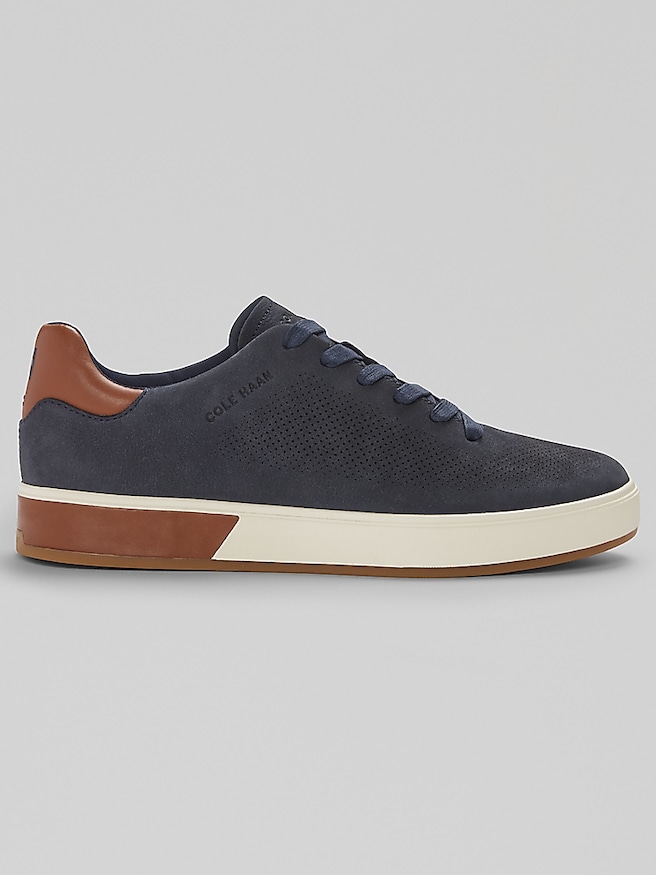
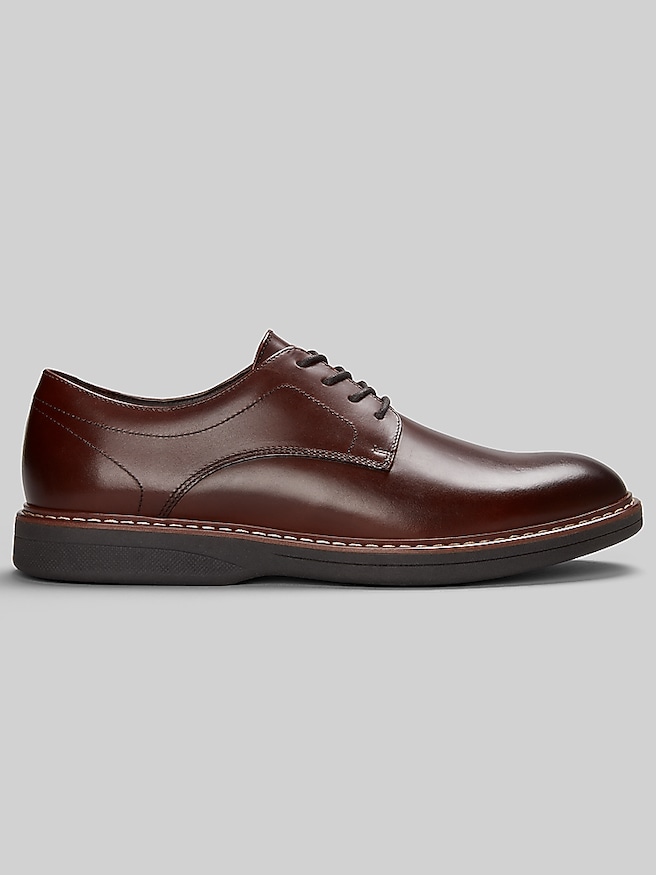
White mesh sneakers for men bring a clean, relaxed finish to everyday outfits without adding the visual weight of a heavier shoe. Their appeal starts with contrast: a bright white surface keeps the look crisp, while the small openings and layered texture of mesh give the upper a more casual character. With dark indigo jeans, that contrast draws a clear line between the hem and the shoe; with light gray chinos, it creates a softer, more continuous look. Navy trousers and an untucked Oxford shirt can feel less formal with a streamlined sneaker, while a simple T-shirt and straight-leg denim gain definition from a well-kept white pair. Shape matters as much as color. A low-profile silhouette tends to sit neatly beneath tapered pants, while a more substantial sole can balance a wider leg opening. Pants that finish near the top of the shoe allow its proportions to show without excess fabric gathering around the ankle. White is not always a single uniform shade, either: bright white, chalky white, and slightly creamy tones can create subtle distinctions beside denim, khaki, or charcoal. Texture adds another layer, with fine mesh appearing understated from a distance and larger openings giving the shoe a more visibly athletic feel. Within the broader category of White Casual Sneakers for Men, mesh designs emphasize an airy construction and easygoing texture. They suit settings where casual footwear feels appropriate, from a relaxed office to a museum visit or an afternoon meeting friends. A minimal upper generally blends more easily with tailored separates, while visible overlays and sculpted soles lean toward sport-inspired outfits. The result depends less on making sneakers look formal than on keeping the whole outfit balanced: a clean hem, comfortable proportions, and clothing that matches the relaxed nature of the shoe.
Mesh describes an open textile structure rather than one single material, so the feel and support of a sneaker depend on how that structure is made and what sits beneath it. Polyester and nylon are common fibers in mesh footwear, and the size of the openings, density of the weave, and presence of a lining all influence airflow and flexibility. An unlined section may feel especially light, while a lined or reinforced area can offer a more substantial feel against the foot. Overlays around the toe, lace openings, and heel can help hold the shape of the upper in places that experience repeated movement. A flexible forefoot may make everyday steps feel natural, but the shoe still needs enough structure to keep the foot from sliding around inside. Fit is best judged through the entire foot rather than length alone. The toes need room to spread without pressing into the front, the widest part of the foot should sit comfortably within the shoe, and the heel should feel secure without rubbing. Mesh can give slightly under pressure, but that flexibility should not be mistaken for extra width or a solution to a cramped fit. The socks worn with the sneakers also affect the experience: a thin no-show sock creates a low-profile look, while a crew sock adds a visible styling detail and changes the space needed inside the shoe. Underfoot, cushioning can range from softly compressible to relatively firm, and a thicker sole does not automatically mean better support. For someone moving between a commute, a desk, and errands on foot, a stable base and comfortable heel hold may matter more than an especially plush first impression. Removable insoles, when part of the design, can make airing out the shoes easier and may accommodate a suitable replacement insert. Casual mesh sneakers should also be distinguished from purpose-built athletic footwear; an athletic appearance alone does not establish suitability for running, court sports, or intensive training.
Keeping white mesh looking fresh takes a gentle approach because its textured surface can hold fine dust, and heavy scrubbing may roughen the fibers. Routine care often begins with a soft, dry brush to loosen surface debris, followed by light spot cleaning with a soft cloth or brush and a mild cleaning solution that is appropriate for the material. The care directions for the shoe take priority, especially when the upper combines mesh with leather, suede, synthetic overlays, or decorative finishes. Soaking can affect more than the visible fabric, including adhesives, internal padding, and the shape of the shoe, so machine washing is not a safe assumption. After cleaning, air-drying away from direct heat helps protect the construction; clean white paper placed loosely inside can help absorb moisture and preserve the shape without transferring ink. Laces may need separate attention, and the edges of the sole often benefit from a careful wipe before marks become more noticeable. Durability depends on construction as well as care. Reinforcement at high-friction areas, secure stitching, and an outsole suited to everyday surfaces can all contribute to how well a pair holds up. Mesh remains a textile, however, and repeated contact with rough edges can cause pulls or abrasion. Alternating footwear and allowing the interior to dry between wears can help manage moisture and reduce persistent odors. These practical details are especially relevant for someone who spends long stretches in casual shoes, whether traveling between appointments, exploring a city on foot, or spending an afternoon at a gallery. White mesh sneakers can also make a thoughtful gift for a father, brother, partner, or friend whose wardrobe centers on jeans, chinos, and simple shirts, provided the size, width, and preferred fit are known. Their strongest quality is versatility without fuss: a recognizable silhouette, an easy-to-coordinate color, and enough texture to give everyday clothing a considered finish. With a suitable fit and regular care, they can become a dependable part of a casual wardrobe rather than a pair reserved for a single outfit.