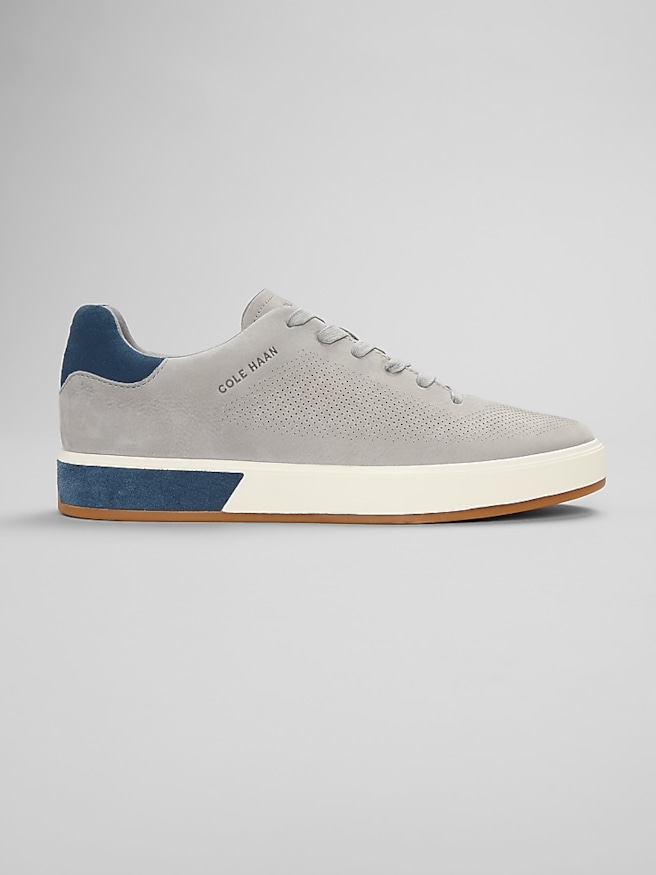
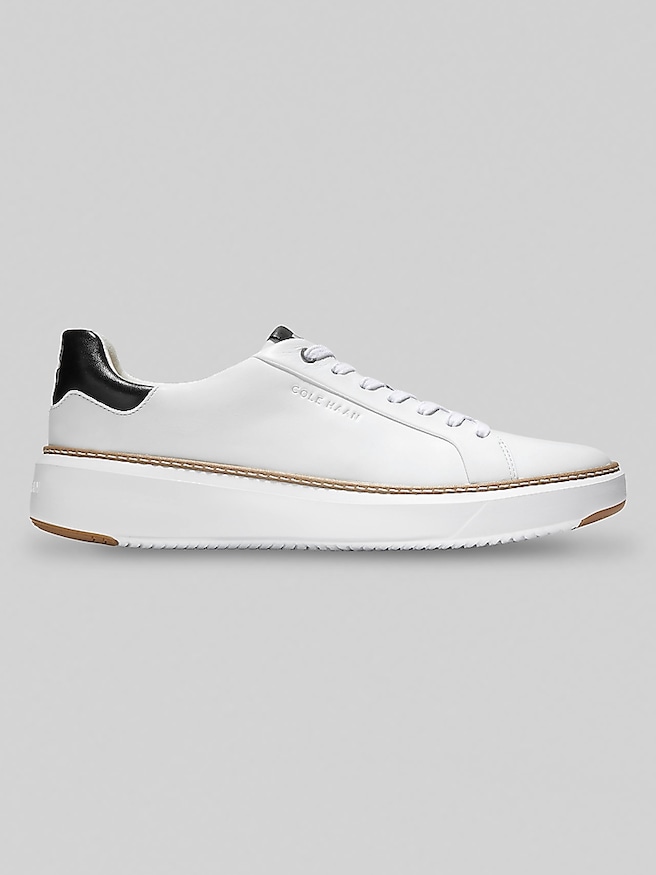
White casual sneakers for men bring a crisp, understated finish to everyday outfits, with a neutral color that works alongside denim, chinos, and relaxed tailoring. Their appeal comes from the balance between a familiar athletic shape and a cleaner appearance than many performance shoes. A low-profile pair can sit neatly beneath the hem of straight-leg jeans, while a slightly fuller silhouette complements relaxed pants without looking out of proportion. With dark denim and a knit polo, white sneakers create an outfit suited to dinner at a neighborhood restaurant or an afternoon spent visiting friends. With tan chinos and an Oxford shirt, they offer a more laid-back alternative to traditional lace-up shoes in workplaces where casual footwear is appropriate. The shape matters as much as the color: a rounded toe reads easygoing, a slimmer profile feels more refined, and a thicker sole adds visual weight. Details such as tonal stitching, subtle panels, and a white outsole keep the overall effect quiet, allowing the rest of an outfit to set the mood. A contrasting sole or textured upper can introduce definition without taking away from the versatility of white. Pant length also changes the impression. A hem that rests lightly above the shoe shows its outline, while excess fabric gathered over the laces can make an otherwise simple outfit look less polished. Socks can remain discreet or become a deliberate part of the look, depending on the setting and the cut of the pants. These sneakers make sense for men whose days move between a casual office, errands, a lunch stop, and an informal evening out. They can also work with an unstructured jacket when the occasion allows a relaxed approach to tailoring, though events with a formal dress code call for more traditional footwear. The result is not a substitute for every shoe in a closet, but a useful everyday option that connects comfortable dressing with a considered appearance.
Materials and construction influence how white casual sneakers feel, how they hold their shape, and how much attention they need between wears. Smooth leather often provides a structured appearance and a surface that can be wiped clean, although its finish and softness vary. Canvas has a more relaxed texture and typically bends readily with the foot, while knit uppers may offer flexibility and airflow depending on their weave and lining. Suede brings a softer, matte appearance, but its nap requires a gentler approach to cleaning than smooth leather. None of these materials guarantees comfort on its own. The lining, seams, tongue, and heel collar all affect how a sneaker feels during an ordinary day, especially when the wearer spends time standing or walking between destinations. A padded collar may soften contact around the ankle, while an overly bulky tongue can create pressure beneath the laces. Cushioning underfoot can make hard surfaces feel more forgiving, but a very soft footbed is not automatically the best match for every person. Fit remains the starting point: toes should have room to move without the foot sliding forward, the widest part of the foot should sit comfortably within the shoe, and the heel should feel secure rather than slipping with each step. Trying footwear with the socks intended for regular use gives a more realistic sense of space. Laces offer some adjustment across the instep, but they cannot fully compensate for a shape that is too narrow or too roomy. Although certain uppers soften with wear, persistent pinching is not a reliable sign that a shoe simply needs breaking in. Durability depends on more than upper material, too. Stitching, sole attachment, and reinforcement around frequently flexed areas all contribute to how the shoe handles repeated use. Outsole texture affects traction, and a casual sneaker’s tread should not be assumed to provide the same grip or support as footwear designed for sports, hiking, or demanding work environments.
Keeping white sneakers looking presentable is less about preserving a flawless surface forever than giving everyday marks a little attention before they become deeply embedded. Dust along the sole edge, a gray smudge near the toe, or discoloration around the laces can stand out against white, even when the shoe itself remains in good condition. For smooth leather, a soft cloth and an appropriate cleaner can address surface dirt without aggressive scrubbing; care directions should determine which products are suitable for the finish. Canvas and knit may need a different treatment, and machine washing is not appropriate for every construction. Suede generally benefits from a dedicated brush and material-specific cleaning methods rather than soaking. Whatever the upper, excessive moisture and direct heat can affect shape, adhesives, and finishes, so drying naturally with adequate airflow is usually the gentler approach. Removing loose dirt first helps prevent it from being rubbed farther into the surface. Laces deserve attention as well, since noticeably dingy laces can change the appearance of an otherwise tidy pair. Regularly alternating footwear gives the interiors time to dry between wears, while using the laces rather than forcing a foot through a tied opening helps protect the heel structure. White sneakers can be a thoughtful gift for a college student building an everyday wardrobe, a recent graduate dressing for a casual workplace, or someone who prefers simple outfits with minimal accessories. Knowing the recipient’s usual size, width, preferred silhouette, and comfort preferences makes the choice more personal than color alone. For men who favor a darker foundation or want a contrasting option alongside white footwear, Black Casual Sneakers for Men offers another direction for everyday dressing. White remains especially useful when the aim is a lighter visual accent: a clear finish beneath navy trousers, a crisp contrast with charcoal denim, or a quiet companion to a plain T-shirt and well-fitting chinos.