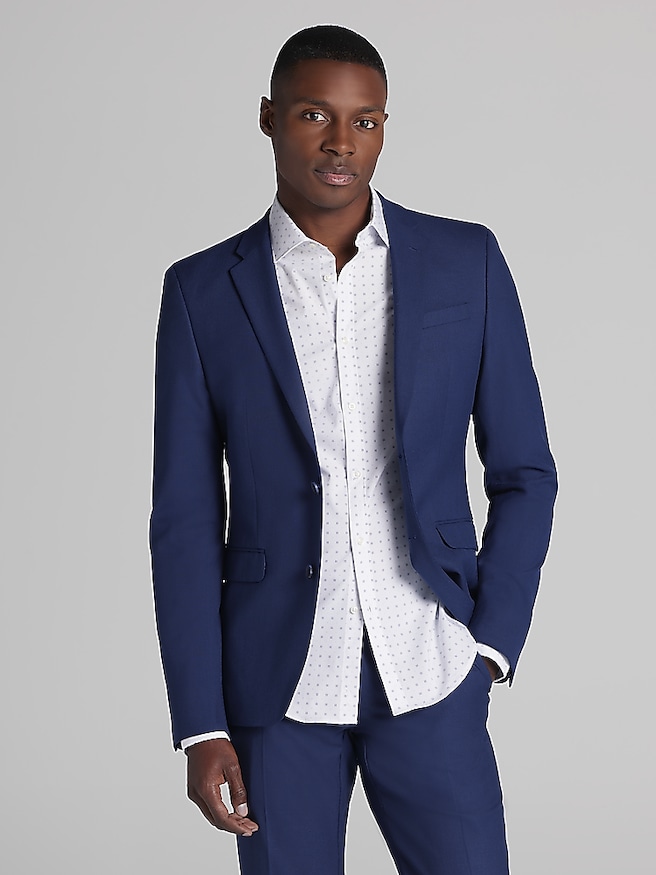
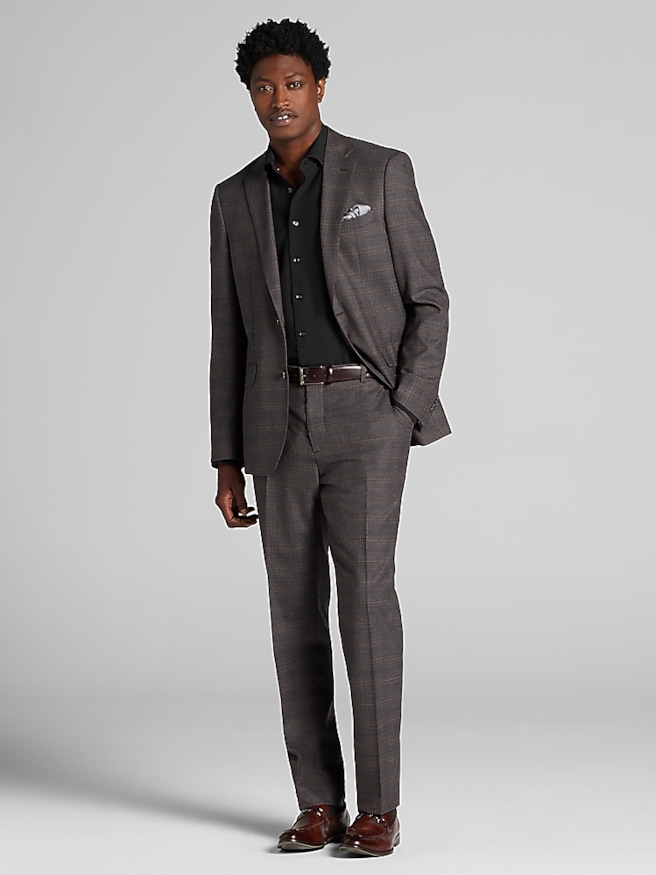
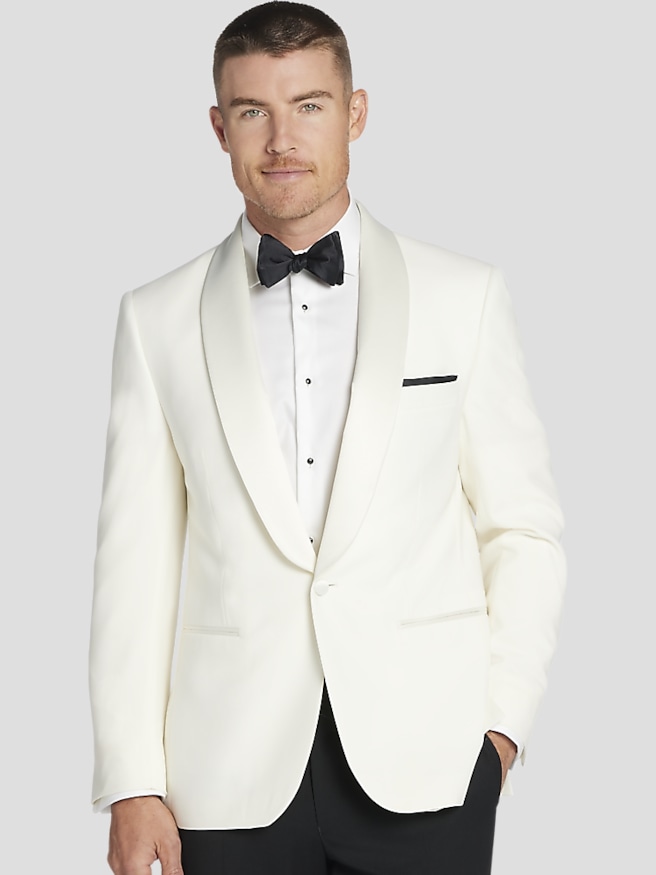
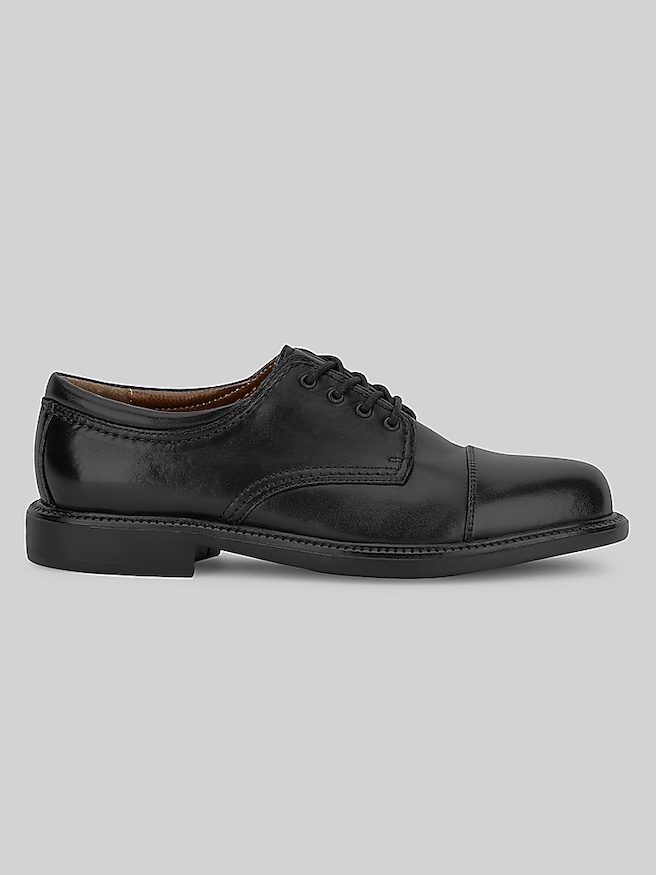
White evening wear gives formal dressing a distinctive presence, pairing a light-colored foundation with the structure and polished details associated with special occasions. For men, the category includes white dinner jackets, tailored suits, dress shirts, and coordinating separates that can create anything from a traditional tuxedo combination to a monochromatic look. The distinction lies in the construction and styling, not simply the color: satin-faced lapels, formal trousers, and a bow tie communicate a different level of formality than a white suit worn with a conventional dress shirt and necktie. A white dinner jacket paired with black formal trousers offers a familiar contrast, with the dark trouser line grounding the outfit and keeping attention on the jacket. An all-white ensemble creates a more continuous silhouette and works especially well when the invitation specifically calls for white attire. Galas, formal dinners, milestone celebrations, and wedding receptions each bring their own expectations, so the stated dress code matters more than the venue alone. Where a white dinner jacket is appropriate for black tie, a white formal shirt, black bow tie, and polished black formal shoes form a classic combination. A white suit does not automatically meet black-tie requirements, and white tie refers to a distinct dress code requiring an evening tailcoat rather than an outfit made entirely in white. For wedding guests, a predominantly white outfit deserves particular consideration; the couple’s requested attire should take precedence, especially when white is reserved for members of the wedding party. Grooms and attendants may use white to distinguish a central look while coordinating the rest of the group through shared lapel treatments, shirts, or accessories. For a broader view of formal tailoring, Evening Wear Suits provides a related starting point. Whether the setting is a seated awards dinner or a reception filled with photographs and dancing, successful white evening attire looks intentional from the jacket’s shoulder line to the finish of the shoes.
Fabric and fit have an especially visible effect on white evening wear because pale cloth reveals texture, seams, and underlying layers more readily than dark fabric. Wool and wool-blend tailoring can offer a smooth drape and useful shape retention, while blends incorporating synthetic fibers may add resilience and help reduce wrinkling. Cotton brings a crisp appearance, and linen contributes a more pronounced texture that naturally develops creases; neither fabric alone determines whether a garment is formal enough for an occasion. The weave, surface finish, lining, and overall construction all contribute to that impression. A restrained matte fabric can keep a white suit looking clean and architectural, while satin accents add a controlled sheen to formal lapels and trouser details. Bright white, ivory, and softer off-white shades are not interchangeable, particularly when worn together. Looking at the jacket, shirt, and trousers side by side in natural light helps reveal whether their undertones complement each other or create an unintended mismatch. Lining and fabric density also deserve attention, since pocket bags, shirt edges, or high-contrast underlayers can show through lighter cloth. Low-contrast underlayers close to the wearer’s skin tone often remain less noticeable beneath a white shirt. Across the shoulders, a jacket should sit smoothly without extending beyond the natural shoulder or pulling into pronounced ridges. The front should close without an X-shaped strain around the button, and the collar should rest against the shirt rather than stand away from the neck. Sleeve length that reveals a small amount of shirt cuff gives the outfit a deliberate finish. Trousers should fall cleanly through the thigh and knee, with a hem that works with the chosen shoes instead of pooling around them. Comfort matters throughout a long event: sitting for dinner, reaching across a table, and moving onto the dance floor should not require constant adjustments. Tailoring that balances a defined silhouette with ease of movement often looks more polished than an overly tight fit.
The finishing details of white evening wear work best when they support the tailoring instead of competing with it. Black shoes and a black bow tie create a strong visual frame for a white dinner jacket, while a coordinated white suit allows more flexibility when the occasion permits less traditional styling. Matching the leather finish, keeping metal accents consistent, and choosing a pocket square with a clear relationship to the shirt or tie can make the whole outfit feel considered. A heavily patterned shirt, oversized accessories, and several competing shades of white can interrupt an otherwise clean look. For a celebration with an all-white dress code, small differences in texture can add depth without relying on strong color contrasts. Accessories such as cufflinks or a formal tie can also make thoughtful gifts for someone preparing for a wedding, an important dinner, or another dressy milestone, provided the recipient’s preferences and dress requirements are known. Maintaining the appearance of pale tailoring takes care, but frequent cleaning is not automatically better for the fabric. The garment’s care label should determine whether professional cleaning, laundering, or another treatment is appropriate. Spills benefit from prompt attention: gently blotting excess liquid with a clean cloth is preferable to rubbing, which can spread the mark or disturb the surface. A professional cleaner should know what caused a stain before treatment, particularly with food, oils, or colored drinks. Between occasions, a shaped hanger helps support the jacket, while properly hung trousers are less likely to develop unwanted folds. Clothing should be clean and completely dry before extended storage, with a breathable garment bag helping protect the fabric from dust. Careful pressing, secure buttons, sound seams, and an accurate fit all contribute to lasting use. With those details maintained, white evening attire can retain its crisp character across formal photographs, candlelit dinners, and memorable celebrations.